2026 Gift Guide: Choosing the Perfect Orange Coral Necklace
Discover how to choose, style, and gift the perfect orange coral necklace for any occasion. Learn about coral grades, ethical sourcing, and pricing.

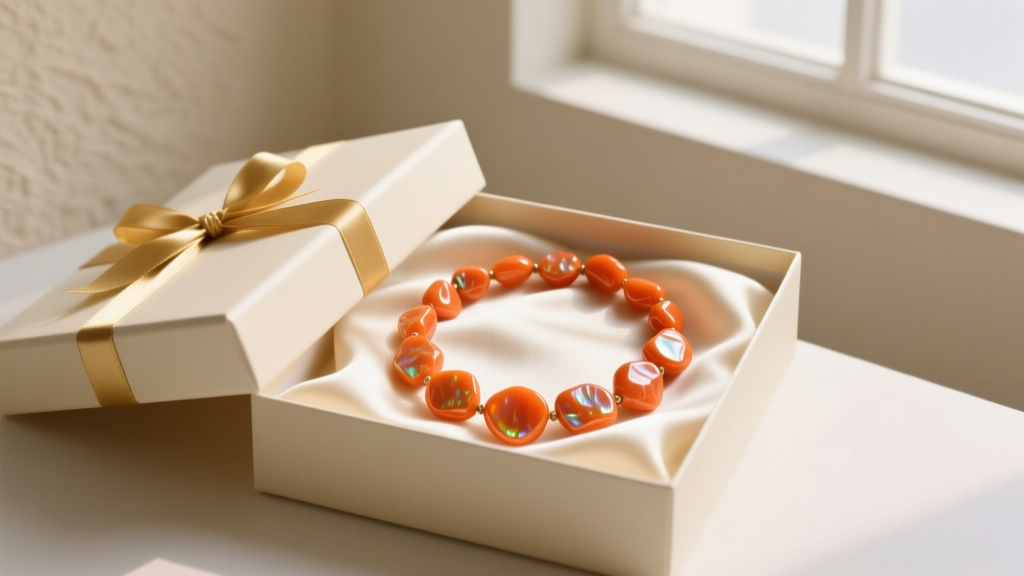
The Allure of Orange Coral as a Meaningful Gift
Gifting jewelry is an intimate act, but finding a piece that balances organic beauty, rich history, and everyday wearability can be a challenge. Enter the orange coral necklace. Unlike the ubiquitous diamond pendant or the classic pearl strand, an orange coral necklace offers a striking pop of warmth and a deeply personal connection to the natural world. As we navigate the 2026 gifting season, organic gemstones are experiencing a massive resurgence among collectors and eco-conscious recipients alike. Orange coral, with its tangerine, peach, and burnt sienna hues, provides a versatile palette that complements a wide array of skin tones and wardrobes.
However, gifting coral requires a nuanced understanding of the material. Because coral is an organic gemstone formed by living marine polyps, it sits at the intersection of geological beauty and environmental responsibility. This comprehensive guide will walk you through the specific grades of orange coral, how to match the perfect necklace to your recipient's milestone, and the critical ethical sourcing metrics you must verify before making a purchase.
Decoding Coral: Natural, Treated, and Imitation
To give a gift of genuine value, you must understand exactly what you are buying. The term 'orange coral' in the jewelry market is frequently used as a catch-all, but it encompasses several distinct biological and treated materials. According to the Gemological Institute of America (GIA), coral is primarily composed of calcium carbonate, which dictates both its vibrant potential and its inherent vulnerabilities.
Sponge Coral vs. Precious Coral
Precious Coral (Corallium genus): True precious coral is typically associated with deep Mediterranean reds or pale 'angel skin' pinks. Natural, untreated orange precious coral is exceedingly rare and commands premium prices, often exceeding $1,500 for a high-quality 16-inch strand. It features a smooth, porcelain-like luster when polished.
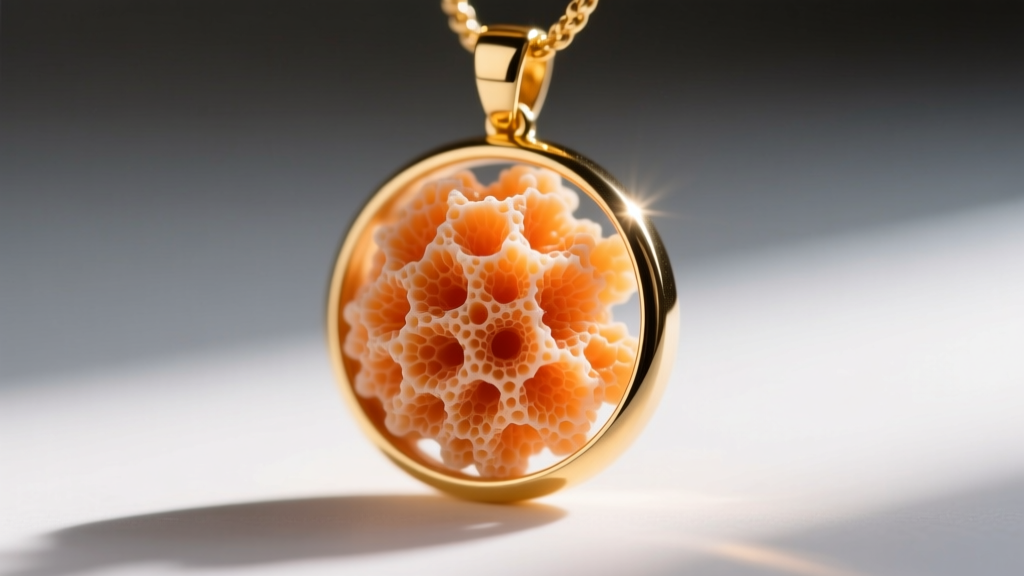
Sponge Coral: The vast majority of commercial orange coral necklaces on the market are sponge coral. Naturally porous and lightweight, sponge coral is harvested, stabilized with clear epoxy resin to prevent crumbling, and frequently dyed to achieve a uniform, vibrant orange hue. While stabilization is an accepted industry practice, the FTC Jewelry Guides mandate that any dyeing or resin-impregnation must be explicitly disclosed to the consumer. A stabilized and dyed sponge coral necklace is an excellent, budget-friendly gift (typically ranging from $80 to $250), provided the recipient is aware of its treated nature.
Bamboo Coral: Often mistaken for sponge coral, bamboo coral features a distinct woody, segmented internal structure. It is naturally grey or white and is almost universally dyed orange or red. It is the most affordable option but lacks the organic prestige of natural precious coral.
Occasion Matching: When to Gift Orange Coral
Matching the specific type and style of the orange coral necklace to the occasion elevates the gift from a simple accessory to a deeply considered token of affection. Below is a strategic framework for matching coral necklaces to major life events.
| Occasion | Ideal Coral Type | Recommended Style & Length | Estimated Budget (2026) |
|---|---|---|---|
| 35th Wedding Anniversary | Natural Precious Coral (Untreated) | 18-inch Princess strand with 18k gold clasp | $1,200 - $3,500+ |
| College Graduation | Stabilized Sponge Coral | 16-inch Choker with modern geometric pendant | $150 - $350 |
| Milestone Birthday (30th/40th) | High-Grade Dyed Sponge or Bamboo | 24-inch Matinee, multi-strand layered design | $200 - $500 |
| Holiday / Bridesmaid Gift | Bamboo Coral or Fossil Coral | 18-inch Princess, single carved floral pendant | $50 - $120 |
The 35th Anniversary Connection: Coral is the traditional gift for a 35th wedding anniversary. If you are shopping for this specific milestone, it is highly recommended to seek out untreated, gem-grade precious coral. Look for reputable dealers who provide origin certificates, as the provenance of precious coral significantly impacts its long-term appraisal value.
Length, Proportion, and Neckline Pairing
A necklace is only as good as its integration into the wearer's daily wardrobe. Orange coral is a bold, warm statement color that requires careful consideration of length and bead size to ensure it flatters rather than overwhelms the recipient.
- Choker (14-16 inches): Best suited for younger recipients or those with a modern, minimalist aesthetic. A single strand of 6mm orange coral beads sits perfectly above the collarbone and pairs beautifully with V-neck blouses or off-the-shoulder summer dresses.
- Princess (18 inches): The most universally flattering and versatile length. An 18-inch orange coral necklace rests just below the throat. It is the ideal choice for a gift when you are unsure of the recipient's exact preferences, as it bridges the gap between casual and formal wear.
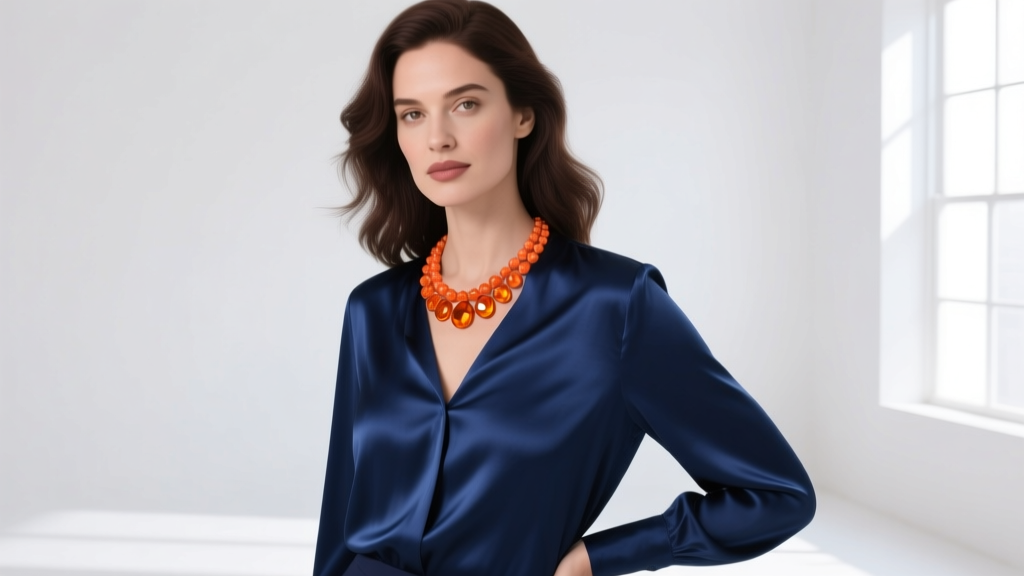
- Matinee (20-24 inches): Perfect for professional environments or layering. A matinee-length orange coral strand draws the eye downward, creating an elongating effect. It pairs exceptionally well with high-necked sweaters, turtlenecks, and navy or charcoal business attire, providing a striking color contrast.
- Bead Size Matters: For a subtle, everyday piece, opt for 4mm to 6mm beads. For a bold, vintage-inspired statement piece, look for 8mm to 12mm graduated beads. Keep in mind that larger beads increase the weight of the necklace, which can cause neck fatigue if worn for extended periods.
The Ethics of Gifting Coral: CITES and Sourcing
You cannot discuss gifting coral in 2026 without addressing environmental ethics. Overharvesting and ocean acidification have severely impacted global coral reefs. While precious jewelry coral (Corallium) is typically deep-water and distinct from shallow reef-building corals, the trade is still heavily regulated.
The Convention on International Trade in Endangered Species (CITES) strictly monitors the export and import of precious coral species. When purchasing a high-end natural orange coral necklace, always request documentation proving that the material was harvested legally and complies with CITES Appendix II or III regulations. If your recipient is deeply eco-conscious or vegan, consider gifting fossil coral (ancient coral that has been replaced by agate over millions of years) or high-quality lab-created coral, which offers the exact same chemical composition and visual warmth without any marine impact.
Essential Care Instructions to Include
Coral is remarkably soft, ranking only 3.5 to 4 on the Mohs hardness scale. Furthermore, its calcium carbonate composition makes it highly reactive to acids. To ensure your gift lasts a lifetime, include a handwritten care card with the following actionable instructions:
- The 'Last On, First Off' Rule: Coral must never come into contact with perfume, hairspray, or cosmetics. The recipient should always put the necklace on after applying beauty products and take it off immediately upon returning home.
- Avoid Chemical Cleaners: Never use ultrasonic cleaners, steam cleaners, or commercial jewelry dips. The vibrations can shatter the beads, and the chemicals will strip the natural polish and dye.
- Proper Wiping: After wearing, gently wipe the beads with a soft, slightly damp microfiber cloth to remove natural skin oils and sweat, which are mildly acidic and can cause the coral to dull or pit over time.
- Safe Storage: Store the necklace flat in a soft pouch. Hanging heavy coral strands for long periods can stretch the silk or nylon threading, leading to premature breakage.
By understanding the material science, ethical landscape, and styling nuances of orange coral, you can confidently select a necklace that is not just a beautiful accessory, but a deeply thoughtful, legacy-building gift.


