Troubleshooting Your Sapphire Pearl Necklace: Care & Repair Guide
Is your sapphire pearl necklace suffering from scratched pearls or frayed silk? Learn expert troubleshooting, restringing tips, and care routines.

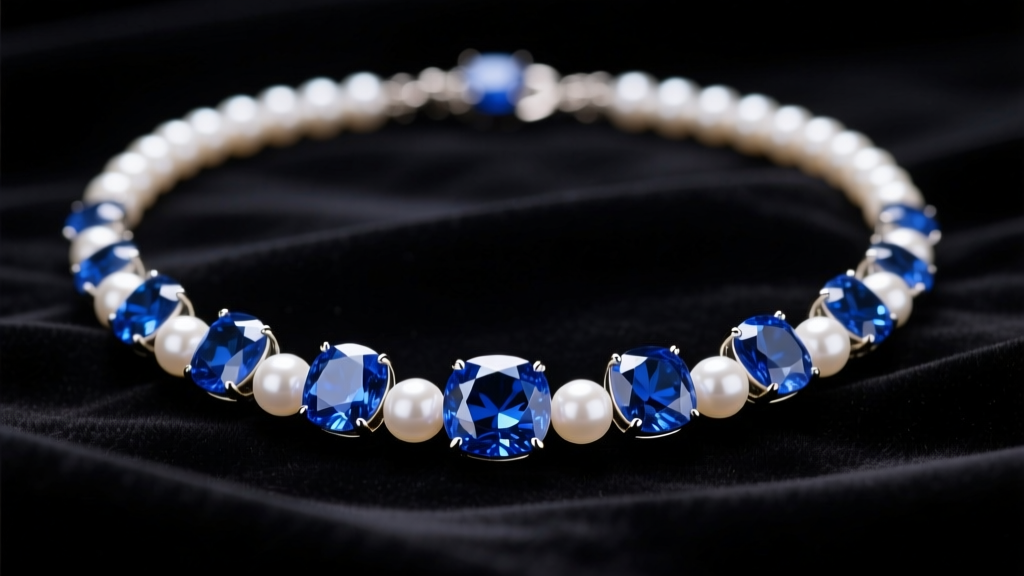
Combining the deep, velvety blue of a sapphire with the luminous, organic glow of a pearl creates a breathtaking piece of jewelry. However, from a gemological and structural perspective, a sapphire pearl necklace is a high-maintenance pairing that frequently falls victim to severe mechanical and chemical failures. Because these two materials sit on opposite extremes of the hardness scale, wearing them together on a single strand introduces unique friction, thread degradation, and nacre abrasion issues that standard jewelry care guides simply do not address.
If you have noticed a loss of luster in your pearls, chalky residue near the clasp, or visible fraying of the stringing material, your necklace is actively deteriorating. This comprehensive troubleshooting guide will diagnose the structural conflicts inherent in this design and provide actionable, professional-grade solutions to restore and protect your investment.
The Mohs Scale Conflict: Why Your Necklace is Failing
The root cause of 90% of damage in mixed-gemstone strands lies in the Mohs scale of mineral hardness. Sapphire, a variety of corundum, ranks at a formidable 9 on the Mohs scale, making it the second hardest natural gemstone on earth. Pearl, composed of calcium carbonate and conchiolin, ranks between 2.5 and 4.5.
When strung together without adequate separation, the sapphire acts as an abrasive file against the pearl. Every time you move, the necklace flexes. The microscopic faceted edges or even the smooth but ultra-hard surface of the sapphire grinds into the softer nacre of the pearl. Over months of wear, this friction literally sands away the pearl's orient and luster, leaving behind a dull, chalky depression where the gems meet.
Diagnosing Pearl Abrasion and Nacre Loss
To determine if your pearls are suffering from sapphire-induced abrasion, perform a visual and tactile inspection under a 10x jeweler's loupe:
- The Chalk Test: Look for fine, white dust accumulating around the drill holes of the pearls or trapped inside the clasp mechanism. This is pulverized nacre.
- Luster Mapping: Examine the pearls that sit immediately adjacent to the sapphires. If they appear noticeably duller or feature flat, matte spots compared to the pearls near the clasp, mechanical abrasion is occurring.
- Drill Hole Enlargement: The constant grinding can cause the pearl's drill hole to widen and chip at the edges, compromising the structural integrity of the entire strand.
The Hidden Danger: Drill Hole Geometry and Thread Failure
Beyond surface scratching, the internal geometry of a sapphire's drill hole poses a severe threat to the stringing material. While pearls are typically drilled with smooth, specialized bits to protect the nacre, sapphires are often drilled using high-speed diamond core bits or lasers. This process can leave micro-serrations, sharp ridges, or glass-like silica dust fused inside the drill channel.
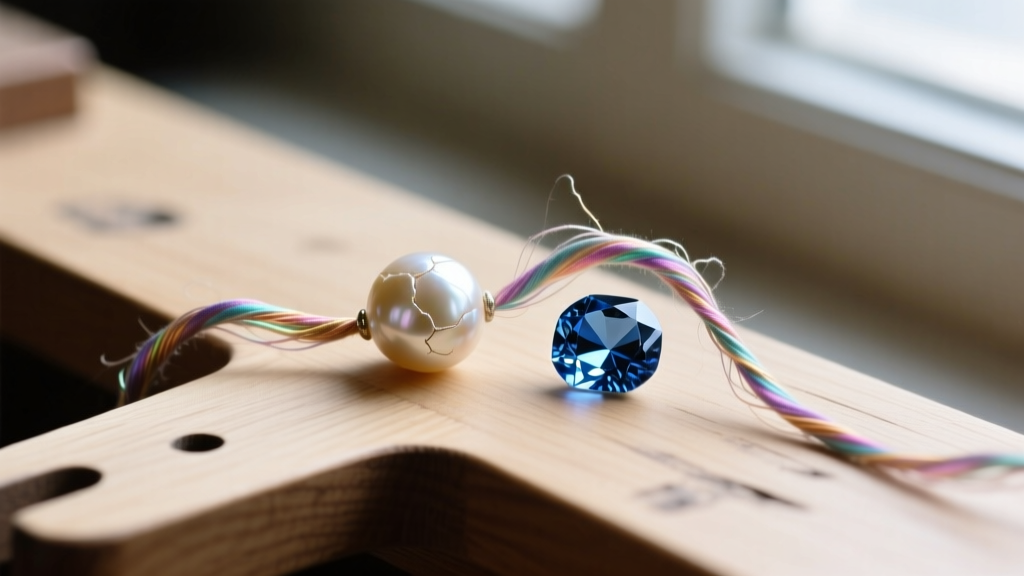
When traditional silk thread (such as Griffin Size E or F) is pulled taut through these microscopic serrations, the sapphire essentially acts as a serrated knife. The thread saws against the sharp edges with every flex of the necklace, leading to premature fraying and catastrophic strand failure. If your sapphire pearl necklace has broken unexpectedly, the culprit is almost certainly the internal geometry of the sapphire beads.
Stringing Material Troubleshooting: Finding the Right Core
Standard 100% natural silk is the gold standard for pure pearl strands because it knots beautifully and drapes softly. However, it is entirely inadequate for the sheer cutting force of sapphire edges. When restringing or repairing your necklace, you must upgrade the structural core.
| Stringing Material | Tensile Strength | Knot Holding Ability | Verdict for Sapphire & Pearl |
|---|---|---|---|
| 100% Natural Silk | Low to Medium | Excellent | Avoid: Will fray rapidly against sapphire drill holes. |
| Nylon (e.g., Nymo) | Medium | Good | Fair: Better abrasion resistance, but stretches over time. |
| Braided Polyethylene (e.g., PowerPro 10lb) | Very High | Poor (Slips) | Excellent Core: Uncuttable by sapphire, but requires specialized knotting or crimping. |
| Stainless Steel Beading Wire (49-strand) | Extremely High | None (Requires Crimps) | Good for unknotted: Will not break, but ruins the soft drape of the pearls. |
The Hybrid Stringing Solution
For a high-end sapphire pearl necklace that requires the elegant drape of knotted silk but the durability of synthetic fibers, master jewelers use a hybrid technique. The core is threaded with a micro-braided synthetic line (like PowerPro) to prevent snapping, and then wrapped or couched with fine silk to allow for traditional, secure overhand knots between each bead.
Step-by-Step Restoration and Preventative Care
If your necklace requires immediate triage, follow these strict protocols to clean and stabilize the piece without causing further chemical or mechanical damage.
1. The Chemical Hazard of Ultrasonic Cleaners
Never place a sapphire pearl necklace in an ultrasonic cleaner. While sapphires can generally withstand ultrasonic vibrations (unless they are fracture-filled or heavily included), the high-frequency waves and heated chemical baths will instantly shatter pearls or strip their delicate nacre layers. Furthermore, according to GIA Pearl Care guidelines, harsh detergents and ammonia-based solutions will dissolve the conchiolin protein that binds the pearl's aragonite platelets together.
2. Safe Manual Cleaning Protocol
- Lay the necklace flat on a lint-free microfiber towel.
- Dampen a separate, ultra-soft cloth with distilled water and a single drop of phosphate-free, pH-neutral dish soap.
- Gently wipe each pearl individually, avoiding the drill holes to prevent moisture from trapping inside and rotting the internal thread.
- Use a soft, dry makeup brush to gently sweep away dust from the crevices where the sapphire and pearl meet.
- Allow the strand to dry completely flat for 24 hours before wearing or storing.
The Spacer Bead Intervention
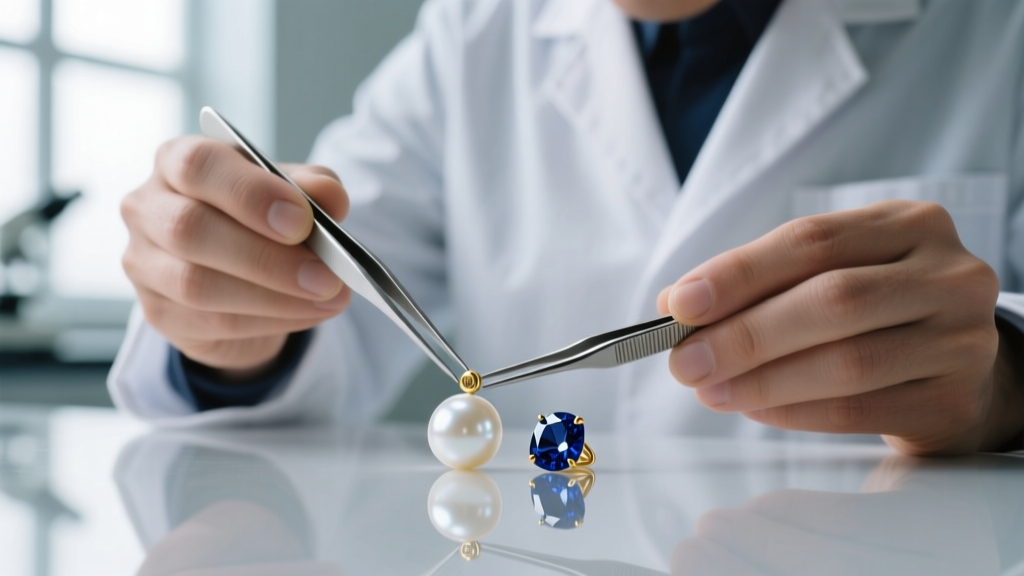
The most effective, permanent solution to the Mohs scale conflict in a sapphire pearl necklace is the introduction of physical barriers. By placing micro-spacer beads between every sapphire and pearl, you eliminate direct gem-to-gem contact and protect the stringing thread from the sapphire's drill hole edges.
Material Selection for Spacers:
- 14k or 18k Yellow/White Gold: The industry standard. Gold is softer than sapphire (Mohs 2.5-3) but will not chemically react with the pearl. A 1.5mm to 2mm seamless gold bead acts as a perfect buffer.
- Platinum: Highly durable and hypoallergenic, though its high density can add noticeable weight to a long strand.
- Avoid Sterling Silver: Silver tarnishes when exposed to the sulfur compounds in human sweat and the environment. This tarnish can transfer to the porous surface of the pearl, causing permanent grey staining that cannot be polished out.
Clasp and Safety Mechanisms: Securing the Investment
A heavy sapphire and pearl strand places immense dynamic tension on the clasp assembly. Standard spring-ring or lobster clasps are entirely insufficient and pose a high risk of accidental unhooking or metal fatigue failure.
"A multi-gemstone strand of this caliber must always be terminated with a box clasp featuring a figure-8 safety catch, and the final three inches of thread must be protected by French wire (gimp) to prevent the metal clasp ring from sawing through the stringing material."
Ensure your jeweler installs a 14k or 18k gold box clasp. The figure-8 safety wire acts as a secondary fail-safe; if the primary box mechanism pops open due to a snag, the safety catch will hold the strand securely against your neck, preventing a devastating loss of gems.
When to Call a Professional Jeweler
Troubleshooting a sapphire pearl necklace is not a DIY endeavor. If you observe any of the following critical failure signs, remove the necklace immediately and take it to a certified bench jeweler or a specialist pearl stringer:
- Visible stretching or sagging between the knots (indicating the core fiber has yielded).
- A 'clicking' sound when you gently tap the pearls together (indicating severe nacre thinning and internal drill hole damage).
- Discoloration or darkening of the silk thread near the clasp (a sign of sweat-induced protein degradation and impending snap).
By understanding the inherent material conflicts of your jewelry and implementing these structural interventions, you can ensure your sapphire pearl necklace remains a flawless, luminous heirloom for generations to come.


