How to Design a Custom Necklace Made From Ashes: Step-by-Step Guide
Learn how to design and commission a custom necklace made from ashes. This step-by-step guide covers glass, resin, and metal settings, plus care tips.

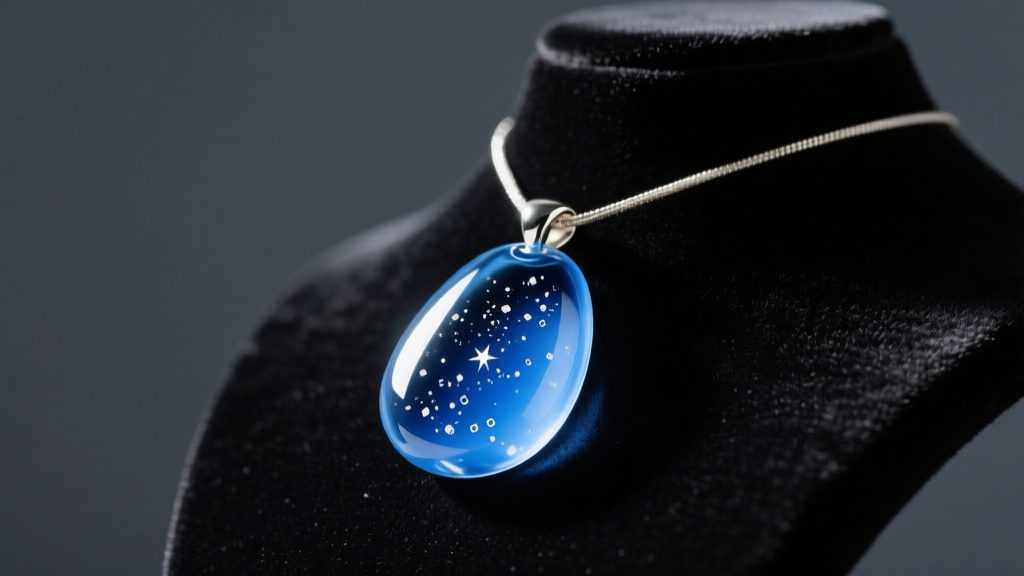
Commissioning a custom necklace made from ashes is a deeply personal process that transforms a profound loss into a tangible, wearable tribute. Unlike standard jewelry shopping, designing memorial jewelry requires navigating specific material limitations, legal shipping regulations, and long-term preservation techniques. Whether you are incorporating the cremains of a loved one or a beloved pet, understanding the science and craftsmanship behind ash infusion is critical to ensuring the piece lasts a lifetime.
This comprehensive, step-by-step guide will walk you through selecting the right infusion method, preparing the cremains, choosing durable metal grades, and maintaining the structural integrity of your memorial pendant.
Understanding Memorial Jewelry: Ash Infusion Methods
The first and most crucial decision in designing a necklace made from ashes is selecting the medium that will house the cremains. Cremated remains are primarily composed of calcium phosphate and are highly alkaline, which means they can react poorly with certain chemicals if not properly sealed or treated. Below is a detailed comparison of the three primary infusion methods used by professional jewelers.
| Infusion Method | Material Science & Durability | Average Pricing (2026) | Best For |
|---|---|---|---|
| Borosilicate Glass | Fired at 1,500°F. Ash is encapsulated in molten glass. Highly durable, scratch-resistant (Mohs 6-7), and completely impervious to moisture. | $150 - $450 | Vibrant colors, ocean-themed designs, and heirloom-quality durability. |
| UV-Resistant Resin | Ash is suspended in aerospace-grade polyurethane resin. Softer (Mohs 2-3), prone to micro-scratches, but allows for intricate, multi-layered scenes. | $60 - $180 | Budget-conscious buyers, highly detailed miniature landscapes, and lightweight pendants. |
| Lost-Wax Metal Casting | Ash is mixed into the casting investment or left as a sealed void inside solid 14k gold or sterling silver. Indestructible housing. | $400 - $2,500+ | Minimalist designs, traditional metalwork, and maximum physical protection. |
Step 1: Measuring, Packaging, and Shipping the Cremains
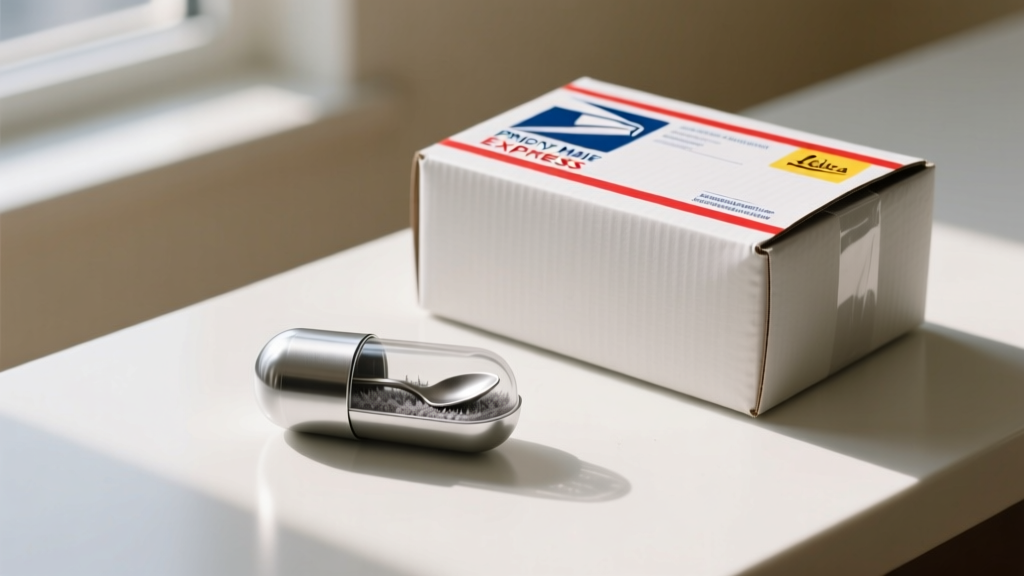
Before any crafting begins, you must safely and legally transport the ashes to the jeweler. In the United States, the USPS guidelines strictly dictate that the United States Postal Service is the only legal carrier for cremated remains; FedEx and UPS explicitly prohibit them.
Quantity Required: Most jewelers require between 1/2 and 1 full teaspoon of ashes. If you are designing a multi-piece set (e.g., matching pendants for siblings), you will need roughly 1/4 teaspoon per additional piece.
The Double-Seal Protocol: To prevent loss and contamination, follow this packaging hierarchy:
- Innermost Layer: Place the measured ashes in a small, sift-proof plastic bag or a sealed glass vial. Secure the closure with a tamper-evident sticker or a small piece of electrical tape.
- Secondary Layer: Place the sealed vial inside a padded bubble mailer or a small cardboard box filled with packing peanuts to prevent movement.
- Outer Layer: Use a USPS Priority Mail Express box. You must clearly label the outside of the package with the required 'Cremated Remains' stamp or sticker, which alerts postal workers to handle the package with specialized care and respect.
Step 2: Selecting the Pendant Setting and Metal Grade
The metal casing that holds your glass, resin, or cast element dictates the longevity of the necklace made from ashes. Because memorial jewelry is often worn daily, it is exposed to sweat, perfumes, and environmental humidity. According to the FTC Jewelry Guides, understanding metal purity and alloy composition is essential for avoiding allergic reactions and premature tarnishing.
Sterling Silver (925) vs. Argentium Silver
Standard 925 sterling silver contains 7.5% copper, which oxidizes and tarnishes when exposed to the sulfur in human sweat. If you choose silver, opt for Argentium Silver. Argentium replaces some of the copper with germanium, creating a highly tarnish-resistant alloy that requires almost zero polishing, keeping the focus on the ash pendant rather than metal maintenance.
Gold Karat Considerations
For cast metal or gold bezels, 14k gold is the optimal choice for daily wear. While 18k gold offers a richer yellow hue, its higher pure gold content makes it softer and more prone to denting, which could compromise the seal of a resin or glass inlay. 14k gold provides the perfect balance of rich color and structural rigidity (Vickers hardness of ~140-160).
Surgical Stainless Steel (316L)
For budget-friendly or highly active lifestyles, 316L surgical stainless steel is exceptional. It contains molybdenum, which provides superior resistance to chlorides (like sweat and ocean water). It will never tarnish, though it cannot be resized or easily soldered if the bail breaks.
Step 3: Choosing the Right Chain Length and Gauge
A common mistake when commissioning memorial jewelry is overlooking the chain. The chain must support the weight of the pendant without overpowering it visually.
- For Glass Pendants (Heavy): Glass is dense. A standard 15-gram glass teardrop requires a chain with a minimum gauge of 1.5mm to 2.0mm. A rope chain or a box chain is recommended, as their interlocking links distribute weight evenly and resist kinking.
- For Resin Pendants (Lightweight): Resin is remarkably light. A delicate 1.0mm to 1.2mm cable chain is sufficient and keeps the aesthetic ethereal and subtle.
- Clasp Mechanics: Always upgrade from a standard spring-ring clasp to a lobster claw clasp. Spring rings have a high failure rate due to their tiny internal springs snapping under the pendulum motion of a heavy pendant. A lobster clasp provides a secure, mechanical lock.
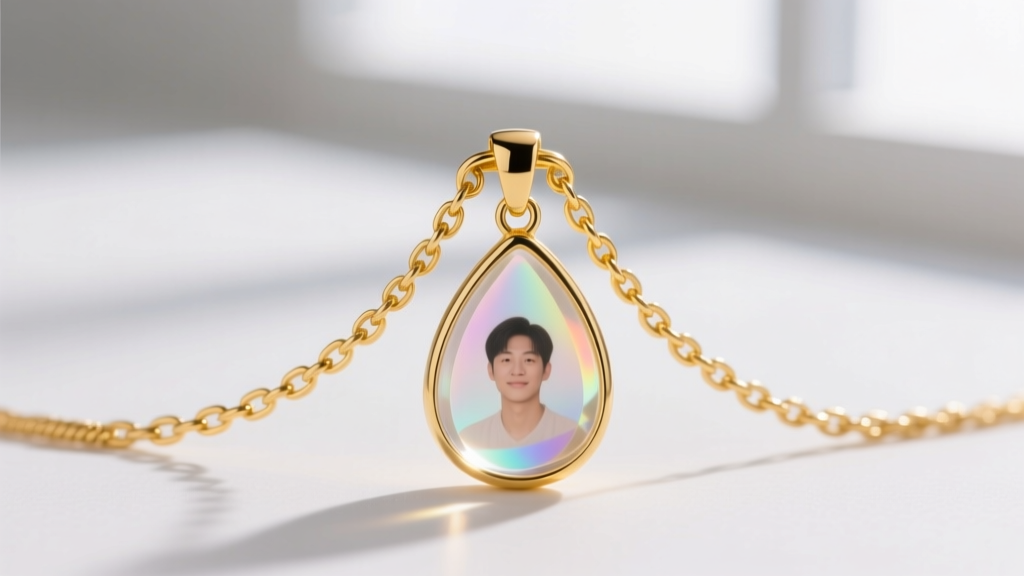
Step 4: Long-Term Care and Material Preservation
Maintaining a necklace made from ashes requires specific protocols depending on the infusion medium. Failure to follow these can result in irreversible damage to the memorial piece.
Preventing UV Degradation in Resin
Even the highest quality UV-resistant resins will eventually succumb to photo-degradation, turning yellow or cloudy after 3 to 5 years of direct sunlight exposure. To prolong the clarity of a resin pendant, apply a micro-thin layer of automotive-grade UV protectant wax (like carnauba) every six months. Never wear resin pendants in hot tubs or saunas, as temperatures above 140°F can soften the resin and break the seal against the metal bezel.
Thermal Shock and Glass Annealing
Borosilicate glass is incredibly resilient, but it is not immune to thermal shock. If your glass pendant was not properly annealed (slowly cooled in a kiln to relieve internal molecular stress), sudden temperature changes—like stepping out of a hot shower into cold winter air—can cause microscopic fractures. Always remove glass memorial jewelry before swimming in cold water or entering extreme heat environments.
Cleaning Protocols
Never use ultrasonic cleaners or harsh chemical dips (like silver polish) on ash jewelry. The high-frequency vibrations of an ultrasonic cleaner can shatter internal glass inclusions or delaminate resin from its metal housing. Instead, use a lint-free microfiber cloth and a mild solution of distilled water and pH-neutral dish soap, gently wiping only the metal components and the surface of the stone or glass.
Verifying Authenticity and Chain of Custody
Pro Tip for Peace of Mind: When working with a jeweler, request a 'Chain of Custody' certificate. Reputable memorial jewelers film the unboxing of your specific package and the infusion process, providing you with a time-stamped video link. This guarantees that the ashes suspended in your necklace made from ashes are unequivocally those of your loved one, providing immense emotional comfort.
Designing a custom necklace made from ashes is a journey that bridges the gap between profound grief and enduring love. By carefully selecting the right infusion medium, adhering to strict shipping protocols, and choosing structurally sound metals, you ensure that this deeply personal tribute remains a beautiful, intact legacy for decades to come.


