What Is a Necklace Enhancer? A Beginner's Style Guide
Learn what a necklace enhancer is, how it works, andg 14k vs 18k gold, clasp mechanics, and chain compatibility.

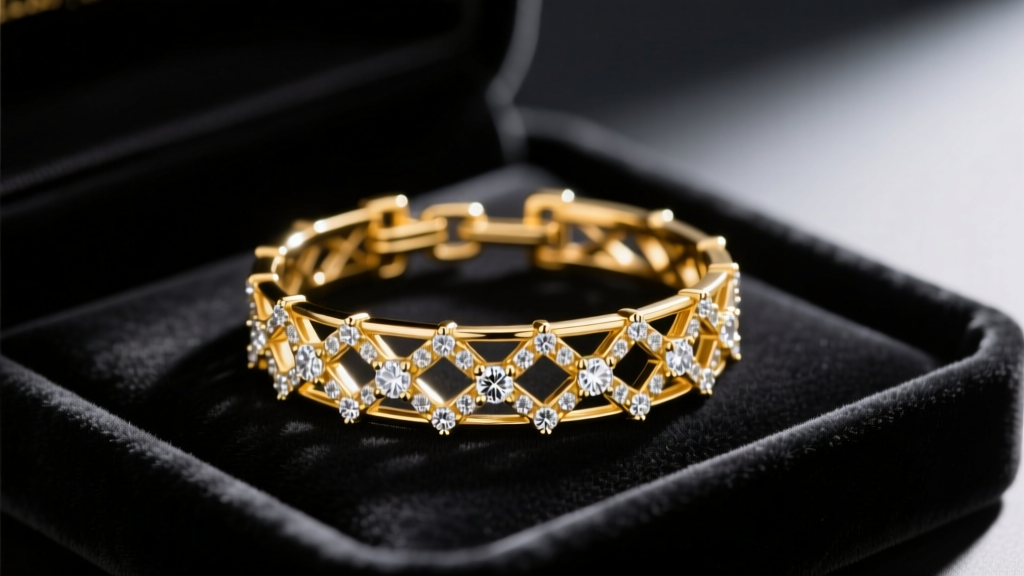
If you have ever stared at a plain chain and wished it could transform into a statement piece without buying a completely new necklace, the necklace enhancer is the jewelry industry's best-kept modular secret. Also known as pendant enhancers, interchangeable bails, or pearl enhancers, these ingenious findings bridge the gap between basic chains and high-end pendants. In this beginner-friendly guide, we will decode the mechanics, metallurgy, and styling frameworks of necklace enhancers so you can maximize your jewelry collection in 2026.
The Anatomy of a Necklace Enhancer
At its core, a necklace enhancer is a specialized jewelry finding featuring a hinged or clipping mechanism that allows you to add a pendant or charm to a chain without having to thread the chain through a fixed bail. This means you can swap pendants in seconds, or add a focal piece to a knotted pearl strand that would otherwise be impossible to modify.
Bail Enhancers vs. Pearl Enhancers
While the terms are often used interchangeably, their structural designs serve different purposes:
- Hinged Bail Enhancers: Designed for metal chains (cable, box, snake). They feature a U-shaped channel with a hinged side that swings open, wraps around the chain, and clicks shut via a tiny clasp.
- Pearl Strand Enhancers: Specifically engineered for knotted pearl or gemstone bead necklaces. Because you cannot unstring a knotted necklace to slide on a standard pendant, pearl enhancers feature a wide, curved hinge designed to slip over the bulky silk knots between pearls without damaging the thread.
- Tube/Slide Enhancers: A continuous hollow tube that slides onto the ends of unclasped chains, ideal for snake chains or omega collars.
Material Grades and Clasp Mechanisms
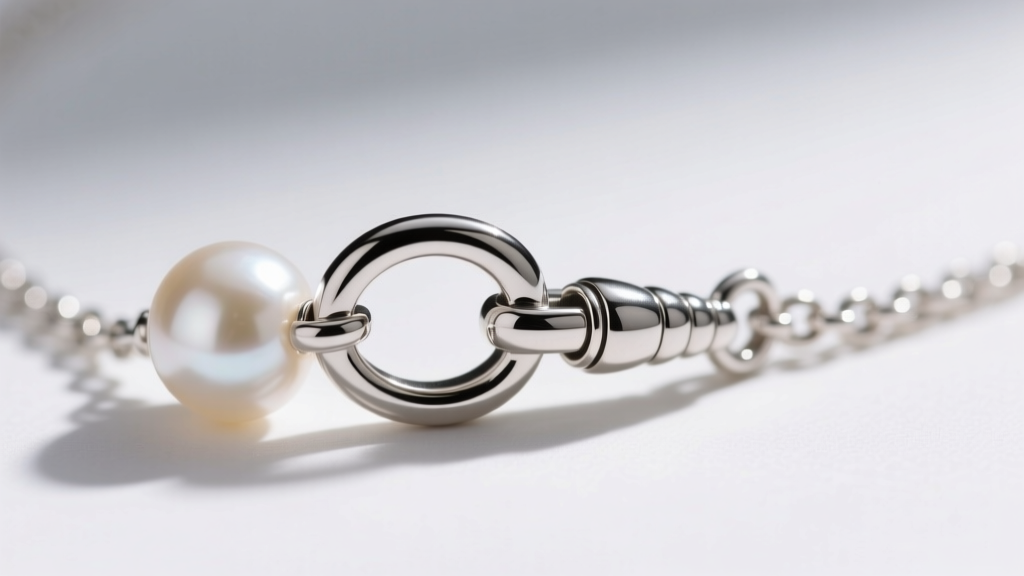
The longevity of your enhancer depends entirely on the alloy grade and the clasp mechanism. According to metallurgy guidelines from Rio Grande, a leading jewelry supplier, the stress point of an enhancer is the hinge pin and the clasp spring.
Metal Grades:
- Sterling Silver (925): Excellent for everyday wear, though prone to tarnish if exposed to sulfur or chlorine. Best for casual, lightweight pendants.
- 14k Gold (58.5% pure gold): The industry standard for durability. The alloy mix (usually copper and silver) provides enough tensile strength to prevent the hinge pin from bending under the weight of a heavy gemstone pendant.
- 18k Gold (75% pure gold): Softer and richer in color. While beautiful, 18k gold enhancers require thicker gauge wire in the hinge construction to prevent warping.
Clasp Mechanics:
Avoid enhancers that use standard spring ring clasps on the hinge. The internal steel spring in a spring ring is highly susceptible to snapping under lateral tension. Always look for enhancers equipped with a lobster claw clasp or a hidden magnetic catch with a safety figure-8 latch.
Chain Compatibility Matrix
Not every enhancer fits every chain. Forcing a thick chain through a narrow bail loop will warp the metal and damage the clasp. Use this compatibility chart to match your hardware:
| Chain Type | Typical Thickness | Best Enhancer Style |
|---|---|---|
| Standard Cable | 1.0mm - 1.5mm | Standard Hinged Bail |
| Box Chain | 1.2mm - 2.0mm | Hinged Bail with Square Loop |
| Snake Chain | 1.5mm - 3.0mm | Tube Slide or Wide Hinged Bail |
| Bead/Ball Chain | 1.5mm - 2.5mm | Clip-on Bail (No Hinge) |
| Knotted Pearl | 6.0mm - 8.0mm pearls | Curved Pearl Enhancer |
| Omega Collar | 2.0mm - 3.5mm | Tube Slide with Large Loop |
Common Failure Modes and Troubleshooting
Understanding how enhancers fail saves you from losing a cherished pendant. The most common failure point is the clasp spring mechanism. Spring ring clasps, while common in entry-level pieces, rely on a tiny internal steel spring that can degrade or snap if exposed to chlorine or excessive tension. Always opt for a lobster clasp with a forged lever for daily wear.
Another frequent issue is hinge warping. This occurs when a user forces a bail open wider than its intended 90-degree angle to squeeze it over a thick chain or a large pearl knot. Once the metal is bent past its yield strength, the hinge pin can slip out, rendering the enhancer useless. If your necklace features 8mm pearls with 2mm knots, you must purchase an enhancer specifically rated for large-knot strands, not a standard pendant bail.
Finally, loop abrasion happens when a hard metal enhancer rubs against a softer chain. According to gemological and jewelry care resources from the Gemological Institute of America (GIA), friction between dissimilar metals accelerates wear. For example, an 18k gold enhancer on a sterling silver chain will eventually wear through the silver links due to gold's higher density and the friction of daily movement. Keep your metals matched, or use a protective silicone jewelry guard on the chain loop.
Pricing Tiers: Where to Invest
- Entry-Level ($20 - $50): Sterling silver or gold-plated brass. Usually features spring ring clasps and plain, unadorned bails. Ideal for testing the versatility of enhancers before committing to fine jewelry.
- Mid-Range ($80 - $250): Solid 14k gold (yellow, white, or rose). Features secure lobster clasps, hidden hinges, and occasionally small melee diamond or sapphire accents on the bail loop.
- High-End ($300 - $800+): 18k gold or platinum. Includes pavé diamond settings, intricate milgrain detailing, and custom-engineered hinges designed for specific luxury pearl strands.
Step-by-Step: Attaching Your First Enhancer
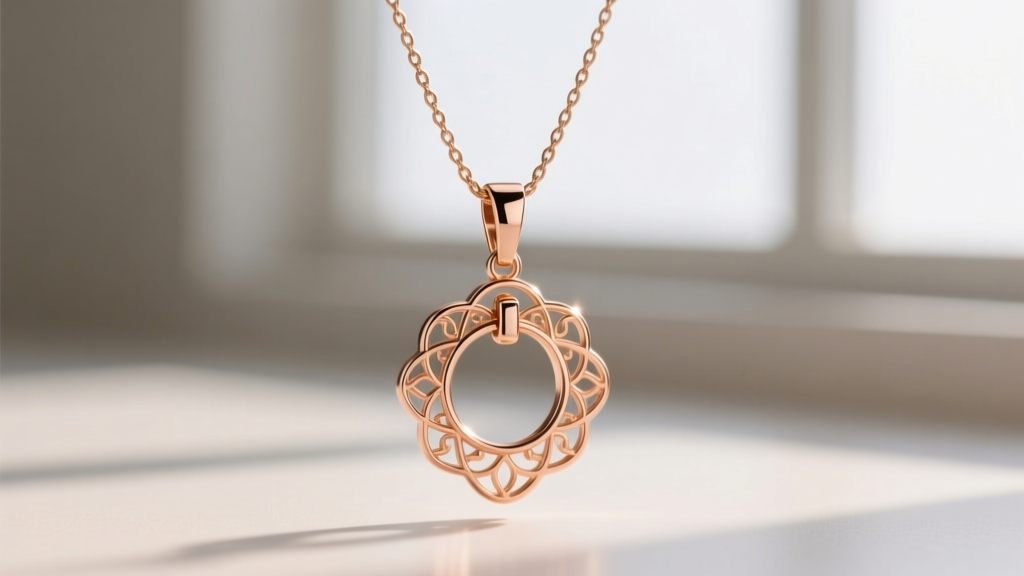
- Uncl 14k rose gold pendant enhancer attached to a delicate 1mm cable chain, demonstrating proper proportion and secure clasp closure'>
Another frequent issue is hinge warping. This occurs when a user forces a bail open wider than its intended 90-degree angle to squeeze it over a thick chain or a large pearl knot. Once the metal is bent past its yield strength, the hinge pin can slip out, rendering the enhancer useless. If your necklace features 8mm pearls with 2mm knots, you must purchase an enhancer specifically rated for large-knot strands, not a standard pendant bail.
Finally, loop abrasion happens when a hard metal enhancer rubs against a softer chain. According to gemological and jewelry care resources from the Gemological Institute of America (GIA), friction between dissimilar metals accelerates wear. For example, an 18k gold enhancer on a sterling silver chain will eventually wear through the silver links due to gold's higher density and the friction of daily movement. Keep your metals matched, or use a protective silicone jewelry guard on the chain loop.
Pricing Tiers: Where to Invest
- Entry-Level ($20 - $50): Sterling silver or gold-plated brass. Usually features spring ring clasps and plain, unadorned bails. Ideal for testing the versatility of enhancers before committing to fine jewelry.
- Mid-Range ($80 - $250): Solid 14k gold (yellow, white, or rose). Features secure lobster clasps, hidden hinges, and occasionally small melee diamond or sapphire accents on the bail loop.
- High-End ($300 - $800+): 18k gold or platinum. Includes pavé diamond settings, intricate milgrain detailing, and custom-engineered hinges designed for specific luxury pearl strands.
Step-by-Step: Attaching Your First Enhancer
- Unclasp the Necklace: Remove your chain or pearl strand completely. Never try to slide an enhancer over the end of a necklace while it is still fastened around your neck.
- Open the Hinge: Gently swing the hinged side of the enhancer open. Do not pull it apart; pivot it on the hinge pin.
- Thread the Chain: Slide the end of your chain through the open gap. Ensure the chain rests securely inside the U-shaped channel.
- Close and Secure: Swing the hinged side closed until it clicks into the clasp. Give it a gentle tug to ensure the lobster claw or spring ring has fully engaged the catch loop.
- Position and Fasten: Slide the enhancer to your desired position on the chain, then put the necklace on and fasten the main clasp behind your neck.
Pro Tip: If your enhancer tends to slide too far down a V-neckline, attach a small, clear silicone earring back or jewelry stopper to the chain just behind the enhancer loop to hold it perfectly in place.
By mastering the necklace enhancer, you unlock a modular approach to jewelry that maximizes your collection's potential without requiring a massive investment in new chains and pendants.


