Chain and Bead Necklace Engineering: A Technical Deep Dive
Explore the technical construction, material grades, and structural integrity of the chain and bead necklace in this expert jewelry engineering guide.

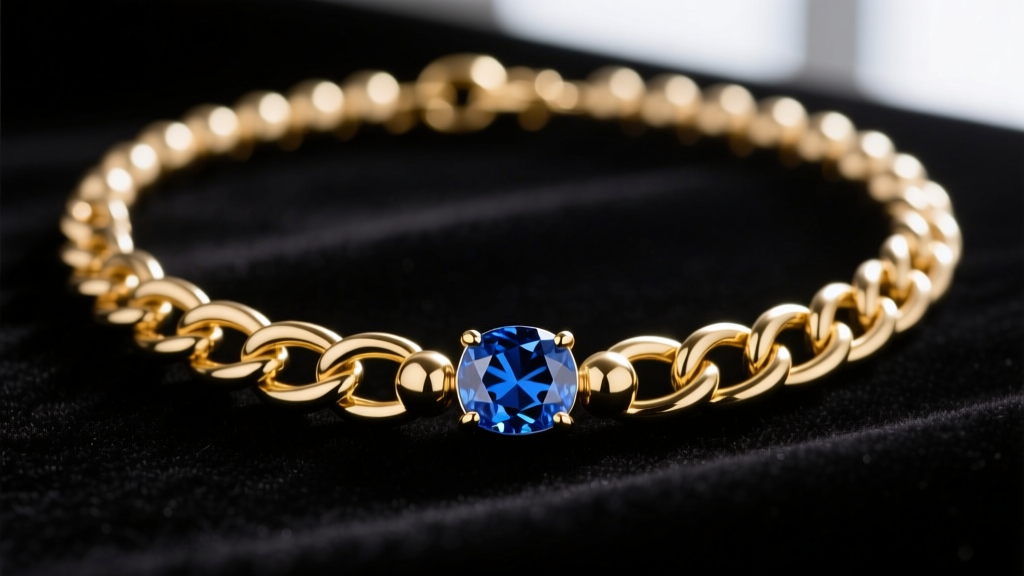
Introduction: Beyond the Surface of the Chain and Bead Necklace
While often categorized as a staple of minimalist jewelry, the chain and bead necklace is a complex exercise in metallurgical engineering and mechanical design. To the untrained eye, it is simply a sequence of metal loops interspersed with gemstones or metal spheres. However, to a master jeweler or bench technician, it represents a delicate balance of tensile strength, articulation, and material compatibility. When designing or evaluating a high-quality chain and bead necklace, one must look past the aesthetic appeal and scrutinize the link architecture, bead integration techniques, and clasp mechanics. This guide provides a technical deep dive into the structural anatomy of these pieces, offering actionable insights for jewelers, sourcing agents, and discerning collectors.
Link Architecture: Aspect Ratios and Tensile Strength
The foundation of any chain and bead necklace lies in its link geometry. The durability of the chain is dictated by its Aspect Ratio (AR), a critical metric calculated by dividing the Inner Diameter (ID) of the link by the Wire Diameter (WD). For a necklace that incorporates heavy bead stations, an AR between 3.5 and 4.5 is optimal. An AR below 3.0 results in links that bind and stiffen, creating lateral stress points that lead to metal fatigue. Conversely, an AR above 5.0 yields a highly flexible but structurally compromised chain prone to collapsing under dynamic loading.
Soldered vs. Unsoldered Links: The Failure Point Analysis
When sourcing chains for a beaded station necklace, the distinction between soldered and unsoldered links is paramount. According to the Rio Grande Metals Guide, a standard 1.2mm unsoldered sterling silver cable chain will typically suffer catastrophic link separation at approximately 4.5 to 6.0 pounds of tensile force. The failure almost always occurs at the apex of the unsoldered seam. By specifying fully soldered links, the tensile threshold increases exponentially, often exceeding 18 pounds of force before the wire itself yields. For any chain and bead necklace featuring gemstones heavier than 5 carats, soldered links are a non-negotiable requirement.
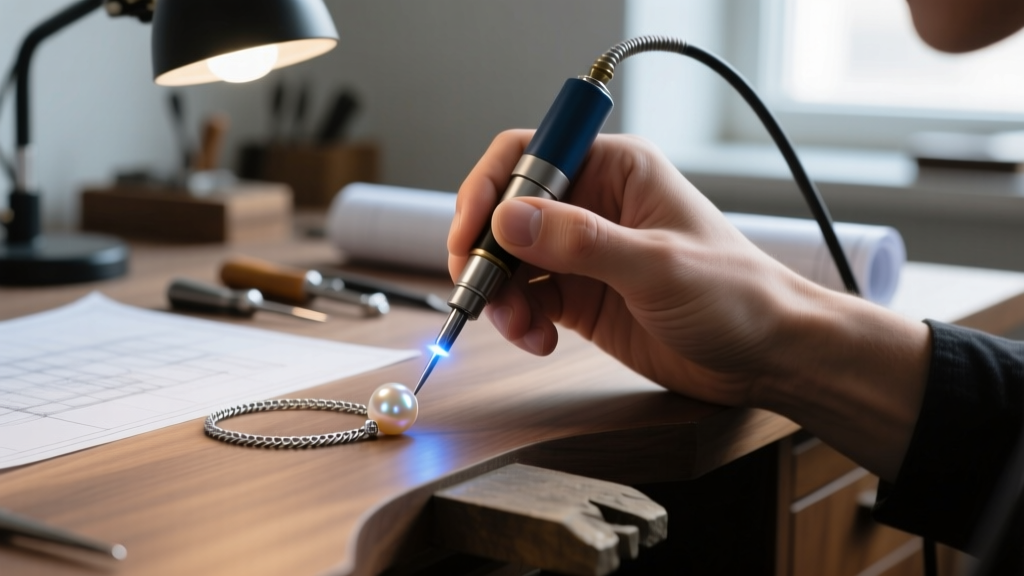
Bead Integration Techniques: Station vs. Continuous
The method by which beads are integrated into the chain dictates both the drape of the necklace and its long-term survivability. There are three primary integration techniques utilized in modern bench work, each with distinct mechanical profiles.
- Micro-Crimping: Utilizing 1.0mm x 1.0mm base metal or sterling silver crimp tubes to secure beads in place. While cost-effective, crimping work-hardens the wire at the compression point, creating a localized brittle zone that is susceptible to snapping under repetitive bending stress.
- Wire Wrapping (Dead-Soft): Employing 26-gauge or 28-gauge dead-soft wire to wrap the bead bail directly to the chain link. This method preserves the annealed state of the main chain but introduces a secondary metal that can cause galvanic corrosion if the alloy compositions do not match perfectly.
- Laser Welding: The 2026 industry standard for luxury station necklaces. A Nd:YAG laser welder fuses the bead’s integrated bail directly to the chain link at 40-60 joules. This creates a monolithic metallic bond without transferring ambient heat, protecting temperature-sensitive gems like opals or emeralds from thermal shock.
Material Science: Alloys, Hardness, and Corrosion Resistance
Selecting the correct alloy for a chain and bead necklace requires balancing malleability for fabrication against hardness for wear resistance. The Vickers Hardness (HV) scale is the most reliable metric for evaluating jewelry metals. Below is a comparative analysis of the most prevalent alloys used in chain manufacturing.
| Metal Alloy | Vickers Hardness (HV) | Yield Strength (MPa) | Primary Vulnerability |
|---|---|---|---|
| 925 Sterling Silver | 65 - 75 | ~120 MPa | Sulfide tarnishing; low scratch resistance |
| Argentium® Silver | 80 - 95 | ~150 MPa | Requires specific solder grades; higher cost |
| 316L Surgical Steel | 150 - 200 | ~290 MPa | Difficult to resize; requires specialized laser welding |
| Grade 5 Titanium (Ti-6Al-4V) | 330 - 350 | ~880 MPa | Extremely difficult to cut in emergencies; high spring-back |
As detailed in the Halstead Jewelry Chain Guide, the introduction of germanium in Argentium silver not only raises the Vickers hardness but also forms a transparent germanium dioxide layer that drastically inhibits tarnish. For a chain and bead necklace intended for daily wear without frequent polishing, Argentium or rhodium-plated 925 silver (with a plating thickness of 0.2 to 0.3 microns) is highly recommended.
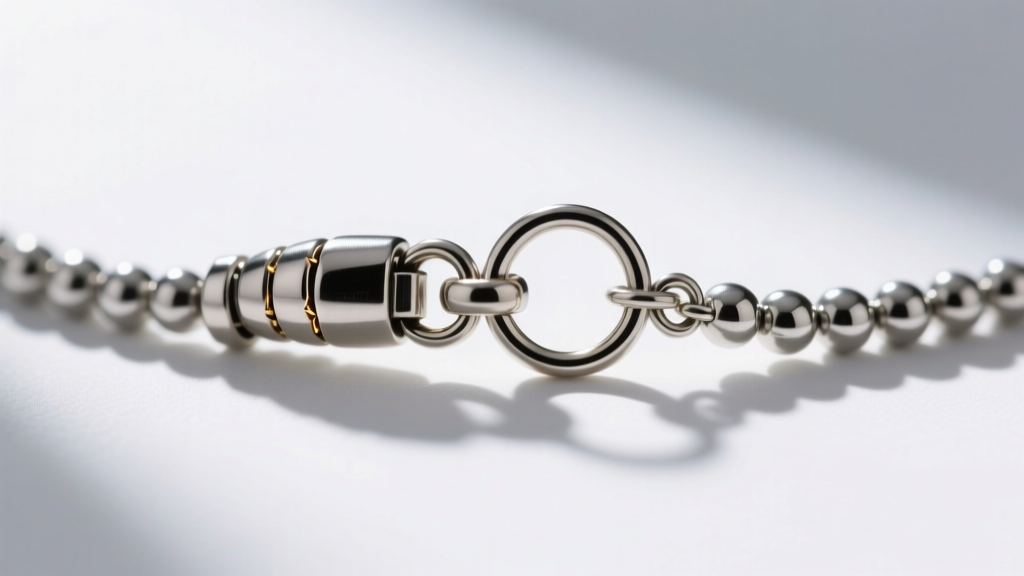
Clasp Mechanics and Jump Ring Sizing
The terminal ends of a chain and bead necklace are subjected to the highest concentrations of shear stress. The clasp assembly must be engineered to handle dynamic loading—the sudden spikes in tension caused by the wearer moving, catching the necklace, or the pendulum effect of heavy bead stations.
Spring ring clasps are generally inadequate for necklaces exceeding 15 grams. Instead, a forged lobster clasp with a machined internal spring mechanism is required. Furthermore, the jump ring connecting the chain to the clasp must be meticulously sized. The inner diameter of the jump ring must be at least three times the wire thickness of the chain to allow for full articulation. If the jump ring is too tight, the chain link will bind against the clasp, leading to accelerated abrasive wear and eventual failure. All jump rings on high-end pieces must be laser or torch soldered shut to prevent the clasp from slipping through the seam under lateral load.
Expert Bench Tip: When polishing a finished chain and bead necklace, never use a high-speed muslin buffing wheel with rouge compound directly on the chain links. The wheel can catch the links, stretching and work-hardening them unevenly. Instead, use a low-speed magnetic tumbler with stainless steel shot and a mild detergent solution to burnish the chain without altering its structural geometry.
Sourcing and Pricing Tiers for the Modern Market
Understanding the manufacturing origin of the chain is critical for quality control. Mass-produced, machine-stamped chains from overseas bulk suppliers often feature inconsistent wire gauges, fluctuating between 1.1mm and 1.3mm within the same spool, leading to unpredictable weak points. Premium chains, sourced from specialized mills in Italy or Germany, maintain a strict tolerance of ±0.02mm. When pricing a bespoke chain and bead necklace, allocate at least 30% of the total materials budget to the chain and clasp hardware. Skimping on the chain architecture to afford a larger center bead is a fundamental design flaw that inevitably results in warranty claims and structural failures on the bench.


