The Ultimate Guide to Standard Necklace Chain Length
Discover the standard necklace chain length for every neckline and body type. Learn how to measure, choose gauges, and style pendants perfectly.

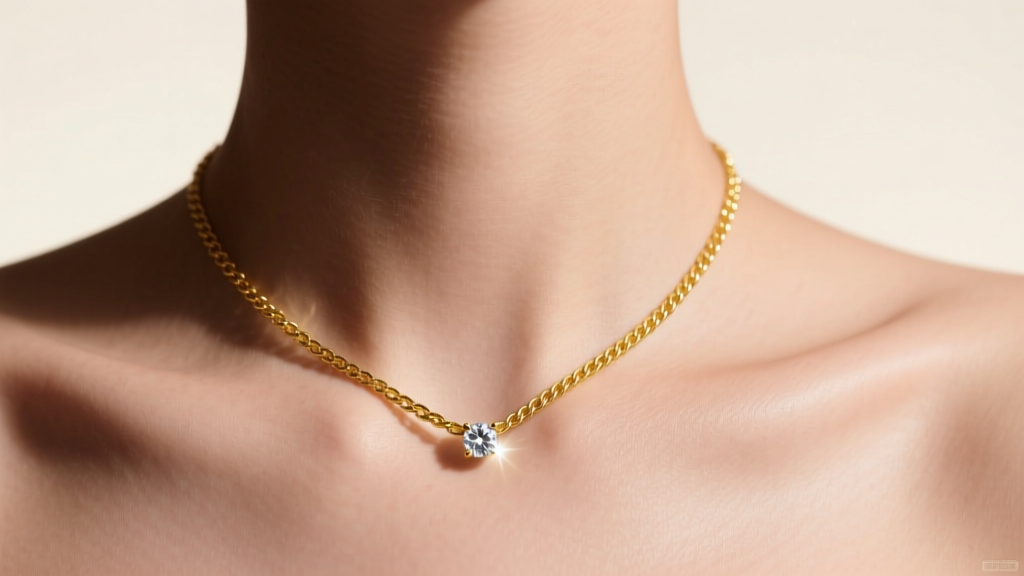
Choosing the right jewelry is about more than just selecting a beautiful metal or a sparkling gemstone; it is fundamentally about proportion and placement. For beginners navigating the vast world of necklaces, understanding the standard necklace chain length is the single most important factor in ensuring a piece flatters your neckline, accommodates your wardrobe, and physically supports the weight of your chosen pendants. A chain that is too short can feel restrictive and visually widen the neck, while one that is too long may get lost in your clothing or fail to highlight a pendant properly.
In this comprehensive explainer, we will break down the exact measurements, gauge requirements, and styling frameworks you need to master necklace sizing. Whether you are buying a delicate gold chain for everyday wear or a heavy sterling silver rope chain for a statement pendant, this guide will eliminate the guesswork.
The Anatomy of a Necklace Fit
Before diving into specific numbers, it is crucial to understand how jewelers and stylists talk about necklace fit. The "drop" refers to the distance from the base of your neck (the nape) down to the lowest point of the chain. However, the actual chain length is measured as the total circumference when the clasp is closed.
According to styling guidelines endorsed by the Jewelers of America, a chain's visual impact changes drastically with every two-inch increment. A 16-inch chain sits entirely differently on a person with a 13-inch neck circumference compared to someone with a 15-inch neck circumference. Therefore, treating standard lengths as absolute rules rather than baseline starting points is a common beginner error.
Standard Necklace Chain Length Chart
The jewelry industry relies on a standardized grading system for chain lengths, primarily tailored to female anatomy, though the principles apply universally. Below is the definitive chart for women's standard lengths. (Note: Men's standard lengths typically begin at 18 inches and extend to 24 or 30 inches).
| Length (Inches) | Industry Name | Visual Placement | Best Use Case |
|---|---|---|---|
| 14" | Collar | Tightly wraps the mid-neck | Open-neck outfits, evening wear |
| 16" | Choker | Base of the neck | Crew necks, casual daywear |
| 18" | Princess | Rests on the collarbone | Most versatile, standard pendants |
| 20" | Matinee | Just below the collarbone | Business attire, high necklines |
| 22" | Matinee | Upper chest / neckline | Deep V-necks, layering |
| 24" | Opera | Sternum / lower chest | High necklines, long pendants |
How to Measure Your Neck for the Perfect Drop
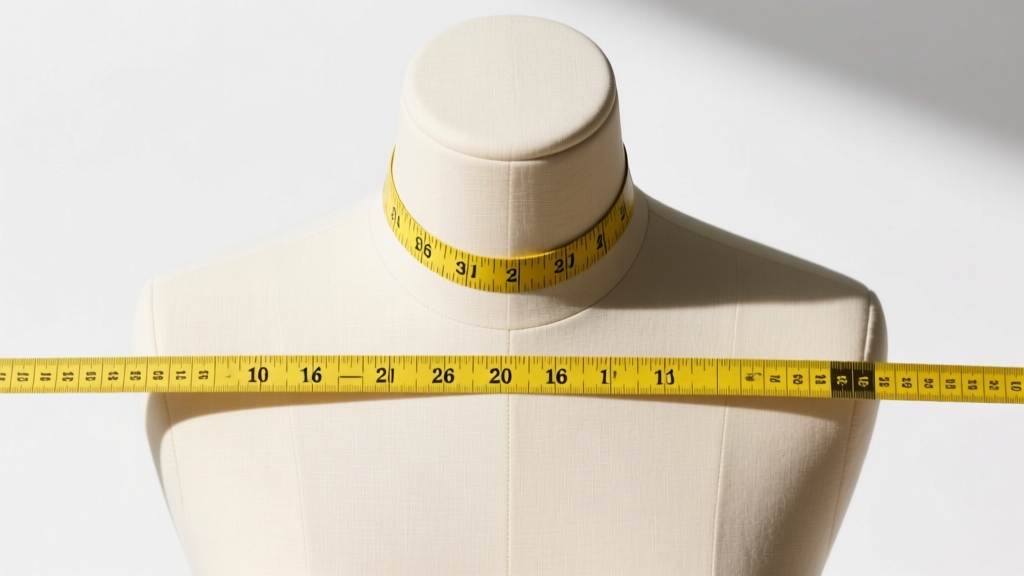
To find your ideal standard necklace chain length, you must measure your own anatomy rather than relying on generic mannequin sizing. Here is the professional method used by custom jewelers:
- Use a flexible tool: Take a soft fabric measuring tape or a piece of non-stretch string.
- Find your baseline: Wrap it around your neck where a standard shirt collar would sit. Note this number (e.g., 14 inches).
- Simulate the drop: Let the tape drape down your chest to your desired resting point (e.g., collarbone). Double the front drop measurement and add it to your baseline neck circumference.
- Account for the clasp: Remember that the clasp and jump rings add about 0.25 to 0.5 inches to the total wearable length.
Adjusting for Pendants and Charms
When adding a pendant, the chain length effectively "shrinks" visually. A heavy pendant will pull the chain downward into a sharper V-shape. If you select an 18-inch chain for a large, 2-inch teardrop pendant, the pendant will sit a full inch lower than a bare chain would. Furthermore, you must consider the bail (the loop connecting the pendant to the chain). A thick 3mm rope chain will not fit through a delicate 2mm bail, forcing you to choose a longer, thinner chain or upgrade the pendant's hardware.
Pairing Chain Lengths with Common Necklines
The interplay between your clothing's neckline and your chain length dictates the overall harmony of your outfit. The Gemological Institute of America (GIA) frequently notes that jewelry should complement, not compete with, garment lines.
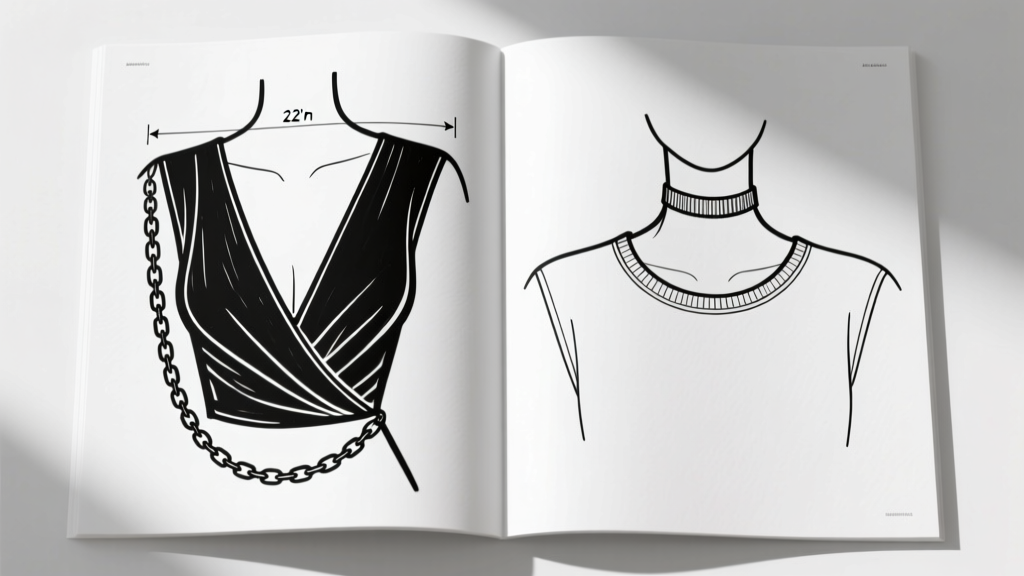
- Crew Neck: A 16-inch choker or a short 14-inch collar sits beautifully above the fabric line. Avoid 18-inch chains, as they will awkwardly graze the collar's edge.
- V-Neck: Follow the geometry of the shirt. A 20-inch or 22-inch chain with a pendant that rests exactly one inch above the vertex of the V-neck elongates the torso.
- Scoop Neck: The 18-inch Princess length is the undisputed champion here, echoing the curve of the neckline and resting gracefully on exposed skin.
- Button-Down / Collared Shirt: A 20-inch to 24-inch chain worn under the collar and tucked against the skin provides a sophisticated, subtle flash of metal.
Material and Gauge: Why Length Dictates Thickness
Beginners often overlook the relationship between chain length, gauge (thickness), and tensile strength. This is where structural integrity comes into play. A chain's gauge is measured in millimeters (mm). As a chain gets longer, its overall weight increases, and the stress on the individual links—particularly near the clasp—multiplies.
Here is a structural framework for matching length to gauge:
- 14" to 16" (Short): Can support delicate gauges from 0.7mm to 1.0mm. Because the span is short, the lateral stress on the links is minimal, even with a small pendant.
- 18" to 20" (Medium): The sweet spot for versatility. Opt for a gauge between 1.2mm and 1.8mm. This thickness supports standard gemstone pendants (up to 3 carats) without the chain stretching over time.
- 22" to 24" (Long): Long chains act as pendulums, swinging and catching on clothing. You must increase the gauge to 2.0mm to 3.5mm to prevent the metal from fatiguing and snapping at the jump ring.
Additionally, as chain length and gauge increase, you must upgrade the clasp. A standard 5mm spring-ring clasp is entirely insufficient for a 24-inch, 2.5mm sterling silver curb chain. You must transition to a lobster clasp or a box clasp with a safety figure-eight catch to ensure the piece remains secure.
Common Beginner Mistakes to Avoid
Even with the right measurements, a few subtle missteps can ruin the wearing experience. Avoid these common pitfalls:
- Ignoring the Extender Chain: Many mass-market necklaces come with a 2-inch extender chain. While this offers flexibility, the dangling tail of the extender can catch in long hair or look messy on bare skin. If you know your exact size, have a jeweler remove the extender and solder the jump ring shut for a cleaner profile.
- Buying "One Size Fits All": A standard 18-inch chain is marketed as universal, but on a taller individual with a broader neck, it will fit like a restrictive choker. Always verify the exact millimeter length before purchasing online.
- Overlooking Hair Snagging: Intricate chain styles like the herringbone or snake chain are beautiful but notorious for pulling chest and neck hair. If you have a textured hair type or wear your hair down frequently, stick to smooth, rounded styles like the box or wheat chain.
Conclusion
Mastering the standard necklace chain length is a foundational skill in jewelry styling. By understanding how the drop interacts with your unique neck circumference, clothing necklines, and the physical weight of your pendants, you transition from simply wearing jewelry to intentionally styling it. Remember to respect the physics of the metal—match your gauge to your length, choose the appropriate clasp, and your necklaces will not only look impeccable but will last a lifetime.


