Picture in Necklace Costs 2026: Budget & Value Guide
Discover the true cost of a picture in necklace in 2026. Compare projection, laser-engraved, and locket styles to find the best budget and value.

The True Cost of Sentiment: 2026 Market Overview
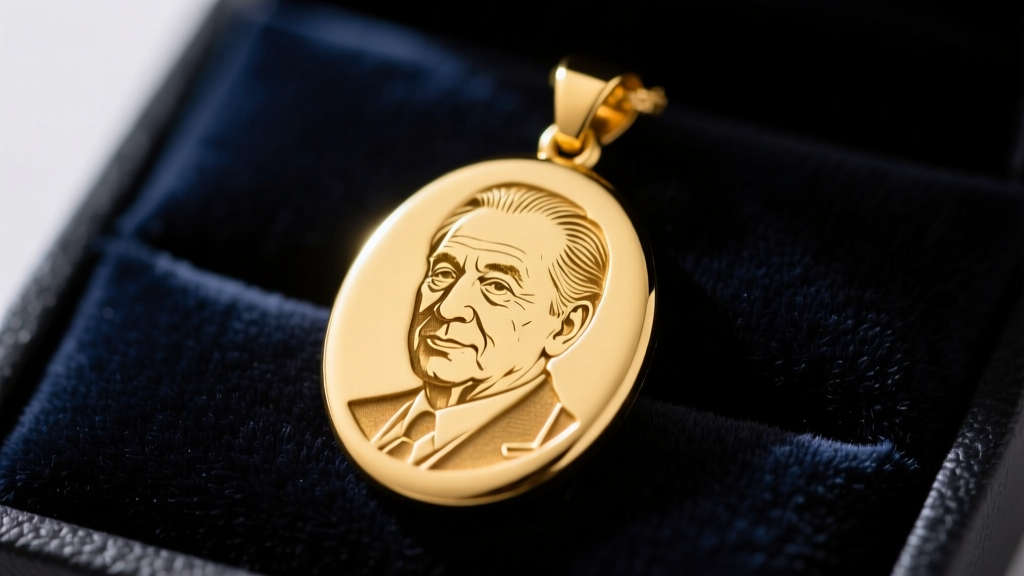
When evaluating the cost of a picture in necklace, buyers are often caught between emotional sentimentality and opaque retail pricing. In 2026, the personalized jewelry market has matured significantly, offering everything from $20 mass-produced brass lockets to $800+ solid gold fiber-laser-engraved heirlooms. The challenge lies in distinguishing between genuine craftsmanship and overpriced novelty items. Whether you are looking for a custom photo locket, a nano-projection pendant, or a laser-etched portrait, understanding the underlying materials and optical technologies is critical to assessing true value.
This comprehensive budget and value assessment breaks down the exact pricing tiers, material grades, and manufacturing techniques that dictate what you should actually pay for a picture in necklace this year. By understanding the difference between superficial plating and solid metallurgy, you can avoid common retail traps and invest in a piece that will last generations.
2026 Pricing Matrix: What Should You Actually Pay?
Before diving into the technical specifications, it is essential to establish a baseline for fair market value. The table below outlines the expected price ranges based on material quality and the specific technology used to embed or project the image.
| Necklace Style | Base Material | Image Technology | Fair 2026 Price Range | Value Rating |
|---|---|---|---|---|
| Budget Projection | Brass / Zinc Alloy | Nano-Optic Resin Dome | $18 - $35 | Low (High failure rate) |
| Mid-Tier Projection | 925 Sterling Silver | Borosilicate Glass Dome | $65 - $120 | High (Excellent value) |
| Standard Laser Engraved | 316L Stainless Steel | CO2 / Basic Fiber Laser | $40 - $75 | Medium (Durable but harsh contrast) |
| Premium Laser Engraved | Solid 14k / 18k Gold | Deep Fiber Laser (1064nm) | $250 - $600+ | Premium (Heirloom grade) |
| Traditional Locket | Gold Vermeil (2.5µm) | Physical Photo Insert | $85 - $150 | High (Classic longevity) |
Technology & Materials: Where the Budget Goes
The method used to place a picture in necklace dictates both the upfront cost and the long-term durability. Let us examine the three primary categories dominating the 2026 market.
Laser-Engraved Pendants (Fiber vs. CO2)
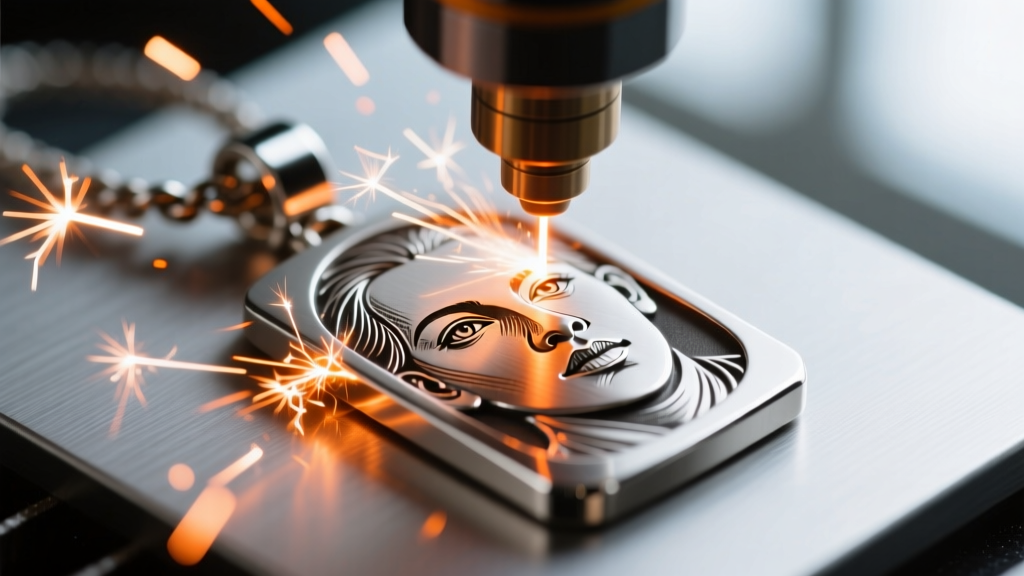
Laser engraving is the most permanent way to wear a photograph. However, not all lasers are created equal. Budget retailers often use CO2 lasers on plated metals, which results in a shallow, low-contrast burn that can easily rub off. Premium jewelers utilize 1064nm fiber lasers, which penetrate the metal matrix to a depth of 0.05mm to 0.2mm. This creates a high-contrast, permanent image by altering the metal's crystalline structure through localized oxidation.
According to the Federal Trade Commission's Jewelry Guides, sellers must accurately represent metal content. If you are paying over $100 for a laser-engraved pendant, ensure it is solid 925 silver or solid gold, not gold-plated brass. Plating thickness matters immensely; a standard 0.5-micron flash plating will be destroyed by the laser's heat, exposing the base metal and leading to rapid tarnishing. For a detailed breakdown of plating standards, refer to the Gemological Institute of America (GIA) guidelines on gold vermeil, which requires a minimum of 2.5 microns of gold over sterling silver to be considered durable.
Projection Necklaces (Nano-Optics)
Projection necklaces hide a microscopic photograph inside a central bead, viewable by shining a light through the back or looking directly into the lens. The value here is entirely dependent on the optical dome material and the base metal.
Budget Tier (Resin Domes): Cheap projection necklaces use nano-optic resin. While initially clear, resin is highly susceptible to UV degradation and body oils. Within 12 to 18 months of daily wear, resin domes typically yellow, cloud, or develop micro-scratches, rendering the picture in necklace entirely unreadable.
Premium Tier (Borosilicate Glass): High-value projection necklaces utilize precision-cut borosilicate glass domes. Glass is impervious to UV yellowing and highly scratch-resistant. When paired with a solid 925 sterling silver or 14k gold housing, a glass-dome projection necklace offers excellent sentimental value and optical clarity, justifying the $80 to $120 price point.
Traditional Lockets and Bezel Inserts
The classic locket remains a staple, but modern manufacturing has introduced new failure modes. Budget lockets rely on adhesive glue to hold the photo insert in place. Over time, humidity and skin acids degrade the adhesive, causing the photo to slide or fall out. Furthermore, cheap hinges on brass lockets frequently snap under the tension of daily opening and closing.
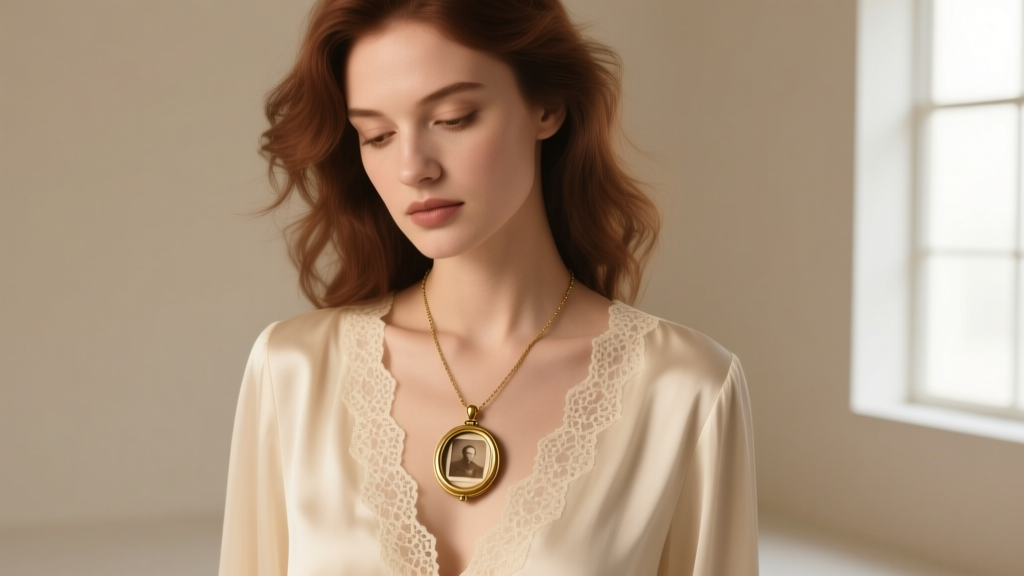
For maximum value, seek out lockets featuring friction-fit bezels or screw-down backs. These mechanical closures require no glue and allow you to swap photos safely. A solid brass locket with a heavy 2.5-micron gold vermeil finish and a mechanical bezel insert represents the sweet spot for budget-conscious buyers wanting a traditional picture in necklace, typically costing between $85 and $150.
Red Flags: Spotting Overpriced Custom Jewelry
The personalized jewelry sector is rife with inflated margins. Protect your budget by watching out for these common retail traps:
- The 'Stainless Steel' Markup: 316L stainless steel is an excellent, hypoallergenic, and durable material. However, it is incredibly cheap to source. Retailers charging over $120 for a stainless steel laser-engraved pendant are marking up the metal cost by over 1,000%. Fair market value for custom steel pendants caps around $65.
- Vague 'Gold' Terminology: If a product description says 'Gold Tone' or 'Gold Dipped' rather than specifying '14k Solid' or 'Vermeil (2.5µm)', you are buying base metal with a microscopic wash of color. Lasers will burn right through this, ruining the piece.
- Proprietary Photo Inserts: Some brands design lockets that only accept their expensive, proprietary-sized photo inserts, forcing you into a recurring subscription or high-cost replacement model. Always measure the inner bezel diameter (usually 20mm or 25mm) to ensure you can print replacements at any local pharmacy.
Longevity and Failure Modes
Even the most expensive picture in necklace will fail if not properly maintained. Moisture is the primary enemy of both physical lockets and projection beads. In lockets, trapped moisture behind the glass or plastic insert will cause the photographic paper to warp, mold, or stick to the transparent cover, tearing the image when opened.
To mitigate this, always apply a tiny dab of clear, jewelry-safe silicone sealant around the outer rim of a physical photo insert before pressing it into the locket bezel. For projection necklaces, avoid wearing them in the shower; while the metal may survive, hard water minerals will bake onto the optical glass dome, creating a permanent cloudy film that obscures the hidden image.
Final Verdict: Maximizing Your Budget
Ultimately, the value of a picture in necklace is measured by its ability to preserve a memory without degrading over time. If your budget is strictly under $50, opt for a 316L stainless steel laser-engraved pendant; it lacks the prestige of precious metals but offers unmatched physical durability and resistance to tarnish. If your budget allows for $100 to $250, a 925 sterling silver projection necklace with a borosilicate glass dome or a heavy gold vermeil locket with a mechanical bezel provides the best intersection of heirloom aesthetics, optical clarity, and long-term material integrity. By prioritizing mechanical closures, solid optical materials, and verifiable metal thicknesses, you ensure that your sentimental investment remains as vivid as the memory it holds.


