Papal Cross Necklace Guide: Meanings, Metals & Styling
Discover everything about the papal cross necklace. Learn its history, metal grades, chain pairings, and how to style this profound piece of jewelry.

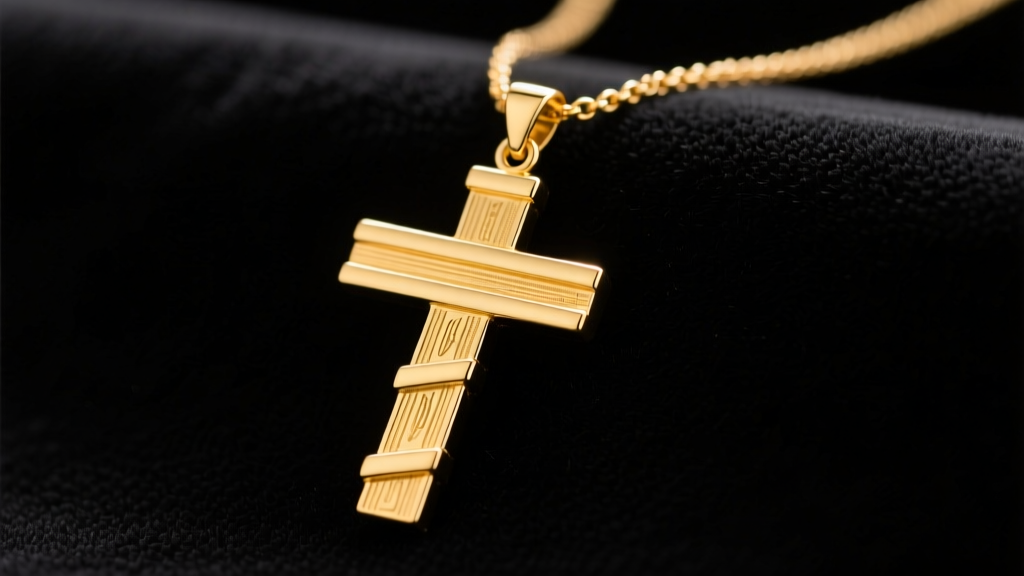
When exploring religious jewelry, few pieces carry the historical weight and visual prominence of the papal cross necklace. Whether you are purchasing your first piece of faith-based jewelry or looking to upgrade a childhood heirloom, understanding the nuances of this specific design is crucial. In this beginner-friendly guide, we will break down the anatomy of the papal cross, the metallurgical realities of modern jewelry crafting in 2026, and the exact chain specifications required to support these meaningful pendants safely.
What Exactly is a Papal Cross? (Anatomy & History)
Before making a purchase, it is vital to understand what you are actually looking at. In the retail jewelry market, the term "papal cross" is frequently used to describe two distinctly different designs. Knowing the difference will help you communicate effectively with jewelers and ensure you get the exact symbol you desire.
The True Papal Cross (The Ferula)
Historically and ecclesiastically, the true Papal Cross—often seen atop the Pope's pastoral staff (the ferula)—features three horizontal crossbars graduated in length. The top bar is the shortest, the middle is slightly longer, and the bottom is the longest. According to Britannica's historical archives, these three bars traditionally symbolize the Pope's triple authority as the Father of Princes and Kings, Rector of the World, and Vicar of Christ. In jewelry, this three-barred design is striking, geometric, and deeply rooted in Vatican tradition.
The Detailed Crucifix
Conversely, many commercial jewelers use the phrase "papal cross necklace" as a marketing term for a highly detailed, traditional Catholic crucifix (a cross featuring the corpus, or body, of Christ). These pieces often feature intricate oxidation to highlight the musculature and facial details of the figure. As of 2026, advancements in laser-engraving and 3D wax printing have made these micro-detailed crucifixes more accessible and sharply defined than ever before.
Expert Tip: If you are searching for the three-barred design, use the specific term "three-bar papal cross pendant" or "ferula cross" when querying custom jewelers to avoid receiving a standard crucifix.
Material Grades: Choosing the Right Metal
The longevity, weight, and skin-compatibility of your necklace depend entirely on the metal grade. Religious pendants are often worn daily, meaning they are exposed to sweat, friction, and environmental pollutants. Here is a breakdown of the most common metals used for papal cross necklaces, guided by the FTC Jewelry Guides for precious metal purity.
| Metal Type | Purity / Grade | Pros | Cons | Approx. Price Range |
|---|---|---|---|---|
| 925 Sterling Silver | 92.5% Silver, 7.5% Copper | Affordable, bright luster, traditional look. | Prone to tarnish, requires polishing. | $40 - $150 |
| 14k Yellow Gold | 58.5% Pure Gold | Excellent durability, rich color, holds value. | Higher upfront cost, can scratch. | $350 - $900+ |
| 18k Gold Vermeil | Thick gold plate over 925 silver | Luxurious look at a fraction of solid gold cost. | Plating will eventually wear off with daily friction. | $80 - $200 |
| 316L Stainless Steel | Surgical Grade Steel | Hypoallergenic, virtually indestructible, no tarnish. | Heavy, cannot be easily resized or soldered by traditional jewelers. | $20 - $60 |
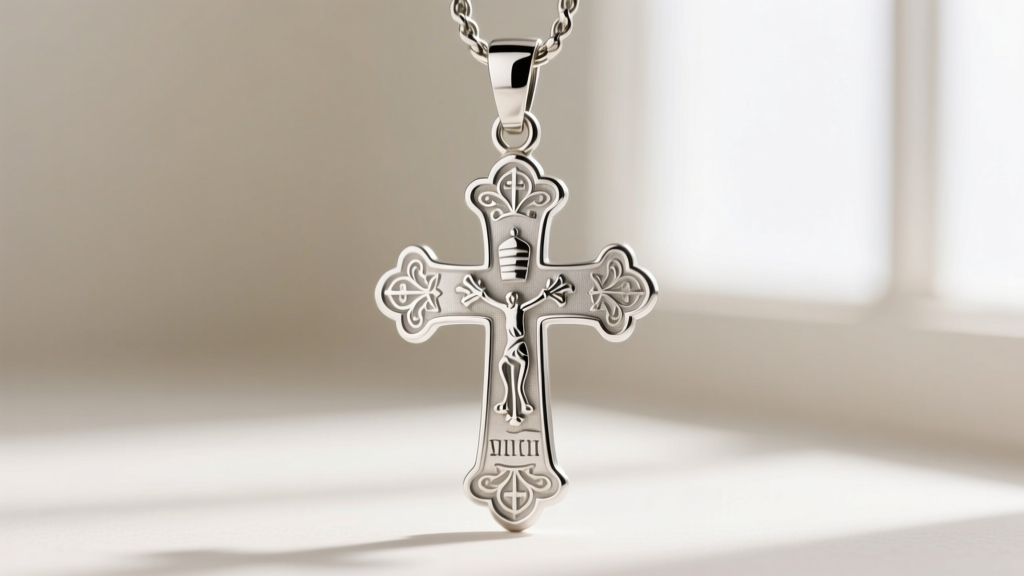
For a piece you intend to wear in the shower and while sleeping, 14k solid gold or 316L stainless steel are your most pragmatic choices. If you opt for sterling silver, look for pieces that have been rhodium-plated; this microscopic layer of platinum-group metal acts as a barrier against the sulfur in the air that causes silver to turn black.
Chain Pairings: Matching the Bail and Link
A common beginner mistake is pairing a heavy, solid-metal papal cross with a delicate, inappropriate chain. The "bail" (the loop at the top of the pendant that the chain threads through) dictates your chain width, while the pendant's weight dictates the chain's structural style.
Recommended Chain Styles and Gauges
Papal crosses, especially those cast in solid silver or gold, possess a high center of gravity. They require chains that resist kinking and snapping under dynamic load (the swinging motion that occurs when you walk).
- Curb Chains (2.0mm - 3.5mm): The interlocking, flat-lying links of a curb chain provide exceptional tensile strength. A 2.5mm solid curb chain is the gold standard for medium-to-large crucifixes.
- Rope Chains (2.0mm - 3.0mm): Rope chains offer a beautiful, light-catching twist that complements the ornate details of a papal cross. However, ensure the rope chain is "solid" or "semi-solid" rather than hollow, as hollow ropes will easily crush if the heavy pendant swings against a hard surface.
- Avoid Snake and Box Chains: While elegant, snake chains are notorious for kinking and snapping when subjected to the pendulum-like weight of a heavy religious pendant. Box chains can pinch chest hair and are prone to structural failure at the solder points under heavy loads.
The Clasp Rule: Never use a standard spring-ring clasp for a papal cross necklace. The internal spring mechanism is a single point of failure. Always ensure your chain is equipped with a lobster claw clasp, preferably one that is soldered shut or features a secure locking mechanism.
Sizing and Proportions for Everyday Wear
The visual impact of a papal cross necklace relies heavily on the proportions between the pendant's height, the chain's length, and the wearer's frame. According to The Catholic Encyclopedia, the cross has always been a deeply personal emblem, and its sizing should reflect your personal comfort and styling intent.
Pendant Dimensions
- Subtle / Minimalist (1.0" to 1.5" height): Best for wearing tucked under a dress shirt or layered with other delicate necklaces. Ideal for a modern, understated aesthetic.
- Standard / Classic (1.75" to 2.25" height): The most versatile size. It rests perfectly on the chest and is easily visible over a crewneck t-shirt but can still be tucked away when necessary.
- Statement / Devotional (2.5" to 3.5"+ height): Heavy, prominent pieces meant to be worn on the outside of clothing. These require thicker chains (3.0mm+) to balance the visual weight.
Chain Length Guidelines
For men, a 22-inch or 24-inch chain is generally recommended for standard and statement papal crosses, allowing the pendant to rest comfortably on the sternum rather than choking the collarbone. For women, an 18-inch to 20-inch chain typically places the pendant at the ideal décolletage level, though 24-inch lengths are increasingly popular in 2026 for oversized, streetwear-inspired layering.

Care and Maintenance of Religious Jewelry
Because papal crosses often feature deep crevices, engraved INRI plaques, or detailed corpus figures, they are magnets for soap scum, dead skin cells, and environmental dust. Improper cleaning can ruin the intentional antiquing (oxidation) that gives the piece its depth.
Do Not Use Ultrasonic Cleaners on Oxidized Pieces: If your sterling silver or gold papal cross features blackened recesses to highlight the details, an ultrasonic cleaner or harsh chemical dip will strip this oxidation away, leaving the piece looking flat and washed out.
The Proper Cleaning Routine: 1. Mix a few drops of mild, phosphate-free dish soap into a bowl of warm water. 2. Use an extra-soft baby toothbrush to gently agitate the crevices of the cross. 3. Rinse thoroughly under lukewarm running water. 4. Pat dry with a lint-free microfiber cloth. Never air-dry, as water spots will form on polished metal surfaces.
Final Thoughts
Choosing a papal cross necklace is a deeply personal decision that bridges faith, history, and personal style. By understanding the distinction between the three-barred ferula and the detailed crucifix, selecting a metal grade that matches your lifestyle, and pairing it with a structurally sound chain like a solid curb or rope, you ensure that your piece will endure for decades. Approach your purchase with an eye for metallurgical quality and proportional balance, and your necklace will serve as both a profound spiritual anchor and a timeless sartorial staple.


