How to Restore a Vintage Long Pearl Necklace: Troubleshooting Guide
Discover expert troubleshooting tips to restore your vintage long pearl necklace. Fix stretched silk, broken clasps, and dull nacre with our guide.

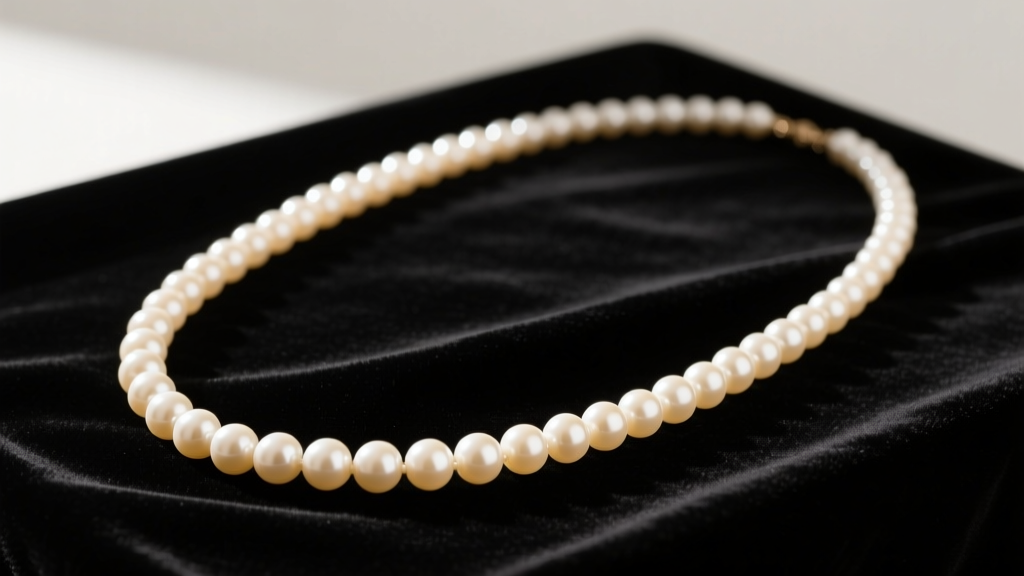
The Anatomy of a Vintage Long Pearl Necklace
There is an undeniable elegance to a vintage long pearl necklace. Whether styled as a 28-inch opera length or a dramatic 45-inch rope, these pieces carry the weight of history and the organic beauty of mid-century craftsmanship. However, pearls are organic gemstones composed of calcium carbonate and conchiolin, making them inherently vulnerable to time, body chemistry, and environmental stress. When you acquire or inherit a vintage piece, you are rarely just buying jewelry; you are adopting a conservation project.
Troubleshooting a vintage long pearl necklace requires a methodical approach. Unlike solid gold or platinum chains, a pearl strand is only as strong as its weakest knot. In this comprehensive guide, we will diagnose the most common structural and aesthetic failures found in vintage pearl ropes and provide actionable, professional-grade solutions to restore them to their former glory.
Problem 1: Stretched Silk and the 'Gap' Effect
The most frequent issue plaguing vintage long pearl necklaces is thread fatigue. Historically, jewelers used 100% natural silk thread to knot pearls. Over decades, silk absorbs ambient moisture, skin oils, and cosmetics. This causes the protein fibers to degrade, stretch, and eventually become brittle. If you lay your necklace flat and notice visible gaps of thread between the pearls, or if the strand kinks rather than draping fluidly, the structural integrity is critically compromised.
Diagnosing Thread Fatigue
Gently pull the pearls apart near the center of the strand (which bears the most gravitational stress). If you see more than 1mm of exposed thread, the necklace is at high risk of snapping. A 36-inch vintage rope can easily weigh over 40 grams; a sudden break will result in catastrophic loss of pearls.
The French Wire and Knotting Solution
Restringing is not optional—it is mandatory for wearable vintage pieces. When commissioning a restring or doing it yourself, adhere to these specifications:
- Thread Selection: Use high-grade natural silk (such as Griffin or Beaders Secret). For 6.0mm–6.5mm vintage Akoya pearls, use Size #2 or #3 silk. For 7.0mm–8.0mm pearls, step up to Size #4 or #5 to ensure the knot is larger than the pearl's drill hole.
- French Wire (Bullion): The final three pearls before the clasp must be protected by French wire—a delicate, coiled metal spring (usually fine sterling silver or gold-filled). This prevents the silk from fraying against the metal clasp ring, a common failure point in vintage pieces.
- Knot Tightness: Knots must be seated flush against the pearl using a knotting awl. Loose knots cause friction, which can widen the pearl's drill hole over time.
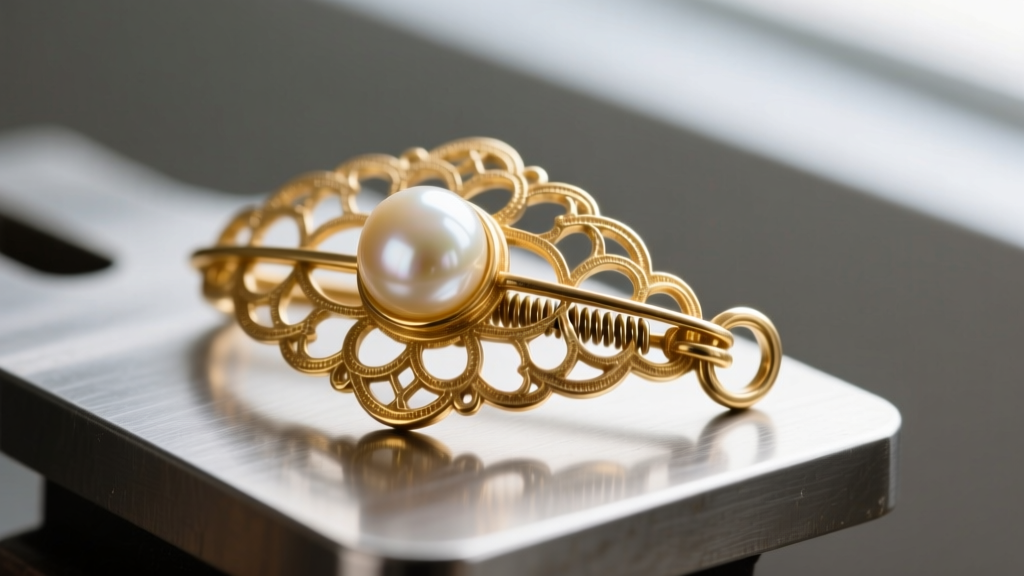
Problem 2: Clasp Failure and Metal Fatigue
Vintage long pearl necklaces typically feature specialized 'pearl safety clasps' or 'fishhook clasps,' often crafted in 14k or 18k gold with intricate filigree detailing. While beautiful, these mechanisms are notorious for failing after 50+ years of use.
Why Vintage Pearl Clasps Fail
The internal mechanism relies on a tiny, tempered steel spring that pushes the hook outward to lock into the clasp housing. There are two primary failure modes:
- Spring Fatigue and Rust: Because the internal spring is usually carbon steel (not stainless), exposure to humidity and skin acids causes micro-rusting, eventually snapping the spring.
- Heat Damage from Prior Repairs: If a previous jeweler attempted to solder a broken jump ring without properly removing the internal spring, the heat will have drawn the temper from the steel, rendering it soft and useless.
Clasp Troubleshooting Matrix
| Clasp Symptom | Likely Cause | Professional Solution |
|---|---|---|
| Hook won't stay locked | Loss of spring tension | Replace internal spring or retrofit with a modern magnetic safety clasp |
| Push-pull mechanism stuck | Debris/cosmetic buildup | Ultrasonic clean (clasp ONLY, never the pearls) and re-lubricate |
| Filigree bent or cracked | Physical impact / soft gold | Laser weld the crack; avoid torch soldering near the pearl |
According to the Gemological Institute of America (GIA), extreme caution must be exercised when repairing pearl jewelry, as the heat required for traditional gold soldering will instantly scorch and destroy adjacent pearls. Always insist on laser welding for clasp repairs on vintage strands.
Problem 3: Nacre Degradation and Yellowing
Pearls are born in water and thrive in mild humidity. When stored in airtight plastic bags or safety deposit boxes for decades, the conchiolin (the organic 'glue' holding the calcium carbonate platelets together) dries out. This leads to two major aesthetic problems: yellowing and micro-crazing (a network of fine surface cracks).

Safe Cleaning vs. Irreversible Damage
If your vintage long pearl necklace looks dull or yellowed, your first instinct might be to polish it. Stop immediately. Nacre on vintage mid-century Akoya pearls is exceptionally thick (often 0.8mm to 1.2mm, compared to 0.2mm on modern mass-produced pearls), but it is still vulnerable to abrasion.
- Never use ultrasonic cleaners: The 40kHz vibrations will shatter the crystalline structure of dried nacre and cause the pearls to literally peel.
- Never use ammonia or bleach: These chemicals will dissolve the calcium carbonate, leaving you with chalky, ruined beads.
- The Rehydration Method: To safely restore luster, wipe the strand with a lint-free microfiber cloth slightly dampened with distilled water. Wear the necklace against your skin; the natural, mild oils from your body are the best long-term conditioner for organic pearls.
Authenticity Check: Real vs. Faux Vintage Pearls
Before investing in a costly restring, verify what you are actually holding. The mid-20th century saw a massive boom in high-quality faux pearls, most notably Majorica pearls, which feature a glass core coated in a guanine crystalline essence derived from fish scales.
According to GIA's pearl identification guidelines, the most reliable non-destructive field test is the 'tooth test'. Gently rub the pearl against the biting edge of your front tooth. A genuine cultured or natural pearl will feel distinctly gritty or sandy due to the overlapping aragonite platelets. A vintage glass or plastic faux pearl will glide perfectly smooth. Additionally, examine the drill holes under a 10x jeweler's loupe; real pearls will show sharp, clean edges, while coated faux pearls often reveal peeling coating or rounded, melted glass edges at the drill site.
When to Call a Professional Jeweler
While minor surface cleaning can be done at home, structural troubleshooting of a vintage long pearl necklace requires specialized tools. If your strand exhibits stretched knots, a compromised clasp spring, or active nacre peeling, it is time to consult a master stringer or a certified gemologist. Preserving a vintage pearl rope is not just about maintaining its monetary value; it is about honoring the organic artistry of the past, ensuring it survives to be draped over the next generation.


