Sage Necklace Materials: Enamel, Gemstone & Glass Compared
Compare sage necklace materials like prehnite, chrysoprase, botanical resin, and enamel. Discover durability, pricing, and care tips for 2026.

Defining the Sage Aesthetic in Modern Jewelry
In 2026, the jewelry industry continues its deep pivot toward biophilic design, with the "sage" color palette leading the charge. A sage necklace is no longer just a seasonal trend; it is a staple of grounding, earthy aesthetics. However, "sage" in jewelry does not refer to a single material. It encompasses a spectrum of natural gemstones, botanical resin inclusions, vitreous enamels, and artisan glass. Understanding the material properties, Mohs hardness, and specific failure modes of each option is critical for both collectors and everyday wearers. This guide breaks down the exact material science behind the sage necklace trend, helping you choose the right piece based on durability, refractive index, and price.
Natural Gemstones: Prehnite, Chrysoprase, and Serpentine
When gemologists refer to sage green stones, they are typically categorizing three distinct minerals, each with vastly different chemical compositions and wearability metrics. According to the GIA Gem Encyclopedia, the optical and physical properties of these stones dictate how they must be cut and set.
Prehnite: The Translucent Standard
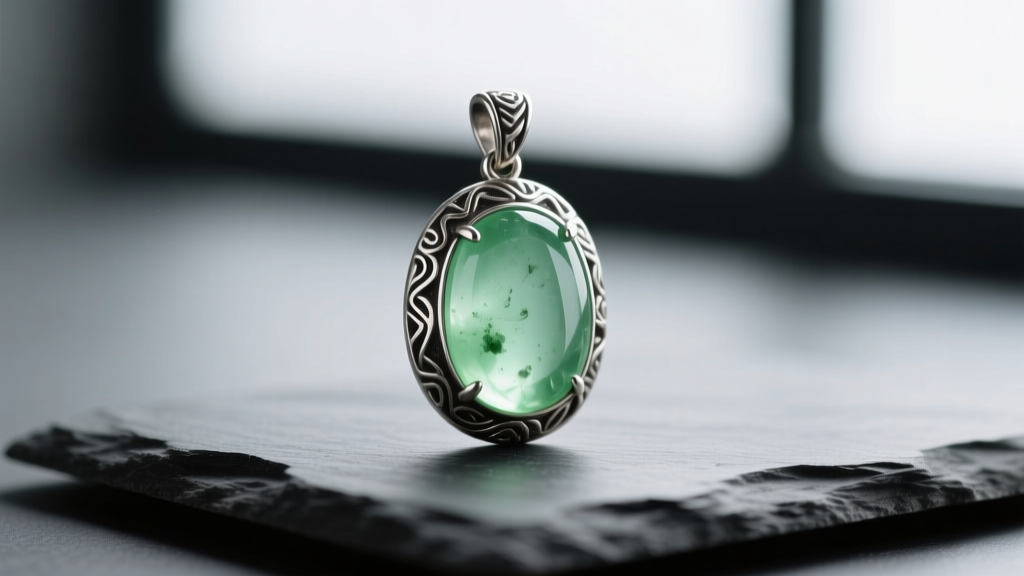
Prehnite (calcium aluminum silicate) is the most popular choice for a translucent sage necklace. It boasts a Mohs hardness of 6 to 6.5 and a specific gravity of 2.80-2.95. High-quality prehnite exhibits a botryoidal (grape-like) crystal habit, resulting in a milky, luminous sage green cabochon. Its primary failure mode is cleavage; while it doesn't scratch easily in daily wear, a hard impact against a granite countertop can cause internal fracturing. Expect to pay between $15 and $40 per carat for gem-grade prehnite.
Chrysoprase: The Opaque Powerhouse
Chrysoprase derives its vivid, opaque sage-to-apple green color from nickel silicate inclusions. With a Mohs hardness of 6.5 to 7, it is highly durable for pendants. However, chrysoprase has a notorious failure mode: dehydration. If left in direct sunlight or hot environments (like a car dashboard), the stone can lose its moisture and fade to a dull gray-green. To maintain its color, chrysoprase requires occasional "rehydration" by storing it with a damp cloth in a sealed bag. Premium Australian chrysoprase commands $50 to $150+ per carat.
Serpentine: The Soft Carving Stone
Often sold as "new jade," serpentine is a magnesium silicate with a Mohs hardness of just 2.5 to 5.5. While it offers a beautiful, mottled sage green appearance, it is highly susceptible to scratching from everyday dust (which contains quartz, Mohs 7). Serpentine sage necklaces should be reserved for occasional wear and stored in individual microfiber pouches.
Botanical Resin Inclusions: Preserving the Herb
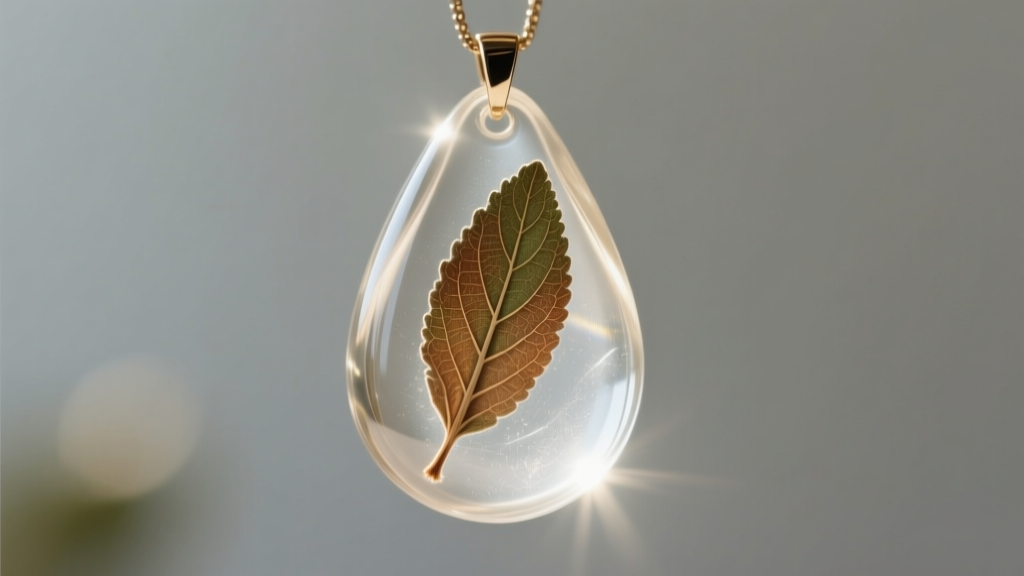
For those seeking a literal interpretation of a sage necklace, botanical resin pendants encasing actual dried sage leaves offer a deeply personal, organic aesthetic. However, the material science of resin jewelry requires careful scrutiny to avoid premature degradation.
Epoxy vs. UV Resin
Artisans primarily use two types of resin. Two-part epoxy resin offers superior depth and lower exothermic heat during curing, preventing the delicate sage leaf from scorching or turning brown. UV resin cures in minutes under ultraviolet light but can trap micro-bubbles and generate intense heat spikes that damage botanical inclusions.
The Yellowing Problem and HALS Additives
The most common complaint with resin jewelry is UV degradation, manifesting as an ugly yellow tint that muddies the sage green color. In 2026, premium botanical jewelers use resins formulated with HALS (Hindered Amine Light Stabilizers) and UV absorbers (like Benzotriazoles). When purchasing a botanical sage necklace, always ask the artisan if their resin includes HALS. Without it, the piece will noticeably yellow within 12 to 18 months of daily sun exposure. Pricing for high-quality, stabilized botanical resin pendants generally ranges from $60 to $120, reflecting the labor-intensive layering process required to suspend the leaf perfectly in 3D space.
Enamel and Glass: Mastering the Opaque and Translucent
When natural stones or resins fall short, master jewelers turn to silica-based materials to achieve the perfect sage hue. The Mindat mineral database notes that silica's glass-forming properties allow for infinite color manipulation through metallic oxide additives.
Vitreous vs. Cold Enamel
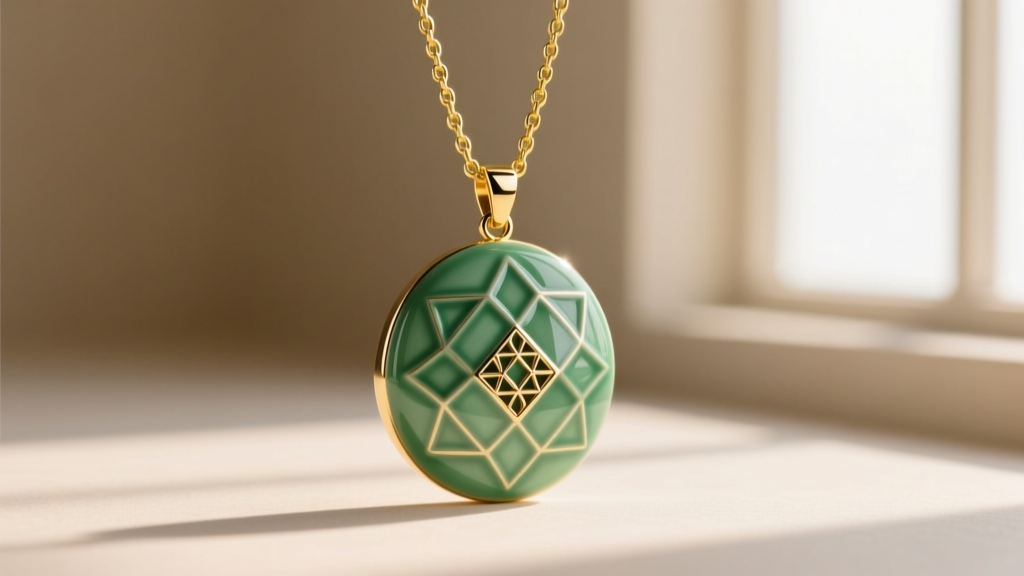
Vitreous enamel is created by fusing powdered glass to a metal substrate (usually copper, silver, or gold) at temperatures exceeding 1400°F. The resulting sage green surface is essentially glass: it will never fade, scratch, or yellow. However, it is brittle. A dropped vitreous enamel pendant will shatter or craze. Cold enamel, conversely, is a two-part epoxy resin tinted with pigments. While it won't shatter upon impact, it has a Mohs hardness of only 2-3, meaning it will accumulate micro-scratches over time, dulling the sage finish. Vitreous enamel pieces are significantly more expensive, starting around $250 for artisan guilloché work, whereas cold enamel pieces hover around $80.
Artisan Lampwork Glass
Lampwork glass beads and pendants, particularly those from Murano, Italy, utilize copper and chromium oxides to achieve complex, multi-tonal sage greens. Borosilicate glass is preferred over soft soda-lime glass for pendants due to its higher thermal shock resistance and slightly greater structural integrity. A borosilicate sage glass pendant typically costs between $90 and $200, depending on the complexity of the internal frit and encasement techniques.
Material Comparison Matrix
Use the following data table to compare the physical properties, pricing, and ideal use cases for the most common sage necklace materials.
| Material | Mohs Hardness | Refractive Index / Luster | Primary Failure Mode | Avg. Price Range (Pendant) |
|---|---|---|---|---|
| Prehnite (Natural) | 6.0 - 6.5 | 1.61 - 1.64 (Vitreous) | Internal fracturing from impact | $45 - $120 |
| Chrysoprase (Natural) | 6.5 - 7.0 | 1.54 (Waxy to Vitreous) | Color fading via dehydration | $80 - $250+ |
| Botanical Epoxy Resin | 2.0 - 3.0 | 1.55 - 1.60 (Resinous) | UV yellowing, surface scratching | $60 - $120 |
| Vitreous Enamel | 5.0 - 7.0 | 1.50 - 1.54 (Glassy) | Shattering / Chipping on impact | $250 - $600+ |
| Borosilicate Glass | 6.0 - 7.0 | 1.47 (Vitreous) | Shattering, bail-loop breakage | $90 - $200 |
Chain Metallurgy: What Metal Best Complements Sage?
The visual weight of a sage necklace is heavily dependent on the chain's metallurgy and gauge. Because sage green is a muted, low-saturation color, high-polish metals can sometimes overpower the stone.
- Oxidized Sterling Silver (925): The absolute best pairing for prehnite and botanical resin. The sulfur-induced black patina in the crevices of an oxidized rolo chain (typically 1.5mm to 2.0mm gauge) provides a moody, high-contrast backdrop that makes the pale sage green pop.
- 14k Yellow Gold: Ideal for vitreous enamel and chrysoprase. The warm undertones of yellow gold harmonize with the subtle yellow undertones present in natural sage greens. A delicate 0.9mm cable chain is recommended to maintain an elegant, unobtrusive profile.
- Rose Gold: Generally discouraged for sage jewelry. The red/copper undertones of rose gold clash with the green spectrum, often making the sage pendant look muddy or washed out.
Care and Maintenance by Material
To ensure your sage necklace lasts a lifetime, adhere to these material-specific maintenance protocols:
- For Natural Gemstones: Clean prehnite and chrysoprase only with warm water, a mild dish soap, and a soft baby toothbrush. Never use ultrasonic cleaners, as the high-frequency vibrations will exploit microscopic inclusions and shatter the stone. Store chrysoprase away from heat sources to prevent dehydration.
- For Botanical Resin: Wipe with a dry microfiber cloth. Avoid all chemical solvents, including perfume, hairspray, and alcohol-based hand sanitizers, which will permanently cloud the resin's surface and degrade the HALS UV inhibitors.
- For Vitreous Enamel: Protect from thermal shock. Do not wear enamel pendants in hot tubs or saunas, as the rapid expansion of the metal substrate beneath the glass can cause the enamel to pop off or craze.
By understanding the exact material properties, from the refractive index of prehnite to the UV stabilizers in modern resins, you can confidently select a sage necklace that aligns with your lifestyle, budget, and aesthetic preferences for years to come.


