How to Measure and Style a Chain Collar Necklace Flawlessly
Learn how to measure, fit, and style a chain collar necklace. Our step-by-step guide covers neck sizing, metal grades, and neckline pairing.

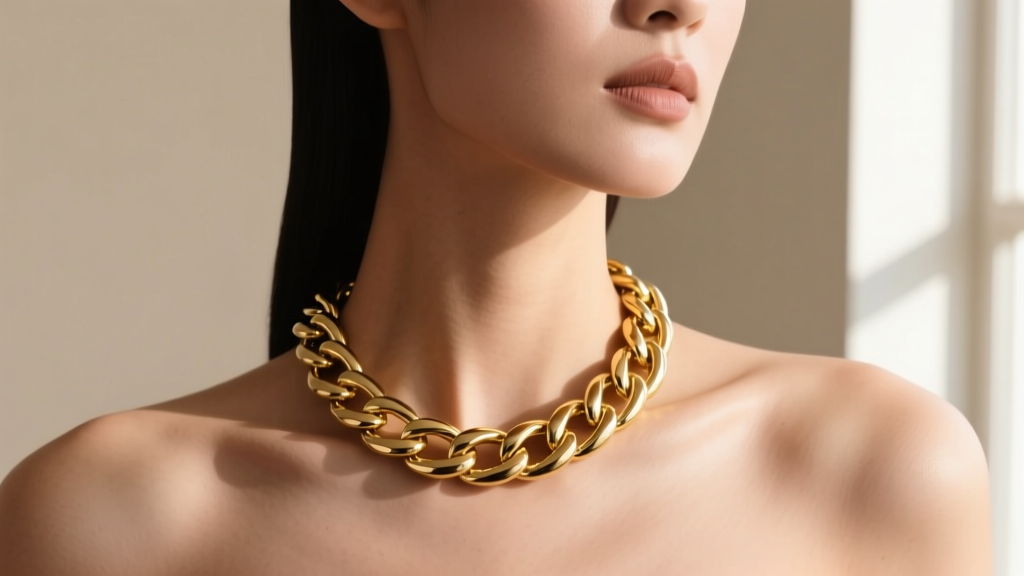
A chain collar necklace is one of the most commanding yet misunderstood pieces in modern jewelry. Unlike a standard choker that rests loosely at 16 inches, a true collar sits snugly at the base of the neck, typically measuring between 14 and 15 inches. As we move through the 2026 jewelry landscape, the structured collar has evolved from a niche avant-garde accessory into a foundational wardrobe staple. However, because it sits directly against the carotid area and clavicle, the margin for error in sizing, hardware selection, and styling is virtually zero. A millimeter too tight causes discomfort; a millimeter too loose ruins the architectural drape.
This comprehensive, step-by-step guide will teach you how to accurately measure your neck, select the appropriate chain gauge and metallurgy, upgrade your hardware for longevity, and pair your collar with specific necklines for maximum visual impact.
The Anatomy of a Perfect Collar Fit
Before picking up a measuring tape, you must understand the anatomy of the collarbone region. The base of the neck is not a perfect cylinder; it is an oval that shifts dynamically when you swallow, speak, or turn your head. According to the Gemological Institute of America (GIA), the weight and purity of the metal also dictate how a chain drapes. A 14k gold Cuban link will sit heavier and pull the skin slightly compared to a hollow-core sterling silver rope chain. Therefore, a perfect fit requires balancing the physical weight of the metal with the natural expansion of your neck throughout the day.
Step 1: How to Measure Your Neck for a Collar
Bypass standard necklace sizing charts. To fit a chain collar necklace correctly, you must take a bespoke measurement. Neck circumference fluctuates based on hydration, sodium intake, and ambient temperature, often swelling up to half an inch by the end of the day.
- Use a Flexible Tailor's Tape: Wrap a soft, non-stretchable measuring tape around the exact point where you want the collar to sit—usually right at the base of the neck, resting on the collarbones.
- Apply the 'Two-Finger' Rule: Slip your index and middle fingers under the tape measure. This ensures you have roughly 0.75 inches of breathing room, preventing the chain from choking you when you look down or swallow.
- Record the Measurement: Note the number. If your neck measures exactly 14 inches with the two-finger gap, your ideal chain collar necklace length is 14 inches. Do not add extra length, or it will drop into choker territory and lose its structured collar silhouette.
Step 2: Selecting the Right Chain Link and Gauge
The visual weight and physical comfort of your collar are dictated by the link style and gauge (thickness). For collars, we generally recommend gauges between 2.0mm and 5.0mm. Anything thinner risks tangling and snapping under collar-level tension; anything thicker than 6mm becomes overly rigid and uncomfortable against the throat.

| Chain Link Style | Ideal Gauge for Collars | Drape & Structure | Average Price Range (14k Gold) |
|---|---|---|---|
| Cuban Link | 3.0mm - 5.0mm | Highly structured, lays flat, bold | $450 - $1,200 |
| Snake Chain | 2.0mm - 4.0mm | Fluid, tubular, seamless, sleek | $180 - $400 |
| Box Chain | 1.5mm - 3.0mm | Geometric, catches light, semi-rigid | $200 - $550 |
| Rope Chain | 2.5mm - 4.0mm | Textured, twisted, traditional drape | $350 - $850 |
Expert Tip: If you are purchasing a sterling silver snake chain, ensure it is solid rather than hollow. Hollow snake chains kink permanently if bent against the collarbone, rendering them unwearable.
Step 3: Clasp Mechanics and Hardware Upgrades
The most common failure point in any necklace is the clasp, but this is especially critical for a chain collar necklace. Because a collar fits tightly, turning your head exerts lateral torque directly on the closure mechanism. Standard spring-ring clasps and lightweight lobster claws will inevitably warp or snap under this specific tension.
Recommended Hardware Upgrades
- Heavy-Duty Lobster Claw: For chains under 4mm, upgrade to a cast (not stamped) lobster claw clasp. Ensure the jump ring connecting it to the chain is soldered shut.
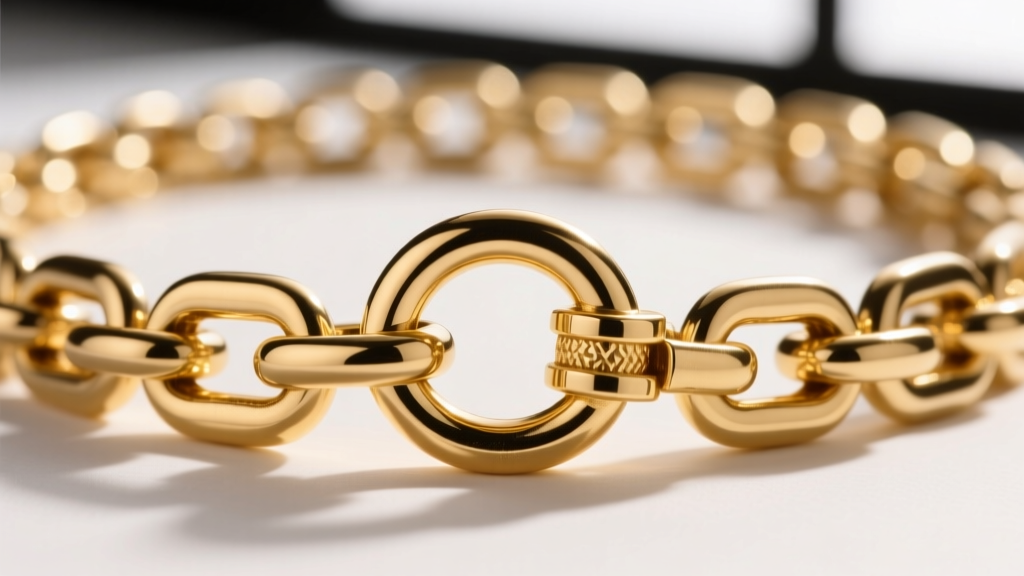
- Custom Toggle Clasp: For heavier Cuban or Figaro collars (5mm+), a toggle clasp is superior. The tension of the tight collar keeps the T-bar pulled securely through the ring, making it both a functional and decorative focal point.
- Magnetic Closures: While convenient, avoid magnetic clasps for tight collars. The lateral shearing force of head movements can slide the magnets apart, resulting in a lost necklace.
Step 4: Neckline Pairing Framework
Styling a collar requires an understanding of negative space. Because the necklace occupies the highest possible real estate on the torso, it must either contrast sharply with the garment or act as a subtle metallic accent. Always consult the FTC Jewelry Guides when verifying metal hallmarks to ensure your piece won't tarnish and stain delicate fabrics like silk or linen.
The Contrast Method (High Impact)
Pair a 14-inch, 4mm gold Cuban collar with a deep V-neck or a plunging wrap dress. The rigid, horizontal line of the collar visually cuts across the vertical expanse of exposed skin, creating a striking, architectural contrast that draws the eye upward to the face.
The Layering Method (Subtle Elegance)
For a button-down Oxford shirt or a silk blouse, leave the top two buttons undone. Tuck a 2mm sterling silver or white gold snake chain collar inside the collar of the shirt, resting directly on the skin. This provides a sharp, metallic flash that elevates corporate or smart-casual attire without overwhelming the outfit.
The Off-Shoulder Method (Romantic Edge)
When wearing off-the-shoulder or bateau necklines, the collarbone is fully exposed. A delicate 1.5mm box chain collar sits perfectly in the clavicular hollow, framing the neck and emphasizing the shoulder line without competing with the garment's hemline.
Troubleshooting Common Collar Necklace Issues
The Hair Snag Dilemma: If you have long hair and prefer wearing it down, avoid snake chains and herringbone links for your collar. The microscopic gaps between the flush links act like tiny razors that catch and tear hair. Opt for a rounded rope chain or a smooth, polished curb link instead.
Skin Discoloration and Irritation: Because collars sit against the pulse points where skin is warmest and most prone to perspiration, base metals or low-karat gold alloys (like 10k) can oxidize rapidly, leaving green or black marks on your neck. To prevent this, invest in 14k or 18k gold, platinum, or 316L surgical stainless steel. If you already own a sterling silver collar that causes irritation, have a jeweler apply a micron-thick layer of rhodium plating to the interior links to create a hypoallergenic barrier.
The 'Morning Tightness' Effect: If your perfectly measured collar feels suffocating when you wake up, do not immediately stretch the links. The human body retains water overnight, causing temporary neck swelling. Keep a small jewelry extender chain (about 0.5 inches) on hand for early morning wear, or simply put the necklace on an hour after waking once your lymphatic system has drained the excess fluid.
Final Thoughts on Collar Styling
Mastering the chain collar necklace is an exercise in precision. By respecting the biomechanics of the neck, investing in robust hardware, and strategically pairing the piece with complementary necklines, you transform a simple loop of metal into a powerful style statement. Whether you choose a fluid snake chain for minimalist elegance or a structured Cuban link for bold architecture, the perfect collar is ultimately defined by its flawless, custom fit.


