How Long Is 16 Necklace? Collarbone Fit & Daily Care Guide
Discover exactly how long is 16 necklace, where it sits, and expert care tips to protect collarbone chains from sweat, friction, and tarnish.

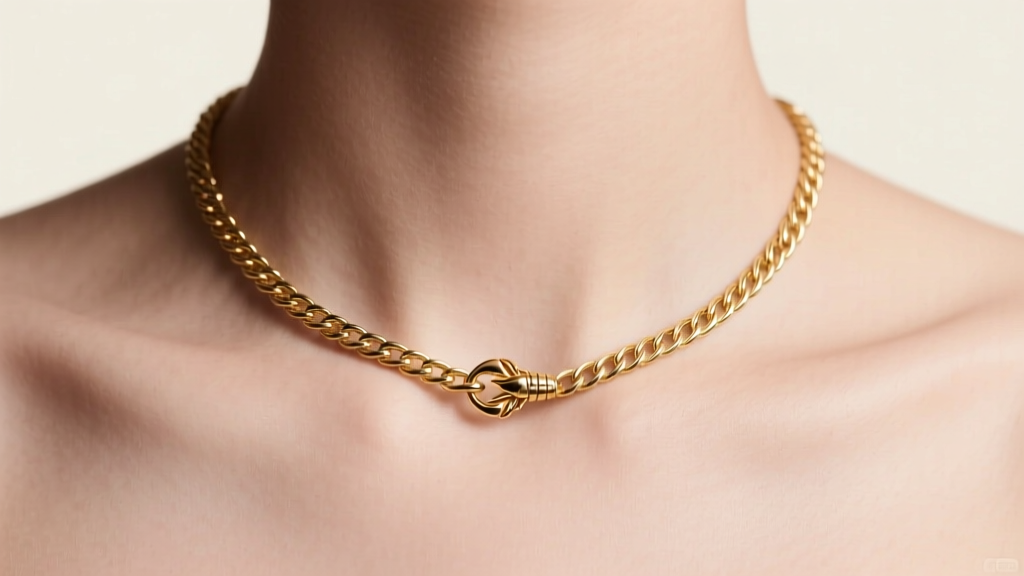
When jewelry shoppers ask, "how long is 16 necklace," the technical answer is exactly 40.64 centimeters. In the jewelry industry, this is classified as a "princess" length or a collarbone-skimming fit. However, understanding the physical dimensions is only half the equation. Because a 16-inch necklace rests precisely at the base of the neck and the suprasternal notch, it occupies a unique microclimate on the human body. This specific placement exposes the metal and gemstones to higher concentrations of sebum, sweat, and cosmetic friction than longer 20-inch or 24-inch chains. As a result, maintaining a 16-inch necklace requires a specialized care routine tailored to its anatomical position.
The Anatomy of a 16-Inch Chain: Why Placement Dictates Care
The 16-inch length is universally considered the most versatile necklace size, sitting perfectly on the collarbone and framing the face. But from a maintenance perspective, this "sweet spot" is actually a high-risk zone for jewelry degradation. The base of the neck contains a high density of eccrine and apocrine sweat glands. When a chain rests here, it acts as a physical trap for dead skin cells, natural oils, and environmental pollutants. Furthermore, 16-inch necklaces are constantly subjected to friction from shirt collars, scarves, and the natural movement of the neck. This continuous micro-abrasion can wear down gold plating and dull high-polish finishes much faster than a longer pendant chain that hangs freely over clothing.
Understanding this anatomical reality is the first step in preserving your jewelry. According to the Jewelers of America, jewelry that maintains constant contact with the skin requires significantly more frequent cleaning and inspection than pieces worn occasionally or over garments.
Material Vulnerability at the Collarbone
Not all metals react to the collarbone environment equally. The specific alloy composition of your 16-inch necklace will dictate its failure modes and required maintenance schedule. Below is a breakdown of how common necklace materials withstand the 16-inch placement zone.
| Material Grade | Sweat & Sebum Resistance | Friction Wear Risk | Required Maintenance Frequency |
|---|---|---|---|
| 925 Sterling Silver | Low (Tarnishes quickly from sulfur in sweat) | Moderate | Weekly polishing, monthly deep clean |
| 14k / 18k Solid Gold | High (Resists oxidation and acids) | Low (High structural integrity) | Bi-weekly mild wash |
| Gold Vermeil (over Silver) | Moderate (Base metal can tarnish if exposed) | High (Friction wears away 2.5μm gold layer) | Gentle wipe after every wear |
| Grade 23 Titanium | Very High (Completely biocompatible) | Very Low | Monthly rinse |
The Chemistry of Sweat and Silver Tarnish
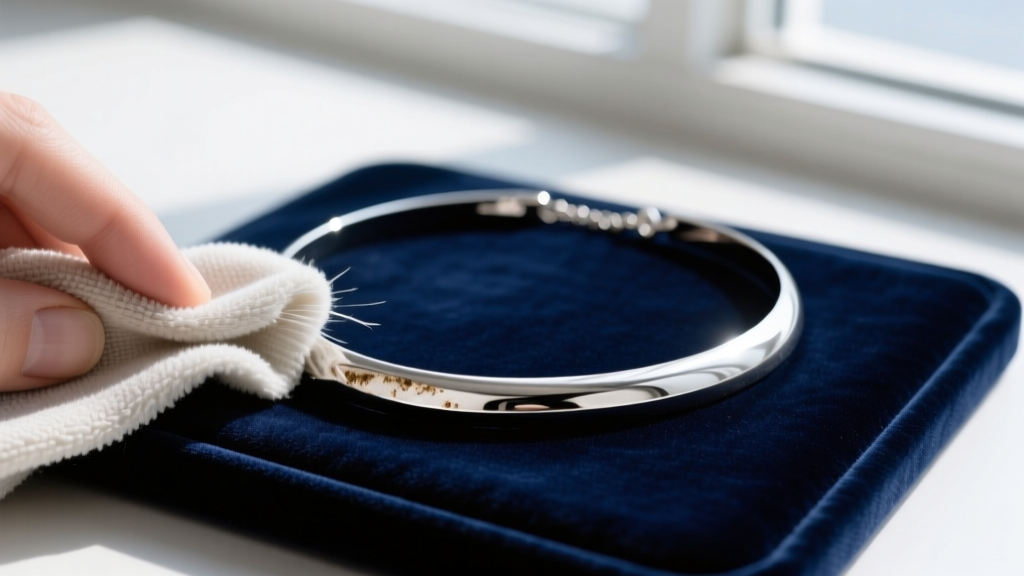
If your 16-inch necklace is crafted from 925 sterling silver, you have likely noticed it darkening rapidly. This is not a defect; it is a predictable chemical reaction. Sterling silver is an alloy containing 92.5% pure silver and 7.5% copper. Human sweat contains urea, lactic acid, and trace amounts of sulfur compounds. When the copper in the alloy reacts with sulfur and moisture trapped against the collarbone, it forms copper sulfide—a dark, crusty layer of tarnish. Because a 16-inch chain sits tightly against the pulse points where body heat is highest, this chemical reaction accelerates. To combat this, silver chains worn at this length must be wiped with a dry, untreated microfiber cloth immediately after removal to absorb residual moisture and oils before they can oxidize the metal.
Step-by-Step Cleaning Routine for 16-Inch Chains
Because 16-inch necklaces accumulate a dense layer of skin oils and cosmetic residues (like foundation and setting sprays that transfer from the jawline), a simple wipe-down is often insufficient. The Gemological Institute of America (GIA) recommends using mild, non-detergent surfactants for routine jewelry cleaning. Follow this specific protocol to safely deep-clean your collarbone-length chains without damaging delicate links or gemstone settings.
- Step 1: The Soak. Mix three drops of phosphate-free, SLS-free dish soap (such as Dawn Free & Clear) into a bowl of lukewarm distilled water. Avoid tap water, as chlorine and hard minerals can leave microscopic deposits on the metal. Submerge the 16-inch necklace for exactly 5 to 7 minutes to loosen sebum trapped in the chain links.
- Step 2: Agitation. Use an ultra-soft baby toothbrush or a specialized jewelry brush with natural bristles. Gently brush the clasp mechanism and the jump rings, as these areas trap the most debris. Do not scrub the chain links aggressively, as this can cause micro-scratches on high-polish finishes.
- Step 3: The Rinse. Rinse the necklace under a gentle stream of lukewarm distilled water. Ensure the drain is securely plugged or use a mesh strainer to prevent the delicate chain from slipping away.
- Step 4: Drying. Never air-dry a 16-inch necklace, as water spots will form on the metal. Lay the chain perfectly straight on a lint-free paper towel and gently pat it dry. Use a hairdryer on the "cool" setting to blow out any remaining moisture from inside the lobster clasp spring mechanism, preventing internal rust.
Pro-Tip: Never use ultrasonic cleaners on 16-inch necklaces featuring porous gemstones like pearls, opals, or turquoise. The high-frequency vibrations can fracture these delicate stones, and the chemical baths will strip their natural luster.
Preventing the "Clasp Creep" and Tangling
A unique mechanical issue with 16-inch necklaces is "clasp creep." Because this length is relatively short and lightweight, the center of gravity often shifts during movement, causing the heavier lobster clasp to slide from the back of the neck to the front. This not only ruins the aesthetic but causes the clasp to rub against the delicate skin of the collarbone, leading to irritation and accelerated wear on the clasp's spring mechanism.
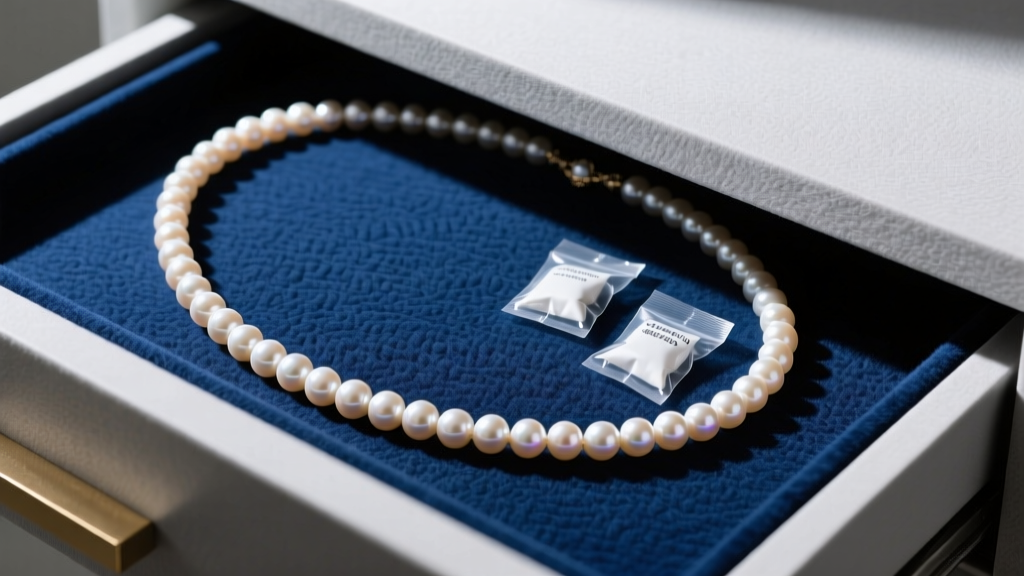
To counteract this, jewelers recommend adding a small, decorative counterweight charm directly opposite the clasp, or opting for a chain with a slightly heavier gauge (such as a 1.5mm rope chain instead of a 0.9mm cable chain) to anchor the back of the neck. Furthermore, 16-inch chains are notoriously prone to tangling if tossed into a jewelry box. The short length allows the links to easily loop through one another. Always store your 16-inch necklaces laid completely flat in a dedicated anti-tarnish felt drawer insert, or hang them vertically on a padded jewelry stand to utilize gravity to keep the links aligned.
Troubleshooting Common 16-Inch Necklace Issues
Even with meticulous care, the high-friction environment of the collarbone can lead to specific wear-and-tear issues. If your 16-inch gold vermeil necklace is showing patches of silver near the clasp, this is friction wear caused by the chain rubbing against your neck and clothing. Unfortunately, this cannot be polished away; the piece must be sent to a jeweler for professional re-plating. If your chain feels stiff or "crunchy" when manipulated, it is suffering from sebum buildup deep within the link joints. Extend your soapy soak time to 15 minutes and use a wooden toothpick to gently dislodge compacted oils from the jump rings. By understanding the unique physical and chemical challenges of the 16-inch length, you can ensure your collarbone-skimming pieces remain brilliant, durable, and perfectly positioned for years to come.


