Troubleshooting Your Nurse Necklace Gold: A Shift-Proof Guide
Solve common issues with your nurse necklace gold. Learn how to prevent snags, sanitize safely, and choose shift-proof chains for 12-hour hospital shifts.


The Unique Hazards of Wearing Gold on the Ward
For healthcare professionals, jewelry is more than an accessory; it is a daily companion that must withstand the rigors of 12-hour shifts, code blues, and strict infection control protocols. Finding the perfect nurse necklace gold design is only half the battle. The real challenge lies in troubleshooting the inevitable issues that arise when precious metals meet the harsh realities of the clinical environment. From snagging on PPE straps to tarnishing under hospital-grade disinfectants, gold necklaces face a unique gauntlet of hazards.
In the modern healthcare landscape of 2026, infection control standards are more stringent than ever. According to the CDC's Standard Precautions, jewelry can act as a fomite, harboring pathogens if not properly maintained. Furthermore, the physical demands of patient care mean that a delicate chain can easily snap when caught on a stethoscope or an IV line. This guide dives deep into the metallurgical and ergonomic troubleshooting required to keep your gold necklace safe, sanitary, and shift-proof.
Troubleshooting Chain Snags and PPE Tangles
The most common complaint among nurses wearing gold chains is the 'snag-and-snap' cycle. When you are rapidly donning or doffing N95 respirators, isolation gowns, or surgical caps, your necklace is in the line of fire. The structural integrity of your chain's links dictates its survival rate on the ward.
Chain Link Analysis: What to Avoid
Many nurses gravitate toward snake chains or herringbone chains for their liquid-like drape, but these are catastrophic choices for clinical environments. Snake chains feature tightly interlocked rings that create a micro-serrated surface. This surface acts like velcro, catching on the woven fibers of medical gowns and the elastic straps of PPE. Once a snake chain kinks, its structural integrity is permanently compromised, leading to inevitable breakage.
| Chain Type | Snag Risk | Tensile Strength | Verdict for Nurses |
|---|---|---|---|
| Box Chain | Very Low | High | Excellent. Smooth, welded square links glide over fabrics without catching. |
| Cable Chain (Soldered) | Low | Medium-High | Good. Ensure links are individually soldered to prevent unraveling if one link breaks. |
| Rope Chain | High | Medium | Poor. The twisted spiral design easily catches on velcro and stethoscope tubing. |
| Snake Chain | Extreme | Low (Kinks easily) | Avoid. Acts like a hook on PPE straps and cannot be repaired once kinked. |
| Wheat Chain | Medium | High | Fair. Beautiful, but the woven texture can trap microscopic debris and skin cells. |
Sanitization vs. Tarnish: The Chemical Dilemma
Nurses frequently wipe down their hands, arms, and personal items with harsh chemicals like quaternary ammonium compounds (found in CaviWipes), Chlorhexidine, and 70% isopropyl alcohol. While pure gold is virtually impervious to these chemicals, the alloys mixed into your nurse necklace gold are not.
Karat Weight and Sweat Corrosion
Understanding your gold's karat weight is critical for troubleshooting discoloration and skin irritation. As detailed by the Gemological Institute of America (GIA), 14k gold contains 58.5% pure gold, with the remainder typically consisting of copper, silver, and zinc. When copper-heavy alloys are repeatedly exposed to hospital disinfectants and the acidic environment of 12-hour shift sweat, micro-pitting and tarnishing occur.
- 18k Gold (75% Pure): Too soft for the ward. The high gold content makes the chain highly susceptible to stretching and snapping under the weight of a stethoscope. Furthermore, the 25% alloy mix is often silver-heavy, which can oxidize and turn black when exposed to sulfur-based hospital compounds.
- 14k Gold (58.5% Pure): The clinical sweet spot. It offers the optimal balance of tensile strength to resist snapping and enough pure gold to resist severe chemical corrosion from standard hospital wipes.
- 10k Gold (41.7% Pure): Avoid for daily ward wear. The high copper and zinc content will rapidly react to quaternary ammonium, leading to a dull, pitted surface that can harbor bacteria and cause contact dermatitis.
Pro-Tip: If your 14k gold chain is developing a dull, cloudy film that polishing cloths cannot remove, it is likely chemical etching from disinfectants. Have a jeweler perform a light ultrasonic clean followed by a professional polish to remove the damaged micron-layer of alloy.
Clasp Failures: Solving the Gloved-Hand Problem
A necklace is only as secure as its clasp. The standard spring-ring clasp is a major point of failure for nurses. Trying to operate a tiny, recessed spring-ring lever while wearing double-layered nitrile gloves or dealing with lotion-slicked skin is an exercise in frustration, often resulting in dropped chains or broken fingernails.
Upgrading to Shift-Proof Hardware
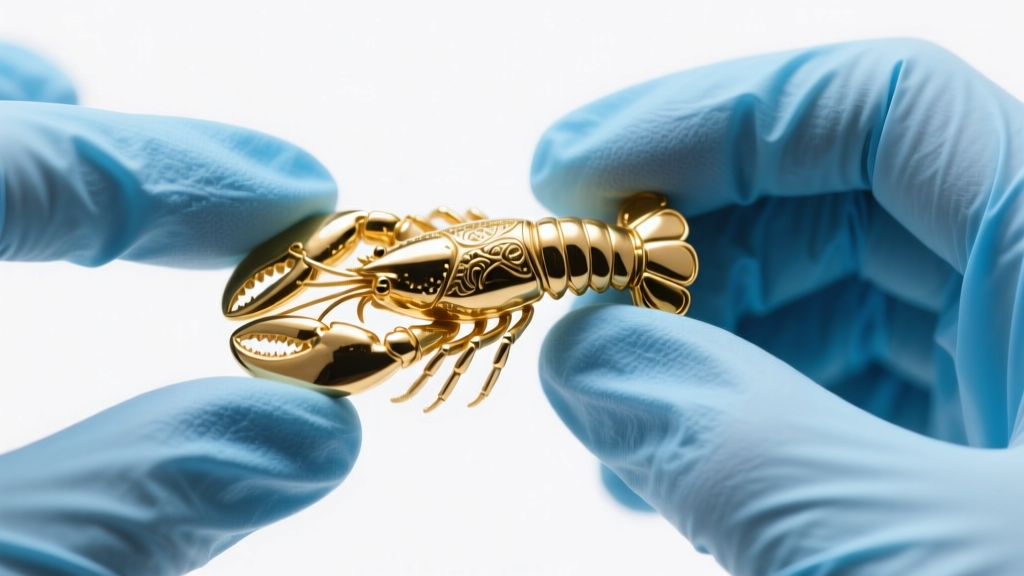
Troubleshoot this ergonomic nightmare by swapping your clasp. A lobster clasp with an extended pull-tab is the gold standard for healthcare workers. The wider lever provides enough surface area to depress even while wearing thick chemotherapy-rated gloves.
Warning regarding Magnetic Clasps: While magnetic clasps seem like an easy solution for gloved hands, they are a severe safety hazard in many hospital zones. If you work near MRI suites, or if you are part of a rapid response team where you might be in proximity to sensitive magnetic monitoring equipment, a magnetic clasp can detach unexpectedly or become a projectile hazard. Stick to mechanical, heavy-duty lobster clasps.
Pendant Selection and Length: Navigating the Sterile Field
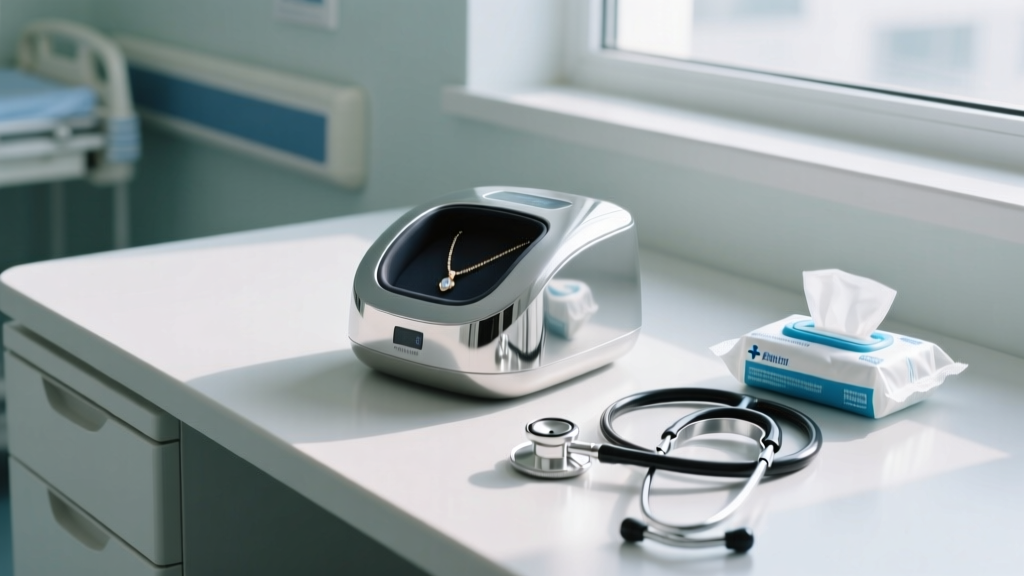
The physical dimensions of your nurse necklace gold dictate whether it is a safe accessory or a clinical liability. Pendants with intricate filigree, deep undercuts, or sharp prongs are essentially pathogen traps. They cannot be adequately sanitized with a quick wipe-down and pose a scratching hazard to vulnerable patients during repositioning.
The Ideal Clinical Specifications
- Length: Stick to a 16-inch (choker) or 18-inch (princess) length. An 18-inch chain rests securely on the collarbone, keeping the pendant out of the 'drop zone' of sterile fields and away from patient contact. Chains 20 inches or longer will swing forward when you lean over a bed, risking contamination or entanglement.
- Pendant Profile: Opt for high-polish, smooth-surface pendants. A solid gold disc, a smooth bezel-set gemstone, or a rounded, 3D-cast caduceus charm without deep crevices are ideal. They can be easily wiped down with an alcohol pad between patients.
- The 'Slide' Fix: If your pendant constantly slides off-center and rests awkwardly on your collarbone, the issue is likely a mismatch between the chain width and the pendant bail. Use a tiny, clear silicone jewelry stopper on the back of the chain to center the pendant, or have a jeweler solder a small gold bead on the inside back of the chain to act as a permanent counterweight.
Breakage Triage: Field Repairs and Professional Fixes
Despite your best precautions, chains break. If your gold necklace snaps mid-shift, do not attempt to twist the links back together with your fingers or a pair of hemostats. Gold is a malleable metal; twisting a broken link will fatigue the metal further, guaranteeing a secondary break within days.
Shift-Survival Hack: Keep a small, sealed piece of medical tape (like Transpore) in your badge reel or pocket. If your chain breaks, tape the two ends securely to the inside of your scrub top to prevent losing them, and place the necklace in a ziplock bag until you can reach a professional jeweler for a laser weld repair.
Hospital Dress Code Compliance Checklist
Before investing in a high-end gold necklace, cross-reference it with your facility's specific dress code. While 'bare below the elbows' policies strictly govern hand and wrist jewelry to promote hand hygiene, necklaces are generally permitted provided they do not pose a safety risk. Ensure your nurse necklace gold meets these final criteria:
- Does the pendant swing freely when you bend at a 45-degree angle? (If yes, it is too long).
- Can the chain and pendant be fully wiped down with a hospital-approved disinfectant wipe in under 5 seconds? (If no, the design is too intricate).
- Is the clasp operable while wearing standard nitrile exam gloves? (If no, replace the hardware).
By treating your jewelry selection with the same analytical rigor as your clinical equipment, you can enjoy the elegance and personal significance of a gold necklace without compromising your safety, your patients, or your precious metals.


