XO Necklace Gold: 2026 Price & Value Assessment Guide
Discover if an XO necklace gold piece is worth the investment. Our 2026 value guide breaks down karat weights, pricing tiers, and brand markups.

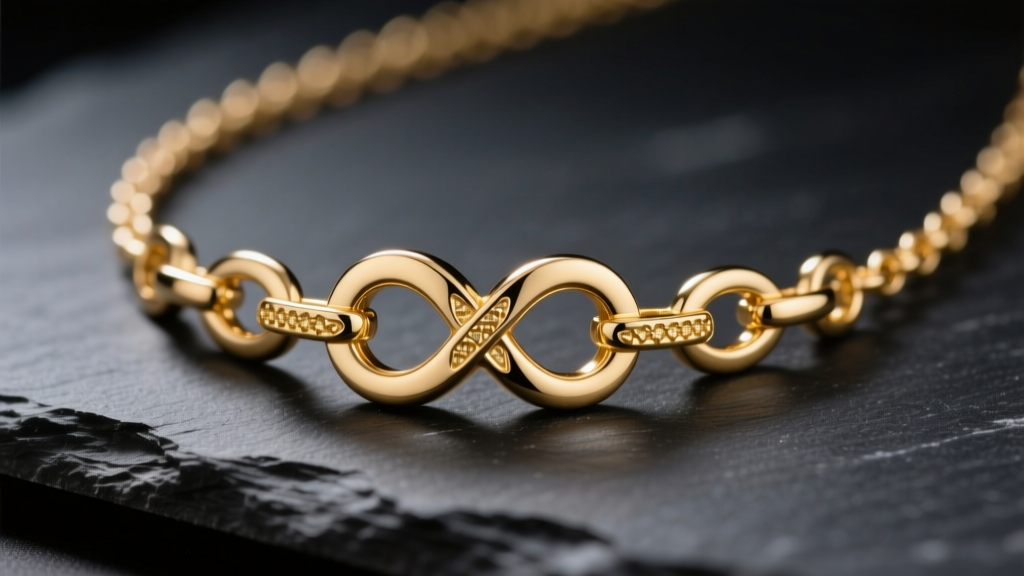
The "hugs and kisses" motif has remained a staple in romantic and self-gifting jewelry for decades. However, as precious metal markets fluctuate, consumers are increasingly scrutinizing the true cost of sentimental designs. If you are shopping for an xo necklace gold piece in 2026, you have likely noticed a massive price disparity. Why does one 14-karat gold XO pendant cost $350 while a seemingly identical piece from a luxury boutique retails for $2,800? The answer lies in metallurgical composition, manufacturing techniques, and brand markup. This comprehensive value assessment will equip you with the exact metrics needed to evaluate gold jewelry investments, ensuring you pay for intrinsic quality rather than inflated marketing.
The Structural Anatomy of the XO Motif
Before assessing price, you must understand the structural vulnerabilities of the XO design. The intersection of the "X" and the curvature of the "O" create distinct stress points. In lower-tier manufacturing, the X links are often stamped from flat gold sheet metal and soldered onto cast O rings. This creates a rigid joint that is highly susceptible to snapping if the chain catches on clothing.
Premium XO necklaces utilize die-striking or lost-wax casting for the entire pendant as a single, continuous unit, or employ laser welding to fuse the X and O components. Laser welding introduces significantly less heat to the surrounding gold, preserving the metal's crystalline structure and preventing the brittleness associated with traditional torch soldering. When inspecting an XO necklace in person, run your fingernail over the solder joints. A seamless transition indicates high-end laser welding, while a visible bead or discoloration suggests cheaper torch soldering, which should command a lower price.
Karat Weight vs. Durability: The Metallurgical Reality
Gold purity directly dictates both the color profile and the physical durability of your necklace. According to the Jewelers of America, understanding alloy composition is critical for daily-wear pendants that are subject to friction and impact.
10K Gold (41.7% Pure Gold)
Alloyed heavily with copper, silver, and zinc, 10K gold boasts a Vickers hardness (HV) of approximately 130. It is exceptionally resistant to scratching and bending, making it ideal for active lifestyles. However, its pale, slightly brassy hue lacks the rich warmth associated with fine jewelry. Budget XO necklaces frequently use 10K gold to keep retail prices under $250.
14K Gold (58.3% Pure Gold)
The undisputed sweet spot for American jewelry. With an HV of roughly 110, 14K gold offers an optimal balance of rich yellow color and structural integrity. An XO necklace crafted in solid 14K gold will withstand decades of daily wear without significant deformation, provided it is not hollow-manufactured.
18K Gold (75% Pure Gold)
Prized for its deep, buttery yellow saturation, 18K gold is significantly softer (HV ~85). While it holds the highest intrinsic melt value, the delicate loops of the "O" and the crossing arms of the "X" are prone to micro-scratches and edge-wear over time. 18K XO pieces are generally reserved for luxury, occasional-wear collections.
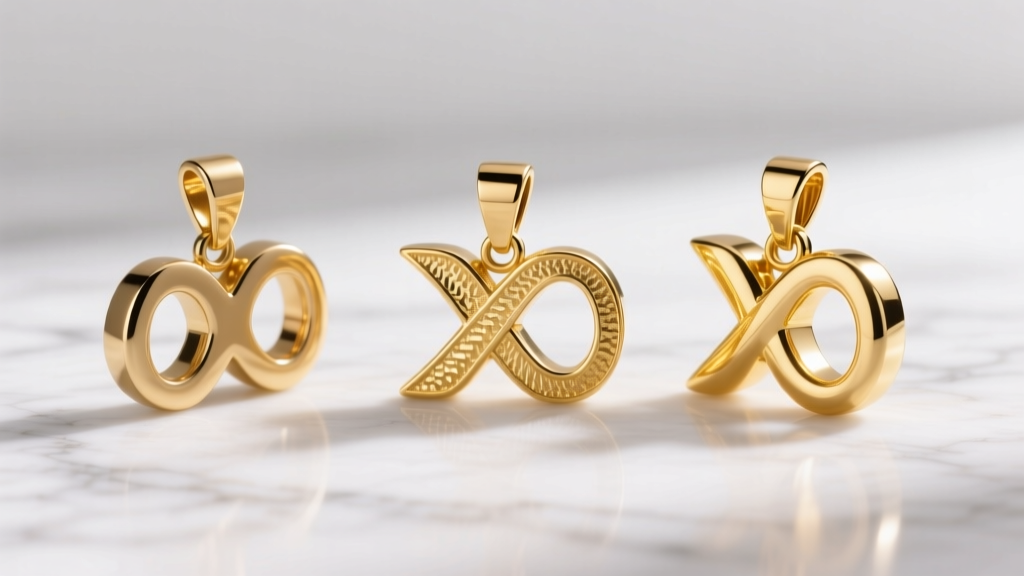
2026 Pricing Tiers: Budget, Mid-Range, and Luxury
To accurately assess value, we must categorize the market based on weight, purity, and manufacturing origin. The following table reflects average retail pricing for a standard 16-to-18-inch chain with a medium-sized (approx. 15mm x 10mm) XO pendant in the current 2026 economic climate, referencing baseline spot prices tracked by the World Gold Council.
| Tier | Karat | Total Weight (Chain + Pendant) | Manufacturing Method | Est. Retail Price (2026) | Melt Value Ratio |
|---|---|---|---|---|---|
| Budget | 10K | 2.5g - 4.0g | Hollow Electroformed / Stamped | $180 - $320 | 2.5x - 3.5x |
| Mid-Range | 14K | 4.5g - 7.5g | Solid Die-Struck / Cast | $450 - $850 | 2.0x - 2.8x |
| Luxury | 18K | 8.0g - 15.0g | Solid Handcrafted / Designer | $1,200 - $3,500+ | 1.8x - 2.2x |
Note: The "Melt Value Ratio" indicates how many times over the intrinsic scrap gold value you are paying. A ratio of 2.0x to 2.8x is considered fair market value for independent jewelers, accounting for labor, findings, and retail overhead.
The Hidden Value Trap: Hollow vs. Solid Gold
The single greatest factor that destroys the long-term value of an XO gold necklace is hollow manufacturing. To create the illusion of a heavy, luxurious piece at a budget price point, manufacturers use a process called electroforming. A wax or resin core is coated in a microscopic layer of gold, and the core is subsequently melted or dissolved away, leaving a hollow gold shell.
While a hollow 14K XO pendant might look identical to a solid one on the display pad, it is a structural liability. The thin walls (often less than 0.2mm thick) cannot be resized, polished aggressively, or repaired by a standard bench jeweler. If the "O" link gets dented from a simple bump against a steering wheel, the piece is effectively ruined. Always demand that a retailer explicitly state "solid gold" on the receipt. If the price seems too good to be true for the physical size of the pendant, you are likely purchasing hollow electroformed gold.
Calculating Brand Markup vs. Melt Value
When evaluating a high-end designer XO necklace, you are inevitably paying for the brand name. However, understanding the baseline melt value empowers you to decide if the design premium is justified. The Federal Trade Commission (FTC) mandates strict guidelines on gold marking, ensuring that a stamped 14K piece genuinely contains 58.3% pure gold.
The 2026 Melt Value Formula
To calculate the raw material value of the necklace, use this formula:
- Weigh the piece: Obtain the exact gram weight (e.g., 6.0 grams).
- Multiply by purity: For 14K, multiply by 0.583 (6.0g x 0.583 = 3.498 grams of pure gold).
- Check the spot price: Divide the current Troy Ounce spot price by 31.1 (the grams in a Troy Ounce). If spot is $2,250/oz, one gram of pure gold is $72.34.
- Calculate melt: Multiply pure gold grams by the gram price (3.498g x $72.34 = $253.04).
If a boutique is selling this 6-gram 14K XO necklace for $2,500, you are paying a nearly 10x markup over melt value. While designer craftsmanship and exclusive aesthetics hold subjective value, from a strict budget and investment perspective, a mid-range independent jeweler offering the same weight and karat for $700 represents a vastly superior financial decision.
Final Verdict: How to Buy Smart
An XO necklace is a timeless expression of affection, but it should not be a financial blind spot. For the best intersection of durability, color, and value, target a solid 14K gold piece weighing between 5 and 8 grams. Avoid hollow electroformed designs at all costs, as they offer zero repairability and poor longevity. Finally, always request the exact gram weight from the seller before purchasing; a transparent jeweler will happily weigh the piece in front of you, allowing you to apply the melt value formula and negotiate or walk away with confidence. By prioritizing structural integrity and transparent pricing over inflated brand prestige, your gold XO necklace will remain both a sentimental and financial asset for decades to come.


