The Ultimate Smoky Quartz Beaded Necklace Buying Guide
Discover how to choose the perfect smoky quartz beaded necklace. Learn about bead sizes, stringing materials, clarity grades, and pricing.

Introduction to Smoky Quartz Bead Selection
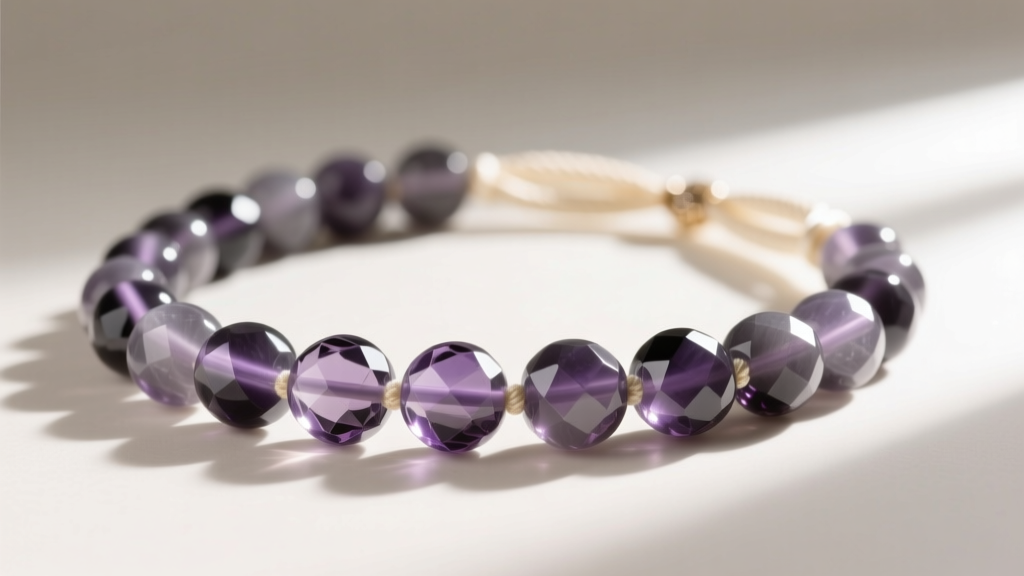
A smoky quartz beaded necklace is a masterclass in understated elegance. Straddling the line between earthy bohemian and refined minimalist, these dark, translucent beads offer a versatility that few other gemstones can match. However, the market is flooded with varying qualities, treated stones, and poorly constructed strands that are prone to snapping. Whether you are hunting for a delicate 4mm layering piece or a bold 14mm statement collar, understanding the mineralogy, structural requirements, and pricing metrics is essential. This comprehensive buying guide will equip you with the gemological and practical knowledge needed to invest in a piece that will last a lifetime.
Natural vs. Irradiated: The Color Origin
The rich brown, grey, and black hues of smoky quartz are caused by aluminum impurities within the crystal lattice that have been exposed to radiation. According to the Gemological Institute of America (GIA), natural smoky quartz forms in igneous environments where natural radioactivity from surrounding granite interacts with the growing crystals over millions of years. However, because natural, evenly colored smoky quartz is relatively rare, the vast majority of commercial beads on the market are actually clear or milky quartz that has been artificially irradiated in a laboratory using gamma rays.
From a durability and aesthetic standpoint, there is zero difference between natural and lab-irradiated smoky quartz; both are completely colorfast and safe to wear. The distinction only matters for collectors and purists. Natural stones often exhibit more complex color zoning and command a 20% to 40% premium. If a seller claims a perfectly uniform, deeply saturated black strand is '100% natural untreated Morion quartz' at a bargain price, it is almost certainly lab-treated. For everyday jewelry, lab-irradiated beads offer excellent consistency and value.
Bead Sizing, Shape, and Drape
Quartz has a specific gravity of 2.65, making it significantly heavier than organic gems like amber or coral. When selecting a smoky quartz beaded necklace, bead diameter directly dictates not only the visual impact but also the physical weight on your cervical spine and the way the necklace drapes against your collarbone.
| Bead Size | Visual Profile | Weight & Drape | Best Use Case |
|---|---|---|---|
| 4mm - 5mm | Delicate, subtle texture | Lightweight, fluid drape | Layering, everyday office wear |
| 6mm - 8mm | Classic, noticeable presence | Medium weight, rests on collarbone | Versatile standalone pieces |
| 10mm - 12mm | Bold, high-impact statement | Heavy, requires robust stringing | Evening wear, winter wardrobes |
| 14mm+ | Chunky, architectural | Very heavy, stiff drape | High-fashion editorial, short chokers |
For a standard 18-inch princess-length necklace, 6mm to 8mm round or faceted beads offer the best balance of visual weight and physical comfort. Faceted beads will catch the light and highlight the stone's transparency, while smooth cabochon rounds emphasize the deep, smoky color saturation.
Stringing Materials: Preventing Catastrophic Failure
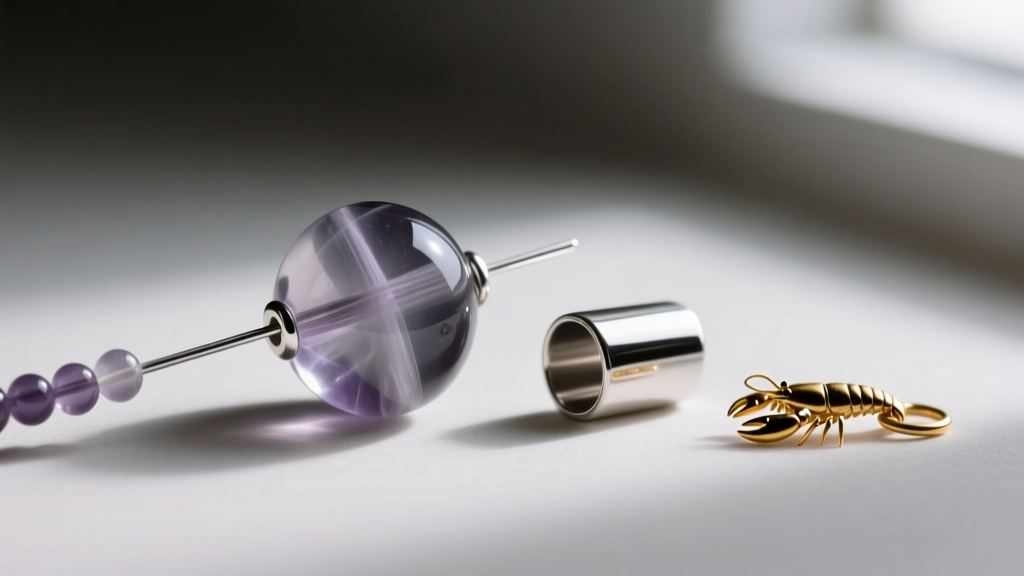
The most common point of failure in any beaded necklace is the stringing material. Because quartz is heavy and features sharp edges around the drill holes, traditional silk thread is a poor choice for beads larger than 6mm. Silk stretches over time, degrades when exposed to skin oils and perfumes, and will eventually snap under the continuous tension of heavy quartz beads.
For a durable smoky quartz beaded necklace, insist on a 49-strand micro-wire (such as Soft Flex or Beadalon) with a nylon coating. For 4mm to 8mm beads, a 0.019-inch gauge wire provides the perfect balance of flexibility and tensile strength. For 10mm and larger beads, upgrade to a 0.024-inch gauge wire to prevent the necklace from kinking or sagging. Avoid cheap elastic stretch cords at all costs; the friction from the quartz drill holes will fray the elastic within months, leading to a shattered necklace.
Clarity Grades, Inclusions, and the Rutile Premium
When evaluating clarity, the gem trade generally categorizes smoky quartz into three tiers. 'AAA' grade beads are eye-clean, highly transparent, and feature a consistent, rich brown hue without muddy undertones. 'AA' grade beads may show slight color zoning or minor internal veils, while 'A' grade beads are heavily included, opaque, or fracture-filled.
However, certain inclusions actually increase the value of the necklace. According to mineralogical data from Mindat.org, smoky quartz frequently hosts rutile (titanium dioxide) needles. When these golden or coppery needles are densely packed and visible against the dark brown background of the smoky quartz, the beads are highly sought after by collectors. A strand featuring prominent, unbroken rutile needles can command double the price of a flawless, inclusion-free strand.

Color Zoning and Dichroism
High-quality smoky quartz should display a pleasing level of dichroism—meaning the color shifts slightly in depth and intensity depending on the angle of the light. When you hold a premium strand up to a light source, the beads should glow with a warm, translucent amber-brown at the edges, while remaining deeply saturated in the center. Avoid strands where the beads look flat, opaque, or uniformly black unless they are specifically marketed as 'Morion' quartz, which is a distinct, ultra-dark variety.
2026 Pricing Tiers: What You Should Pay
Pricing for a smoky quartz beaded necklace varies wildly based on bead size, clarity, and the quality of the hardware. Here is a realistic breakdown of current market rates for an 18-inch strand:
- Entry-Level (A to AA grade, 4mm-6mm, elastic or basic wire): $25 to $45. Expect some color inconsistency and opaque beads.
- Mid-Range (AAA grade, 8mm, 49-strand wire, sterling silver clasp): $65 to $120. The sweet spot for everyday luxury jewelry.
- Premium (AAA grade, 10mm-12mm, heavy-duty wire, gold-filled hardware): $130 to $220. Excellent translucency and substantial physical weight.
- Collector/Rutile (Mixed sizes, prominent golden rutile inclusions): $250 to $400+. Priced for the rarity of the inclusions rather than just the carat weight.
Hardware and Finishing Details
A heavy beaded necklace requires robust hardware. Inspect the clasp and finishing components closely. A standard lobster clasp should be cast from solid sterling silver or 14k gold-filled brass, not hollow-plated base metal which will bend under the necklace's weight. Look for 'wire guards' or 'French wire' at the clasp loop; these tiny metal horseshoes protect the beading wire from fraying against the metal clasp ring. Finally, ensure the crimp beads are secured using a micro-crimping tool that folds the metal into a neat, rounded bead, rather than simply flattened with flat-nose pliers, which leaves sharp edges that can cut the wire over time.
Final Authentication Checklist
Before finalizing your purchase, run the necklace through this quick diagnostic checklist:
- Weight Test: Does it feel appropriately heavy for its size? (Fake glass or plastic beads will feel suspiciously light).
- Temperature Test: Real quartz feels distinctly cool to the touch and takes a few seconds to warm up against the skin, unlike resin or plastic.
- Drill Hole Inspection: Are the drill holes clean and smooth? Jagged, chipped holes indicate poor manufacturing and will prematurely wear down the stringing wire.
- Clasp Tension: Does the lobster clasp snap back with a firm, spring-loaded resistance?
- Light Test: Do the beads transmit light at the edges, proving they are genuine translucent quartz rather than dyed opaque glass?
By prioritizing structural integrity, understanding the origins of the stone's color, and selecting the appropriate bead size for your lifestyle, you can secure a smoky quartz beaded necklace that serves as a timeless, grounding anchor in your jewelry collection.


