Turtle Shell Necklace Value: 2026 Ethical Alternatives Guide
Discover the true value of a turtle shell necklace in 2026. Compare pricing, ethical alternatives like acetate and tagua, and avoid overpaying for faux.

The Legal Reality: Why “Genuine” is Off the Table
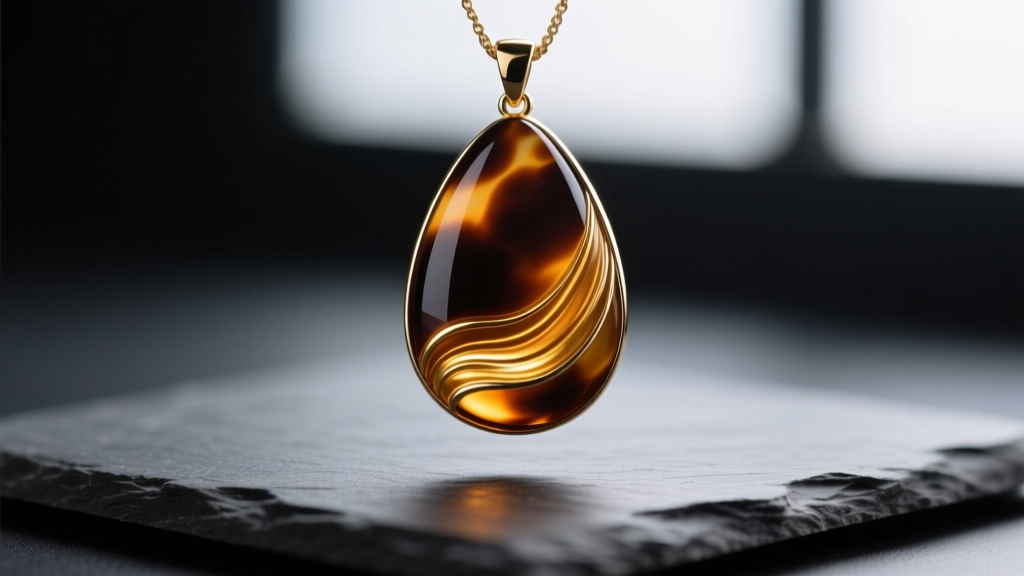
Before assessing the budget and value of a turtle shell necklace, we must address the most critical factor in the 2026 jewelry market: legality. Genuine tortoiseshell is derived primarily from the hawksbill sea turtle (Eretmochelys imbricata). Due to severe population declines, the hawksbill was placed on Appendix I of the Convention on International Trade in Endangered Species (CITES) in 1973. This designation strictly prohibits the international commercial trade of hawksbill turtle products.
According to the World Wildlife Fund (WWF), the illegal wildlife trade remains a primary threat to remaining hawksbill populations. Consequently, any vendor offering a “new, genuine turtle shell necklace” is either committing a federal offense, selling heavily documented pre-1973 antique estate jewelry, or, most commonly, running a scam. Today’s market is entirely focused on high-quality ethical alternatives. The value of a modern turtle shell necklace is no longer dictated by the rarity of an endangered animal, but by the craftsmanship of the artisan, the grade of the synthetic or botanical material, and the quality of the metal hardware.
Material Matrix: What You Are Actually Buying
When shopping for the tortoiseshell aesthetic, you will encounter four primary materials. Understanding the manufacturing process of each is the first step in accurately assessing a necklace's price tag.
| Material | Origin & Process | Durability & Failure Modes | Fair Market Value (Pendant Only) |
|---|---|---|---|
| Mazzucchelli Acetate | Plant-based cellulose derived from cotton linters and wood pulp; block-cast and tumbled for 48+ hours. | Highly durable. Warps if exposed to temperatures above 60°C (140°F). Can be re-polished. | $45 – $120 |
| Injection-Molded Resin | Petroleum-based epoxy or polyester poured into steel molds. Mass-produced in seconds. | Brittle. Prone to stress fractures at the drill hole. Cannot be re-polished; scratches permanently. | $8 – $25 |
| Tagua Nut (Vegetable Ivory) | Harvested from the Phytelephas palm in South America; sliced, dyed, and hand-carved. | Moderate. Will swell and crack if submerged in water without a carnauba wax sealant. | $30 – $85 |
| Ethical Horn (Water Buffalo) | Byproduct of the agricultural meat industry; heat-pressed, layered, and carved to mimic shell mottling. | Very high. Resists shattering but can delaminate if exposed to harsh chemical solvents or prolonged UV. | $50 – $150 |
Budget Tiers & Value Assessment Framework
To determine if a turtle shell necklace is priced fairly, categorize it into one of the three market tiers below. This framework evaluates the total cost of ownership, including the chain and clasp hardware.
Tier 1: Fast Fashion Resin ($15 - $35)
At this price point, you are purchasing injection-molded polyester or epoxy resin. While the initial visual appeal might mimic the amber and brown mottling of hawksbill shell, the structural integrity is poor. Value Indicator: Inspect the edges of the pendant. If you feel a raised, microscopic ridge running along the perimeter, you are feeling the mold seam line. This is an immediate indicator of mass-produced, low-value resin. Furthermore, the chains in this tier are typically flash-plated brass (under 0.5 microns of gold plating) which will oxidize and turn the wearer's neck green within weeks of contact with skin oils.
Tier 2: Artisan Acetate & Bio-Plastics ($45 - $110)
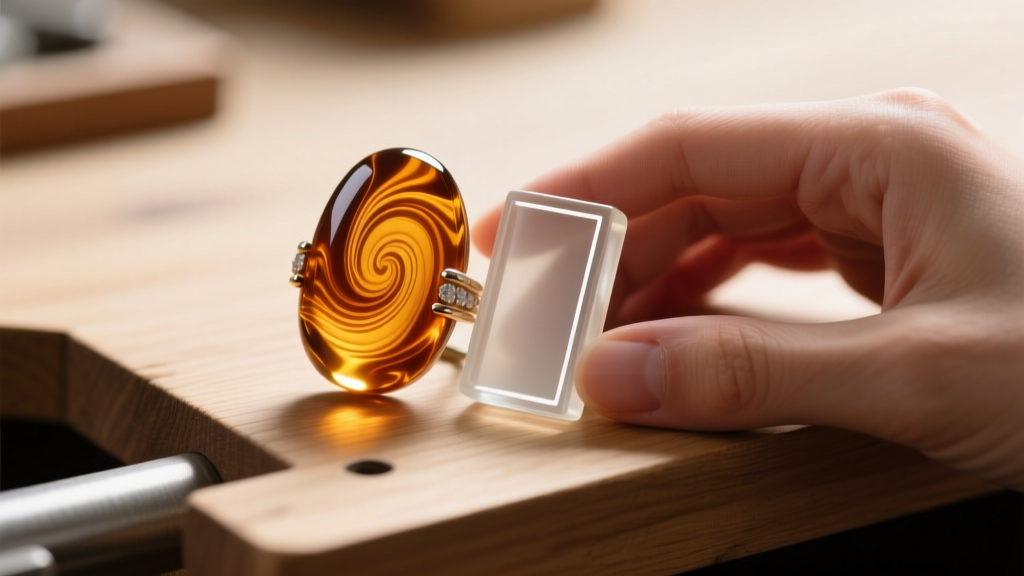
This is the sweet spot for modern ethical tortoiseshell jewelry. High-end brands utilize cellulose acetate, often sourced from heritage Italian manufacturers like Mazzucchelli 1849. Unlike resin, acetate is cut from large, solid blocks. Value Indicator: Look for depth in the marbling. Acetate features a three-dimensional, fluid mottling that shifts as the light hits it, whereas resin patterns often look flat or printed. A fairly priced necklace in this tier should include a 1.2mm 316L surgical stainless steel chain with PVD (Physical Vapor Deposition) gold coating, ensuring the hardware will not tarnish.
Tier 3: Heritage Carved Horn & Tagua ($120 - $280)
Luxury and artisan tiers focus on botanical or ethically sourced animal byproducts, hand-carved by master artisans. Tagua nut is sliced and dyed using eco-friendly botanical dyes to replicate the translucent amber edges of genuine shell, while ethical water buffalo horn is heat-pressed to create striking, opaque tortoiseshell patterns. Value Indicator: The value here lies in the labor. Look for hand-finished bevels, intricate wire-wrapping (typically using 18-gauge or 20-gauge dead-soft wire), and solid 14k gold hardware. The pendant bale should be seamlessly integrated or soldered, not merely glued.
Hardware & Chain Pairings: The Hidden Cost Factor
A common mistake consumers make when evaluating a turtle shell necklace is focusing entirely on the pendant while ignoring the suspension system. The hardware dictates the longevity of the piece.
- The Chain Gauge: A heavy acetate or horn pendant (15+ grams) requires a minimum chain thickness of 1.2mm to 1.5mm. Delicate 0.8mm cable chains will suffer from link distortion and eventual snapping under the continuous pendulum stress of a heavy pendant.
- The Clasp Mechanism: Avoid standard spring-ring clasps on mid-to-high-tier necklaces; the internal tension springs fail frequently. Insist on a lobster clasp or a secure magnetic neodymium clasp with a safety figure-eight catch.
- The Pendant Bale: The bale (the loop connecting the pendant to the chain) is the highest friction point. In budget necklaces, the chain saws through soft acrylic bales over time. High-value necklaces feature a metal-lined bale or a wire-wrapped bail to prevent friction wear.
Care, Maintenance, and Failure Modes
Protecting your investment requires understanding the specific material science of your chosen alternative. Ethical materials are not indestructible, and improper care is the leading cause of financial loss in this jewelry category.
Expert Warning: Never use ultrasonic jewelry cleaners or harsh chemical dips (like silver polish) on acetate, tagua, or horn. The high-frequency vibrations and alkaline chemicals will cause micro-fractures in botanical materials and strip the hand-polished patina off cellulose acetate, leaving it cloudy and white.
Acetate Warping: Cellulose acetate has a glass transition temperature of approximately 60°C (140°F). Leaving your necklace on the dashboard of a car in direct summer sunlight will permanently warp the pendant. If this occurs, a professional jeweler can sometimes reshape it using controlled steam and a mandrel, but prevention is vastly more cost-effective.
Resin Snapping: Injection-molded resin accumulates internal stress during the rapid cooling phase of manufacturing. Over time, the microscopic drill hole at the top of the pendant acts as a stress concentrator. If dropped on a hard tile floor, resin will shatter cleanly at the drill hole. Acetate and horn, being more fibrous and flexible, will typically bounce or suffer only minor chipping.
Final Verdict: Where to Spend Your Money
In 2026, the smartest allocation of your jewelry budget is toward Tier 2 (Artisan Acetate) or Tier 3 (Carved Tagua/Horn). Paying a premium for high-grade cellulose acetate ensures you receive a piece with genuine depth of color, structural resilience, and the ability to be re-polished by a jeweler years down the line. Conversely, spending more than $35 on injection-molded resin is a poor financial decision, as the material inherently lacks longevity and cannot be restored once scratched. Always verify the chain material and clasp quality before purchasing, as the hardware is the true anchor of the necklace's long-term value.


