Necklace Rope Cord Buying Guide: Materials, Thickness & Clasps
Discover how to choose the perfect necklace rope cord for your pendants. Compare materials, thickness, and clasps in our expert buying guide.

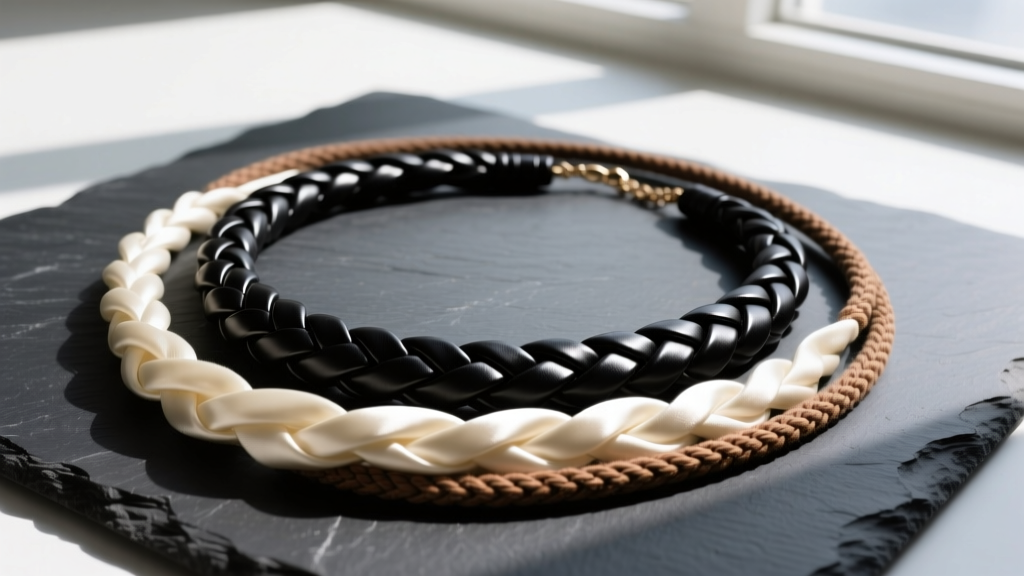
When curating the perfect pendant necklace, most buyers obsess over the gemstone cut, the metal purity of the bail, or the overall carat weight. Yet, the structural foundation of the piece—the necklace rope cord—is frequently an afterthought. In 2026, as jewelry trends lean heavily into mixed-media designs and oversized artisan pendants, selecting the correct cord is no longer just an aesthetic choice; it is a critical engineering decision. A mismatched cord will fray, snap, or degrade, turning a valuable heirloom into a lost gemstone on the floor.
This comprehensive buying guide strips away the guesswork. We will dissect material grades, exact millimeter thicknesses, clasp failure modes, and the physics of bail friction, giving you the exact framework needed to buy or specify the right necklace rope cord for any pendant.
Why Your Pendant Needs the Right Necklace Rope Cord
The primary function of a necklace rope cord is load-bearing, but it must also withstand environmental stressors and kinetic friction. Every time you move, the bail of your pendant acts as a micro-abrasive against the cord. According to structural analysis shared by Jewelry Making Daily, a heavy pendant swinging on a thin, natural-fiber cord can saw through the material in a matter of weeks due to repetitive friction at the bail loop.
Furthermore, the cord must complement the pendant's visual weight. A delicate 2mm silk cord will look disproportionately fragile when paired with a heavy, raw-stone geode pendant, while a thick 5mm braided leather cord will visually choke a lightweight, minimalist gold charm. Matching the cord to the pendant's physical weight, bail size, and aesthetic profile is the cornerstone of professional jewelry styling.
Material Breakdown: Silk, Leather, Cotton, and Synthetics
The market is saturated with cord options, but they generally fall into four distinct material categories. Each has specific failure modes and ideal use cases.
1. Silk and Natural Fibers
Silk (most notably Griffin brand silk) is the traditional standard for pearl knotting and lightweight glass or gemstone pendants. It drapes beautifully and possesses a natural luster. However, silk is highly susceptible to moisture rot, UV degradation, and body oils. Failure mode: Fraying at the clasp and silent snapping when exposed to sweat or humidity over time. Best for: Pendants under 15 grams worn occasionally.
2. Genuine Leather (Round and Flat)
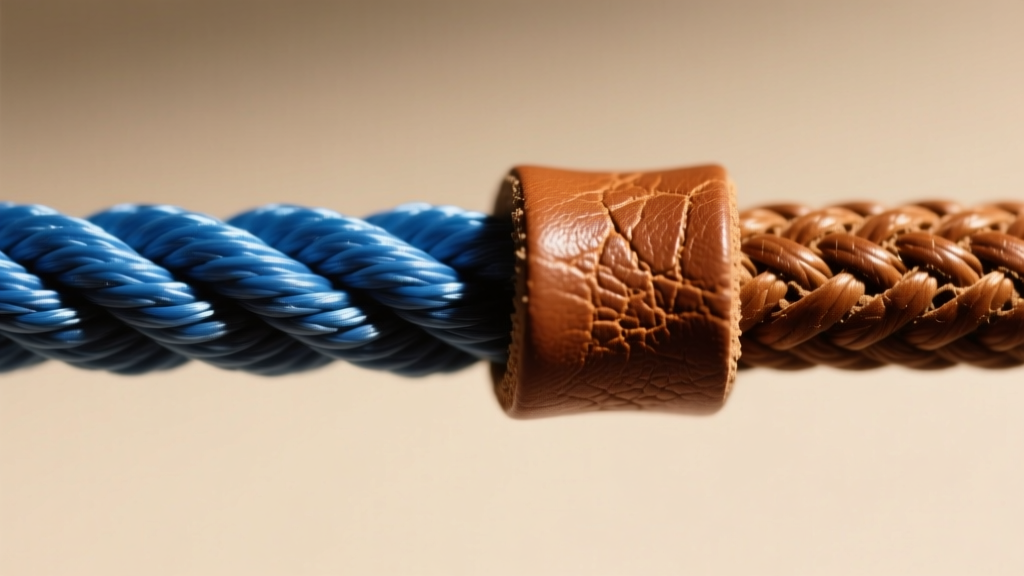
Leather offers a rugged, organic aesthetic. Premium Greek leather is treated for durability and colorfastness, whereas cheaper, mass-produced cowhide can dry out and crack. Round leather cords (1mm to 5mm) are ideal for sliding knots and heavy metal pendants. Failure mode: Dry rot and catastrophic snapping at the metal crimp tube, where the leather is compressed and weakened. Best for: Earthy, bohemian, or men's jewelry designs featuring heavy silver or bronze pendants.
3. Waxed Cotton and Linen
Waxed cotton and Irish linen cords provide excellent tensile strength and a matte, artisanal finish. The wax coating repels light moisture and prevents the fibers from unraveling. Failure mode: The wax coating can melt or transfer onto clothing if exposed to high heat (like a hot car in summer). Best for: Handmade artisan pendants, pottery beads, and rustic metalwork.
4. Modern Synthetics (Nylon, Polyester, S-Lon)
Synthetic cords like S-Lon or C-Lon nylon are the workhorses of modern jewelry making. They are impervious to water, UV-resistant, and boast immense tensile strength relative to their diameter. Failure mode: They rarely fail structurally, but the ends can melt if exposed to an open flame during finishing. Best for: Everyday wear, beach jewelry, and heavy pendants requiring a thin cord profile.
Thickness and Gauge: Matching Cord to Pendant Weight
Selecting the correct millimeter (mm) thickness is non-negotiable. If the cord is too thin, it will slice into the wearer's neck and snap under kinetic load. If it is too thick, it will not pass through the pendant's bail. Below is the industry-standard framework for matching cord thickness to pendant weight.
| Pendant Weight | Cord Thickness (mm) | Ideal Material | Bail Requirement |
|---|---|---|---|
| Under 10g | 0.5mm - 1.0mm | Silk, S-Lon Nylon | Standard jump ring or small tube bail |
| 10g - 25g | 1.5mm - 2.0mm | Waxed Cotton, Thin Leather | Medium loop bail or wire-wrapped loop |
| 25g - 50g | 2.5mm - 3.0mm | Round Leather, Braided Nylon | Large tube bail or donut bail |
| Over 50g | 4.0mm - 6.0mm | Thick Braided Leather, Steel Core | Heavy-duty sterling silver tube bail |
Expert Tip: Always measure the inner diameter of your pendant's bail before purchasing a necklace rope cord. A 3mm leather cord requires a bail with an inner diameter of at least 4mm to allow for movement and prevent abrasive binding.
Bail Friction and Cord Protectors
One of the most overlooked aspects of buying a necklace rope cord is mitigating bail friction. Metal bails, especially those made of unpolished cast silver or rough iron, act like microscopic saw blades against organic cords like leather and cotton. Over time, the cord will thin out exactly at the friction point and snap, dropping the pendant.
To combat this, experts at the Gemological Institute of America (GIA) and master jewelers recommend using cord protectors or wire guards. For high-value pendants on a leather necklace rope cord, consider having a jeweler install a smooth, polished sterling silver or 14k gold tube lining inside the bail. Alternatively, you can use a flexible wire guardian (a tiny U-shaped metal tube) looped through the bail, allowing the cord to rest against smooth metal rather than a rough casting edge.
Clasp Hardware and End Caps: The Hidden Weak Points
A necklace rope cord is only as strong as its termination point. The transition from flexible cord to rigid metal clasp is the most common point of structural failure. When shopping for pre-made cords or finishing your own, pay strict attention to the end cap mechanism.
Glue-In Cord Ends
These feature a small metal cup that the cord is inserted into and secured with adhesive. The Adhesive Matters: Never use standard super glue (cyanoacrylate), as it dries brittle and shatters under the flexing motion of a necklace. Use G-S Hypo Cement for thin synthetic and silk cords (it wicks into the fibers), or E6000 Jewelry Adhesive for thick leather cords (it remains slightly flexible after curing).
Crimp and Fold-Over Ends
These metal caps are crushed onto the cord using chain-nose pliers. While they provide excellent mechanical grip, they can crush and weaken natural fibers like leather. If using fold-over ends on a leather necklace rope cord, apply a drop of flexible adhesive inside the fold before crimping to distribute the pressure and prevent the leather from shearing.
Magnetic Clasps
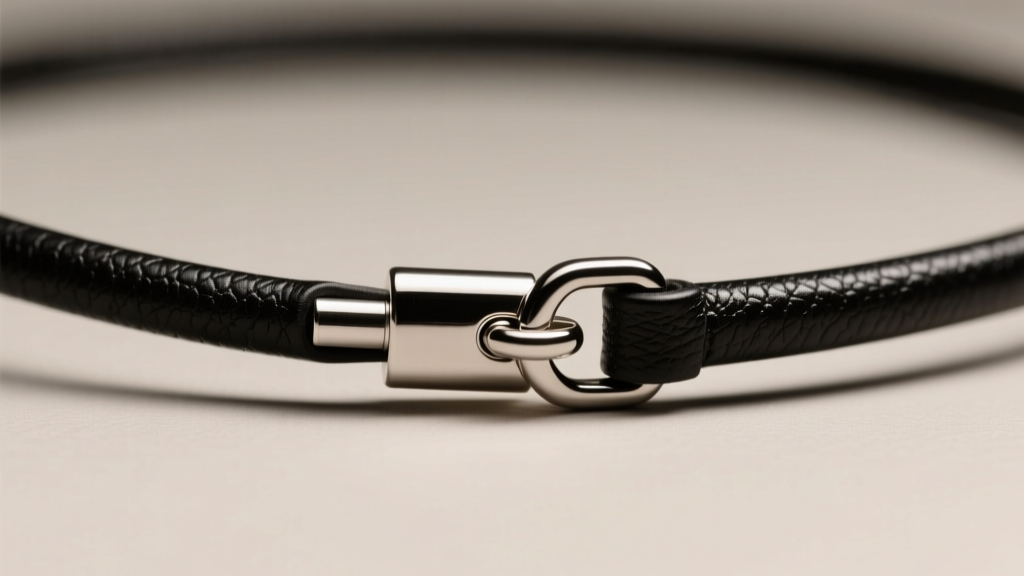
Magnetic clasps are highly popular for thick leather and synthetic cords due to their ease of use. However, ensure the magnetic clasp features a locking twist mechanism or a secondary safety chain. Cheap, slip-on magnetic clasps will detach if the cord catches on a sweater, resulting in a lost pendant.
Adjustable Sliding Knots vs. Fixed Hardware
Not every necklace rope cord requires metal hardware. For a minimalist, adjustable look, macramé sliding knots (such as the square knot or snake knot) are an excellent choice. This technique is particularly effective with waxed cotton, nylon, and S-Lon cords, as the wax or synthetic texture provides the necessary friction to hold the knot in place without slipping.
When buying cords specifically for sliding knots, avoid smooth, polished leathers or silk, as the knots will loosen throughout the day. According to the cord specialists at Fire Mountain Gems' EncycloBEADia, a 1mm to 1.5mm waxed linen or nylon cord offers the perfect balance of knot security and smooth adjustability for the wearer.
Price Ranges and Final Buying Advice
When budgeting for a necklace rope cord, expect to pay based on material origin and hardware quality:
- Basic Cotton/Synthetic Cords (Base Metal Clasps): $5 - $12. Ideal for casual wear, beach jewelry, and lightweight resin pendants.
- Premium Waxed Linen & Greek Leather (Sterling Silver Caps): $25 - $60. The sweet spot for everyday artisan jewelry and mid-weight gemstone pendants.
- Designer Silk & Braided 14k Gold Wire Cords: $80 - $250+. Reserved for high-end, lightweight diamond or sapphire pendants where the cord itself is a luxury component.
Ultimately, the perfect necklace rope cord balances tensile strength, bail compatibility, and aesthetic harmony with your pendant. By prioritizing material integrity and proper termination hardware over mere color matching, you ensure that your jewelry remains secure, comfortable, and structurally sound for years to come.


