A Beginner's Guide to the Different Kinds of Necklace Chains
Discover the different kinds of necklace chains, from durable cable links to delicate herringbones. Learn how to choose the right metal, gauge, and clasp.

Why Chain Selection Matters More Than You Think
When most beginners shop for necklaces, they focus entirely on the pendant. But the chain is the literal foundation of your jewelry. Choosing the wrong chain can lead to broken links, lost pendants, and frustrating tangles. Understanding the different kinds of necklace chains is essential for building a versatile, durable jewelry collection. Whether you are looking for an everyday piece that can withstand the shower or a delicate layering chain for a night out, the structural integrity of the links dictates the chain's lifespan.
In this guide, we will break down the anatomy of a chain, explore the most popular link styles, and provide a framework for matching metals and gauges to your specific lifestyle.
The Anatomy of a Chain: Gauge, Links, and Clasps
Before diving into specific styles, you need to understand the three metrics that determine a chain's durability: gauge, link structure, and clasp mechanics.
Understanding Wire Gauge
Jewelry chains are measured using the American Wire Gauge (AWG) system. Counterintuitively, a higher gauge number means a thinner wire. Here is a practical breakdown for necklace chains:
- 24G to 22G (0.51mm - 0.64mm): Extremely delicate. Best for lightweight, small pendants or layering. Prone to snapping if pulled.
- 20G to 18G (0.81mm - 1.02mm): The "sweet spot" for everyday wear. Sturdy enough to hold medium-sized pendants while remaining comfortable and relatively lightweight.
- 16G to 14G (1.29mm - 1.63mm): Heavy, statement chains. Often worn alone without pendants. Highly resistant to breaking.
Clasp Mechanics and Failure Points
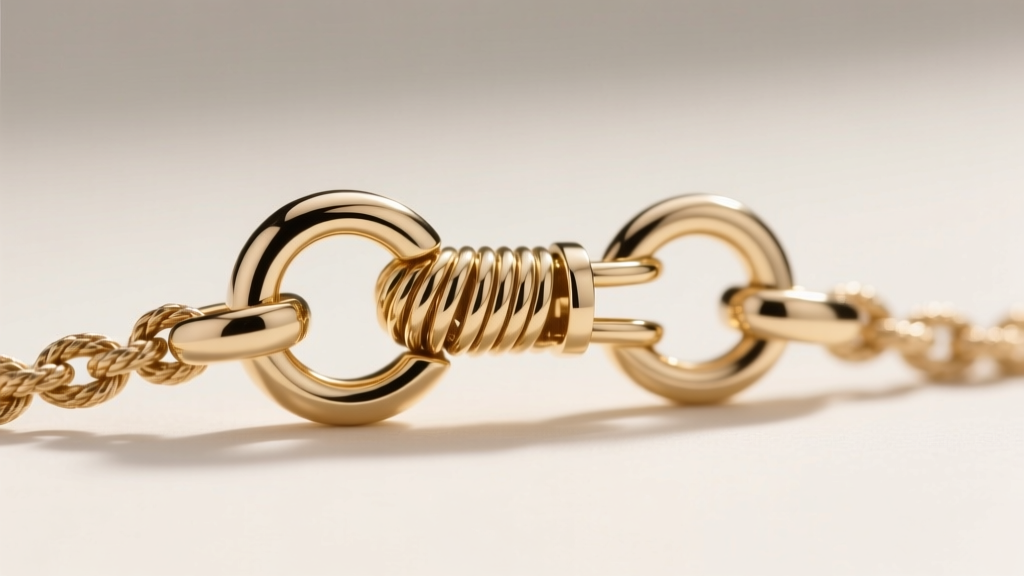
The clasp is often the first point of failure on a necklace. Spring ring clasps are common on budget chains but feature tiny internal springs that easily fail or get stuck. Lobster clasps are vastly superior; their larger lever and robust internal spring provide a secure grip. For heavy chains, a toggle clasp (a bar that pulls through a ring) is excellent, provided the chain has enough weight to keep the bar seated securely. According to the Jewelers of America, regularly checking the soldered jump ring connecting the clasp to the chain is the best way to prevent accidental loss.
7 Essential Chain Styles Every Beginner Should Know
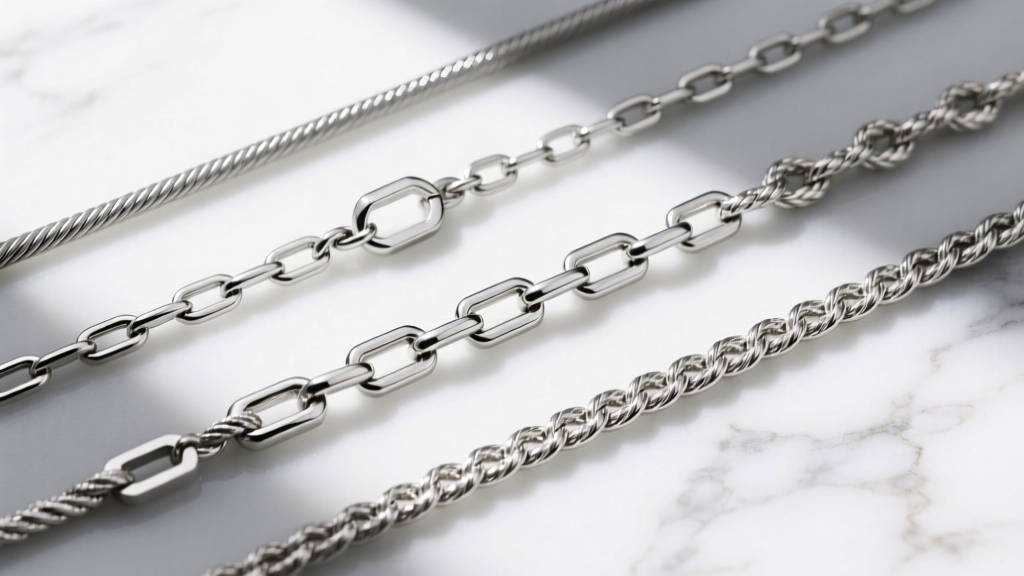
The market is flooded with variations, but almost all modern chains are derivatives of a few foundational link structures. Here are the most common styles you will encounter.
1. Cable Chain
The cable chain is the most traditional and ubiquitous style. It consists of uniform oval or round links connected to one another. Because the links are simple and uniform, cable chains are incredibly easy for jewelers to repair if a link pulls apart. They are lightweight, classic, and serve as the perfect unobtrusive backdrop for a prominent pendant.
2. Curb Chain
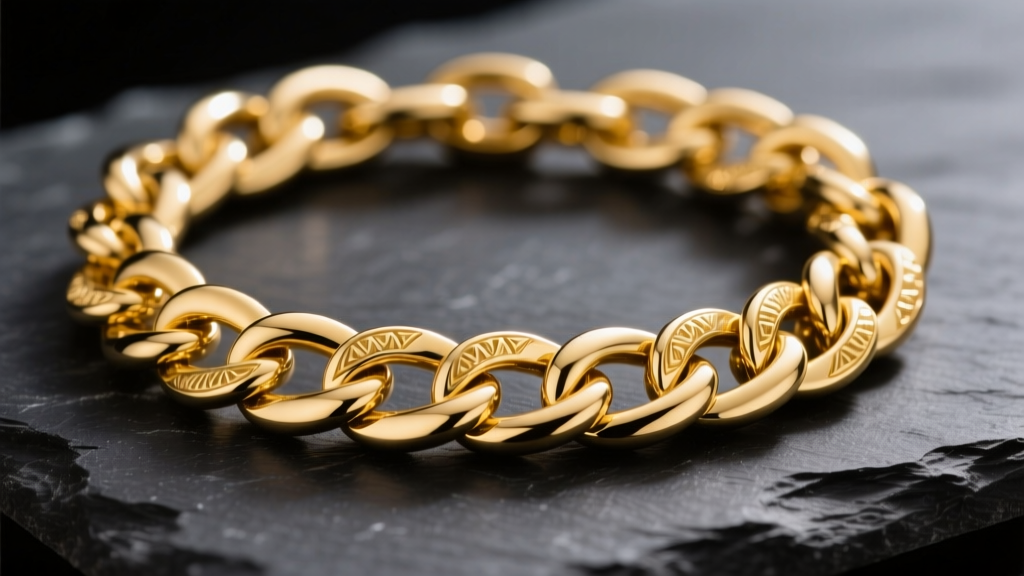
Curb chains are created by taking a cable chain and twisting or flattening the links so they interlock and lay perfectly flat against the skin. This flattening process increases the chain's structural rigidity. Curb chains are highly durable, resist tangling, and have a bold, unisex aesthetic. They are a staple in both fine jewelry and streetwear.
3. Figaro Chain
Originating in Italy, the Figaro chain is a variation of the curb chain. It features a distinct pattern, typically consisting of three short links followed by one long link. This alternating pattern adds visual interest and texture, making it a popular choice for wearing solo without a pendant.
4. Box Chain
Box chains are constructed from square, interlocking links that create a smooth, geometric, and modern look. They are exceptionally strong and reflect light beautifully from their flat surfaces. However, their failure mode is specific: if a square link gets crushed or bent out of shape, it is nearly impossible for a jeweler to hammer it back into a perfect square, making repairs difficult.
5. Rope Chain
Rope chains are made by twisting small metal links together to mimic the appearance of a woven rope. This complex structure makes them highly durable and incredibly sparkly, as the twisted facets catch light from multiple angles. They are heavy, luxurious, and excellent for supporting weighty pendants.
6. Snake Chain
Snake chains feature tightly joined wavy rings that form a smooth, flexible, tubular surface resembling snake skin. While elegant and fluid, they have a notorious failure mode: they easily catch on body hair and can snap internally if bent sharply. They should never be worn to sleep or subjected to heavy pulling.
7. Herringbone Chain
Herringbone chains consist of flat, short, parallel links set in a V-shaped pattern. They lay completely flat and offer a liquid-metal drape that is unmatched in elegance. However, they are the most fragile of all chain types. If a herringbone chain folds or kinks, the links permanently bend out of alignment, creating a weak hinge that will eventually snap. Many jewelers refuse to solder them because the heat required can discolor the surrounding flat links.
Durability & Failure Modes: A Comparative Analysis
Not all chains are built for daily abuse. Use the table below to match the chain style to your intended wear pattern.
| Chain Style | Durability (1-5) | Repairability | Best Use Case |
|---|---|---|---|
| Cable | 3 | Excellent | Everyday pendant wear |
| Curb | 5 | Very Good | Statement pieces, heavy pendants |
| Figaro | 4 | Good | Solo wear, textured layering |
| Box | 4 | Poor (if crushed) | Modern geometric pendants |
| Rope | 5 | Difficult | Heavy gold chains, heirloom pieces |
| Snake | 2 | Poor | Occasional wear, sleek aesthetics |
| Herringbone | 1 | Very Poor | Special occasions only |
Matching Metals to Your Lifestyle
The metal you choose dictates the chain's maintenance requirements, skin compatibility, and long-term value. The Gemological Institute of America (GIA) notes that understanding alloy compositions is critical for predicting how a metal will wear over time.
- 316L Stainless Steel: The ultimate budget and lifestyle metal. It is highly resistant to tarnish, waterproof, and hypoallergenic. It will not turn your skin green, making it perfect for gym-goers and swimmers. However, it is very hard, meaning resizing or repairing a broken steel chain is often more expensive than replacing it.
- 925 Sterling Silver: An alloy of 92.5% pure silver and 7.5% copper. The copper adds necessary strength but also causes the metal to tarnish when exposed to sulfur and moisture in the air. It requires regular polishing with a microfiber cloth but remains a highly affordable entry point into fine jewelry.
- 14k vs. 18k Gold: Pure 24k gold is too soft for chains. 18k gold (75% pure gold) offers a rich, buttery yellow hue but is relatively soft and prone to scratching. 14k gold (58.3% pure gold) is mixed with stronger alloys like zinc and copper, making it significantly more durable, scratch-resistant, and ideal for everyday chains that need to withstand friction and pulling.
- Platinum: A dense, heavy, and naturally white metal. It is hypoallergenic and incredibly durable. When platinum scratches, the metal is merely displaced, not lost, meaning it can be polished indefinitely without thinning the chain.
Expert Tips for Buying Your First Quality Chain
When evaluating a chain in a store or online, perform these three quick checks to ensure you are getting a quality piece:
- The Drape Test: Hold the chain by the clasp and let it hang. A good chain should fall straight without twisting or curling back on itself. If it spirals, the links were poorly calibrated during manufacturing.
- The Light Check: Look closely at the jump rings (the small rings connecting the links and the clasp). They should be cleanly soldered shut with no visible gaps. An unsoldered jump ring will eventually pull open under the weight of a pendant.
- The Hair Snag Test: Gently run the chain across the back of your hand or a piece of fine silk. Chains like herringbone or poorly finished rope chains will catch on fine fibers. If it catches on silk, it will catch on your hair and sweaters.
Conclusion
Navigating the different kinds of necklace chains doesn't have to be overwhelming. By prioritizing the structural integrity of the link, selecting an appropriate gauge for your pendant's weight, and choosing a metal that aligns with your daily activities, you can invest in a piece that lasts a lifetime. For beginners, a 20G or 18G 14k gold cable or curb chain with a sturdy lobster clasp remains the most versatile, durable, and foolproof starting point for any jewelry collection.


