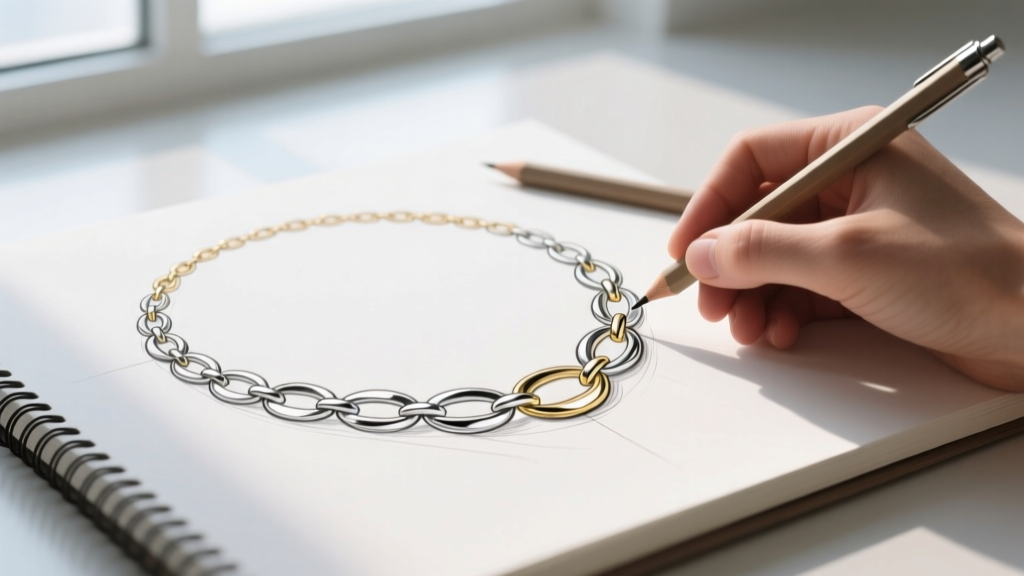
Craft Necklace Trends 2026: Elevating Artisan Jewelry
Discover the 2026 craft necklace trend. Learn how to style, layer, and invest in artisan, mixed-media, and handmade necklaces for elevated wear.

The Renaissance of the Craft Necklace in 2026
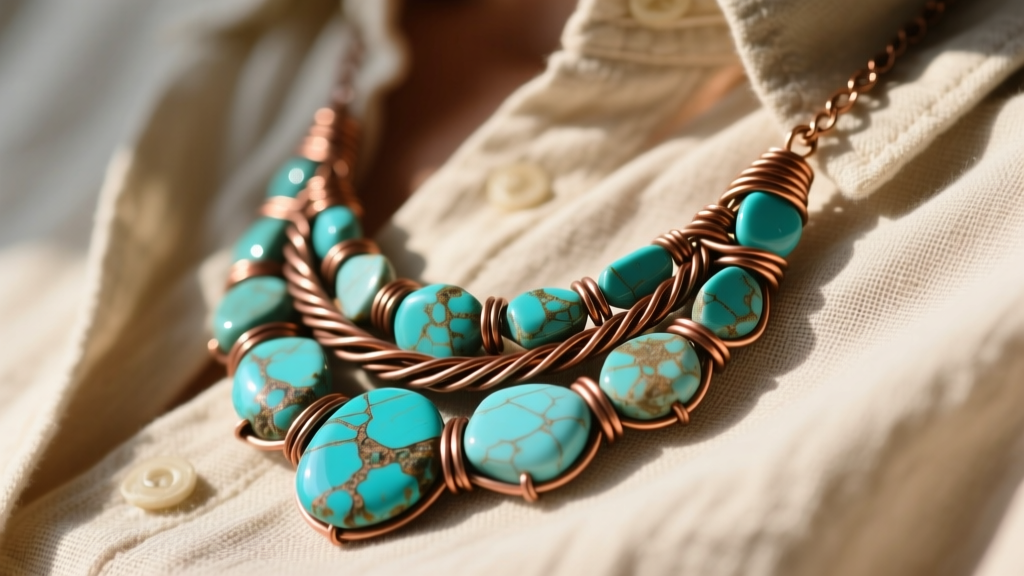
The jewelry landscape of 2026 has decisively pivoted away from the hyper-polished, mass-produced minimalism of the early 2020s. In its place, the craft necklace has emerged as a dominant sartorial force, bridging the gap between high fashion and grassroots artisanal design. No longer relegated to festival wear or bohemian clichés, today's craft necklace is a masterclass in tactile expression, mixed media, and intentional imperfection. This trend is driven by a consumer craving for uniqueness, sustainability, and the visible human touch in an increasingly digital world.
As style analysts, we are seeing a surge in demand for pieces that showcase the maker's process—visible wire wraps, hand-knotted silk cords, and raw, uncalibrated gemstones. However, navigating the artisan market requires a discerning eye. The line between a masterfully constructed craft necklace and a poorly assembled hobbyist piece can mean the difference between a lifelong heirloom and a tarnished disappointment. This guide breaks down the materials, construction techniques, and styling frameworks you need to master the craft necklace trend.
Core Materials Defining the Artisan Aesthetic
The foundation of any exceptional craft necklace lies in its material integrity. Artisan jewelers are moving away from generic plated chains and embracing materials that develop a patina and tell a story over time.
- Recycled & Raw Metals: Unlacquered brass, oxidized copper, and hammered recycled sterling silver are the metals of choice. Unlike rhodium-plated commercial jewelry, these metals interact with the wearer's environment, developing a unique oxidation layer that enhances the "craft" aesthetic.
- Upcycled & Found Elements: Sea glass, reclaimed ceramic shards, and upcycled trade beads are being integrated into high-end wire-wrapped settings, elevating discarded materials into luxury focal points.
- Organic Cording: Hand-spun silk, waxed linen, and braided leather are replacing standard metal chains for pendant suspension, offering a softer, more organic drape that conforms to the collarbone.
Wire Wrapping & Gauge Specifics
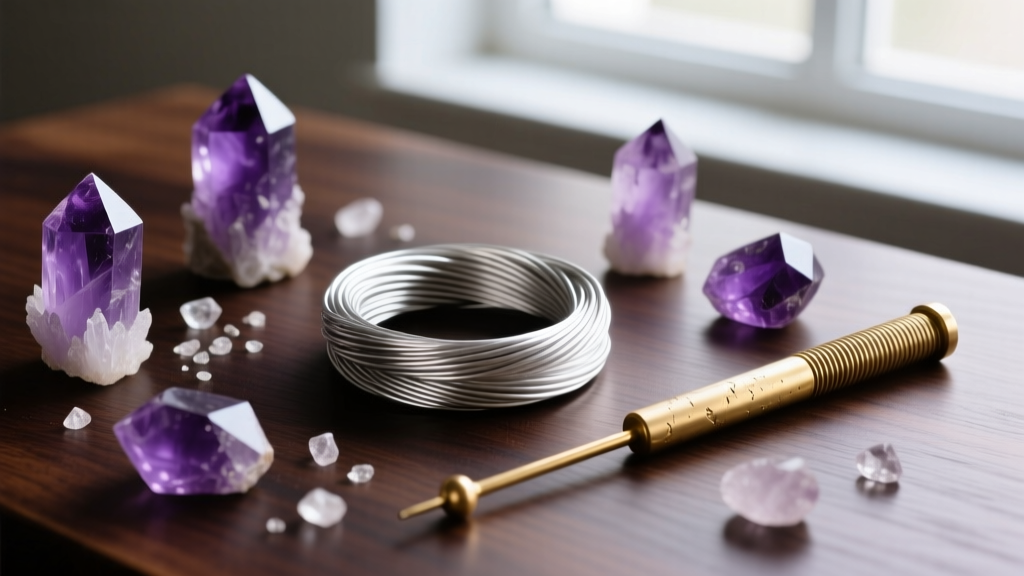
Wire wrapping is the backbone of the modern craft necklace, but the technical execution separates the professionals from the amateurs. According to metallurgical standards outlined by Rio Grande, a premier jewelry supply authority, the gauge and temper of the wire dictate the structural integrity of the piece.
For structural frames and bail construction, artisans rely on 20-gauge (0.81mm) half-hard wire. The half-hard temper provides enough malleability to bend around a stone while possessing the tensile strength to hold its shape under the weight of a heavy pendant. Conversely, 24-gauge (0.51mm) dead-soft wire is used for intricate weaving and securing the stone. A common failure mode in lower-tier craft necklaces is the use of dead-soft wire for structural elements, which leads to the pendant warping or the stone slipping out of its bezel within weeks of wear.
The Anatomy of a High-End Craft Necklace
When evaluating a craft necklace, look beyond the focal stone and examine the findings and construction methods. The hardware is where mass-produced "artisan-style" jewelry reveals its true origins.
| Feature | Mass-Produced "Craft" Style | True Artisan Craft Necklace |
|---|---|---|
| Wire Material | Copper-plated aluminum (flakes, turns skin green) | Solid brass, pure copper, or sterling silver |
| Clasps & Findings | Standard stamped lobster clasp with jump rings | Hand-forged toggle, S-clasp, or woven button loop |
| Stone Setting | Glued cabochons in pre-made trays | Tension-set, woven wire bezels, or cold-forged prongs |
| Cord Finishing | Crimped directly onto wire (causes fraying) | Wire guardians or French wire used at stress points |
Strategic Layering: Mixing Craft with Fine Jewelry
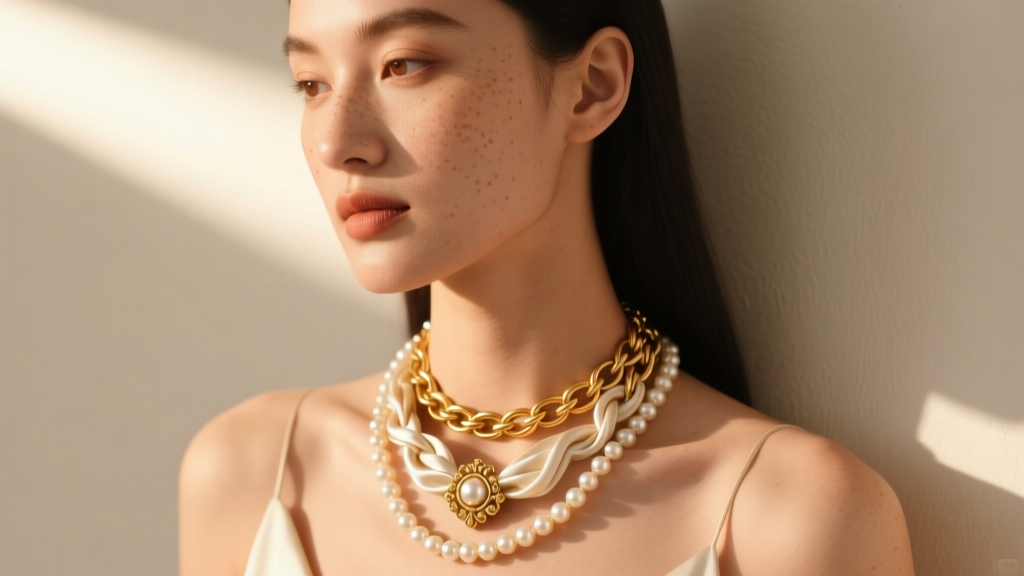
The most compelling way to style a craft necklace in 2026 is through high-low layering—pairing the rustic, tactile nature of artisan craft with the refined brilliance of fine jewelry. This creates visual tension and prevents the craft piece from looking like a costume accessory.
The 16-18-24 Layering Framework
- The Base (16 Inches): Start with a delicate, high-karat gold or platinum chain. A simple 14k gold cable chain (1.2mm width) sits snugly at the base of the throat, providing a polished anchor.
- The Focal Craft Piece (18-20 Inches): This is your artisan pendant. A raw-cut gemstone wrapped in oxidized silver or a hand-carved bone totem suspended on a waxed linen cord. The 2-inch drop difference ensures the pieces do not tangle and allows the craft pendant to rest perfectly on the sternum.
- The Grounding Element (24+ Inches): Finish with a long, unclasped lariat or a strand of matte-finish trade beads. This elongates the torso and frames the central craft necklace without competing for attention.
Neckline Pairings for Tactile Pendants
Craft necklaces are inherently voluminous and textured. Pairing them with the wrong neckline can result in a cluttered, overwhelming silhouette. Use this decision matrix to match your necklace to your wardrobe:
- The Deep V-Neck: Ideal for Y-shaped lariats or elongated wire-wrapped briolettes. The sharp angles of the V-neck complement the linear drop of the craft pendant.
- The Crew Neck / T-Shirt: Requires a shorter, chunkier craft necklace. Opt for a 16-inch hand-knotted silk cord with a cluster of raw stones that sits just above the fabric line, acting as a built-in collar.
- The Turtleneck: The ultimate canvas for oversized, mixed-media craft necklaces. A heavy, forged copper collar or a long strand of unpolished amber beads resting over the dark fabric provides striking architectural contrast.
Sourcing, Pricing, and Red Flags
The democratization of e-commerce platforms like Etsy has made artisan jewelry accessible, but it has also flooded the market with dropshipped imitations. A genuine, handcrafted artisan necklace utilizing solid metals and ethically sourced rough stones typically ranges from $85 to $450. Pieces priced below $40 claiming to be "hand-wrapped" are almost certainly factory-made using plated base metals.
Buyer's Red Flag: If every stone in a vendor's shop is identically calibrated and the wire wraps look perfectly symmetrical in a way that only a machine can achieve, you are likely looking at a CAD-cast imitation of a craft design, not a true handmade artifact.
For verified gemstone origins and treatments, always cross-reference a maker's claims with educational resources from the Gemological Institute of America (GIA). True artisans are transparent about whether their stones are dyed, heat-treated, or completely raw.
Maintenance and Common Failure Modes
Owning a craft necklace requires an understanding of its organic nature. Unlike commercial jewelry, these pieces are designed to evolve, but they also require specific care to prevent catastrophic failure.
- Oxidation Management: Copper and brass will darken. If you prefer the bright finish, polish gently with a treated jeweler's cloth. If you prefer the antiqued look, avoid harsh chemical dips, which can strip the intentional patina applied by the artisan.
- Silk & Linen Degradation: Organic cords are susceptible to moisture and perfume. Never spray fragrance directly onto a silk-knotted craft necklace, as the alcohol will dry out the fibers, leading to snapping at the clasp junction.
- Wire Work-Hardening: Over time, the friction of daily wear will further work-harden the wire wraps. While this makes the metal stronger, it also makes it more brittle. Avoid bending or adjusting the wire bezels once they are set, as repeated flexing will cause the metal to snap.
Conclusion
The 2026 craft necklace trend is a celebration of the human hand in an era of mass production. By understanding the metallurgy of wire wrapping, the structural importance of proper findings, and the art of high-low layering, you can curate a collection that is not only visually arresting but built to endure. Invest in makers who prioritize material integrity, and your craft necklaces will serve as deeply personal, tactile anchors in your jewelry wardrobe for decades to come.