How to Clean and Care for Your Rainbow Butterfly Necklace
Learn expert cleaning and maintenance tips to protect the enamel, gems, and metals of your rainbow butterfly necklace from damage.

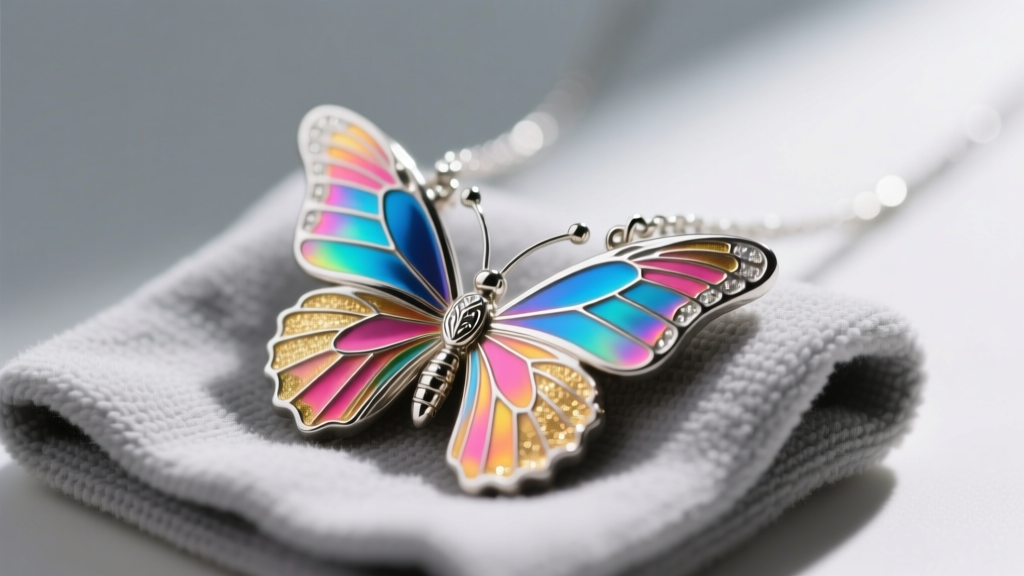
Understanding the Anatomy of a Rainbow Butterfly Necklace
Proper maintenance of a rainbow butterfly necklace requires a precise understanding of its materials. The 'rainbow' effect in modern jewelry is typically achieved through one of three distinct methods: cold enamel (epoxy resin) over sterling silver, anodized titanium, or multi-gemstone pavé settings. Each material reacts differently to environmental stressors, cleaning agents, and physical friction. While jewelry manufacturing techniques have advanced in 2026, resulting in more UV-stable cold enamel formulations, the fundamental vulnerabilities of these materials remain. Applying a generic silver cleaning method to a rainbow butterfly necklace can permanently destroy its color and structural integrity.
Before applying any cleaning solution, you must identify your necklace's specific coloration method. Cold enamel is essentially a hardened resin poured into metal recesses. Anodized titanium relies on a microscopic oxide layer that refracts light to create colors without using dyes. Gemstone versions use precisely cut stones like rainbow sapphires or tourmalines. According to the Gemological Institute of America (GIA), misidentifying a gemstone or enamel surface as bare metal is the leading cause of irreversible consumer jewelry damage.
The Step-by-Step Cleaning Protocol
Ditch the harsh commercial silver dips and ultrasonic machines. The intricate crevices of a butterfly pendant trap soap and moisture, requiring a meticulous, low-impact approach.
Method 1: Cold Enamel and Resin Wings
Cold enamel has a Mohs hardness of approximately 2.5 to 3.0, making it softer than a copper penny and highly susceptible to micro-scratching. Never use polishing cloths or abrasive pastes on enameled wings.
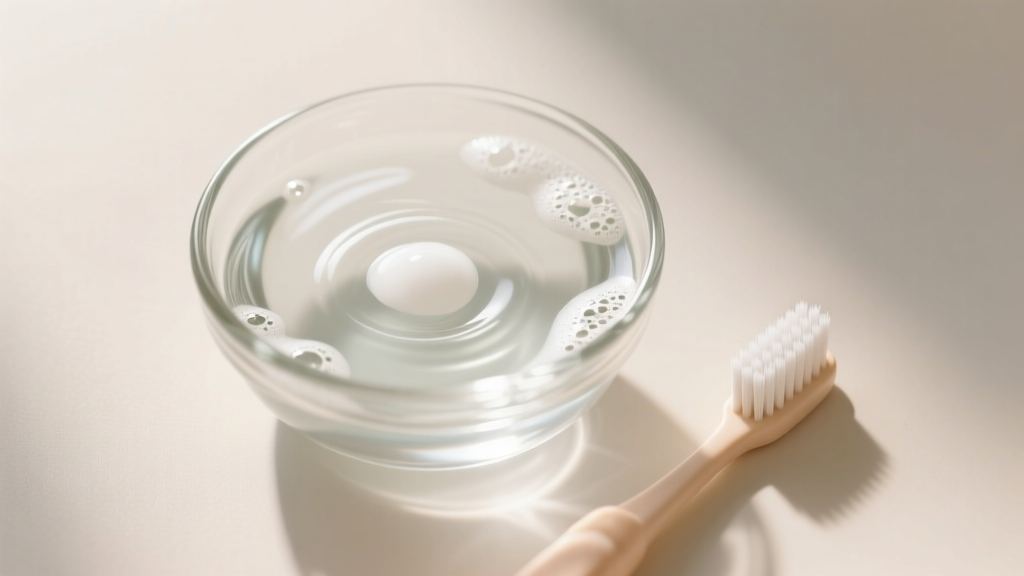
- Step 1: Mix three drops of pH-neutral dish soap (like original Dawn) into a bowl of distilled lukewarm water. Avoid tap water, as dissolved minerals can leave microscopic water spots on the glossy enamel surface.
- Step 2: Submerge the pendant for exactly 60 seconds to loosen skin oils and cosmetic residue.
- Step 3: Use a baby toothbrush (which has ultra-soft bristles) to gently agitate the metal borders surrounding the enamel. Do not scrub the enamel directly.
- Step 4: Rinse under a gentle stream of distilled water and immediately pat dry with a lint-free microfiber cloth. Air-drying will cause water spots.
Method 2: Anodized Titanium Finishes
Anodizing creates a specific oxide layer thickness that refracts light to create the rainbow effect. For example, a 90-volt current creates a vibrant green, while 20 volts produces gold. Polishing cloths contain mild abrasives (like jeweler's rouge) that will strip this microscopic layer, instantly ruining the rainbow effect and leaving dull gray metal.
- Step 1: Dampen a microfiber cloth with plain water or a dedicated, non-abrasive titanium cleaner.
- Step 2: Gently wipe the surface of the butterfly wings in one direction.
- Step 3: Dry immediately. If the titanium chain has tarnished (which is rare but possible on lower-grade alloys), clean the chain separately, avoiding contact with the anodized pendant.
Method 3: Multi-Gemstone Settings
If your rainbow effect comes from channel-set or pavé gemstones, your primary concern is the security of the prongs and the porosity of the stones. Avoid ultrasonic cleaners, as the high-frequency vibrations can shake delicate butterfly wing prongs loose, resulting in lost stones. Follow the GIA's American Gem Society guidelines for porous stones: if your rainbow includes opals or turquoise, avoid submersion entirely and use only a barely damp cloth.
The Damage Matrix: What to Avoid
To protect your investment, reference this matrix before exposing your necklace to common household hazards.
| Hazard | Effect on Cold Enamel | Effect on Anodized Titanium | Effect on Gemstones |
|---|---|---|---|
| Ultrasonic Cleaners | Shatters and cracks the resin | Safe, but unnecessary | Loosens pavé settings; fractures emeralds/opals |
| Silver Polishing Cloths | Scratches the glossy finish | Strips the oxide layer (ruins color) | Scratches soft stones like turquoise |
| Chlorine (Pools/Spas) | Causes yellowing and cloudiness | Can pit the metal over time | Degrades porous stone structures |
| Hairspray & Perfume | Creates a sticky, dulling film | Leaves a difficult-to-remove film | Coats stones, reducing light refraction |
Storage and Daily Wear Best Practices
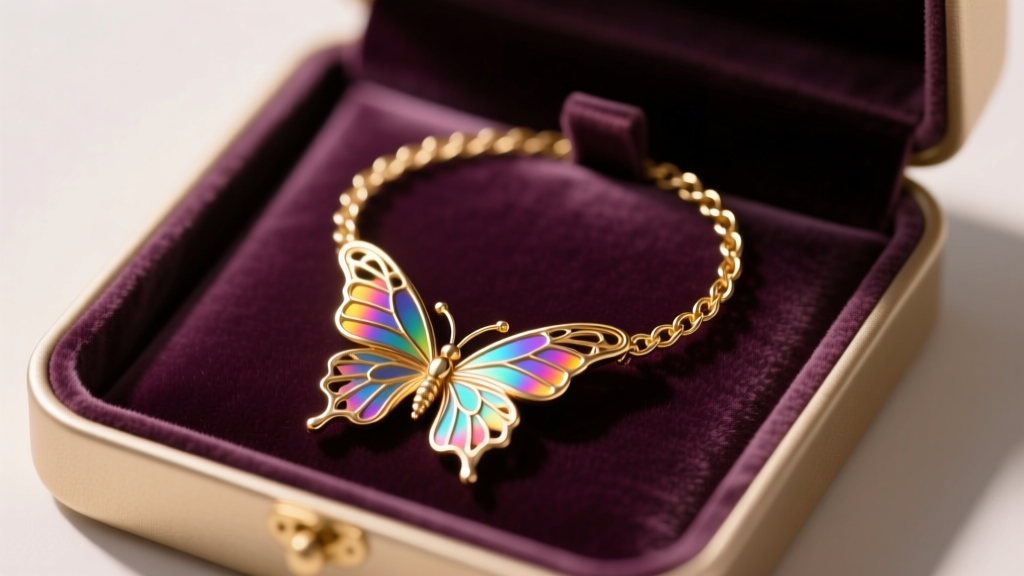
The physical shape of a butterfly pendant—specifically its wide wingspan and high aspect ratio—makes it uniquely prone to tangling. When tossed into a jewelry box, the chain easily threads through the gaps between the wings, creating severe 'rat's nest' knots that can stretch and snap delicate cable chains.
- The Straw Trick: When traveling, thread the chain of your rainbow butterfly necklace through a plastic or silicone straw before clasping it. This keeps the chain rigid and prevents it from wrapping around the pendant wings.
- Anti-Tarnish Environments: If the base metal is sterling silver, store the piece in an airtight ziplock bag with a 3M anti-tarnish strip. Tarnish (silver sulfide) often builds up in the deep crevices where the metal meets the enamel, which is incredibly difficult to clean without damaging the resin.
- Layering Friction: If you layer your butterfly pendant with other chains, ensure it is the bottom layer. Harder metal pendants swinging against it will scratch cold enamel and dull anodized finishes.
Troubleshooting Common Issues
Even with meticulous care, environmental factors can take a toll. Here is how to address specific failure modes without causing further damage.
Cloudy or Dull Enamel
If your cold enamel has lost its glass-like shine due to microscopic surface abrasions or soap scum buildup, do not use metal polish. Instead, apply a single drop of mineral oil to a microfiber cloth and buff the enamel gently. The oil fills in micro-scratches and restores the optical clarity and depth of the colors. Wipe away any excess oil from the surrounding metal to prevent it from attracting dust.
Tarnished Metal Borders
Sterling silver borders around enamel wings will naturally tarnish. Because you cannot use a polishing cloth, use a targeted chemical approach. Dip a cotton swab (Q-tip) into a high-quality silver dip solution. Carefully trace the bare metal borders, avoiding any contact with the enamel. Immediately rinse the swabbed area with distilled water to halt the chemical reaction, and dry thoroughly.
Fading Anodized Colors
If an anodized titanium rainbow butterfly necklace begins to look gray or patchy, the oxide layer has been physically worn away by friction or stripped by harsh chemicals. This damage is permanent and cannot be polished out. The only solution is to take the piece to a specialized jeweler who possesses an anodizing power supply to re-anodize the titanium and restore the voltage-specific colors.
Final Thoughts
A rainbow butterfly necklace is a statement piece that relies entirely on the optical perfection of its surfaces. By abandoning generic jewelry cleaning habits and adopting material-specific protocols, you ensure the vibrant colors and intricate metalwork remain pristine. Treat the enamel like glass, the anodized titanium like a delicate hologram, and the gemstones with the precision they demand, and your piece will retain its brilliance for decades.


