The Ultimate 18kgp Necklace Buying Guide: What to Look For
Discover what to look for when buying an 18kgp necklace. Learn about plating thickness, base metals, and how to avoid tarnish in this expert guide.

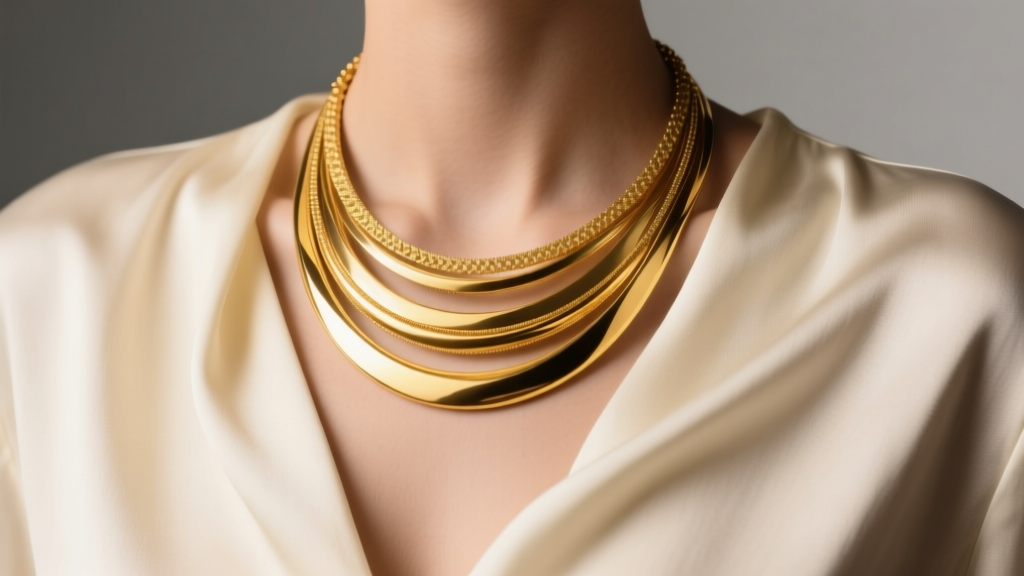
When navigating the jewelry market in 2026, the term 18kgp necklace appears everywhere, from boutique displays to viral social media storefronts. But what does this acronym actually mean, and more importantly, how do you separate a high-quality demi-fine piece from a cheap fashion accessory that will turn your skin green in a week? As a senior jewelry analyst, I have tested hundreds of plated chains and pendants. This comprehensive buying guide strips away the marketing fluff to reveal the exact metallurgical standards, plating thickness metrics, and base metal compositions you must evaluate before making a purchase.
What Exactly is an 18KGP Necklace?
The stamp 18KGP stands for 18 Karat Gold Plated. This means the necklace is constructed from a base metal that has been coated with a microscopic layer of 18-karat gold via an electrochemical process. Pure 24K gold is too soft for jewelry, so 18K gold is an alloy consisting of exactly 75% pure gold and 25% secondary metals (typically copper, silver, or zinc) to increase durability and manipulate the color tone. According to the Gemological Institute of America (GIA), the specific ratio of these alloy metals dictates whether the final plating will have a warm yellow, cool white, or pink rose hue. However, the longevity of your necklace depends entirely on two hidden factors: the base metal underneath and the exact thickness of the gold layer.
The Base Metal Matrix: What Lies Beneath
The most critical point of failure in any 18kgp necklace is the core metal. If the base metal oxidizes or reacts to skin acidity, it will push through the gold layer, causing blistering, flaking, and discoloration. Here is how the three most common base metals compare in real-world wear scenarios.
| Base Metal | Durability | Tarnish Risk | Skin Reaction | Best Use Case |
|---|---|---|---|---|
| Brass (Cu/Zn) | Low | High | High (Green skin) | Occasional trend pieces |
| 316L Stainless Steel | Very High | Very Low | None (Hypoallergenic) | Everyday wear, showering |
| 925 Sterling Silver | Medium | Medium | Low | Premium demi-fine (Vermeil) |
If you are buying an 18kgp necklace for daily wear, 316L stainless steel is the superior choice for the base metal. It is non-porous, meaning it will not outgas and cause the gold plating to bubble. While brass is cheaper and easier to cast into intricate pendant shapes, its high copper content guarantees a green skin reaction once the thin gold layer inevitably wears away at the clasp and jump rings.
Plating Thickness: Microns Matter
The jewelry industry measures plating thickness in microns (one-thousandth of a millimeter). This single metric dictates the lifespan of your 18kgp necklace.
- Flash Plating (0.1 to 0.5 microns): Often found in ultra-cheap fast-fashion jewelry. This layer is so thin that it can wear off within weeks of friction against the collarbone.
- Standard Plating (0.5 to 1.0 microns): Acceptable for pendants that do not experience high friction, but chain links will quickly show wear.
- Heavy Gold Electroplate / HGE (2.5+ microns): The gold standard for demi-fine jewelry. A 2.5-micron layer can withstand years of daily wear if properly maintained.
How to Read the Stamps and Hallmarks
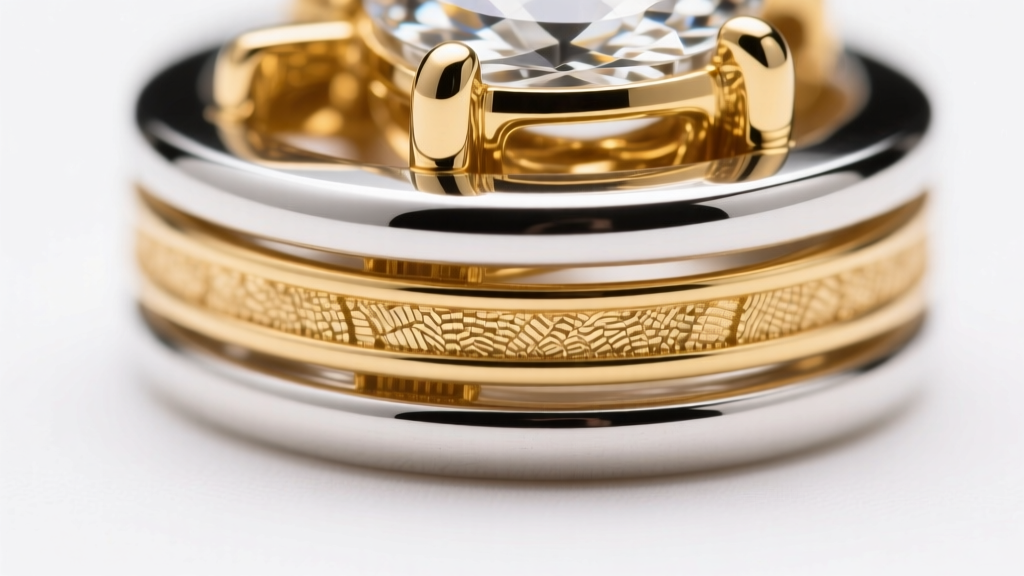
Do not blindly trust a product description. Look for physical hallmarks stamped near the clasp of the necklace. A simple 18KGP stamp indicates standard plating. If you see 18K HGE (Heavy Gold Electroplate), the piece meets the Federal Trade Commission (FTC) requirement of having a minimum gold thickness of 2.5 microns (or 1/10,000th of an inch). If the base metal is sterling silver and the gold is at least 2.0 microns thick, the piece is legally classified as Gold Vermeil, which commands a higher price but offers superior heirloom potential.
Real-World Failure Modes and How to Spot Them
Even high-quality 18kgp necklaces can fail if manufactured poorly. Here are the specific failure modes to inspect when unboxing a new piece:
- Porosity Blistering: If the base metal was not polished perfectly smooth before plating, trapped air or impurities will create microscopic bubbles under the gold. Look closely at the chain links under a bright light; any tiny bumps indicate poor factory preparation.
- Galvanic Corrosion at Jump Rings: If the manufacturer used a cheap brass jump ring to connect an 18KGP pendant to a stainless steel chain, the two dissimilar metals will create a galvanic battery when exposed to sweat, rapidly corroding the connection point.
- Clasp Friction Wear: The spring ring or lobster clasp experiences the most mechanical friction. High-quality brands will use solid 18K gold for the clasp mechanism itself, rather than plating a steel clasp, to prevent premature fading.
Pricing Tiers: What Should You Actually Pay?
Understanding the metallurgy helps you avoid being overcharged. Here is the realistic pricing matrix for 18kgp necklaces in the current market:
- $15 - $35 (Flash-Plated Brass): High margin for the seller, low longevity for the buyer. Expect tarnishing within 3 to 6 months.
- $40 - $85 (Micron-Plated Stainless Steel): The sweet spot for durable, everyday fashion jewelry. Brands utilizing PVD (Physical Vapor Deposition) or thick electroplating over 316L steel fall here.
- $90 - $250+ (18K Gold Vermeil over 925 Silver): True demi-fine jewelry. You are paying for the intrinsic value of the sterling silver core and the thick 2.5-micron 18K gold coating.
Expert Care Protocol for Maximum Longevity
To protect the 2.5-micron gold layer on a premium 18kgp necklace, you must alter your maintenance habits. Never use ultrasonic cleaners or harsh chemical dips (like silver polish), as the high-frequency vibrations and abrasive chemicals will strip the electroplated layer instantly. Instead, clean your necklace weekly using a few drops of pH-neutral dish soap, lukewarm water, and an ultra-soft baby toothbrush to gently dislodge sebum and lotion buildup from the chain links. Always dry the piece completely with a microfiber cloth before storing it in an airtight, anti-tarnish ziplock bag to halt environmental oxidation.


