The Cimaruta Necklace Gift Guide: Meaning & Occasions
Discover the ultimate cimaruta necklace gift guide. Learn about Italian amulet history, charm meanings, silver grades, and the best occasions to gift one.

The Roots of the Cimaruta: More Than Just Jewelry
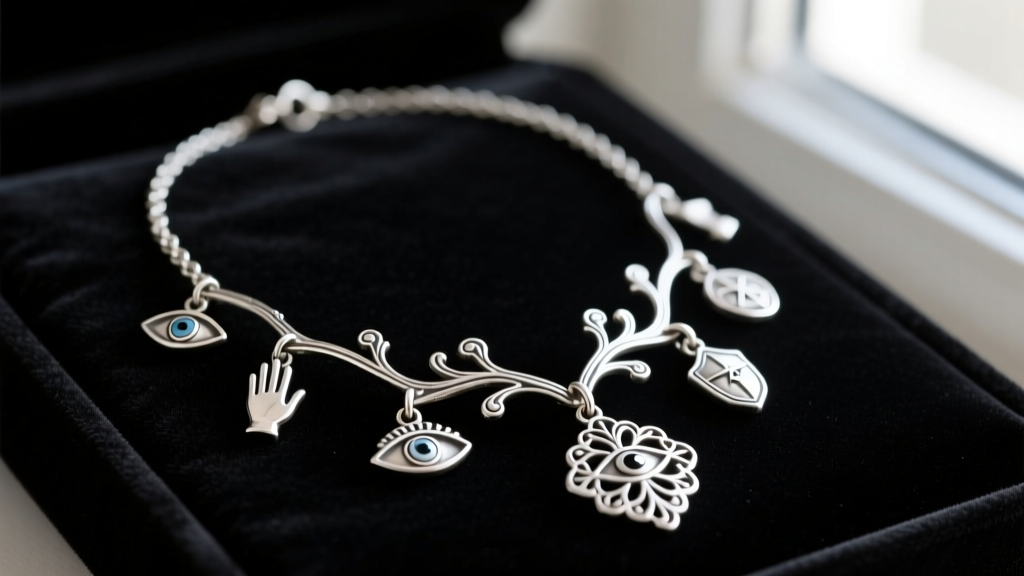
When selecting a meaningful gift that transcends fleeting fashion trends, few pieces carry the historical weight and protective symbolism of a cimaruta necklace. Originating in Southern Italy, particularly around Naples and the Amalfi Coast, the cimaruta (meaning 'top of the rue') is an ancient amulet designed to ward off the malocchio, or the evil eye. Unlike standard pendants, a true cimaruta is a complex, branching talisman modeled after the Ruta graveolens (rue) plant, a medicinal herb historically believed to possess powerful healing and protective properties.
According to historical archives at the Metropolitan Museum of Art, amulets and talismans have been utilized across Mediterranean cultures for millennia to bridge the gap between the physical and spiritual worlds. The cimaruta necklace stands out because it is not merely a single symbol, but an entire ecosystem of protective charms cast together in silver. As a gift, it communicates a profound message of guardianship, love, and a desire to keep the wearer safe from negative energies. Whether you are shopping for an antique heirloom or a modern artisan reproduction, understanding the deep roots of this piece is essential for matching it to the right occasion.
Decoding the Charms: What Each Symbol Means
A traditional cimaruta is cast in silver and features multiple miniature charms branching off a central stem. Each charm serves a specific protective function. When gifting this necklace, you can tailor your message by highlighting the specific charms present on the piece you choose.
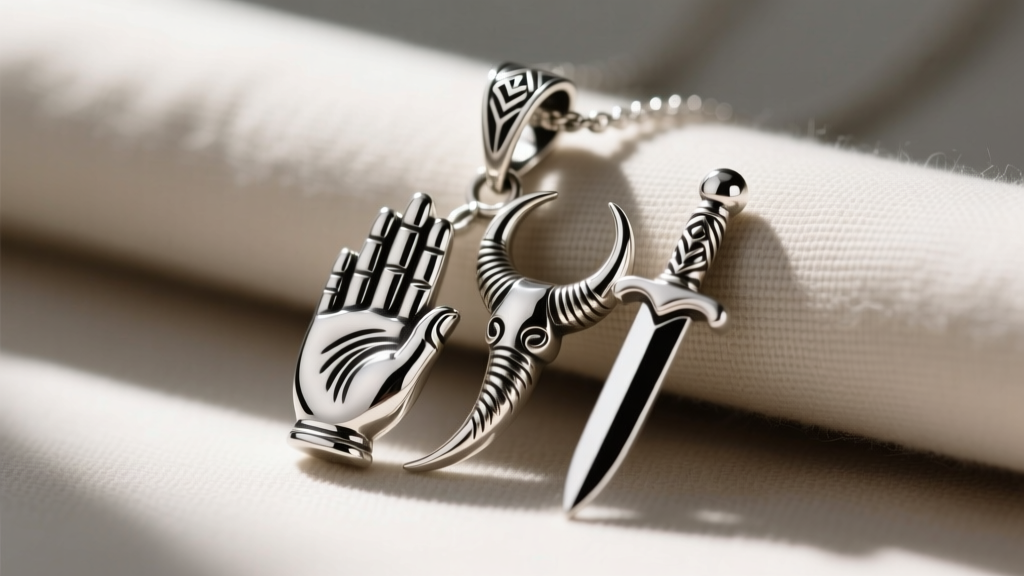
- The Cornicello (Horn): Resembling a chili pepper or an animal horn, this is the most recognizable Italian protective symbol. It represents fertility, virility, and the deflection of the evil eye. It is typically curved to 'hook' and cast away negative energy.
- The Mano Fica (Fig Hand): A fist with the thumb protruding between the index and middle fingers. Dating back to Etruscan and Roman times, this gesture is a powerful ward against malicious spirits and is often associated with feminine protection and fertility.
- The Dagger or Sword: Represents the cutting or severing of the evil eye's gaze before it can cause harm. It also symbolizes courage and the strength to overcome adversity.
- The Key: Often associated with Hecate or Saint Peter, the key symbolizes the unlocking of secrets, the guarding of the home, and the opening of new doors in life.
- The Rue Flower or Blossom: A direct nod to the medicinal rue plant, symbolizing natural healing, purification, and the soothing of ailments.
- The Hand Holding a Horn or Dagger: A combined motif that amplifies the protective gesture, actively fighting off the malocchio.
Occasion Matching: When to Gift a Cimaruta Necklace
Because of its heavy symbolism, a cimaruta necklace is rarely given as a casual accessory. It is a purposeful gift, best suited for significant life transitions where protection, luck, and grounding are needed.
1. Safe Travels and Relocations
If a loved one is embarking on a long journey, studying abroad, or moving to a new city, the cimaruta serves as a portable shield. The combination of the key (for new homes) and the horn (for safe passage) makes it an ideal bon voyage gift. It provides a tangible piece of home and heritage that travels with them.
2. New Beginnings and Graduations
The dagger and key charms represent cutting ties with the past and unlocking future potential. Gifting a sterling silver cimaruta to a recent graduate or someone starting a new business is a way of wishing them resilience against envy and the clarity to navigate new challenges.
3. Heritage and Coming-of-Age Celebrations
For families with Southern Italian roots, presenting a cimaruta necklace during a Quinceañera, an 18th birthday, or a baptism is a powerful way to pass down cultural lineage. It connects the younger generation to the folklore and protective traditions of their ancestors.
4. Pregnancy and New Motherhood
Historically, the rue plant and the Mano Fica charm were heavily associated with protecting women during childbirth and guarding infants from spiritual harm. A delicate, modern cimaruta pendant makes a deeply moving push present or baby shower gift, symbolizing a mother's fierce protection over her child.
Material Grades and Chain Pairings for Durability
To ensure your gift lasts a lifetime, you must pay close attention to the metallurgy and structural integrity of the necklace. Traditional cimarutas are exclusively crafted from silver. As noted by the Silver Institute, silver has long been associated with lunar energy, purity, and the repelling of dark forces in folklore, making it the only acceptable metal for this specific amulet.
Silver Purity and Alloys:
Look for 925 Sterling Silver (92.5% pure silver, 7.5% copper). The copper adds the necessary tensile strength for intricate casting. Some modern artisans use Argentium Silver (93.5% or 96% silver alloyed with germanium), which offers the same traditional look but is highly resistant to tarnishing. Avoid anything labeled 'silver-plated' or 'Tibetan silver,' as these lack the historical and spiritual authenticity required for a true talisman.
Chain Selection and Gauge Sizing:
A solid cast silver cimaruta is surprisingly heavy, often weighing between 15 and 40 grams depending on its size and the number of charms. A standard 0.8mm or 1.0mm chain will eventually snap under this weight. For a secure gift, pair the pendant with a sturdy chain:
- Recommended Gauges: 1.5mm to 2.5mm thickness.
- Best Chain Styles: Curb chains, Figaro chains, or heavy cable chains. These styles have interlocking links that distribute weight evenly and resist pulling.
- Clasp Hardware: Ensure the chain features a heavy-duty lobster clasp or a reinforced spring ring rated for at least 50g of tensile stress.
- Length: An 18-inch chain sits at the collarbone, keeping the heavy pendant secure and visible. A 20-inch or 24-inch chain allows the amulet to rest over clothing, which is common for protective wear.
Buyer’s Guide: Pricing Tiers and Authenticity
The market for cimaruta necklaces ranges from inexpensive costume replicas to museum-grade antiques. Use this table to determine which tier fits your gifting budget and the recipient's appreciation for history.
| Category | Material & Construction | Price Range (USD) | Best For |
|---|---|---|---|
| Antique / Vintage (1800s–1940s) | Solid silver, hand-carved molds, heavy oxidation, historical patina. | $400 – $2,500+ | Collectors, historians, and serious heritage enthusiasts. |
| Modern Artisan (Italian Makers) | 925 Sterling or Argentium silver, traditional lost-wax casting, high detail. | $150 – $350 | Meaningful life events, graduations, and high-quality daily wear. |
| Contemporary Commercial | 925 Sterling silver, mass-produced molds, sometimes rhodium-plated. | $80 – $140 | Fashion-forward recipients who appreciate symbolic jewelry. |
| Costume / Fashion Replicas | Zinc alloy, pewter, or brass with silver plating. Lightweight. | $30 – $70 | Casual gifts, cosplay, or temporary travel wear. |
Expert Tip: When buying an antique cimaruta, look for a seamless bail (the loop that holds the chain). Early 19th-century pieces were often cast in one solid piece, including the bail. Later reproductions often feature a soldered jump ring, which is a sign of 20th-century manufacturing. Folkloric traditions surrounding the evil eye and amulets are extensively covered by Britannica, which notes that the physical wear and tear on an antique amulet is often considered proof that it has successfully absorbed and deflected negative energy on behalf of its previous owner.

Care and Maintenance for Antique Silver Amulets
If you are gifting a vintage or artisan-cast cimaruta, it is vital to include care instructions. The intricate crevices where the charms branch off the main stem are notorious for trapping skin oils, lotions, and environmental dirt.
Preserving the Patina:
Many antique and artisan cimarutas feature an oxidized finish—where the recessed areas are intentionally darkened to highlight the three-dimensional relief of the charms. Never use harsh chemical silver dips or ultrasonic cleaners on these pieces, as they will strip the oxidation and leave the amulet looking flat and artificially white. Instead, use a soft, dry microfiber polishing cloth to gently buff only the raised, high-contact areas of the silver.
Storage:
Because the charms are rigid and can scratch one another if jostled, store the cimaruta necklace flat in a velvet-lined jewelry box or an anti-tarnish flannel pouch. Keep it away from high humidity and direct sunlight. By presenting this necklace with a proper storage pouch and a note explaining its rich history, you elevate the gift from a simple accessory to a cherished, protective heirloom that the recipient will value for a lifetime.


