The Ultimate Beginner Guide To The Necklace White Beads Trend
Discover how to choose, style, and care for a white bead necklace. Our beginner guide covers materials, lengths, and neckline pairings for timeless wear.

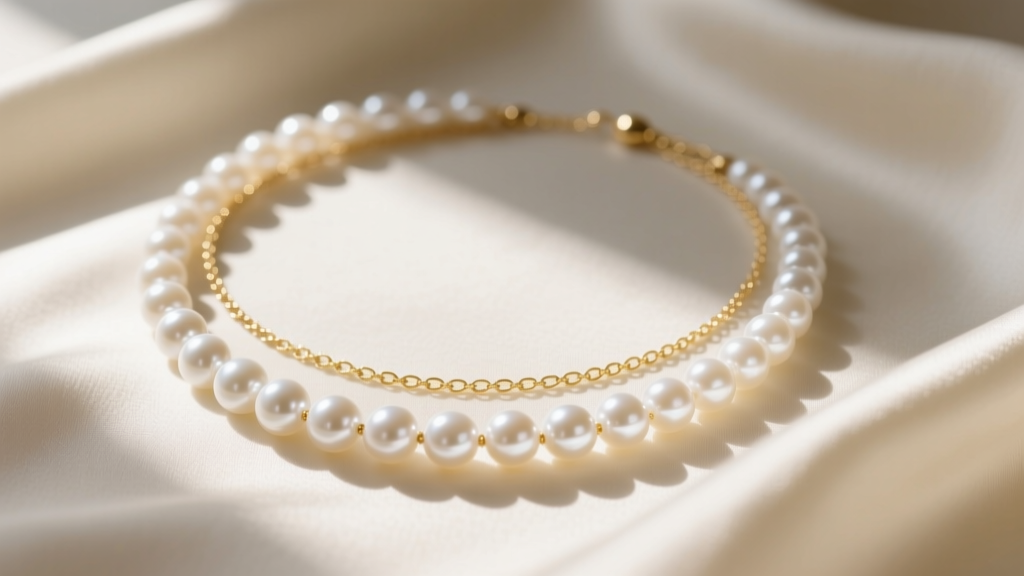
In the realm of beaded jewelry, the necklace white beads category encompasses everything from organic freshwater pearls to carved howlite and luminous moonstone. For beginners stepping into the world of beaded necklaces, the sheer volume of options can be overwhelming. White beads offer a clean, versatile aesthetic that bridges the gap between casual daytime wear and elegant evening layering. However, not all white beads are created equal. Understanding the mineral composition, stringing mechanics, and proper care protocols is essential to making a smart investment. This 2026 beginner-friendly explainer will decode the materials, sizing metrics, and styling frameworks you need to confidently choose and wear your first white bead necklace.
Decoding the Materials: What Are Your White Beads Made Of?
The term "white bead" is a visual descriptor, not a mineral one. When shopping, you will encounter several distinct materials, each with unique physical properties, durability ratings, and price points. According to the Gemological Institute of America (GIA), organic gems like pearls require vastly different care than silicate minerals. Below is a comparative breakdown of the most common white bead materials you will find on the market.
| Material | Mohs Hardness | Price Range (18" Strand) | Key Characteristics & Risks |
|---|---|---|---|
| Freshwater Pearl | 2.5 - 4.5 | $50 - $300+ | Organic nacre; scratches easily; sensitive to acids and perfumes. |
| Howlite | 3.5 | $15 - $60 | Porous borate mineral; often features grey matrix veins; absorbs oils. |
| Moonstone | 6.0 - 6.5 | $80 - $400 | Feldspar mineral; exhibits adularescence (blue/white sheen); cleavage planes make it prone to chipping. |
| Glass / Crystal | 5.5 - 7.0 | $20 - $120 | Heavy and durable; high refractive index; cold to the touch. |
| Acrylic / Resin | 2.0 - 3.0 | $10 - $35 | Extremely lightweight; prone to yellowing from UV exposure over time. |
Pro Tip for Beginners: Beware of "white turquoise" or "imitation pearl" listings. Dyed howlite is frequently passed off as more expensive stones, while plastic beads coated in pearl essence (essence d'orient) will eventually peel. Always check the exact mineral or material disclosure before purchasing.
Bead Sizing and Proportions: A Metric Guide
The visual weight of your necklace is entirely dictated by the millimeter (mm) diameter of the beads. Choosing the wrong size can make a piece look either like a child's toy or an overwhelming costume prop. Here is a precise sizing framework to help you match the bead scale to your intended use case.
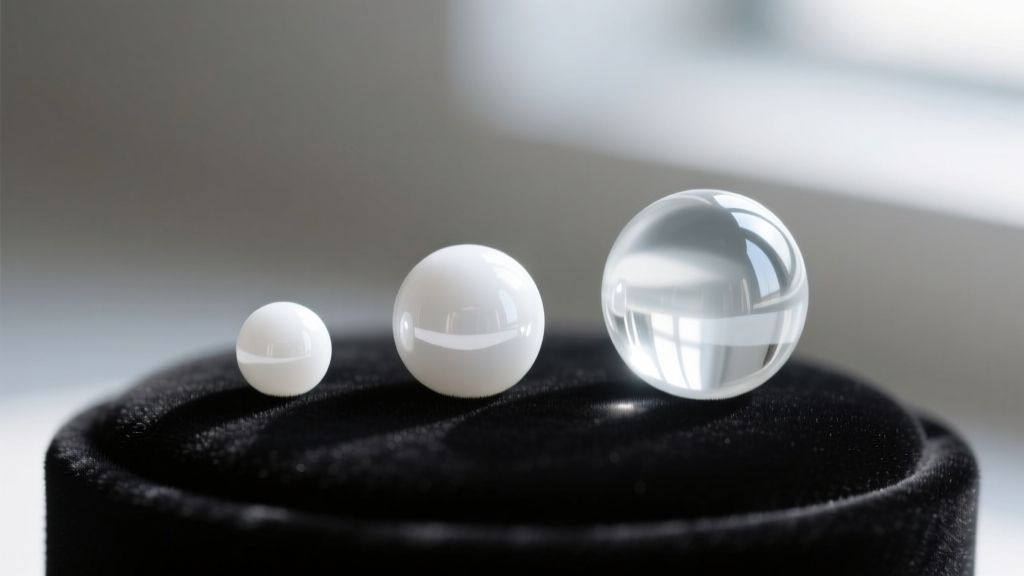
- 2mm - 4mm (Seed to Delicate): Ideal for layering. These sit flush against the collarbone and mimic the look of a delicate chain from a distance. Perfect for 14k gold-filled layering stacks.
- 5mm - 7mm (Standard / Classic): The traditional size for a classic pearl or howlite strand. Offers a balanced, elegant profile that works well with both crew necks and V-necks without dominating the outfit.
- 8mm - 10mm (Statement): Bold and highly visible. At this size, the weight of the stone becomes noticeable. Glass or heavy moonstone beads at 10mm will require a robust clasp and thicker stringing wire.
- 12mm+ (Oversized / Avant-Garde): Best reserved for acrylic or lightweight resin. A 14mm solid glass bead necklace would be uncomfortably heavy and prone to snapping standard threading.
Stringing Techniques: Why the Thread Matters
A common beginner mistake is ignoring the internal architecture of the necklace. The material holding your white beads together dictates the drape, durability, and lifespan of the piece. According to Jewelers of America, proper stringing is the first line of defense against catastrophic bead loss.
Silk Thread with French Knots
Traditionally used for freshwater pearls and high-end moonstone, silk thread (typically size #2 or #3 for 5-7mm beads) provides a fluid, fabric-like drape. Crucially, silk necklaces feature hand-tied knots between every single bead. This serves two purposes: it prevents the beads from rubbing against each other (protecting the nacre or polish), and if the strand snaps, you only lose one bead instead of the entire necklace. The ends are usually finished with "French wire" (gimp), a tiny metal coil that protects the silk from fraying against the metal clasp.
Nylon-Coated Stainless Steel Wire
For heavier glass, ceramic, or large howlite beads, jewelers use multi-strand stainless steel wire coated in nylon (brands like Beadalon). A 49-strand wire with a 0.015-inch to 0.018-inch diameter offers incredible tensile strength while maintaining flexibility. Unlike silk, wire does not require knotting between beads, but it relies on crushed metal crimp beads to secure the clasp. If you are buying a heavy stone bead necklace, ensure it is strung on 49-strand wire, not monofilament fishing line, which degrades and snaps under UV exposure and tension.
Styling Your White Beads for Modern Necklines
The days of white bead necklaces being relegated to conservative, matronly styling are over. In 2026, the focus is on juxtaposition—mixing organic, matte, or classic white beads with modern, structured, or casual garments.
The V-Neck and Pendant Pairing
A V-neckline creates a natural arrow pointing to the sternum. Pair this with an 18-inch "princess" length white bead necklace (5-6mm beads). To modernize the look, layer the bead strand with a 20-inch oxidized silver or textured gold chain featuring a geometric pendant. The contrast between the round, uniform beads and the sharp metal chain creates a curated, editorial aesthetic.
The Crew Neck Choker Stack
For high-necked crew sweaters or simple cotton tees, opt for a 15-inch choker length featuring smaller 3-4mm white beads. Stack this tightly against a 16-inch flat-curb chain. The white beads act as a visual palate cleanser, breaking up the metallic elements and drawing the eye upward toward the face.
Maintenance and Cleaning Protocols
White beads show dirt, oils, and cosmetic buildup faster than any other color. However, the cleaning method must be strictly tailored to the material's chemical sensitivity. Data from mineral databases like Mindat.org highlights how porous stones react to common household cleaners.
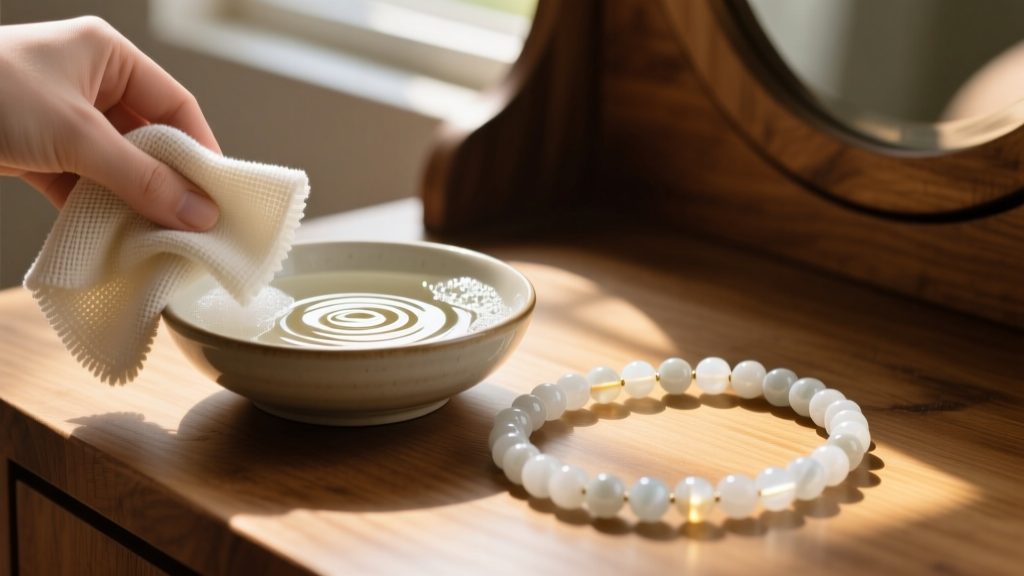
- Howlite & Porous Stones: Never use ultrasonic cleaners or steamers. Howlite is highly porous and will absorb colored dyes from cleaning solutions or even dark soaps. Wipe gently with a damp, lint-free microfiber cloth after every wear to prevent body oils from turning the bright white stone yellowish-grey over time.
- Freshwater Pearls: Pearls are organic and dissolve in acids. Avoid vinegar, ammonia, and even heavy exposure to citrus-based lotions. Clean with a barely damp cloth and a drop of mild, phosphate-free castile soap. Always lay them flat to dry; hanging a wet silk-strung pearl necklace will cause the silk to stretch and weaken.
- Glass & Acrylic: Glass can handle standard jewelry dips and ultrasonic machines. Acrylic, however, will scratch if rubbed with abrasive cloths and can cloud if exposed to alcohol-based cleaners. Use warm water and a soft sponge for acrylic beads.
By understanding the specific gravity, hardness, and chemical makeup of your chosen beads, you can build a jewelry wardrobe that remains pristine and stylish for decades. Whether you choose the organic luster of freshwater pearls or the earthy, matte finish of carved howlite, mastering these fundamentals ensures your white bead necklace remains a cornerstone of your personal style.


