Ruby Necklace Succulent Pendant Value: 2026 Guide
Discover how to evaluate a ruby necklace succulent pendant in 2026. We break down pricing tiers, lab vs. natural rubies, and botanical casting.

The Intersection of Botanical Motifs and Gemstone Luxury
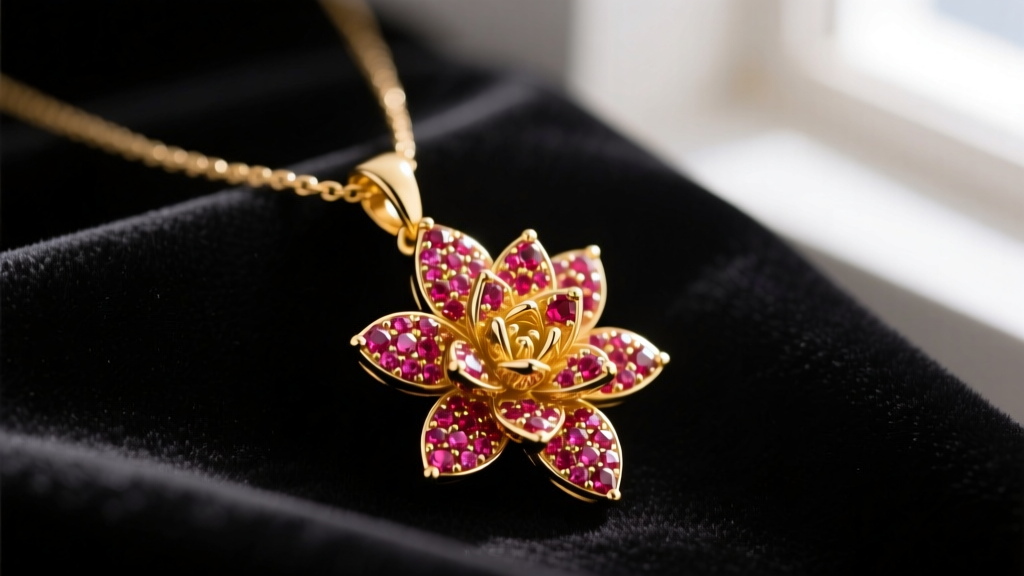
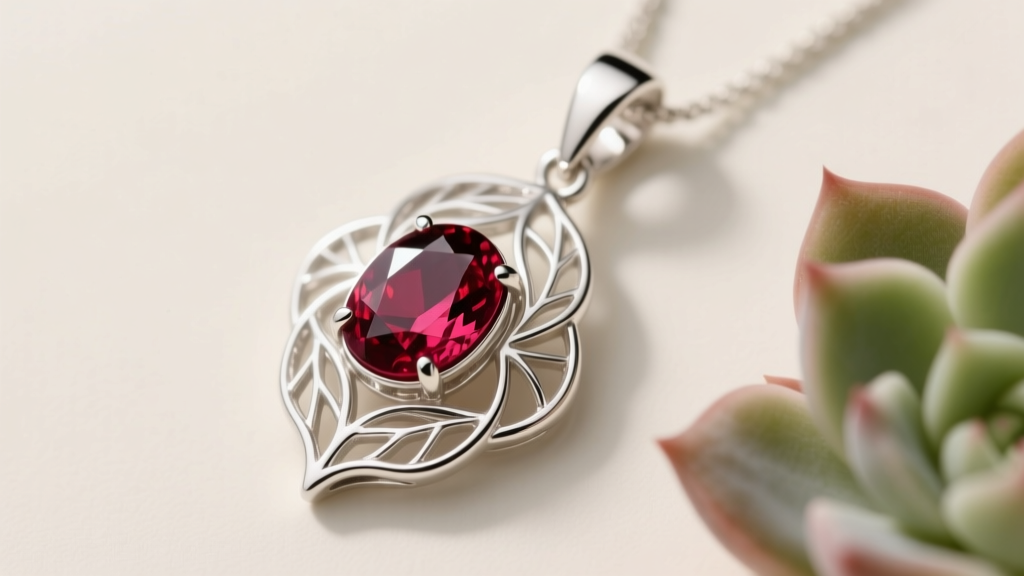
Botanical jewelry has transcended fleeting trends to become a permanent fixture in contemporary fine jewelry, with succulent-inspired designs leading the charge. When evaluating a ruby necklace succulent design, you are navigating a highly specialized niche that merges organic, asymmetric geometry with the rigid, unforgiving science of gemology and metallurgy. Succulents like the Echeveria, Sempervivum, and Aeonium feature fleshy, overlapping rosettes that are notoriously difficult to capture in metal without losing their delicate, natural essence. Adding ruby accents—whether as dew-drop bezels or micro-pavé leaf tips—introduces a new layer of complexity to the valuation process.
In 2026, the market for botanical pendants is saturated with everything from mass-produced alloy trinkets to master-crafted fine jewelry. For the discerning buyer, understanding the true value of a ruby-adorned succulent necklace requires looking past the aesthetic appeal and scrutinizing the casting techniques, gemstone origins, and metal integrity. This guide provides a comprehensive budget and value assessment to help you make an informed investment.
The Anatomy of Botanical Succulent Jewelry
Creating a realistic succulent pendant requires advanced manufacturing techniques. The most common method is lost-wax casting, where a 3D CAD model or hand-carved wax mold is used to create the metal base. Succulent leaves require varying thicknesses; the tips must be razor-thin to mimic the natural plant, while the base requires structural integrity to hold gemstone settings.
When rubies are introduced into the design, the jeweler must account for the gemstone's specific gravity and hardness. Rubies rank at a 9 on the Mohs scale, meaning they are exceptionally durable but require precise prong or bezel settings. In micro-botanical designs, jewelers typically use melee rubies (stones weighing less than 0.20 carats, often between 0.8mm and 1.5mm in diameter). The precision required to set these microscopic stones into the delicate 'leaves' of a gold or silver succulent drastically impacts the final retail price.
Decoding the Price Tiers: What Are You Actually Paying For?
To accurately assess the budget required for a ruby necklace succulent pendant, we must segment the market into three distinct tiers. The price discrepancies between these tiers are driven by metal purity, gemstone origin, and the labor intensity of the setting process.
| Quality Tier | Price Range (2026) | Base Metal | Ruby Specification | Manufacturing Method |
|---|---|---|---|---|
| Budget / Fashion | $45 - $150 | 925 Sterling Silver or Brass Vermeil | Synthetic Corundum or Red CZ | Mass Cast, Glued or Bead Set |
| Mid-Range / Artisan | $250 - $950 | Solid 10k or 14k Gold (Yellow/Rose) | Lab-Grown Rubies (Flux or Verneuil) | CAD Lost-Wax Cast, Micro-Prong Set |
| Fine / Investment | $1,800 - $6,000+ | 18k Gold or Platinum | Natural, Untreated Burmese Rubies | Hand-Fabricated, Master Pavé |
Analyzing the Mid-Range Sweet Spot
For most buyers seeking a balance of longevity, intrinsic value, and aesthetic brilliance, the mid-range tier offers the highest value proposition. Solid 14k gold ensures the piece will not tarnish or degrade when exposed to skin oils and environmental moisture, which is crucial for a pendant that rests against the collarbone. Furthermore, lab-grown rubies in this tier possess the exact same chemical, physical, and optical properties as natural rubies, providing the coveted 'pigeon blood' red fluorescence without the astronomical premium of mined stones.
Evaluating the Rubies: Lab-Grown vs. Natural in Micro-Settings
The inclusion of rubies in a botanical pendant is not merely decorative; it represents a significant portion of the piece's intrinsic value. According to the GIA's Ruby Quality Factors, color is the most critical determinant of a ruby's worth. In succulent designs, the rubies are often meant to mimic the vibrant, stressed tips of a sun-exposed Echeveria or the translucent beads of a Crassula.
The Problem with Natural Ruby Melee
Natural rubies under 2mm are incredibly rare in high clarity and saturated color. Most natural ruby melee used in commercial jewelry is heavily included, opaque, or subjected to aggressive heat treatment and lead-glass filling to improve transparency. When set into the tiny prongs of a succulent leaf, these treated stones can become cloudy or fracture if the jewelry requires ultrasonic cleaning or resizing.
The Lab-Grown Advantage for Botanical Designs
Lab-grown rubies, particularly those created via the flux-growth method, offer unparalleled color consistency. Because botanical jewelry relies on the harmonious repetition of shapes and colors (like the symmetrical rosette of a succulent), the uniform, vivid red of lab-grown stones provides a superior aesthetic result. From a budget perspective, opting for lab-grown rubies allows you to allocate more of your budget toward a heavier, higher-karat gold setting and superior craftsmanship, rather than paying a premium for microscopic, heavily included natural stones.
Metalwork, Enamel, and Finishing Techniques
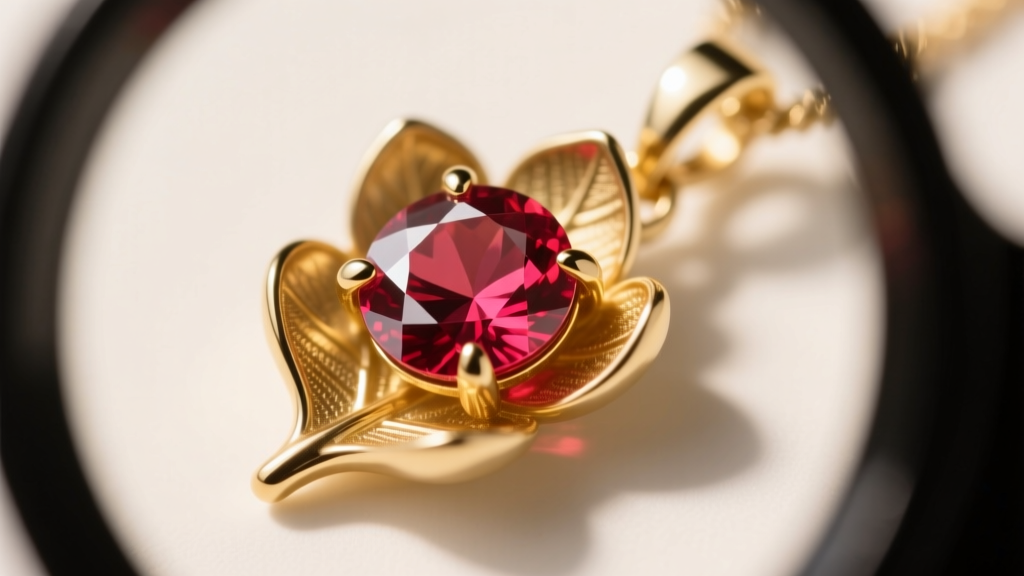
The value of a ruby necklace succulent pendant is equally dependent on the metalwork surrounding the stones. High-end botanical pieces often employ specialized finishing techniques to enhance the realism of the plant motif.
- Selective Oxidation: In sterling silver or lower-karat gold pieces, jewelers use liver of sulfur to darken the recesses between the succulent leaves. This creates depth and shadow, making the ruby accents pop vibrantly against the darkened metal crevices.
- Guilloché and Champlevé Enameling: Some premium designs incorporate translucent green or teal enamel on the base of the succulent leaves, reserving the rubies exclusively for the leaf tips or central rosette. Hand-applied vitreous enamel requires kiln firing at temperatures exceeding 1,400°F (760°C), a risky process that increases the manufacturing cost and final retail price.
- Satin and Matte Finishes: Unlike traditional high-polish jewelry, realistic succulent pendants often feature a satin or sandblasted finish on the metal to mimic the powdery 'bloom' (epicuticular wax) found on real succulent leaves. This finish requires skilled hand-brushing and is a hallmark of artisan-level craftsmanship.
Chain Selection and Proportional Value
A pendant is only as good as the chain that supports it. When budgeting for your ruby necklace, do not overlook the chain's weight and clasp mechanism. A delicate, intricate succulent pendant weighing 4 grams should be paired with a chain that offers proportional support—typically a 1.2mm to 1.5mm cable or wheat chain.
Ensure the clasp is a solid lobster claw or a secure spring ring, stamped with the appropriate metal purity hallmark (e.g., 14K, 585, or 925). Hollow chains or flash-plated base metals will inevitably break or tarnish, compromising the security of your gemstone pendant and negating the value of your initial investment.
The 2026 Buyer's Checklist for Botanical Ruby Pendants
Before finalizing your purchase, run the piece through this rigorous value-assessment checklist:
- Verify the Gemstone Origin: Ask the jeweler explicitly if the rubies are natural, lab-grown, or simulated (like spinel or CZ). Lab-grown is an excellent, ethical choice for micro-pavé botanical designs, but you should not pay natural ruby prices for them.
- Inspect the Prong Work: Using a 10x jeweler's loupe, examine the prongs holding the rubies. They should be smooth, rounded, and flush against the stone. Snagged or rough prongs indicate rushed, low-quality setting work.
- Check for Casting Porosity: Look closely at the surface of the metal leaves. Tiny pits or holes indicate porosity, a common flaw in cheap, mass-cast jewelry that weakens the structure and traps dirt.
- Demand Hallmarks: Ensure the bail or the back of the pendant features a clear stamp indicating the metal purity and the manufacturer's trademark.
- Evaluate the 3D Profile: A high-value succulent pendant will have a distinct, domed 3D profile. Flat, 2D stamped pendants lack the structural artistry required for fine botanical jewelry and should be priced strictly as costume accessories.
By understanding the intricate dance between gemological science and metallurgical art, you can confidently navigate the market. A well-crafted ruby necklace succulent pendant is more than just an accessory; it is a wearable sculpture that captures the resilience of nature and the enduring brilliance of fine jewelry.