Buckeye Necklace Repair: Fixing Cracks, Rot, and Hardware Fails
Learn how to troubleshoot and repair common buckeye necklace issues. Expert fixes for cracking, hardware pull-through, and wire wrapping slippage.

The Material Science of the Buckeye Nut
The buckeye necklace is a staple of Midwestern Americana and a beloved good luck charm, particularly among Ohio State University alumni and Appalachian crafters. However, from a jewelry-making perspective, the Ohio buckeye (Aesculus glabra) presents unique structural challenges. Unlike dense hardwoods or gemstones, the buckeye nut is a highly porous, organic seed with a high concentration of tannic acid and aesculin. According to the Ohio State University Extension, these chemical compounds make the nut mildly toxic when raw and highly susceptible to moisture fluctuations.
When crafted into a pendant, the nut's endgrain and equatorial seam become primary failure points. A buckeye necklace is not a 'wear it and forget it' accessory; it requires an understanding of organic material dynamics. If your heirloom or handcrafted buckeye pendant is failing, the root cause almost always traces back to improper moisture equalization, drilling blowout, or seasonal humidity shifts.
Diagnosing and Fixing Structural Cracks
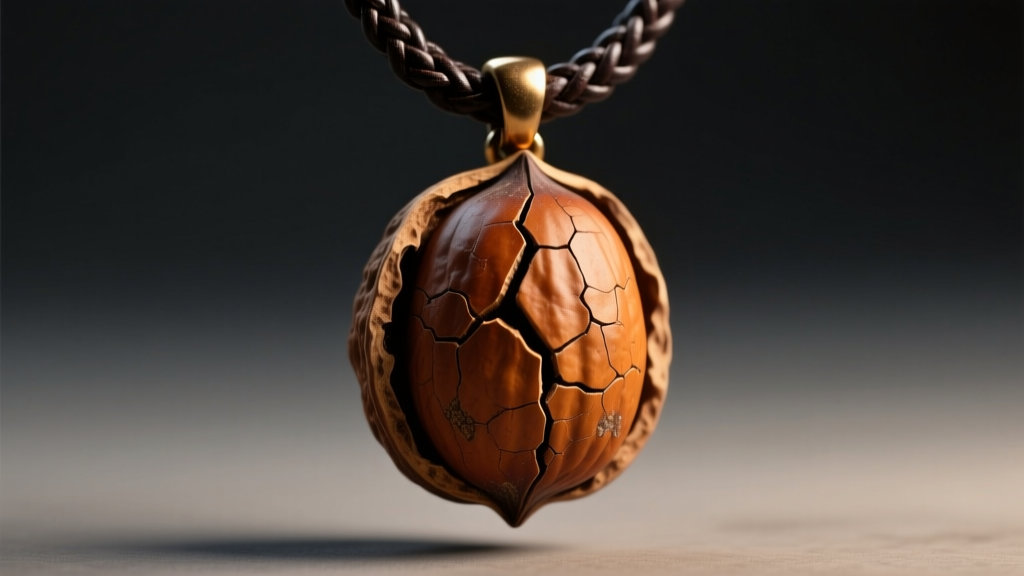
Cracking in a buckeye nut usually occurs along the equator or radiates outward from the drill hole. This happens when the outer shell dries and shrinks faster than the starchy inner core, creating immense internal tension.
The Cyanoacrylate (CA) Glue Fix
For hairline cracks that have not yet compromised the structural integrity of the pendant, thin cyanoacrylate (CA) glue is the most effective field repair. Because the buckeye shell is highly porous, thin CA glue wicks deep into the fissure via capillary action.
- Step 1: Clean the crack with a soft brush to remove dust and skin oils.
- Step 2: Apply thin CA glue directly into the seam. Do not use gel CA, as it will sit on the surface and create a glossy, visible scar.
- Step 3: Immediately spray with a CA accelerator to cure the glue in seconds, preventing it from staining the surrounding lighter-colored shell.
- Step 4: Sand lightly with 600-grit sandpaper and buff with Renaissance Wax to restore the matte finish.
Vacuum Stabilization for Chronic Cracking
If a buckeye necklace repeatedly cracks despite surface repairs, the nut must be fully stabilized. Wood stabilizers like methyl methacrylate (marketed as Cactus Juice by TurnTex Woodworks) replace the air and moisture inside the nut with a hardened acrylic resin. This requires placing the dried nut in a vacuum chamber at 29 inHg until bubbles cease, followed by baking at 200°F to cure the resin. This process increases the nut's weight by up to 15% but renders it completely impervious to future moisture-related cracking.
Solving Hardware Pull-Through and Enlarged Holes
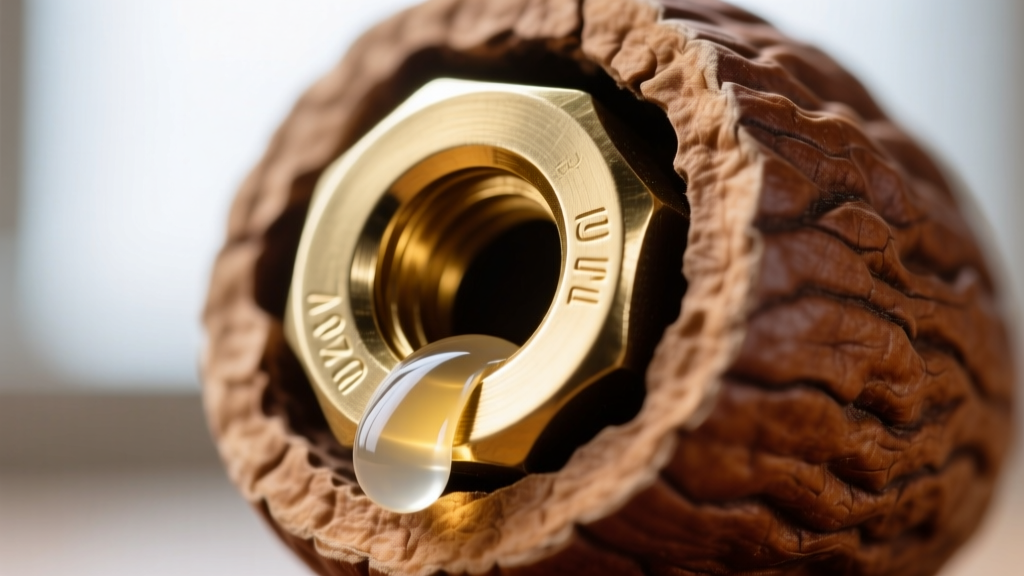
The most catastrophic failure mode for a buckeye necklace is hardware pull-through. Because the top and bottom of the nut consist of soft, pithy endgrain, a standard jump ring or wire loop will eventually chew through the material, causing the pendant to detach and fall.
The Brass Tubing Insert Method
To permanently fix an enlarged or stripped drill hole, you must reinforce the endgrain with a metal sleeve. This technique is standard in high-end organic pendants.
- Re-drill the Hole: Using a brad-point bit (which prevents blowout on the exit side), carefully enlarge the existing hole to exactly 3/16 of an inch.
- Prepare the Insert: Cut a 3/16-inch outer diameter (OD) brass tubing to the exact height of the nut, plus 1mm for sanding flush.
- Epoxy Bedding: Coat the outside of the brass tube with a slow-setting, two-part clear epoxy. Insert it into the nut, ensuring it is perfectly plumb.
- Cure and Flush: Once the epoxy cures for 24 hours, use a flush-cutting saw to trim the excess brass, and sand it perfectly level with the nut's surface.
This brass insert provides a permanent, crush-proof bearing surface for your bail, jump rings, or cord, completely eliminating the risk of pull-through.
Wire Wrapping Slippage and Tarnish Troubleshooting
Many artisan buckeye necklaces feature intricate wire wrapping, typically using 18-gauge or 20-gauge dead-soft copper or sterling silver. Two major issues plague wire-wrapped buckeyes: seasonal slippage and chemical tarnishing.
Seasonal Slippage
Organic nuts expand and contract with ambient humidity. In the humid summer months, the nut swells, tightening the wire wrap. In dry, heated winter environments, the nut shrinks by up to 2% in volume. This shrinkage causes the wire frame to become loose, allowing the nut to rattle or slip out entirely. The Fix: Design your wire harness with a 'tension lock'—a decorative coil on the back of the pendant that can be gently squeezed inward with nylon-jaw pliers to re-tension the frame against the shrunken nut during winter.
Tarnish from Tannic Acid
The tannic acid present in the buckeye shell can react with copper and silver wire, causing rapid, localized blackening where the metal touches the nut. To prevent this, seal the contact points of the nut with a micro-crystalline wax or a thin coat of shellac before wrapping. If the wire is already tarnished, avoid liquid silver dips, as they can seep into the porous nut and cause irreversible white staining. Instead, use a dry polishing cloth infused with jeweler's rouge.
Material Stability Comparison Chart
When purchasing, repairing, or commissioning a buckeye necklace, understanding the treatment level of the nut is crucial for predicting its lifespan. Below is a comparison of the four primary buckeye pendant treatments.
| Treatment Method | Moisture Resistance | Impact Durability | Maintenance Level | Average Cost Premium |
|---|---|---|---|---|
| Raw / Untreated | Poor (Prone to rot) | Low (Crushes easily) | High (Requires oiling) | Base Price |
| Oil-Sealed (Tung/Linseed) | Moderate | Moderate | Medium (Annual re-oil) | +15% |
| Resin-Encased (Dipped) | High | High | Low (Avoid UV light) | +40% |
| Vacuum-Stabilized | Impervious | Very High (Acrylic core) | Very Low | +80% to +150% |
Long-Term Preservation Protocols
To ensure a buckeye necklace survives for generations, proper storage and handling protocols must be followed. Never store a raw or oil-sealed buckeye pendant in an airtight plastic bag; trapped ambient moisture will encourage black mold growth inside the porous shell. Instead, store the necklace in a breathable cotton pouch with a small silica gel desiccant packet to maintain a stable, low-humidity microenvironment.
Furthermore, avoid wearing untreated buckeye jewelry while applying perfumes, lotions, or insect repellents. The alcohol and DEET found in these products act as solvents that will strip the nut's natural oils and dissolve surface sealants, leaving the shell brittle and prone to flaking. By treating your buckeye necklace not just as jewelry, but as a preserved botanical specimen, you can maintain its structural integrity and rich, mahogany-like luster for decades.


