The Ultimate Beginner's Guide to Styling a Jane Winn Necklace
Discover how to choose, style, and care for a Jane Winn necklace. Our beginner's guide covers materials, chain gauges, and botanical jewelry maintenance.

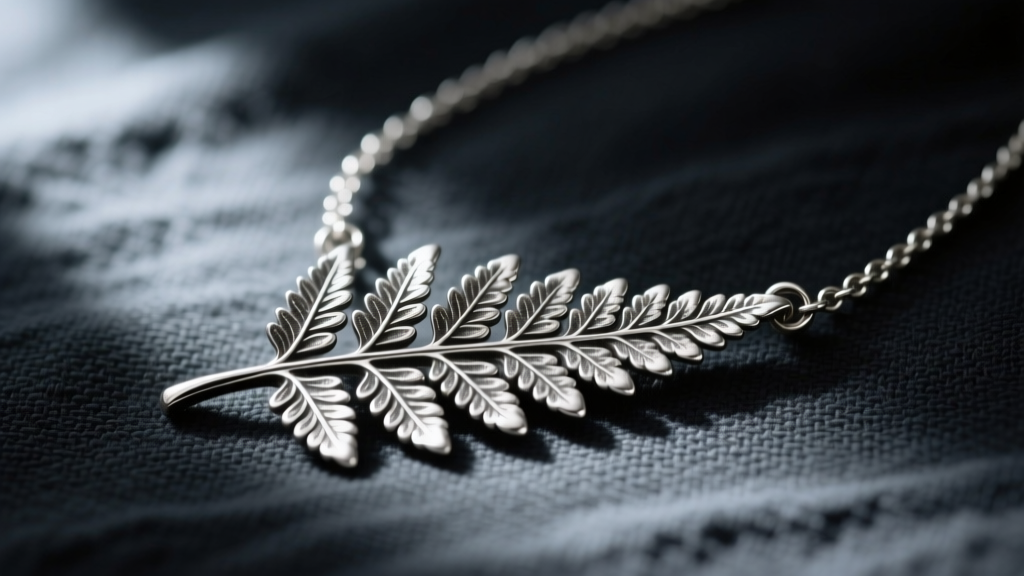
Entering the world of artisan, nature-inspired jewelry can feel overwhelming, especially when you encounter pieces that blur the line between fine jewelry and wearable art. If you have recently discovered or are considering purchasing a Jane Winn necklace, you are stepping into a niche defined by organic textures, botanical motifs, and meticulous hand-craftsmanship. Known for capturing the exact microscopic details of leaves, seed pods, and twigs, this style of jewelry requires a slightly different approach to wearing, pairing, and maintenance than standard stamped pendants.
This beginner-friendly explainer will demystify the artisan botanical aesthetic. We will break down the metallurgy, explain why chain gauge matters more than you think, and provide a foolproof care routine to ensure your nature-cast pieces last a lifetime.
What Defines the Botanical Casting Aesthetic?
Unlike mass-produced necklaces that are stamped from flat sheets of metal, a true botanical necklace—like those pioneered by artisans such as Jane Winn—is typically created using the lost-wax casting process. In this method, actual organic matter (a real fern frond, a piece of bark, or a pinecone) is encased in a mold material. The organic matter is burned away, leaving a perfect negative cavity, which is then filled with molten metal.
The result is a pendant with deep, porous crevices and striking three-dimensional relief. Because of this manufacturing method, these necklaces possess unique physical characteristics:
- High Surface Area: The deep textures trap oils, lotions, and environmental dust much faster than smooth, polished metals.
- Weight Distribution: Cast metal is dense. A 1.5-inch botanical pendant can easily weigh between 12 and 18 grams, demanding robust hardware.
- Intentional Oxidation: Artisans often use liver of sulfur to darken the deep crevices, creating contrast so the botanical details remain visible.
Material Breakdown: Sterling Silver vs. Bronze
When shopping for artisan botanical necklaces, you will primarily encounter two base metals. Understanding how these metals react to your skin chemistry and the environment is crucial for a beginner. According to the Gemological Institute of America (GIA), sterling silver is an alloy of 92.5% pure silver and 7.5% copper, which makes it durable but prone to tarnishing. Bronze, an alloy of copper and tin, behaves entirely differently.
| Feature | Oxidized Sterling Silver (.925) | Cast Bronze (Copper/Tin Alloy) |
|---|---|---|
| Visual Tone | Cool grey with dark, antique crevices | Warm, earthy gold/brown with natural patina |
| Patina Behavior | Tarnishes black over time; requires polishing | Darkens and develops a rich, vintage warmth |
| Skin Reaction | Hypoallergenic for most; rarely reacts | Can leave a harmless green tint on skin due to copper |
| Maintenance Level | Moderate (Needs gentle polishing) | Low (Embrace the patina, or polish to bright gold) |
| Avg. Price Range | $120 - $350+ (depending on size/gems) | $60 - $180 |
Beginner Tip: If you have high skin acidity or live in a humid coastal climate, bronze will patina very quickly. If you prefer a bright, shiny metal that stays relatively consistent, opt for sterling silver and keep a polishing cloth handy.
Sizing and Chain Selection for Organic Pendants
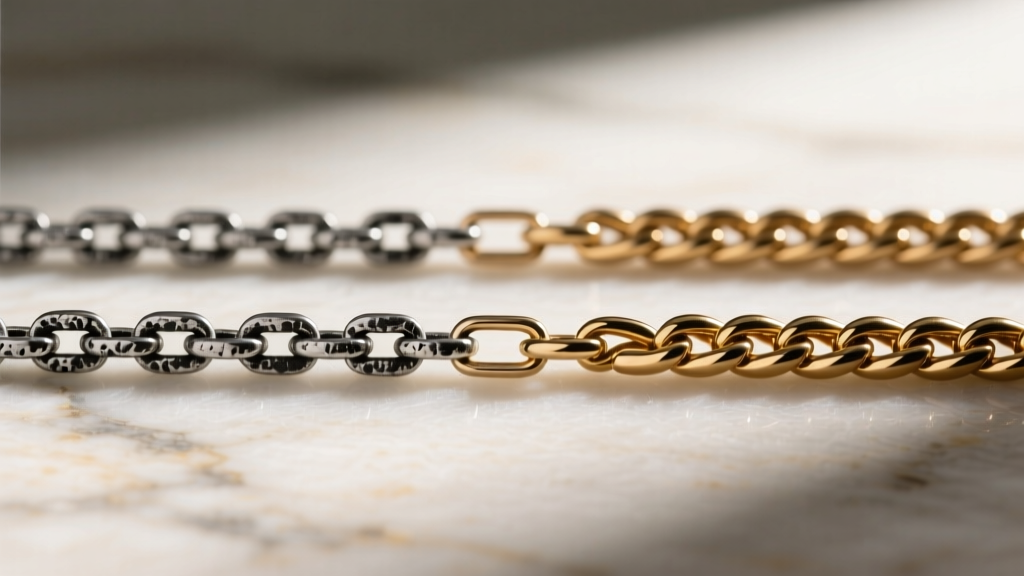
The most common mistake beginners make with heavy, cast botanical pendants is pairing them with delicate, lightweight chains. A standard 1.0mm cable chain will eventually snap under the dynamic weight of a swinging bronze seed pod pendant. You must pay attention to chain gauge and link structure.
The Gauge Rule for Botanical Pendants
Wire gauge can be confusing because a lower number means a thicker wire. For pendants weighing over 10 grams, you need a chain that is at least 14-gauge (1.6mm) to 12-gauge (2.0mm) in thickness.
Best Chain Styles for Textured Jewelry
- Rolo Chain: Composed of uniform, round interlocking rings. It is incredibly strong, resists kinking, and its rounded links complement the organic curves of a botanical pendant.
- Wheat (Spiga) Chain: Woven in a continuous braid pattern. It offers exceptional tensile strength and a smooth, rope-like texture that won't catch on the rough edges of cast leaves or twigs.
- Avoid Snake Chains: While sleek, snake chains trap dirt in their microscopic grooves and are notoriously difficult to clean—especially when paired with jewelry that already features deep botanical crevices.
Step-by-Step Care and Patina Management
Because a Jane Winn necklace features deep, intricate textures modeled after nature, traditional jewelry cleaning methods can actually ruin the piece. Never use an ultrasonic cleaner. The high-frequency vibrations can trap moisture deep inside porous cast areas, and the harsh chemical baths will strip away the intentional dark oxidation that gives the pendant its three-dimensional contrast.
The Safe Cleaning Routine
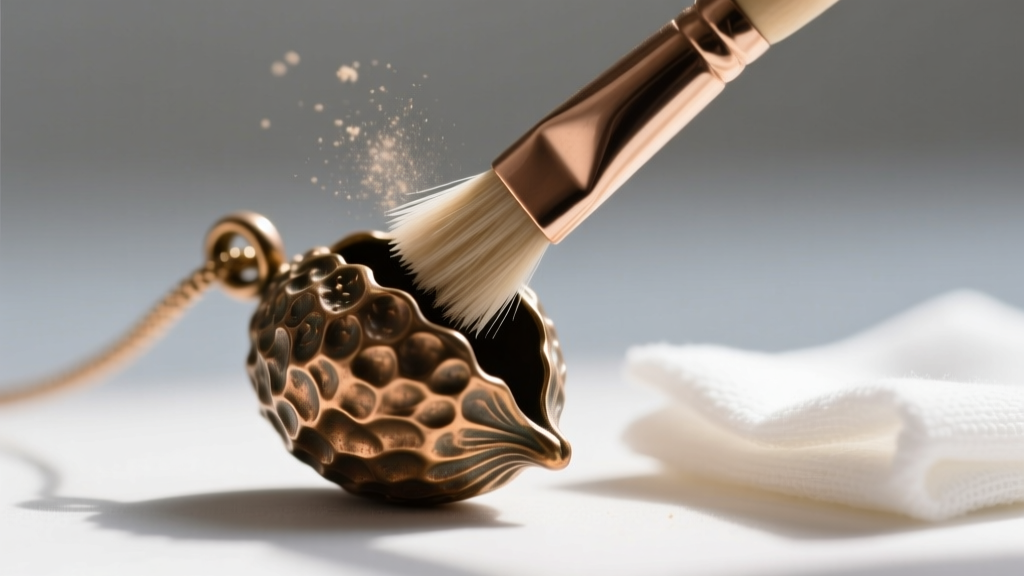
- The Dry Brush: Once a week, use a clean, dry, extra-soft baby toothbrush or a dedicated jewelry brush to gently sweep out dust, dead skin cells, and lotion trapped in the deep veins of the leaf or pod cast.
- Mild Soap Bath (Monthly): Mix a few drops of phosphate-free dish soap into lukewarm water. Submerge the pendant for exactly three minutes. Gently agitate with your soft brush.
- Targeted Polishing: Wrap a treated silver polishing cloth (like a Sunshine cloth) around your index finger. Rub only the high, raised surfaces of the botanical casting. This removes surface tarnish while leaving the dark oxidation safely tucked inside the deep crevices, preserving the artisan's intended contrast.
- Thorough Drying: Pat dry with a microfiber cloth and use a hair dryer on the "cool" setting for 30 seconds to ensure zero moisture remains in the microscopic textures.
Styling Framework: Necklines and Layering
Botanical necklaces are statement pieces by nature. Their heavy visual weight and intricate textures demand specific styling choices to ensure they shine rather than look cluttered.
Matching the Neckline
- The Scoop Neck: The ideal canvas. A 20-inch to 24-inch chain allows a heavy botanical pendant to rest perfectly in the negative space of a scoop neckline, drawing the eye downward and elongating the neck.
- The Crisp Button-Down: For a sophisticated, earthy-meets-academia look, wear an 18-inch oxidized silver fern necklace unbuttoned at the collar. The rigid structure of the cotton collar contrasts beautifully with the organic chaos of the cast metal.
- Avoid High Ruffles & Busy Prints: Intricate lace, ruffles, or loud floral prints will visually compete with the hyper-detailed texture of the pendant. Stick to solid, muted tones like charcoal, olive green, navy, or cream.
Layering with Intention
If you want to layer your botanical necklace, follow the Texture Contrast Rule. Do not layer two heavily textured, cast pendants together; they will tangle and scratch each other. Instead, pair your heavy Jane Winn pendant with a simple, smooth, minimalist chain (like a delicate 1.2mm box chain) featuring a tiny, smooth gemstone or a simple geometric bar. Keep a minimum 3-inch length difference between the chains to prevent the clasps and pendants from knotting together throughout the day.
By understanding the unique metallurgy, structural needs, and care requirements of botanical jewelry, you can confidently wear and preserve these wearable pieces of nature for decades to come.


