What Does Black Mean on a Mood Necklace? Troubleshooting Guide
Wondering what does black mean on a mood necklace? Discover why your mood stone turns black, how to troubleshoot water damage, and when to replace it.

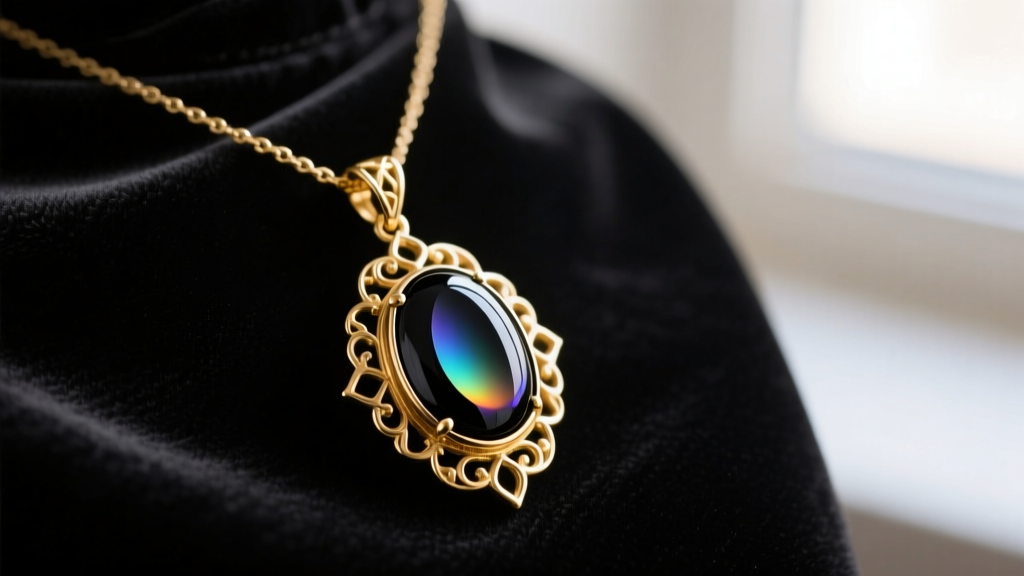
If you have ever looked down at your favorite piece of thermochromic jewelry and wondered, what does black mean on a mood necklace, you are not alone. While vintage mood charts from the 1970s might tell you that a black stone signifies deep stress, tension, or anxiety, the modern reality of jewelry science tells a very different story. In the vast majority of cases, a solid black mood stone is not reflecting your emotional state—it is signaling a physical failure within the jewelry itself.
As a jewelry troubleshooter, I see this issue constantly. Mood necklaces are delicate instruments that rely on precise chemical reactions. When those reactions are interrupted, the stone defaults to its base, unreflective state: black. In this comprehensive troubleshooting guide, we will break down the exact science behind your mood necklace, diagnose why your stone has turned black, and provide actionable steps to repair or replace the damaged component.
The Science of Thermochromic Jewelry
To understand why a mood stone fails, you must first understand how it works. Mood jewelry does not read emotions; it reads surface body temperature. The stones are made using chiral nematic liquid crystals that are microencapsulated and sealed beneath a glass or quartz cabochon. According to materials science experts at LCR Hallcrest, a leading manufacturer of thermochromic technology, these crystals twist and alter their molecular pitch in response to temperature fluctuations. This twisting changes the wavelength of light they reflect, producing the vibrant blues, greens, and purples you associate with a "good mood."
When the liquid crystals are at a neutral or cool temperature, or when their chemical matrix is compromised, they stop reflecting visible light. The result is a dark, opaque, or black appearance. Understanding this baseline is critical for diagnosing your necklace.
What Does Black Mean on a Mood Necklace? (The Real Answer)
While the internet is full of novelty color charts claiming black means "depressed" or "overwhelmed," jewelry makers and gemologists know the truth. If your necklace is black while resting at normal room temperature (around 70°F / 21°C), it is experiencing one of three specific physical failures.
1. Water Damage and Moisture Intrusion
This is the number one killer of mood jewelry. The liquid crystal layer is incredibly sensitive to moisture. If you wear your necklace in the shower, swim with it, or even sweat heavily into the bezel setting, water can seep through the microscopic seam between the glass cabochon and the metal backing. Once water breaches the seal, it disrupts the microcapsules. The crystals clump together and lose their light-reflecting properties, resulting in a permanent black or cloudy dead spot.

2. Extreme Temperature Shock
Thermochromic pigments have a specific operational range. If your necklace is exposed to extreme cold (below 50°F / 10°C), the liquid crystals enter a solid/gel phase and will appear black or very dark brown. This is a temporary state. However, if the necklace is exposed to extreme heat—such as being left on a car dashboard in the summer sun or placed near a heat vent—the delicate chemical bonds can permanently rupture. Once heat-damaged, the stone will remain stuck on black, even when cooled back down to room temperature.
3. UV Degradation and Sun Damage
Prolonged exposure to ultraviolet (UV) light breaks down the organic compounds within the liquid crystals. If you wear your mood necklace daily in direct sunlight without UV protection, the chemical matrix will slowly degrade over a period of 6 to 12 months. The colors will become less vibrant, eventually fading into a permanent, unresponsive black.
Troubleshooting Table: Diagnosing Your Black Mood Stone
Use the following diagnostic table to determine the exact cause of your black mood stone and whether the damage is reversible.
| Symptom / Condition | Probable Cause | Fixable? |
|---|---|---|
| Black outdoors in winter, but changes color indoors | Normal reaction to cold temperatures (below 50°F) | Yes (Warm it up naturally) |
| Black with cloudy, white, or clear patches inside | Water damage / Moisture intrusion | No (Replace cabochon) |
| Solid black after being left in a hot car | Heat-induced microcapsule rupture | No (Replace cabochon) |
| Faded black after months of daily outdoor wear | UV degradation of the liquid crystal layer | No (Replace cabochon) |
Can You Fix a Black Mood Necklace?
The short answer is: you cannot fix the stone itself, but you can easily fix the necklace. Once the liquid crystals inside a glass cabochon are compromised by water or heat, the chemical reaction is irreversible. No amount of drying, baking, or freezing will restore the color-changing properties. As noted in historical breakdowns of thermochromic jewelry by ThoughtCo, the sealed nature of the stone means that once the internal environment is contaminated, the component is effectively dead.
However, because mood necklaces are constructed using a simple bezel setting, you can easily pry out the dead stone and glue in a brand-new replacement cabochon for just a few dollars.
Step-by-Step Guide to Replacing a Dead Mood Stone
If your troubleshooting confirms that your stone is dead, follow these professional jewelry repair steps to restore your necklace.
- Measure the Cabochon: Use digital calipers to measure the exact length and width of your current stone in millimeters (e.g., 18x25mm oval or 20mm round). Precision is vital; a stone that is 1mm too large will not fit the bezel.
- Source a Replacement: Purchase a high-quality, glass-sealed thermochromic cabochon online. Avoid cheap acrylic or plastic-topped stones, as they are highly susceptible to scratching and UV damage.
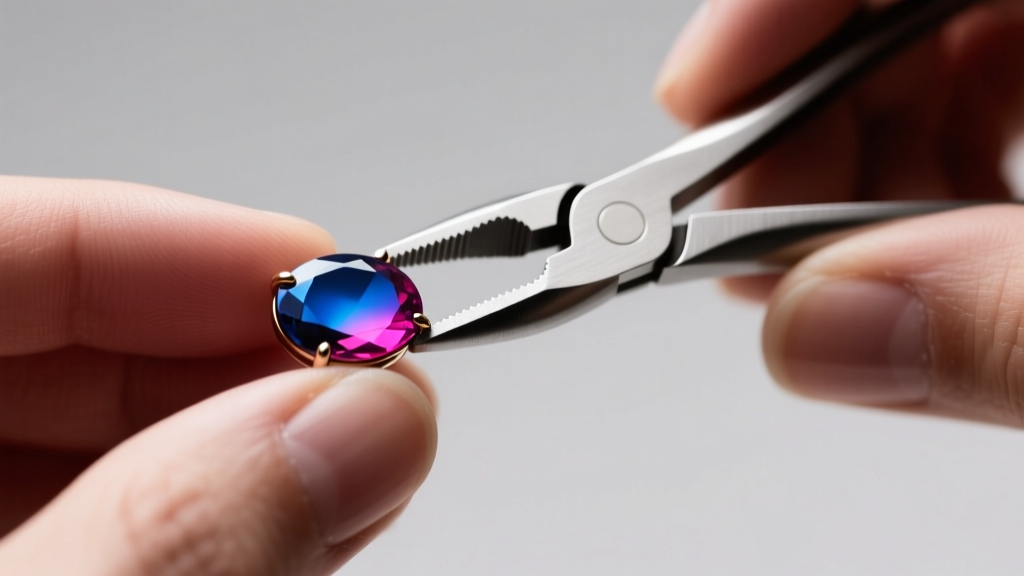
- Pry the Old Stone: Place the pendant on a soft cloth. Using a wooden toothpick or a plastic spudger (avoid metal tools that will scratch your gold or silver plating), gently pry up the small metal prongs or the bezel lip holding the stone.
- Clean the Bezel: Remove the black stone. Use a cotton swab dipped in 99% isopropyl alcohol to thoroughly clean out the old adhesive and debris from the metal tray. Let it dry completely.
- Apply Adhesive: Apply a micro-drop of GS Hypo Cement or E6000 Jewelry Adhesive to the center of the metal tray. Do not use super glue (cyanoacrylate), as the fumes can create a white, cloudy film on the underside of the glass.
- Set the New Stone: Gently press the new mood cabochon into the bezel. Wipe away any excess adhesive immediately with a toothpick. Let the pendant cure flat for 24 hours before wearing.
How to Protect Your Thermochromic Jewelry
Once you have replaced your black mood stone, you need to protect your investment. To maximize the lifespan of your thermochromic jewelry, adhere to these strict care guidelines:
- The Water Rule: Never wear your mood necklace in the shower, pool, or ocean. Always remove it before exercising heavily.
- The Sunscreen Factor: Chemical sunscreens and lotions can degrade the adhesive seal around the bezel. Apply your lotions and let them fully absorb before putting your necklace on.
- Proper Storage: Store your necklace in a dark jewelry box or a velvet pouch. Keeping it away from ambient UV light when not in use will significantly slow down the natural degradation of the liquid crystals.
- Clear Coat Protection: For DIY jewelry makers, applying a very thin layer of UV-resistant clear jewelry resin over the top of the cabochon and bezel seam can create a waterproof barrier that extends the life of the piece by years.
Final Thoughts on Mood Jewelry Troubleshooting
So, what does black mean on a mood necklace? It means your jewelry has encountered the physical limits of its thermochromic chemistry. Whether it succumbed to a splash of water, a blast of summer heat, or simply the passage of time, a black stone is a signal that the microcapsules have failed. By understanding the science behind the color changes and knowing how to perform a simple cabochon replacement, you can keep your favorite mood necklace vibrant, colorful, and highly responsive for years to come.


