J.Crew Necklace Materials: An Expert Plating & Quality Guide
An expert metallurgical breakdown of J.Crew necklace materials, plating thickness, chain durability, and maintenance tips for fashion jewelry.

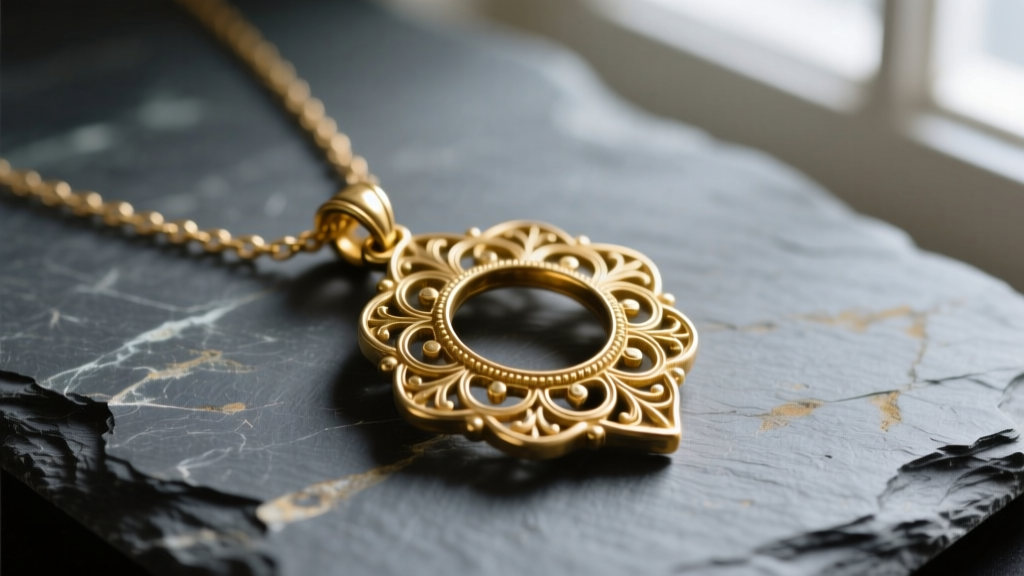
The Metallurgy of Fashion Jewelry: What Lies Beneath the Plate
When evaluating the structural integrity and longevity of a contemporary or vintage J.Crew necklace, one must look past the aesthetic appeal and examine the underlying metallurgy. Unlike fine jewelry, which relies on solid gold, platinum, or sterling silver, fashion jewelry utilizes base metal alloys engineered for castability, weight, and cost-efficiency. Understanding these materials is critical for predicting wear patterns, tarnish rates, and overall lifespan.
Base Metal Alloys: Zamak vs. Brass
The majority of statement pendants and chunky charm components in fashion jewelry are cast using Zamak, a family of zinc alloys containing aluminum, magnesium, and copper (specifically Zamak 3 or Zamak 5). Zamak is favored for its low melting point and ability to capture intricate, vintage-inspired filigree details without expensive tooling. However, Zamak is inherently brittle and possesses low tensile strength. For a comprehensive look at the elemental composition, you can reference standard Zamak zinc alloy metallurgy documentation.
Conversely, the chain links and structural jump rings are rarely Zamak. They are almost exclusively stamped or drawn from Brass (typically CuZn37, an alloy of 63% copper and 37% zinc). Brass provides the necessary tensile strength and ductility required for chain links to withstand the mechanical stress of daily wear without snapping. This bimetallic construction—Zamak pendants on brass chains—creates a complex electrochemical environment when exposed to moisture.
Plating Thickness and Wear Lifespan
The golden or silvery finish of a J.Crew necklace is achieved through electroplating. The thickness of this plated layer, measured in microns (µm), is the single most important factor in determining the piece's resistance to abrasion and oxidation. According to the Federal Trade Commission Jewelry Guides, specific terminology must be used based on micron thickness, though fashion brands often operate in the lower tiers of these classifications.
| Plating Grade | Micron Thickness (µm) | Base Metal | Expected Lifespan (Daily Wear) |
|---|---|---|---|
| Flash Gold / Gold Wash | 0.175µm or less | Brass / Zamak | 1 - 6 Months |
| Standard Gold Electroplate | 0.5µm - 1.0µm | Brass / Zamak | 1 - 3 Years |
| Heavy Gold Electroplate | 2.5µm+ | Brass / Sterling | 5+ Years (Fine Jewelry Benchmark) |
Most standard fashion necklaces fall into the 0.5µm to 1.0µm range. At this thickness, the gold layer is merely a surface skin. Once high-friction areas (such as the back of the pendant or the clasp mechanism) experience microscopic abrasion, the underlying brass or zinc is exposed to oxygen and skin acids, initiating rapid oxidation.
Galvanic Corrosion and the pH Factor
A frequent complaint among fashion jewelry wearers is the sudden appearance of green or black discoloration on the skin, often misattributed to "fake" gold. In reality, this is a predictable chemical reaction. Human sweat contains sodium chloride (salt), urea, and lactic acid, creating a weak electrolyte solution. When this electrolyte bridges the porous gold plating and reaches the copper-rich brass base, it triggers galvanic corrosion.
The copper ions react with the chloride and oxygen to form copper chloride and copper carbonate—compounds that manifest as a green patina. This is not a defect in the gold, but rather a failure of the plating's porosity and thickness. As of 2026, stricter international nickel-release regulations have pushed heritage fashion brands to pivot toward advanced electrophoretic e-coatings (clear nano-ceramic lacquers) applied over the gold plate. This e-coating acts as a dielectric barrier, preventing the sweat electrolyte from reaching the base metal and effectively halting galvanic corrosion, albeit at the cost of altering the metallic luster slightly.
Chain Link Architecture and Clasp Fatigue
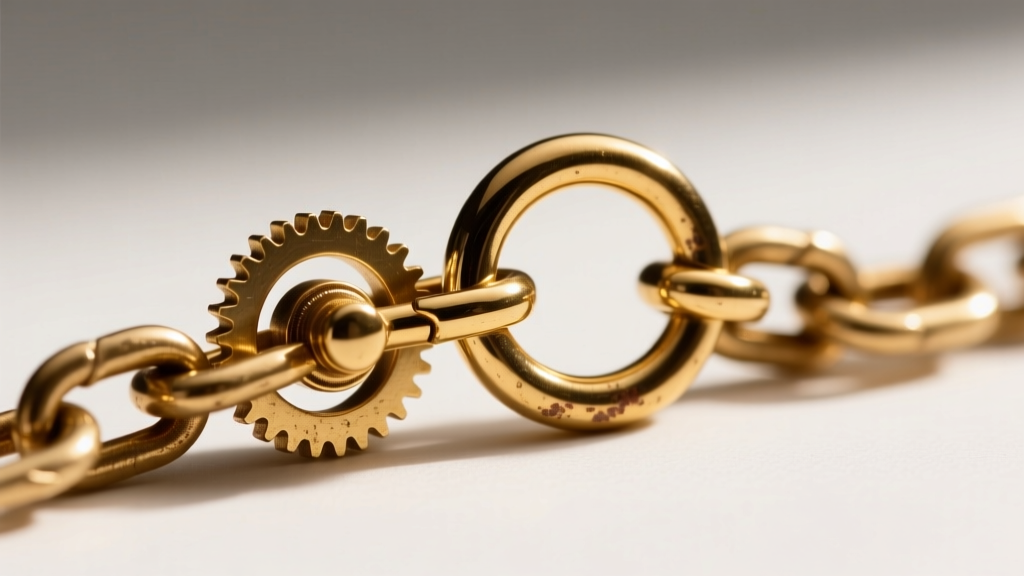
The structural weak point of any necklace is the clasp assembly. A standard J.Crew necklace typically utilizes a cast brass lobster claw clasp connected to the chain via an unsoldered jump ring.
Expert Insight: The unsoldered jump ring is the primary failure point in fashion jewelry. Because the ring is merely bent into a circle rather than fused shut with silver or laser solder, lateral tension can pull the gap open, resulting in the loss of the pendant or the entire necklace.
Furthermore, the internal steel spring within the lobster clasp is susceptible to fatigue and rust if the gold plating inside the clasp mechanism wears away. When evaluating vintage pieces on secondary markets, always test the clasp's return spring. A sluggish return indicates internal oxidation or spring fatigue, requiring immediate replacement by a bench jeweler to prevent catastrophic loss.
Enamel and Resin Stone Settings
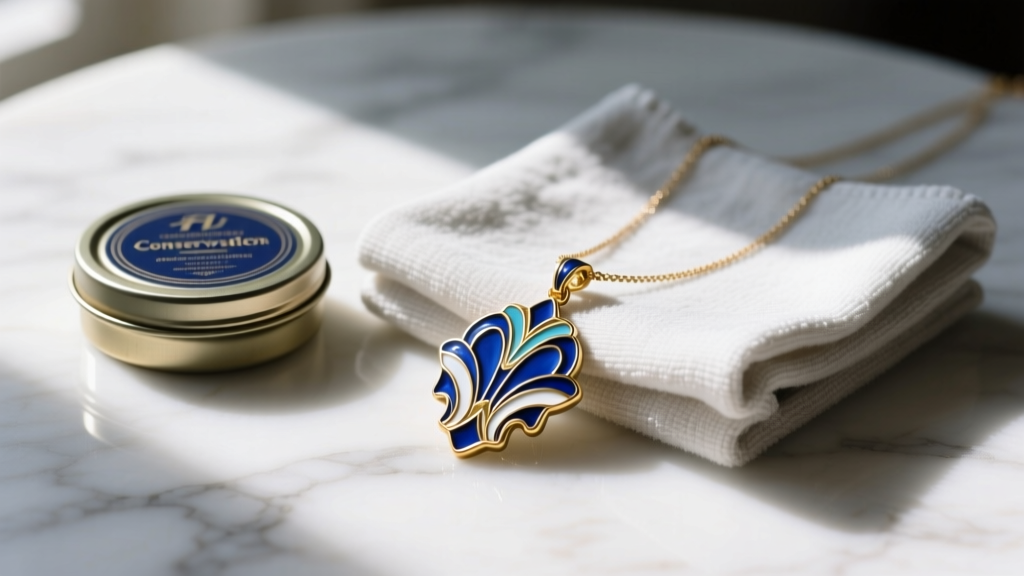
Many statement necklaces incorporate colored elements, which are typically either vitreous enamel (fused glass powder) or cold enamel (epoxy resin). Vitreous enamel is highly durable, scratch-resistant, and colorfast, but it is extremely brittle. A drop onto a hard surface will cause the glass to shatter or craze. Cold enamel, while more impact-resistant, is prone to UV degradation and chemical dissolution. Exposure to alcohol-based perfumes, hand sanitizers, or cosmetic solvents will cause cold enamel to cloud, soften, and eventually peel away from the brass bezel.
Expert Maintenance and Restoration Protocol
To maximize the lifespan of gold-plated fashion jewelry, standard jewelry cleaning methods must be entirely avoided. Ultrasonic cleaners utilize high-frequency cavitation that will strip 0.5µm gold plating in a matter of seconds. Similarly, commercial silver or gold dip solutions contain thiourea and harsh acids that will dissolve the flash plating and leave the raw brass vulnerable to instant tarnishing.
The Conservation Wax Method
For long-term preservation, museum-grade microcrystalline wax is the industry standard. Follow this protocol to seal and protect the piece:
- Step 1: Gently wipe the necklace with a dry, lint-free microfiber cloth to remove surface sebum and cosmetic residue. Do not use water or liquid cleaners.
- Step 2: Apply a microscopic amount of conservation wax (such as Renaissance Wax) to a soft cotton swab.
- Step 3: Rub the wax evenly over the brass chain links, the pendant, and crucially, the jump rings and clasp mechanism.
- Step 4: Allow the wax to haze for 5 minutes, then buff gently with a clean microfiber cloth. This creates a moisture-impermeable barrier that prevents galvanic corrosion and slows mechanical wear.
Final Verdict: Cost-Per-Wear Analysis
A J.Crew necklace should be viewed as an accessible luxury accessory rather than an heirloom investment. When factoring in the material costs of Zamak, brass, and sub-micron gold plating, the retail price reflects brand positioning and design intellectual property rather than intrinsic metallurgical value. However, with an understanding of bimetallic galvanic reactions, proper jump-ring maintenance, and the application of microcrystalline conservation waxes, the functional lifespan of these pieces can be extended from a single season to several years of reliable, tarnish-free wear.


