How to Make Bandana Necklaces: Crafting, Care, and Cleaning Guide
Learn how to make bandana necklaces that last. Expert tips on fabric selection, hardware care, washing methods, and storage for DIY chokers.

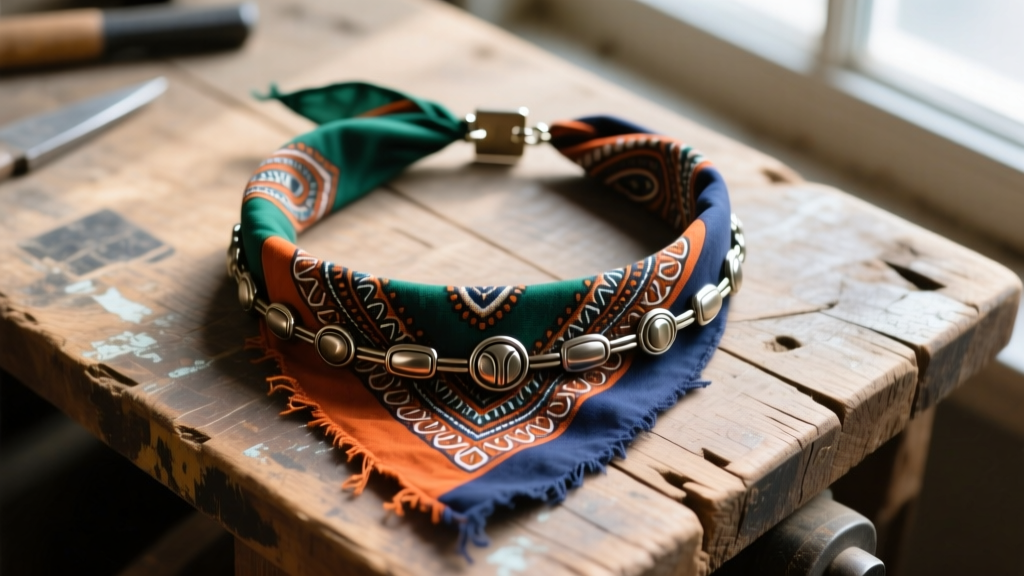
The Anatomy of a Durable Bandana Necklace
Bandana necklaces have evolved from simple festival accessories into sophisticated streetwear and high-fashion staples. However, knowing how to make bandana necklaces is only the first step; understanding the material science behind the fabric and hardware is what separates a piece that lasts for years from one that frays after a single wash. The longevity of a fabric-based necklace relies heavily on the textile's weave and the metallurgical grade of the findings.
Standard cotton bandanas typically feature a 68x68 thread count plain weave. While breathable, this relatively loose weave is prone to unraveling when cut. For a more durable necklace base, seek out mercerized cotton bandanas. The mercerization process treats the cotton fibers with sodium hydroxide, increasing their tensile strength, luster, and affinity for dye, which drastically reduces color bleeding during future washes. If you prefer a luxury feel, 14-momme silk bandanas offer an elegant drape, but they require meticulous, pH-balanced care to prevent protein fiber degradation.
How to Make Bandana Necklaces That Survive Daily Wear
When learning how to make bandana necklaces, the most common point of failure is the junction where the fabric meets the metal hardware. Fabric is flexible; metal is rigid. This mechanical mismatch causes friction, eventually sawing through the textile fibers. To combat this, you must reinforce the connection points during the crafting phase.
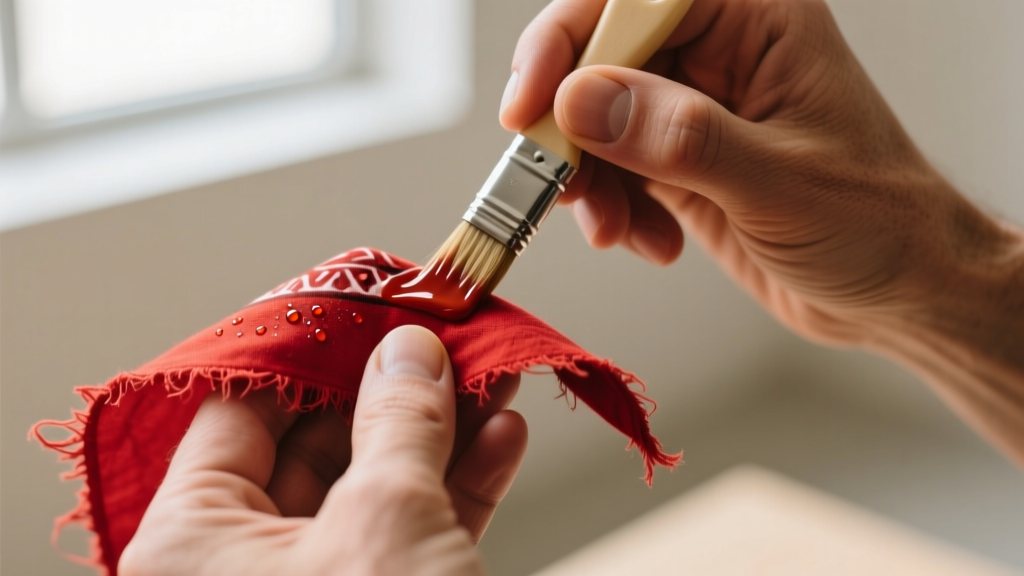
Selecting the Right Hardware
Avoid using standard 20-gauge or 22-gauge jump rings directly on fabric. The thin wire will act like a cheese cutter against the cotton weave under the tension of a choker fit. Instead, opt for 18-gauge or 16-gauge jump rings made from 316L surgical stainless steel. This specific alloy contains molybdenum, which provides superior resistance to the chlorides found in human sweat, preventing the dreaded green skin and rust stains on your fabric.
Reinforcing the Connection
Never punch a hole directly into a single layer of bandana fabric to attach a clasp. Instead, use a fold-over ribbon crimp end with a 3mm to 5mm inner diameter. Apply a thin line of flexible jewelry adhesive (such as E6000 Fabri-Fuse) to the inside of the crimp, fold the bandana edge over a piece of 1mm leather cord for structural backing, and then clamp the metal crimp shut using nylon-jaw pliers to avoid marring the metal finish. According to Rio Grande's jewelry making guides, using a structural backing inside a crimp end increases the pull-strength of fabric connections by over 300%.
The Care Matrix: Washing and Drying Fabric Necklaces
Proper laundering is critical. Human sweat, dead skin cells, and environmental pollutants become trapped in the porous weave of the bandana, leading to stiffness and odor. However, aggressive washing will destroy both the fabric dye and the metal hardware. Refer to the matrix below for material-specific care instructions.
| Fabric Type | Washing Method | Detergent Specification | Drying Technique |
|---|---|---|---|
| 100% Cotton | Hand wash in cool water (max 30°C) | Mild liquid detergent, no bleach | Lay flat on a mesh rack, reshape while damp |
| Silk (14+ momme) | Spot clean or brief soak in tepid water | pH-neutral silk wash (e.g., Woolite) | Roll in a microfiber towel to absorb moisture, air dry |
| Poly-Blend | Wipe down with a damp microfiber cloth | Diluted dish soap (1:10 ratio) | Hang dry away from direct heat sources |
Hardware Maintenance: Preventing Tarnish and Rust
The metal clasps, sliders, and chains on your bandana necklace require a different maintenance protocol than the fabric. Brass and copper findings are popular for their vintage aesthetic, but they oxidize rapidly when exposed to the lactic acid and salts in perspiration. This oxidation not only dulls the metal but can also transfer dark, stubborn stains to the adjacent fabric.
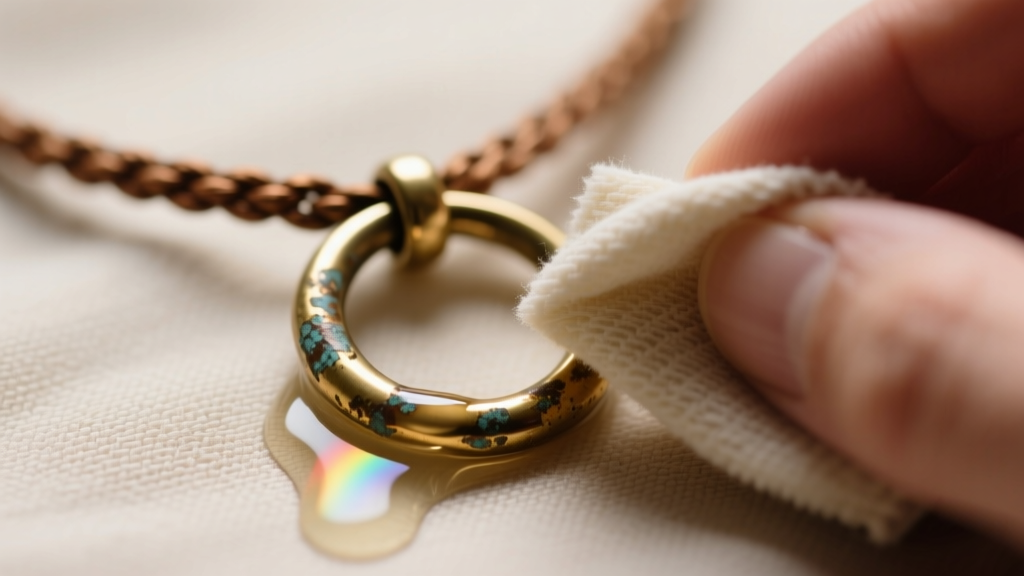
To clean brass hardware without saturating the bandana, use a targeted spot-cleaning technique. Dip a cotton swab in a 50/50 solution of white vinegar and water, then gently rub the tarnished metal. The acetic acid will dissolve the copper oxide layer. Immediately follow this by wiping the hardware with a dry swab, and then buff it with a treated jewelry polishing cloth. Avoid using abrasive pastes or ultrasonic cleaners, as the vibrations and harsh chemicals can degrade the fabric fibers and weaken the adhesive in your crimp ends.
Expert Tip: If you frequently wear brass hardware necklaces in hot climates, apply a micro-thin layer of Renaissance Wax to the metal parts after polishing. This museum-grade microcrystalline wax creates an invisible, moisture-resistant barrier that delays re-tarnishing for months without transferring to your clothing.
Storage Solutions to Prevent Creasing and Fading
How you store your bandana necklaces when they are not being worn dictates their long-term structural integrity. Folding fabric necklaces and tossing them into a jewelry box creates permanent crease lines that are nearly impossible to iron out without risking heat damage to synthetic blends or delicate silk dyes.
- The Rolling Method: Loosely roll the bandana necklace from one end to the other. This prevents hard creases and minimizes the surface area exposed to dust.
- Acid-Free Tissue: Wrap the rolled necklace in acid-free, unbuffered tissue paper. Buffered tissue contains calcium carbonate, which can cause yellowing on protein fibers like silk over time.
- UV Protection: Store the necklaces in a drawer or an opaque jewelry box. Prolonged exposure to ultraviolet light causes photodegradation, breaking down the chemical bonds of the fabric dye and leading to irreversible fading, particularly in vibrant reds and indigos.
- Silica Gel Packets: Drop a small, fresh silica gel packet into the storage compartment to control ambient humidity, preventing mold growth on cotton fibers and rust on steel findings.
Troubleshooting Common Bandana Necklace Issues
Color Bleeding During Washes
If your vibrant cotton bandana necklace is leaching dye into the wash water, the fabric was likely dyed with direct dyes rather than fiber-reactive dyes. To lock in the color, treat the necklace with a commercial dye fixative like Retayne. Soak the fabric portion in hot water (around 60°C) with a teaspoon of the fixative for 20 minutes, keeping the metal hardware out of the water to prevent heat-induced warping or adhesive failure.
Fraying Edges
If the raw edges of your DIY bandana choker begin to fray despite your best efforts, apply a liquid seam sealant like Dritz Fray Check. Apply it sparingly with a toothpick to the exact edge of the weave. Allow it to cure for 24 hours. The plasticizer will stiffen the edge slightly, but it will permanently fuse the threads together, halting the unraveling process.
Stiff or Crunchy Fabric
A bandana necklace that feels stiff or 'crunchy' is usually suffering from detergent buildup or mineral deposits from hard water. To restore the fabric's natural drape, soak the textile portion in a basin of cool water mixed with half a cup of distilled white vinegar for 30 minutes. The vinegar strips away alkaline soap residues and softens the cotton fibers. Rinse thoroughly and lay flat to dry.
Final Thoughts on Fabric Jewelry Care
Mastering how to make bandana necklaces is an exercise in combining textile knowledge with jewelry fabrication. By selecting the appropriate gauge of hardware, reinforcing your connection points, and adhering to a strict, material-specific cleaning regimen, you can ensure your custom fabric necklaces remain vibrant, structurally sound, and ready for daily wear for years to come. For more advanced insights into textile care and fabric preservation, the Cotton Incorporated lifestyle resources offer excellent, science-backed guidelines on maintaining cotton garments and accessories.


