Prada Necklace Troubleshooting: Fix Enamel, Clasps & Chains
Troubleshoot common Prada necklace issues. Learn how to fix chipped enamel, tarnished chains, and broken clasps with expert repair and care tips.

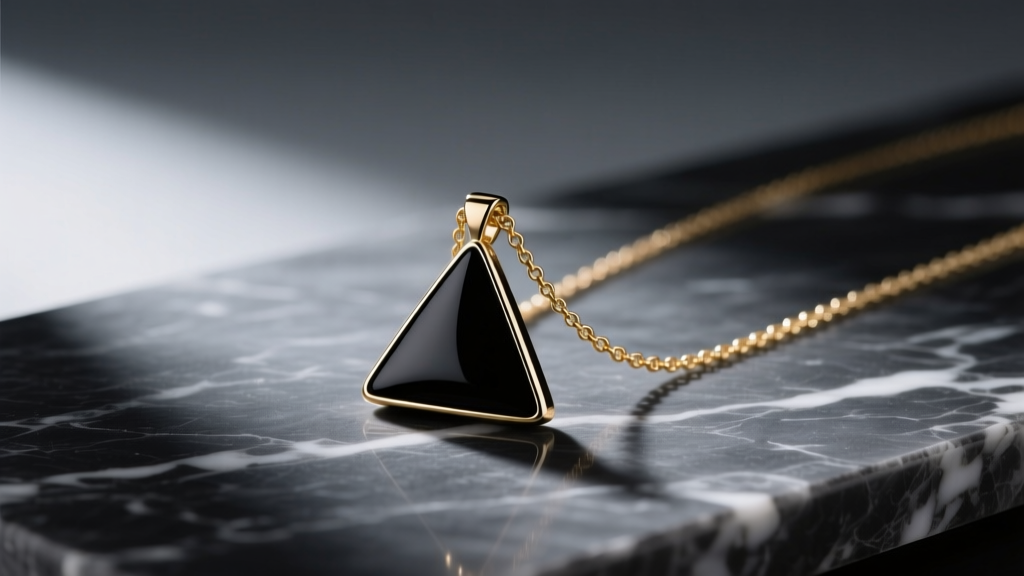
The Anatomy of Prada Necklaces and Common Failure Points
Prada's jewelry line, particularly its iconic triangle logo pendants and chunky chain necklaces, bridges the gap between high fashion and luxury accessories. However, fashion jewelry—even from a prestigious house like Prada—often utilizes base metals and cold enamels that require specific troubleshooting when wear and tear occur. Unlike fine jewelry crafted from solid 18k gold or platinum, Prada's fashion pieces typically feature a brass or bronze base metal coated with gold-tone, silver-tone, or ruthenium plating, accented with epoxy-based cold enamel and precision-cut glass or Swarovski crystals.
Understanding the material science behind your piece is the first step toward effective restoration. The most frequent issues reported by collectors and daily wearers include chipped enamel on the triangle motif, oxidation (tarnish) leading to skin discoloration, and mechanical failures in the lobster clasps. When evaluating a vintage necklace Prada collectors often inspect these three specific failure points before purchasing, as they dictate the restoration cost and long-term viability of the piece.
Troubleshooting Enamel Chipping on the Triangle Pendant
The iconic Prada triangle is rarely made of vitreous (hot) enamel, which is fired in a kiln at over 1400°F. Instead, Prada utilizes cold enamel, which is technically a pigmented epoxy resin. While cold enamel allows for vibrant, opaque colors like the signature Prada black, white, and red, it is highly susceptible to impact chipping and chemical degradation from perfumes or lotions.
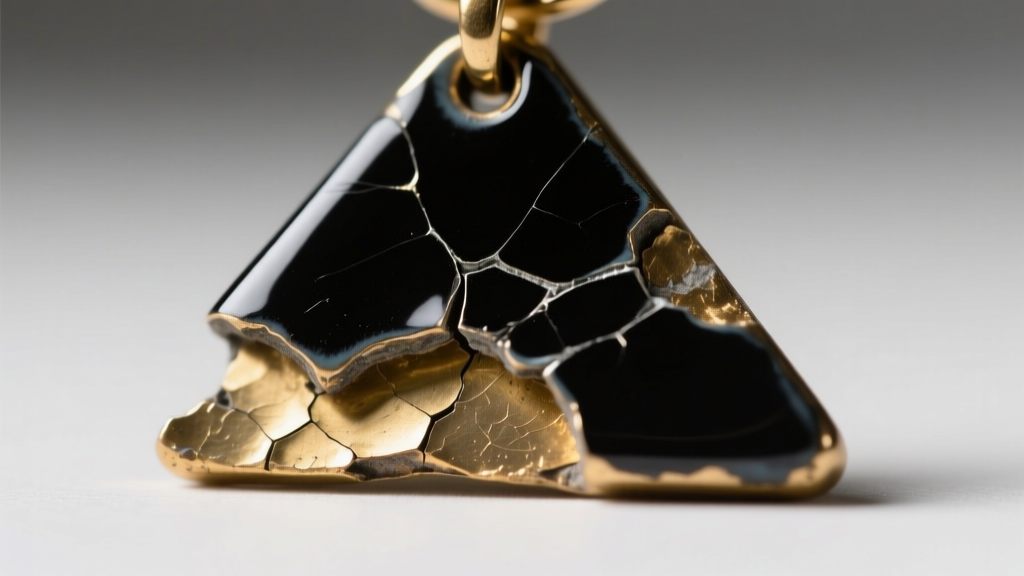
DIY Touch-Ups vs. Professional Refinishing
If your triangle pendant has a small chip exposing the brass base, avoid using standard cyanoacrylate (super glue). Superglue dries with a cloudy, white finish and will ruin the optical depth of the surrounding enamel. According to the Gemological Institute of America (GIA), epoxy resins require compatible chemical structures for seamless bonding.
- DIY Fix: Use a two-part jewelry epoxy (such as Devcon 5-Minute Clear) mixed with a microscopic amount of glass pigment powder to match the Prada black. Apply with a 0.1mm detail brush, let it cure for 24 hours, and gently wet-sand with 2000-grit sandpaper to level it with the metal bezel.
- Professional Fix: A bench jeweler can completely strip the degraded epoxy via chemical bath and pour a fresh layer of cold enamel. This typically costs between $60 and $120, depending on the complexity of the bezel and whether the piece features embedded crystals that must be protected from the solvents.
Fixing Tarnish and Plating Wear on Prada Chains
The "green skin" effect is a common complaint with luxury fashion jewelry. This is not a sign of a fake; rather, it is a chemical reaction. Prada chains are usually cast from brass (an alloy of copper and zinc). When the microscopic layer of gold or silver plating (usually 0.5 to 1.0 microns thick) wears away from friction, the exposed copper reacts with the acidic pH of your skin (especially if your pH is below 5.5) and oxygen, creating copper chloride, which manifests as a green residue.
| Chain Style | Base Metal | Common Failure Mode | Troubleshooting Fix |
|---|---|---|---|
| Chunky Curb | Brass | Link stretching at solder points | Laser soldering by a bench jeweler |
| Fine Cable | Bronze | Kinking and micro-fractures | Annealing and careful straightening |
| RoLo (Triangle) | Steel/Brass | Clasp jump ring deformation | Replace with 18-gauge OEM stamped part |
To resolve tarnish without stripping the remaining plating, never use ultrasonic cleaners or harsh silver dips. Jewelers of America strongly advises against ultrasonic waves for plated fashion jewelry, as the high-frequency vibrations can shatter the cold enamel and shake loose the adhesive holding the logo crystals. Instead, use a pH-neutral dish soap and a soft baby toothbrush. If the plating is entirely gone, seek a professional electroplating service to apply a new 2-micron layer of 18k gold or rhodium, which typically costs $45 to $85.
Resolving Clasp Malfunctions and Chain Breaks
Prada necklaces predominantly feature custom-stamped lobster clasps. A frequent mechanical failure occurs when the internal spring mechanism loses tension or the tiny hinge pin becomes clogged with sebum and environmental dust, preventing the clasp from snapping shut securely.
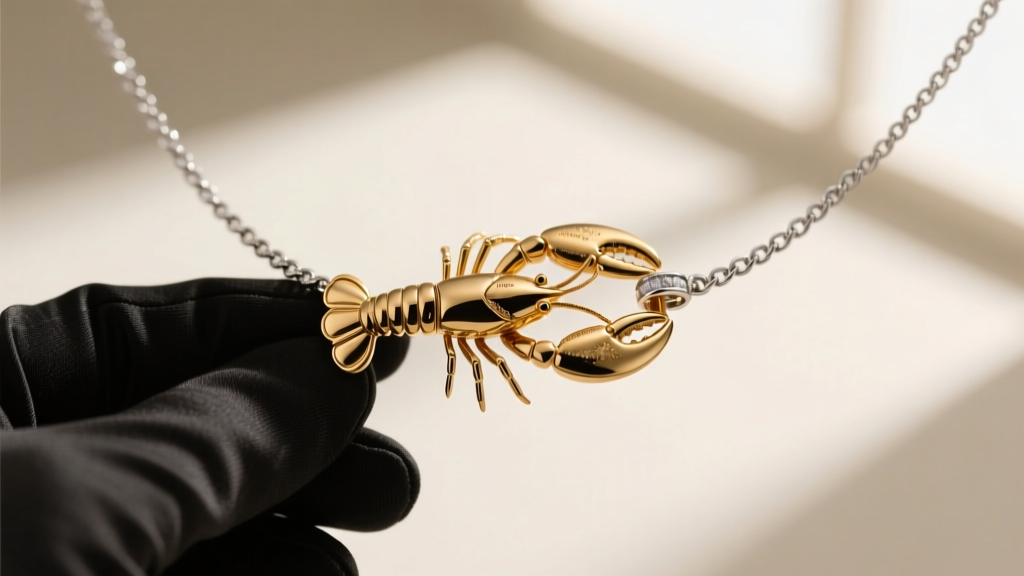
Troubleshooting the Hinge: Do not use WD-40 or heavy oils, which will attract more grit. Apply a single drop of naphtha (lighter fluid) directly into the hinge crevice using a syringe. Open and close the clasp rapidly to work the solvent through, then blow it out with compressed air. Follow up with a microscopic drop of synthetic watch oil.
Jump Ring Failure: The 20-gauge jump ring connecting the clasp to the chain is a structural weak point. If it pulls open, do not simply squeeze it shut with flat-nose pliers, as this weakens the metal's memory. Have a jeweler solder the jump ring shut or replace it with a heavier 18-gauge split ring to ensure the heavy triangle pendant does not drag the chain apart.
Authenticity Checks: Spotting a Fake Prada Necklace
Troubleshooting often begins with verifying the piece's legitimacy, as counterfeit materials behave entirely differently during repairs. When authenticating, examine the enamel flushness and the logo stamping.
"Genuine Prada cold enamel is poured and polished to sit perfectly flush with the metal bezel. Counterfeits often feature domed, raised enamel that spills over the edges, and the laser-etched logos on the reverse side lack the deep, crisp stamping found on authentic brass castings."
Furthermore, authentic Prada chains have a specific weight and fluid drape. Counterfeit chains often use hollow-linked aluminum or low-grade steel, making them feel unnaturally light and prone to rigid kinking. Always cross-reference the serial number etched on the hangtag with Prada's official product care guidelines or a certified luxury authenticator.
Preventative Maintenance for Longevity
To minimize future troubleshooting, adopt a strict wear-and-store protocol. Always apply perfumes, hairsprays, and lotions at least 15 minutes before putting on your necklace, as the alcohol and emulsifiers in cosmetics will rapidly dissolve the epoxy resin and cloud the crystals. Store the necklace flat in its original flannel pouch to prevent the heavy triangle pendant from swinging and scratching the plated chain links. By respecting the material limits of fashion jewelry, you can preserve the structural integrity and aesthetic brilliance of your Prada pieces for years to come.


