Leafael Necklace Materials: Silver vs Gold Plating Guide
Explore the metallurgy of Leafael necklaces. We compare 925 sterling silver, gold plating thickness, and gemstone durability for modern buyers.

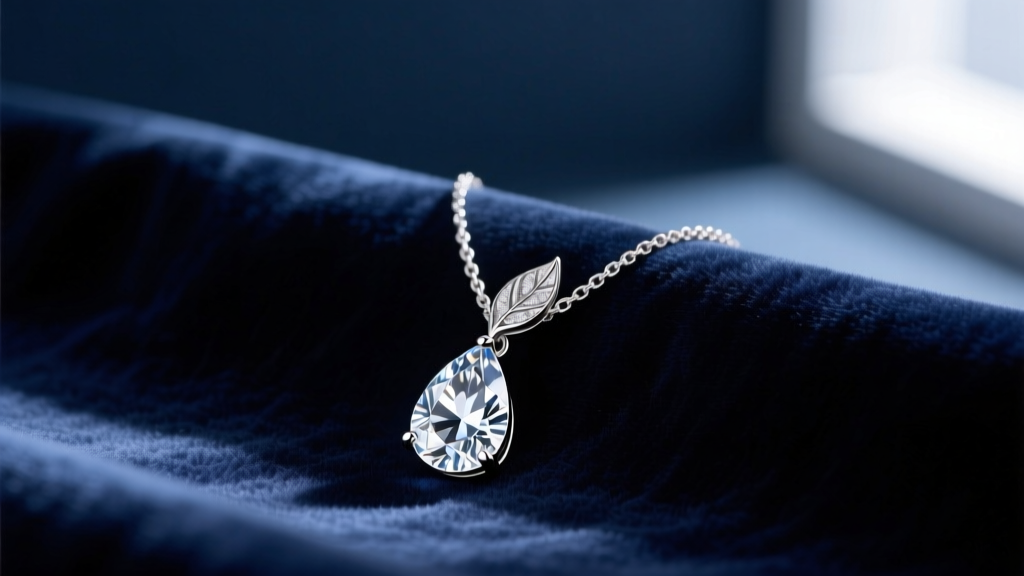
When investing in accessible luxury jewelry, understanding the metallurgy and material science behind your pieces is just as important as the aesthetic design. Leafael necklaces have carved out a significant niche in the market by offering nature-inspired, classic, and vintage-style pendants at an approachable price point. However, the longevity, tarnish resistance, and skin compatibility of these pieces depend entirely on their core materials and plating techniques. In this comprehensive material comparison guide, we deconstruct the anatomy of Leafael necklaces, analyzing 925 sterling silver bases, gold electroplating standards, and gemstone durability to help you make an informed purchase.
The Core Metals: 925 Sterling Silver vs. Plated Brass
The foundation of any pendant necklace dictates its weight, durability, and hypoallergenic properties. Leafael primarily utilizes two base metals across its collections: 925 sterling silver and jewelry-grade brass. Pure silver (99.9%) is too soft to hold intricate prong settings or maintain the structural integrity of a delicate cable chain. To solve this, Leafael uses 925 sterling silver, an alloy composed of 92.5% pure silver and 7.5% copper. The copper adds necessary tensile strength but introduces a vulnerability: oxidation. When exposed to sulfur compounds in the air and moisture, the copper reacts, causing the silver to tarnish.
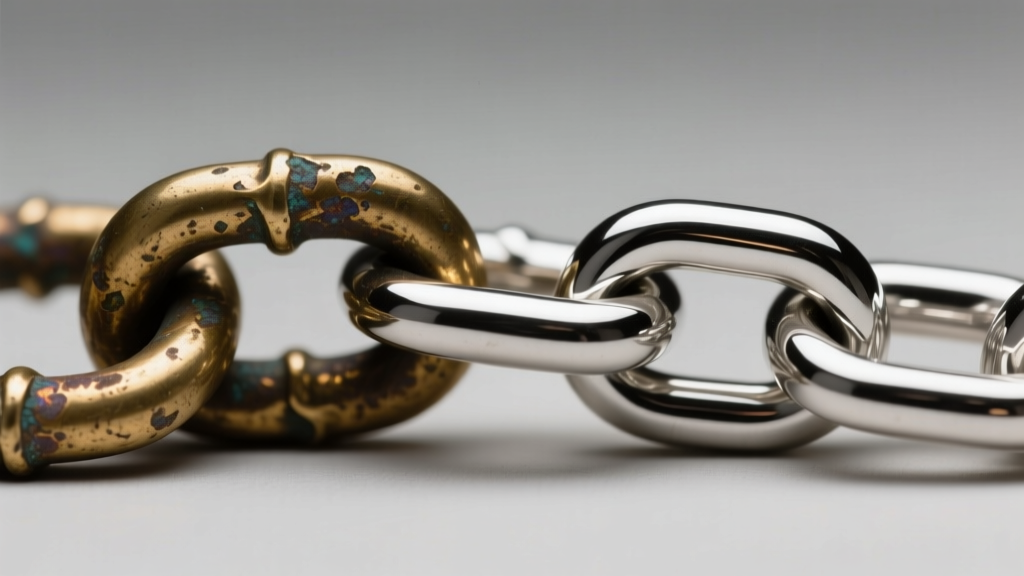
To mitigate this, Leafael's silver pieces are typically finished with a micro-layer of rhodium, a platinum-group metal that is highly resistant to corrosion and provides a bright, white-metal luster. Conversely, their gold-toned pieces often utilize a brass base (an alloy of copper and zinc). Brass is heavier and more rigid than silver, making it an excellent structural base for gold plating, but it can cause greenish discoloration on the skin if the outer plating wears away and the copper core is exposed to acidic skin pH levels.
Plating Thickness and Tarnish Resistance
The most critical differentiator in gold-toned Leafael necklaces is the plating thickness. According to the Federal Trade Commission (FTC) Jewelry Guides, terminology around gold plating is strictly regulated based on micron thickness. Understanding these terms is vital when evaluating the lifespan of your necklace.
- Flash Plating (0.175 microns): Often found in budget-friendly fashion jewelry, this ultra-thin layer of gold provides immediate color but wears through quickly with daily friction.
- Gold Electroplate (0.5 to 1.0 microns): A step up in durability, suitable for occasional wear but still prone to fading at high-friction points like the clasp and pendant bail.
- Heavy Gold Electroplate (2.5+ microns): Sometimes referred to as gold vermeil (if the base is strictly sterling silver), this thickness offers years of wear when properly maintained.
Material Comparison Matrix
| Material Type | Base Metal | Plating Thickness | Estimated Lifespan (Daily Wear) | Price Range |
|---|---|---|---|---|
| Leafael Gold-Toned Brass | Brass | 0.5 - 1.5 microns | 6 - 18 Months | $20 - $45 |
| Leafael Rhodium Silver | 925 Silver | 0.1 - 0.3 microns Rhodium | 1 - 3 Years (Re-polishable) | $30 - $60 |
| Industry Standard Vermeil | 925 Silver | 2.5+ microns Gold | 3 - 5+ Years | $65 - $150 |
| Solid 14K Gold | Gold Alloy | N/A (Solid) | Lifetime | $250+ |
While Leafael's gold-plated brass options offer stunning visual appeal for a fraction of the cost of vermeil, buyers should expect to retire or re-plate the piece after a few seasons of continuous, daily wear.
Gemstone and Crystal Inlays: CZ vs. Natural Stones
Leafael frequently incorporates both Cubic Zirconia (CZ) and natural gemstones like amethyst, turquoise, and mother-of-pearl into their pendant designs. The physical properties of these stones dictate how the necklace must be cared for and how it handles impact.
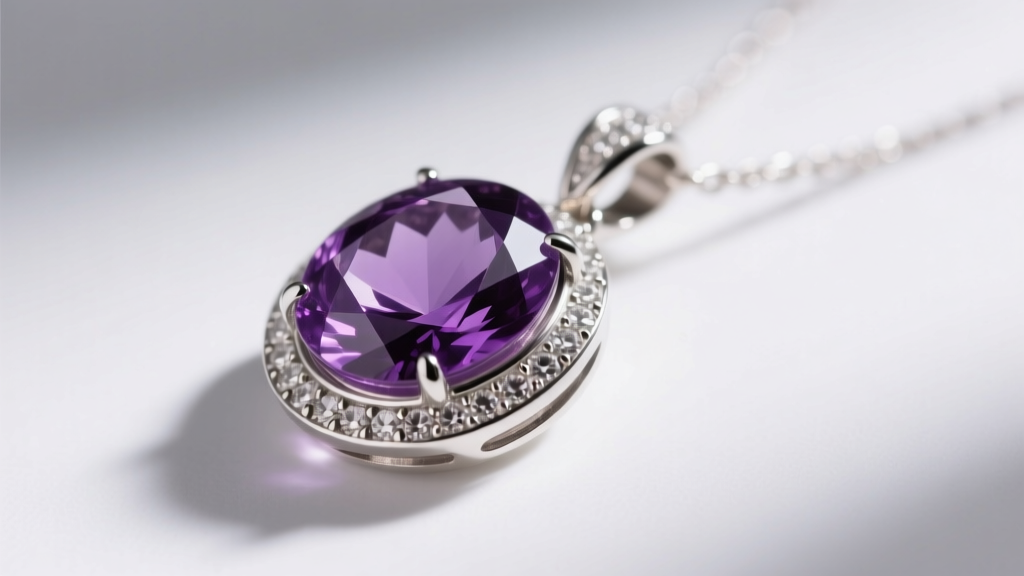
Cubic Zirconia is a synthetic crystalline oxide that boasts a high refractive index (2.15-2.18), giving it a brilliant sparkle that closely mimics a diamond. On the GIA Mohs Hardness Scale, CZ ranks between 8 and 8.5, making it highly resistant to scratching from everyday dust and debris. However, CZ is brittle; a hard drop on a tile floor can cause internal fracturing or chipping at the girdle (the stone's edge).
Natural stones used by Leafael, such as amethyst (Mohs 7) or turquoise (Mohs 5-6), require vastly different care. Turquoise is porous and highly sensitive to chemicals, cosmetics, and even prolonged exposure to sunlight, which can cause the vibrant blue-green matrix to fade or crack. When purchasing a natural stone Leafael pendant, always check the setting. Prong settings allow maximum light return but leave the stone's edges exposed to impacts, whereas bezel settings (where a rim of metal surrounds the stone) offer superior protection for softer gems like turquoise and opal.
Chain Construction and Clasp Mechanics
A pendant is only as secure as the chain and clasp holding it. Leafael predominantly uses standard cable chains—characterized by uniform oval or round links. The durability of a cable chain depends on whether the links are soldered. In budget-friendly tiers, links are often machine-stamped and closed without solder, meaning a sharp tug can pull the link open, resulting in a lost pendant. Always inspect the links near the clasp and the pendant bail; if you see a visible seam that isn't fused, treat the chain with extra care.
For clasps, the lobster claw is the industry standard for Leafael's mid-tier pieces. The longevity of a lobster clasp relies on the internal spring mechanism. Over time, exposure to lotions, sweat, and hard water can cause calcium and lipid buildup inside the tiny hinge, leading to a sticky or unresponsive clasp. To prolong the mechanical life of your clasp, avoid spraying perfumes directly onto the neck area where the clasp rests, and occasionally clean the hinge with a soft, dry toothbrush.
Care and Maintenance Protocols
To maximize the lifespan of the plating and the brilliance of the stones, implementing a strict care regimen is essential. The primary enemies of plated brass and rhodium-finished silver are chlorine, sulfur, and acidic pH levels.
- The Shower Rule: Never wear plated Leafael necklaces in the shower. Chlorine in tap water and the sulfates in shampoos will rapidly strip gold plating and accelerate the tarnishing of the copper alloy beneath rhodium.
- Friction Management: Remove your necklace before sleeping. The friction between the pendant bail and the chain, combined with body heat and sweat, creates a micro-abrasive environment that wears down plating at the connection points.
- Storage Environment: Store silver pieces in anti-tarnish cloth pouches or sealed ziplock bags with silica gel packets to absorb ambient moisture. Keep pieces separated to prevent the harder CZ stones from scratching softer metal surfaces or natural gemstones.
- Chemical Sequencing: Always apply perfumes, hairsprays, and lotions at least five minutes before putting on your necklace. Allowing the alcohol and emollients to fully evaporate prevents chemical etching on the metal's surface.
By understanding the specific material properties, plating thicknesses, and mechanical vulnerabilities of Leafael necklaces, you can curate a jewelry collection that remains vibrant, structurally sound, and beautiful for years to come. Whether you opt for the brilliant flash of a CZ pendant or the organic depth of a natural stone, proper material awareness is the key to enduring style.


