Troubleshooting Your Methodist Cross Necklace: Enamel & Metal Care
Is your Methodist cross necklace tarnishing or chipping? Learn expert troubleshooting tips for cross and flame pendants and chain repair.

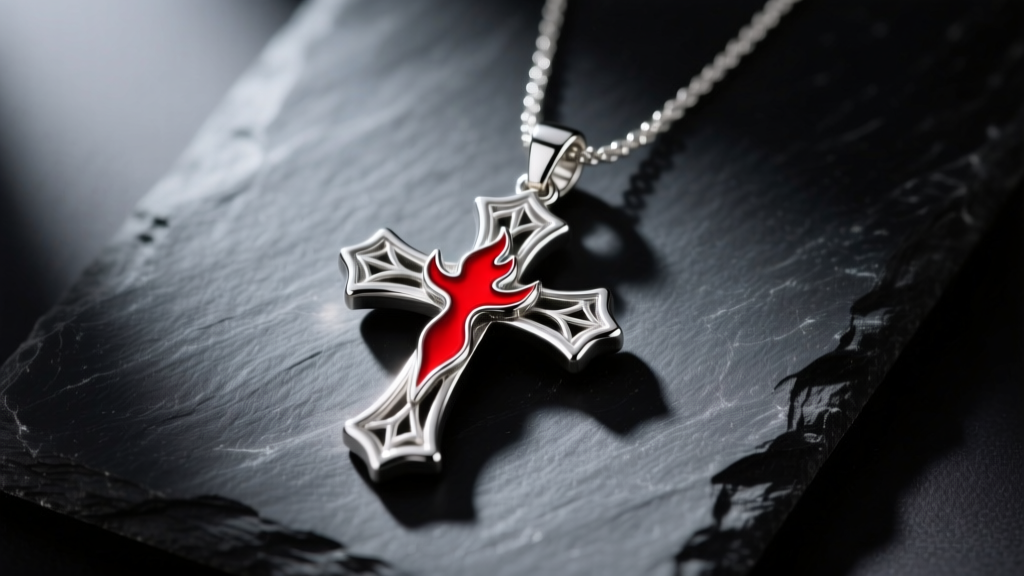
The Unique Anatomy of a Methodist Cross and Flame Pendant
When discussing a Methodist cross necklace, we are almost exclusively referring to the iconic Cross and Flame emblem. Adopted in 1968 during the merger of the Methodist Church and the Evangelical United Brethren Church, this symbol carries profound theological and historical weight. The cross represents the redemptive work of Christ, while the dual tongues of flame signify both the Holy Spirit descending at Pentecost and the unification of the two denominations. For a deeper dive into the official heraldry, you can consult the United Methodist Church historical archives.
From a jewelry manufacturing perspective, this dual-element design introduces specific structural vulnerabilities. The integration of a metallic cross with an enameled or painted flame creates a multi-material pendant that reacts differently to environmental stressors, body chemistry, and physical impact. Troubleshooting a damaged Methodist cross necklace requires an understanding of these distinct material boundaries and the specific failure modes associated with religious emblem jewelry.
Troubleshooting Common Enamel and Metal Failures
Unlike a standard Latin cross, the Cross and Flame pendant requires careful attention to the colored flame element. Below are the most frequent issues owners face and the professional solutions to resolve them.
Problem 1: Chipped or Faded Red Enamel on the Flame
The vast majority of Methodist cross necklaces priced under $60 utilize 'cold enamel'—a two-part epoxy resin tinted red or orange—rather than traditional vitreous (glass) enamel. Over time, exposure to UV light, chlorine, and the natural acidity of human sweat causes this epoxy to become brittle, leading to micro-fractures and eventual chipping.
- Diagnosis: Inspect the flame under a 10x jeweler's loupe. If the red material looks slightly domed, feels like plastic, and has spiderweb cracks, it is cold enamel.
- The Fix: Carefully remove the remaining degraded epoxy using a wooden toothpick and a drop of acetone (ensure the acetone does not touch the metal if it is gold-plated, as it can strip certain clear coats). Once the recess is clean and dry, mix a high-quality jewelry epoxy (like Devcon 5-Minute Epoxy) and tint it with a drop of red alcohol ink. Apply it with a fine needle, allowing capillary action to fill the recess. Let it cure for 24 hours.
Problem 2: Tarnishing in Recessed Cross Details
Sterling silver (925) is the most popular metal for these necklaces, but the 7.5% copper alloy makes it highly susceptible to sulfur-induced tarnishing. The sharp interior angles where the cross meets the flame trap dead skin, lotions, and sulfur-rich air, creating stubborn black oxidation that standard polishing cloths cannot reach.
Critical Warning: Never submerge a Methodist cross necklace in liquid silver dip (thiourea-based cleaners). These harsh chemicals will instantly cloud, melt, or strip the red epoxy flame, permanently ruining the pendant. Instead, use a V&A Museum recommended gentle approach: create a paste of baking soda and water, apply it strictly to the silver cross using a soft-bristled baby toothbrush, and carefully avoid the flame recess. Rinse with distilled water and pat dry.
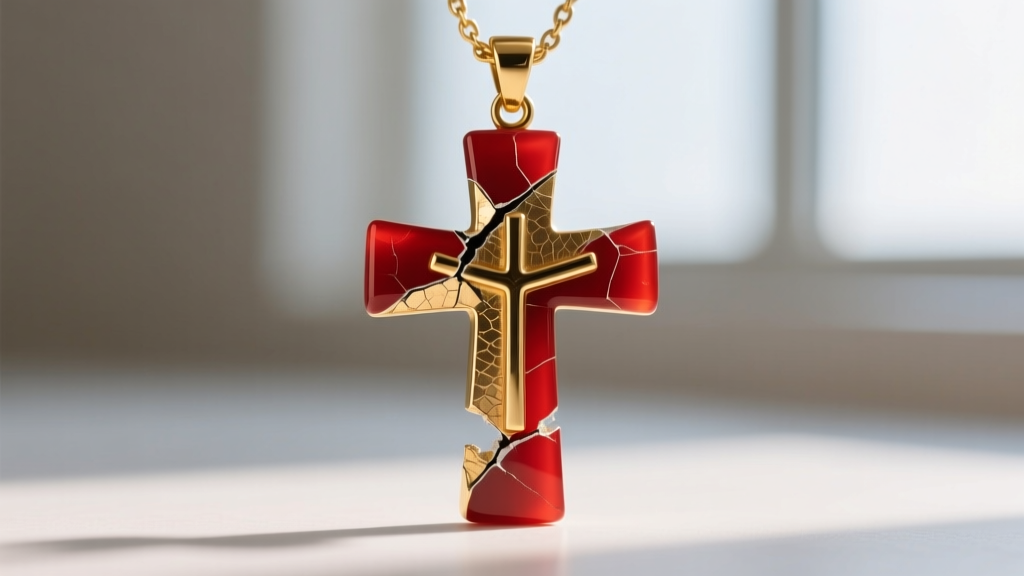
Problem 3: Bail Wear and Chain Snapping
The Cross and Flame is an asymmetrical pendant. The flame extends to one side of the cross, shifting the center of gravity. This off-axis weight distribution causes the bail (the loop the chain passes through) to sit at a slight angle, creating uneven friction against the chain links. Over a few years, this acts like a microscopic saw, wearing through the chain and resulting in sudden breakage.
The Fix: Upgrade your chain. Avoid lightweight 0.8mm cable chains. Instead, opt for a 1.2mm to 1.5mm rope chain or box chain. The interlocking links of a rope chain distribute the friction more evenly and can withstand the asymmetric torque of the Cross and Flame pendant.
Material Comparison: Choosing the Right Methodist Cross
If your current necklace is beyond repair, or you are looking to purchase a replacement that avoids these common pitfalls, refer to the material breakdown below. Understanding the metallurgy will save you from premature wear and allergic reactions.
| Material Grade | Flame Technique | Tarnish Resistance | Expected Lifespan | Price Range (2026) |
|---|---|---|---|---|
| Brass with Gold Plating | Cold Epoxy Resin | Low (Plating wears off) | 1 - 3 Years | $15 - $35 |
| 925 Sterling Silver | Cold Epoxy Resin | Medium (Requires polishing) | 5 - 10 Years | $40 - $85 |
| 925 Sterling Silver | Vitreous (Hot) Enamel | Medium (Metal tarnishes, enamel does not) | Generational | $120 - $250 |
| Solid 14k Yellow Gold | Vitreous (Hot) Enamel | High (Will not tarnish) | Generational | $450 - $800+ |
| 316L Surgical Stainless Steel | Baked Enamel / Paint | Very High | 10+ Years | $25 - $50 |
Step-by-Step Restoration Guide for Vintage Pieces
Many individuals inherit Methodist cross necklaces from grandparents who were active in the church during the mid-20th century. These vintage pieces often feature heavy cast brass or early silver alloys with severely degraded enamel. Here is a professional framework for restoring an heirloom piece without destroying its historical integrity.
- Ultrasonic Warning: Do not place vintage Methodist pendants in an ultrasonic cleaner. The high-frequency vibrations will shatter old, brittle epoxy and can loosen the prongs if the cross features any inset gemstones.
- Surface Prep: Use a fiberglass scratch pen to gently remove heavy oxidation from the metal cross. This tool offers pinpoint accuracy, allowing you to clean right up to the edge of the flame without touching the colored resin.
- Flame Stabilization: If the original flame paint is flaking but you want to preserve it, do not scrape it off. Instead, apply a micro-thin layer of clear, UV-resistant jewelry topcoat (such as ProtectaClear) over the existing flame. This seals the flakes in place and prevents further moisture intrusion.
- Bail Reinforcement: Vintage bails are often thin and worn. Have a local jeweler laser-weld a new sterling silver or gold-filled bail onto the top of the cross. Laser welding uses minimal heat, ensuring the enamel flame is not scorched or melted during the repair.
Preventative Maintenance and Daily Wear Rules
Once your Methodist cross necklace is restored or newly purchased, implementing a strict maintenance routine will drastically extend its lifespan. The primary enemies of this specific pendant design are thermal shock and chemical exposure.
Always remove your necklace before entering a swimming pool or hot tub. Chlorine and bromine are highly reactive; they will not only cause sterling silver to pit and crack (a phenomenon known as chlorine stress corrosion) but will also chemically break down the polymers in cold enamel, turning the vibrant red flame into a dull, cloudy pink. Similarly, avoid wearing the pendant while applying aerosol hairsprays or perfumes, as the alcohol and propellants can degrade the epoxy resin over time.
For daily cleaning, simply wipe the metal portion with a dry, untreated microfiber cloth after wearing it. This removes the microscopic layer of sweat and sebum before it has the chance to react with the copper in the silver alloy. Store the necklace flat in an anti-tarnish flannel pouch, ensuring the chain is clasped to prevent it from tangling around the delicate flame element.
Conclusion
A Methodist cross necklace is more than just an accessory; it is a deeply personal statement of faith and denominational heritage. By understanding the unique structural challenges of the Cross and Flame design—specifically the vulnerabilities of cold enamel and asymmetric weight distribution—you can troubleshoot common issues and preserve your piece for decades. Whether you are carefully tinting a new layer of jewelry epoxy or upgrading to a heavier rope chain, these targeted interventions ensure your emblem remains as vibrant and resilient as the faith it represents.


