What Is the Average Length of a Woman's Necklace? A Sizing Guide
Discover the average length of a woman's necklace, from chokers to opera styles. Learn how to measure, choose the right fit, and layer perfectly.


The Quick Answer: What is the Standard?
If you are shopping for a gift or buying your first fine jewelry piece online, you have likely asked yourself: what is the average length of a woman's necklace? The short answer is 18 inches. In the jewelry industry, an 18-inch chain is known as the "Princess" length. It is considered the universal standard because it rests gracefully on the collarbone, complementing almost every neckline, face shape, and body type without feeling restrictive.
However, treating 18 inches as a one-size-fits-all solution is a common beginner mistake. While it is the most popular starting point, the ideal necklace length depends heavily on your anatomy, the style of the chain, and whether you plan to wear a pendant. According to educational guides from Blue Nile, understanding the nuances of necklace drops and chain behavior is the key to avoiding awkward, ill-fitting jewelry.
The Standard Necklace Length Chart
To navigate jewelry sizing like a professional, you need to understand the industry terminology. Here is a breakdown of standard lengths, where they fall on the body, and their best use cases.
| Length (Inches) | Industry Name | Where It Falls | Best Necklines & Occasions |
|---|---|---|---|
| 14" | Collar | Tightly around the base of the neck | Off-the-shoulder, boat neck, evening wear |
| 16" | Choker | Just above the collarbone | V-necks, scoop necks, casual layering |
| 18" | Princess | On the collarbone (The Average) | Almost all necklines, everyday wear |
| 20" - 22" | Matinee | Between collarbone and bust | High necklines, business casual, pendants |
| 24" | Opera | Below the bust, top of ribcage | Turtlenecks, long dresses, doubling up |
| 30"+ | Rope / Lariat | Mid-torso or wrapped multiple times | Bohemian styles, layering, knotting |
How to Measure Your Neck for the Perfect Fit
Before you add an item to your cart, take two minutes to measure your own neck. Relying on guesswork often leads to chains that feel like choking hazards or pendants that disappear into your cleavage. Industry standards outlined by Jewelers of America emphasize the importance of precise measurements for custom and fine jewelry fitting.
The Tailor's Tape Method
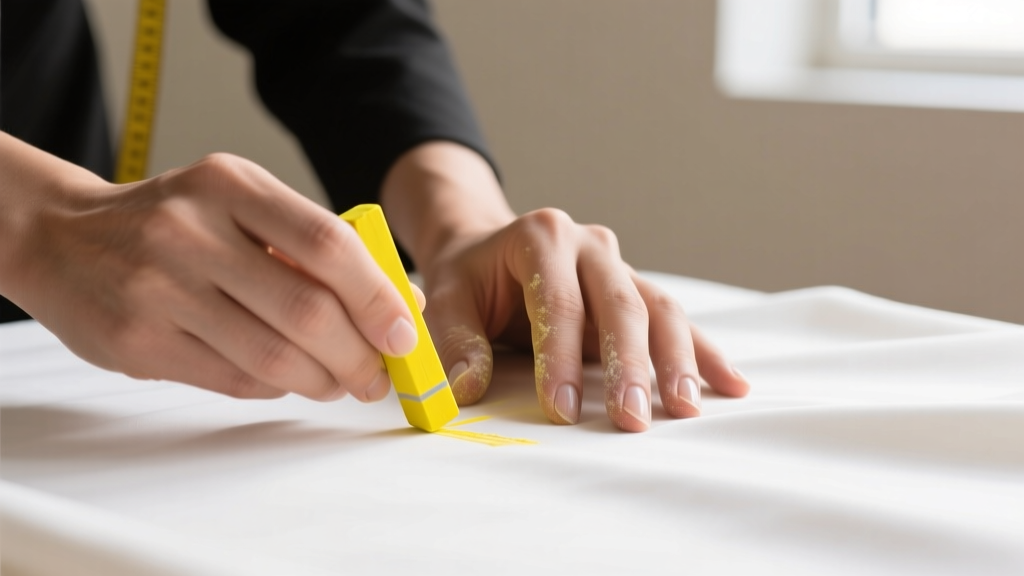
Wrap a soft, flexible tailor's measuring tape around your neck, right where a collar would sit. Keep it snug but comfortable—you should be able to slide one finger between the tape and your skin. Note this number. This is your base neck measurement.
The String and Ruler Method
If you don't have a soft tape, use a piece of non-stretchy string or a phone charging cable. Wrap it around your neck, mark the meeting point with your finger or a pen, and then lay it flat against a rigid metal ruler to get your base measurement.
The "Plus Two" Rule for Sizing
Once you have your base measurement, use this simple math to find your ideal chain lengths:
- For a Choker (16"): Base measurement + 2 inches. (e.g., A 14-inch neck needs a 16-inch choker).
- For a Princess (18"): Base measurement + 4 inches. This allows the chain to drape over the collarbone without pulling.
- For a Matinee (20"): Base measurement + 6 inches. Ideal for larger pendants that need room to swing.
Adjusting for Body Type and Proportions
The "average" 18-inch necklace was designed around a mannequin with a 13-inch neck and a slender frame. Real human bodies vary wildly, and your height and bust size dramatically alter how a chain looks and feels.
Petite Frames (Under 5'2"): An 18-inch chain might hang lower on your chest than it does on a taller person, sometimes crossing into Matinee territory. If you are petite, a 16-inch choker will often give you the classic "Princess" collarbone look, while a 20-inch chain will elongate your torso beautifully.
Tall Frames (Over 5'8"): Standard 16-inch chokers can sometimes look like tight collars on taller women with longer necks. You may find that an 18-inch chain sits higher on your chest than expected. Opting for 20-inch or 22-inch Matinee lengths will provide a more balanced, proportional drape.
Bust Considerations: Chains longer than 20 inches will inevitably interact with your bust. For women with a larger bust, a 24-inch Opera chain might sit awkwardly across the widest part of the chest, causing the chain to bow outward. In this case, stick to 18-inch or 20-inch lengths that rest above the bust line, or use a 30-inch Rope chain and double it.
The Hidden Variable: Pendant Drop and Chain Weight
Here is a crucial piece of E-E-A-T insight that most beginner guides ignore: the length stamped on the box is not where the jewelry actually ends. If you buy an 18-inch chain and attach a 1.5-inch teardrop pendant, the visual bottom of your necklace is now hanging at 19.5 inches. This is called the "pendant drop," and it completely changes the geometry of the piece.
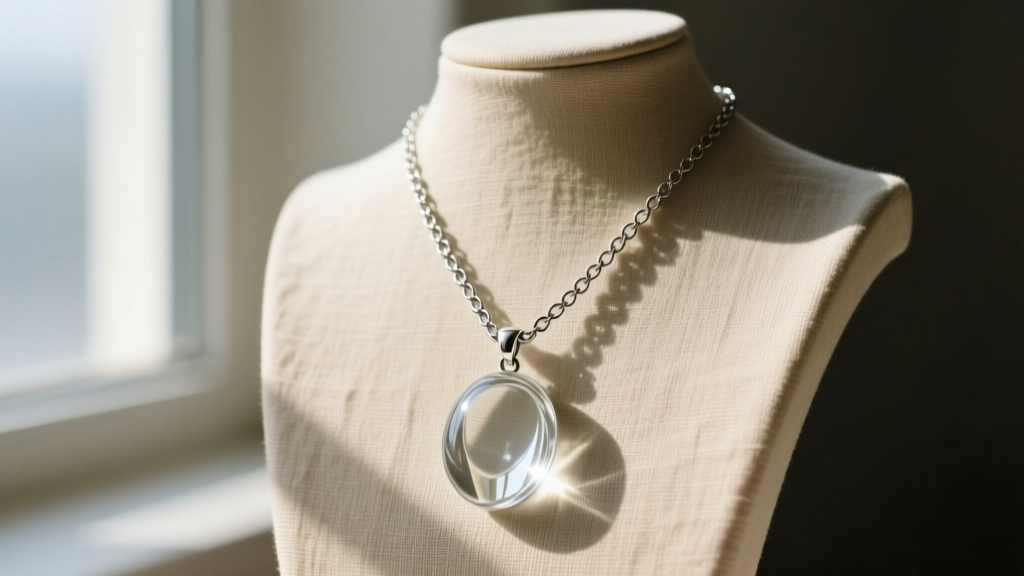
Furthermore, the physical weight of the pendant and the gauge of the chain dictate the drape. A lightweight 1mm cable chain holding a heavy 10-gram gemstone will be pulled down into a sharp, deep "V" shape. This effectively lengthens the necklace by an inch or more at the center point. Conversely, a stiff 3mm snake chain or herringbone chain will resist bending, maintaining a wide, rounded "U" shape that sits higher on the chest. When buying a heavy pendant, always subtract 1 to 2 inches from your desired visual length to compensate for the downward pull.
Layering Math: The 2-Inch Gap Rule
Layering is incredibly popular, but beginners often end up with a tangled mess of chains that all sit at the exact same height. To achieve a clean, cascading waterfall effect, you must follow the 2-inch gap rule.
If your base layer is a 14-inch collar, your second layer must be at least 16 inches, and your third layer should be 18 inches. This ensures that the clasps, jump rings, and pendants do not overlap and scratch one another. If you are mixing chains with different textures—like a delicate beaded chain paired with a thick Cuban link—you can get away with a 1.5-inch gap, provided the visual weights are drastically different.
Common Beginner Mistakes to Avoid
- Ignoring the Extender Chain: Many modern jewelry brands include a 2-inch extender chain (a small piece of chain attached to the clasp). An "18-inch" necklace with a 2-inch extender actually gives you adjustable sizing from 18 to 20 inches. Always check the product specs to see if an extender is included, as this provides valuable flexibility.
- Overlooking Clasp Size: A standard spring ring clasp adds about 0.25 inches to the total length. However, a heavy-duty lobster clasp or a decorative toggle clasp can add up to 0.75 inches. If you are sizing a choker tightly, the clasp size matters immensely.
- Buying Fixed-Length Chains for Gifts: If you are buying a gift and do not know the recipient's exact neck measurement, avoid 14-inch or 16-inch chains. Stick to an 18-inch chain with a 2-inch extender. This covers the 18" to 20" range, which comfortably fits over 90% of adult women.
Final Thoughts on Finding Your Fit
While 18 inches remains the undisputed average length of a woman's necklace, true style comes from understanding how that measurement interacts with your unique body, your wardrobe, and the physical properties of the metal. By taking five minutes to measure your neck, calculating your pendant drop, and respecting the 2-inch layering rule, you will transition from guessing to curating a jewelry collection that fits flawlessly every single time.


