Avoid Green Neck from Jewelry: 2026 Gifting Guide
Discover how to avoid a green neck from jewelry when gifting. Explore our 2026 metal hierarchy, hypoallergenic picks, and occasion-based necklace guide.


Gifting a necklace is a timeless gesture, but nothing ruins a thoughtful present faster than the recipient developing a rash or the dreaded green neck from jewelry. As we navigate the 2026 gifting season, consumers are more educated than ever about metal allergies, skin pH reactions, and the hidden alloys lurking in trendy, mass-produced accessories. A green stain isn't just an aesthetic nuisance; it is a chemical reaction that signals the presence of reactive base metals interacting with human sebum and sweat.
Whether you are shopping for an anniversary, a graduation, or a holiday surprise, understanding the metallurgy behind your jewelry is crucial. This comprehensive guide will help you select hypoallergenic, tarnish-resistant necklaces that guarantee a flawless wearing experience, ensuring your gift remains a cherished keepsake rather than a drawer-bound disappointment.
The Chemistry Behind the Stain: Why Skin Turns Green
To avoid a green neck from jewelry, you must first understand the chemistry causing it. The green or blackish smudge left on the collarbone is not a sign of a skin infection, but rather a harmless but unsightly chemical compound called copper chloride or copper sulfide.
When jewelry containing copper is exposed to the natural acids, salts, and moisture in human sweat, a rapid oxidation process occurs. The American Academy of Dermatology notes that while copper causes green staining, other metals like nickel are the primary culprits behind allergic contact dermatitis, resulting in red, itchy, and blistering skin. Many cheap necklaces use a brass or nickel-silver base and flash-plate them with a microscopically thin layer of gold or silver. Once friction and sweat wear through this plating—often within weeks—the reactive base metal is exposed to the skin, triggering both the green stain and potential allergic reactions.
The 2026 Metal Hierarchy for Tarnish-Free Gifting
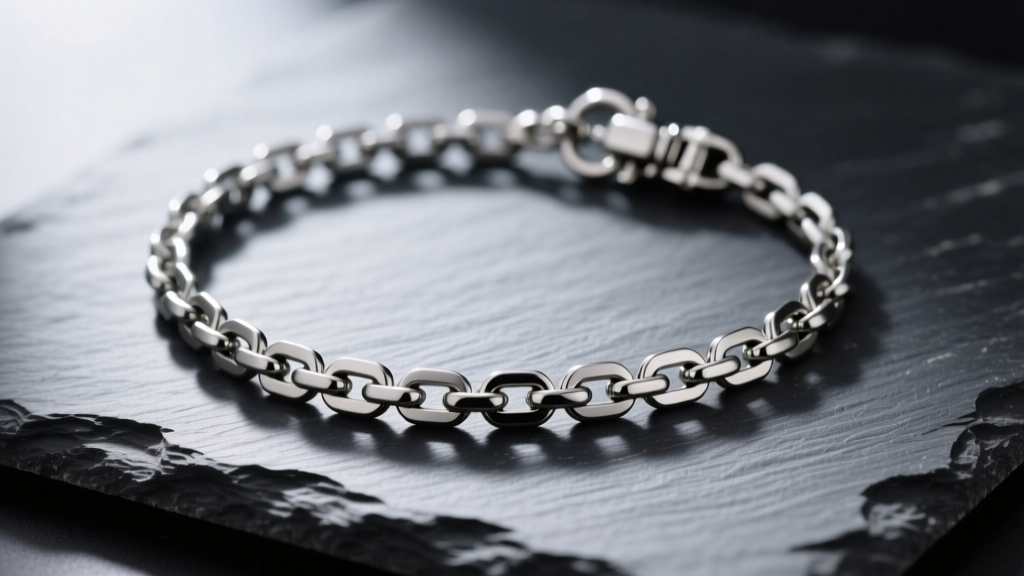
Not all precious metals are created equal. The karatage and alloy composition dictate how a necklace will perform against the skin. Below is a definitive hierarchy of necklace metals, ranked by their safety profile and suitability for gifting.
| Metal / Alloy | Composition Details | Green Neck Risk | Price Tier | Best Gifting Occasion |
|---|---|---|---|---|
| Platinum 950 | 95% Platinum, 5% Ruthenium | Zero | $$$$ | Proposals, Milestone Anniversaries |
| Titanium (Grade 23) | Ti-6Al-4V ELI (Medical Grade) | Zero | $$ | Graduations, Active Lifestyle Gifts |
| Argentium 960 Silver | 96% Silver, Germanium alloy | Extremely Low | $$ | Birthdays, Holidays |
| 18k Yellow Gold | 75% Gold, Silver/Copper mix | Very Low | $$$ | Anniversaries, Push Presents |
| 316L Steel (PVD Coated) | Steel with Physical Vapor Deposition | Low (if unscratched) | $ | Teen Gifts, Trendy Fashion |
| Standard 925 Sterling | 92.5% Silver, 7.5% Copper | Moderate | $ | Casual Gifting (Requires care) |
Occasion-Based Gift Guide: Safe Metals for Every Milestone
Matching the right metal to the occasion ensures your gift is both emotionally resonant and physically enduring. Here is how to select the perfect, skin-safe necklace for any event.
Anniversaries & Proposals: Platinum and 18k Gold
For high-stakes gifting, durability and purity are paramount. Platinum 950 is the ultimate hypoallergenic metal. Because it contains zero copper or nickel, it is physically impossible for a platinum necklace to cause a green neck from jewelry. Furthermore, platinum is incredibly dense; a platinum chain will not wear thin or lose mass over decades of daily wear. If gold is preferred, opt for 18k yellow gold over 14k rose gold. According to the Gemological Institute of America (GIA), 14k rose gold relies heavily on copper to achieve its pink hue, making it a frequent offender for skin staining. 18k yellow gold uses a higher silver-to-copper ratio in its alloy mix, drastically reducing oxidation risks.
Birthdays & Graduations: Argentium Silver and Titanium
If your budget leans toward silver, skip traditional 925 sterling and seek out Argentium 960 silver. Traditional sterling uses 7.5% copper, which tarnishes and reacts with acidic sweat. Argentium replaces a portion of that copper with germanium, creating a transparent germanium oxide layer on the surface that makes the metal highly tarnish-resistant and significantly reduces the chance of skin staining. For graduates or recipients with active, outdoor lifestyles, Grade 23 titanium (Ti-6Al-4V ELI) is an exceptional choice. It is the exact grade used in surgical implants, meaning it is entirely biocompatible, lightweight, and impervious to sweat-induced corrosion.
Holidays & Trendy Gifting: PVD-Coated Stainless Steel
For fashion-forward gifts where budget is a primary concern, 316L surgical stainless steel treated with PVD (Physical Vapor Deposition) is the modern standard. Unlike traditional electroplating, which dips metal into a liquid solution resulting in a weak bond, PVD vaporizes titanium nitride in a vacuum chamber, bonding it to the steel at a molecular level. A high-quality PVD gold coating can be up to 10 times thicker and more durable than standard flash plating, keeping the base steel sealed away from the skin for years.
Red Flags: What to Avoid When Shopping
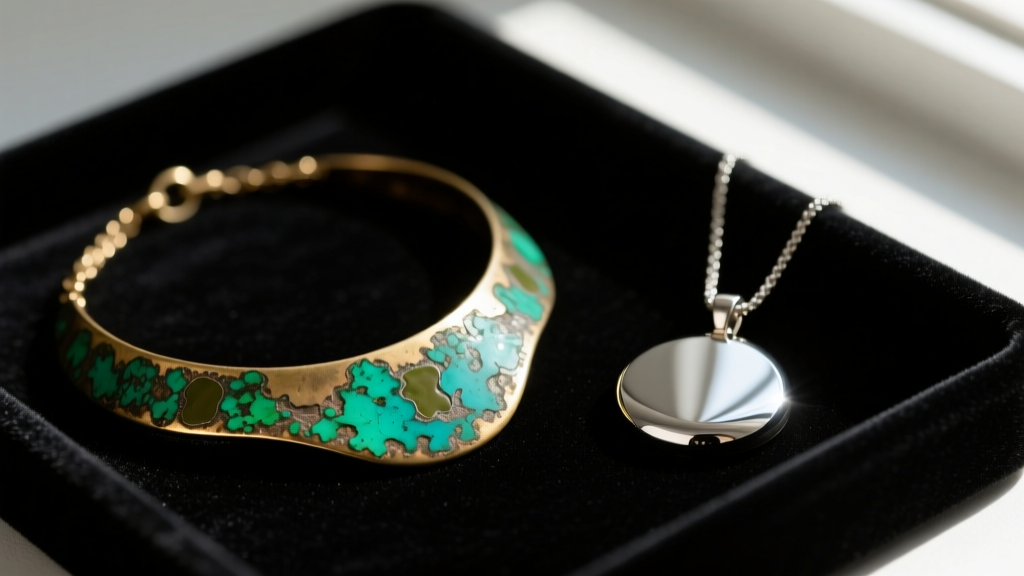
To protect your recipient from a green neck from jewelry, actively avoid these deceptive marketing terms and materials:
- 'Nickel Silver' or 'German Silver': Despite the name, these alloys contain absolutely zero silver. They are typically composed of copper, nickel, and zinc. They are highly reactive and notorious for causing both green stains and severe contact dermatitis.
- Unspecified 'Gold Plated' or 'Dipped': If the retailer does not specify the micron thickness of the plating or the base metal, assume it is a thin flash-plate over brass. Once the plating wears off the pendant's bail or the chain's links, the copper base will immediately react with the skin.
- Hollow Electroformed Jewelry: While lightweight and affordable, thin electroformed copper pieces coated in microscopic gold layers are incredibly fragile. A single scratch from a fingernail can expose the copper core.
Care Instructions to Include With Your Gift
Even high-quality metals require basic maintenance to maintain their luster and protect the wearer's skin. When gifting a necklace, consider including a small, beautifully printed care card with these actionable tips:
- The Lotion Rule: Always apply perfumes, sunscreens, and lotions before putting on the necklace. The chemicals in cosmetics can accelerate the breakdown of silver alloys and gold plating.
- The Wipe Down: After wearing, gently wipe the chain and pendant with a microfiber cloth to remove accumulated sebum, dead skin cells, and environmental salts.
- The Clear Polish Hack: If the recipient has a highly acidic skin pH that causes even 14k gold to oxidize, applying a thin coat of clear nail polish to the back of the pendant and the clasp area creates an invisible, temporary barrier against moisture.
By prioritizing metallurgical integrity over flashy but temporary plating, you ensure your jewelry gift remains a beloved staple in their wardrobe. Understanding how to prevent a green neck from jewelry transforms you from a simple shopper into a thoughtful, knowledgeable curator of lasting style.


