Metallurgy and Marks: Decoding the Avon SP Necklace
Decode the vintage Avon SP necklace hallmark. Explore base metals, silver plating thickness, failure modes, and expert restoration techniques.

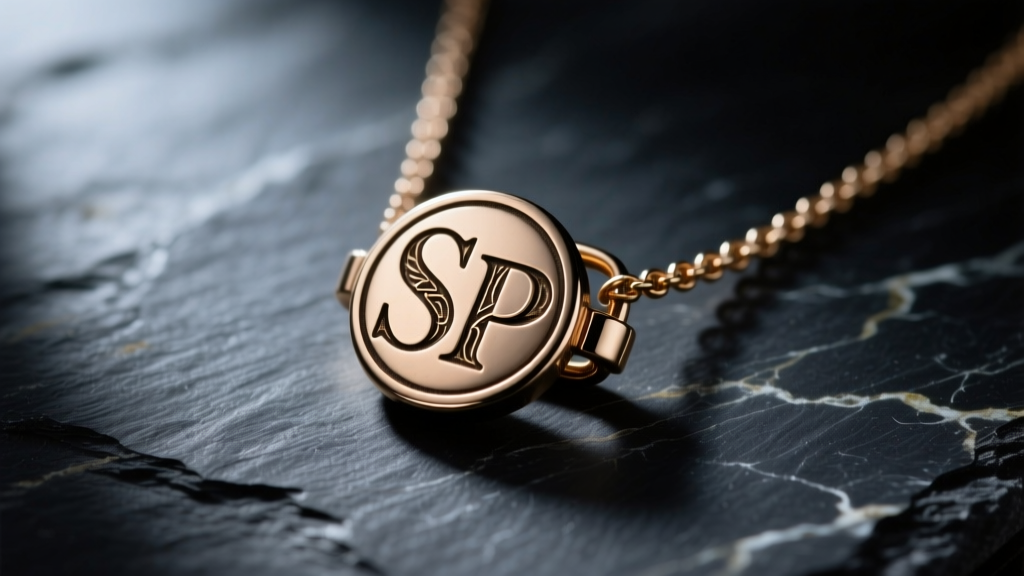
The Anatomy of an Avon SP Necklace
When evaluating vintage costume jewelry, the "Avon SP necklace" represents a fascinating intersection of mass-market accessibility and mid-century electroplating techniques. Avon Products, Inc. aggressively expanded its jewelry divisions in the 1970s and 1980s, utilizing a vast network of contract manufacturers to produce pieces that mimicked high-end sterling silver aesthetics. The "SP" designation is a critical hallmark for collectors, denoting "Silver Plated" over a non-precious base metal substrate. Understanding the metallurgical realities of these pieces is essential for accurate authentication, conservation, and valuation.
Unlike solid sterling silver (which must contain 92.5% pure silver), an Avon SP necklace relies entirely on surface electrodeposition for its visual appeal and tarnish resistance. The longevity and structural integrity of the piece depend on three distinct layers: the base substrate, the intermediate strike layer, and the outermost silver plating. Over decades of wear, the interaction between these layers dictates the failure modes commonly seen in vintage secondary markets.
Base Metal Composition
Avon's contract manufacturers primarily utilized Zamak (a zinc alloy containing aluminum, magnesium, and copper) or white metal (a pewter-like alloy of tin, antimony, and lead) for their SP lines. Zamak was heavily favored in the 1980s for cast pendants and heavy chain links due to its low melting point and excellent fluidity in die-casting molds. However, Zamak is highly susceptible to intergranular corrosion if the protective plating is breached. When moisture penetrates the silver layer, the zinc oxidizes, expanding in volume and causing the overlying silver to blister or flake.
Silver Plating Thickness and Grades
The silver layer on a vintage Avon SP necklace is measured in microns (µm). Standard commercial costume jewelry from this era typically features "flash plating," which deposits a mere 0.1 to 0.5 microns of silver. Heavier vintage pieces, particularly those marketed as premium gift items, may feature up to 2.0 or 3.0 microns of silver. To put this in perspective, a standard sheet of copy paper is approximately 100 microns thick. This sub-micron reality means that aggressive polishing will rapidly strip the silver down to the base metal.
Decoding the Hallmarks: What "SP" Really Means
Authentication of an Avon SP necklace requires careful examination of the hallmarks, usually located on the back of the pendant bail, the clasp tongue, or a dedicated soldered tag. Avon's marking conventions evolved as their manufacturing contracts shifted globally.
| Hallmark | Metallurgical Meaning | Primary Production Era |
|---|---|---|
| AVON SP | Silver Plated over base metal substrate | 1970s - 1980s |
| A.S.P. | Avon Silver Plated (proprietary corporate mark) | Late 1970s |
| ©AVON | Copyrighted design (plating varies, often base) | 1980s - Present |
| AVON | Standard mark, typically gold-tone or enamel | 1970s - Present |
According to archival data from the Silver Institute, the electroplating baths used for these items were predominantly cyanide-based silver solutions, which provided excellent throwing power (the ability to plate evenly into recessed areas of cast Zamak). However, environmental regulations in the late 1980s forced many manufacturers to transition to non-cyanide baths, which occasionally resulted in slightly more brittle deposits prone to micro-cracking.
Common Failure Modes in Vintage Avon Silver Plating
Collectors and conservators frequently encounter specific degradation patterns in Avon SP necklaces. Recognizing these failure modes helps differentiate between surface tarnish and irreversible structural damage.
- Silver Sulfide Tarnish (Ag2S): The most common issue. Atmospheric hydrogen sulfide reacts with the silver layer to form black silver sulfide. On SP pieces, this tarnish often appears more iridescent or yellowish in early stages compared to solid sterling silver due to the thinness of the plating and the optical interference of the underlying copper strike layer.
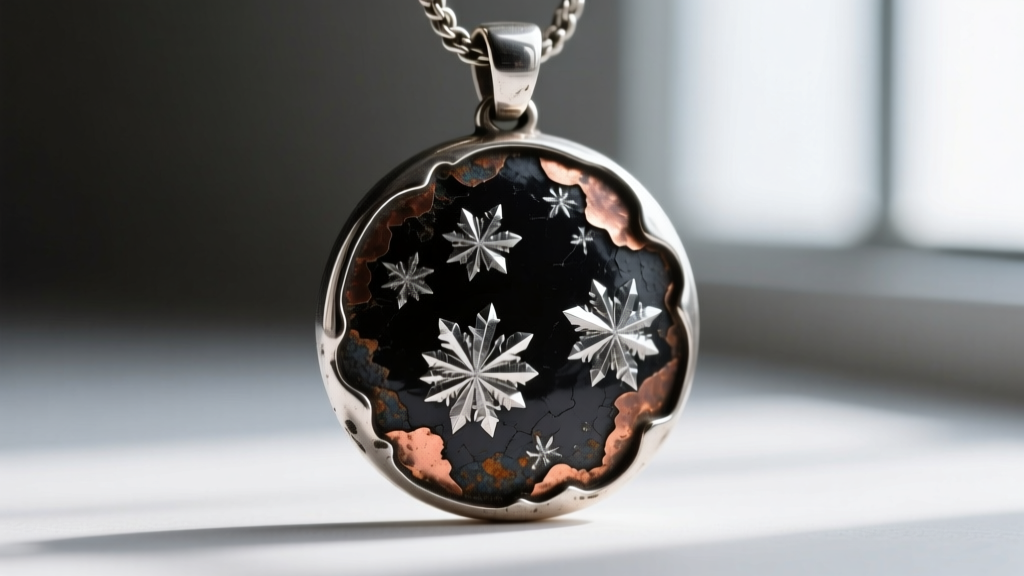
- Copper Strike Bleed-Through: Before silver can be plated onto zinc or pewter, a microscopic "strike" layer of copper or nickel must be applied to ensure adhesion. If the silver wears away at high-friction nodes (like clasp rings or bail loops), the reddish hue of the copper strike becomes visible. This is often mistaken for "rose gold" plating by novice sellers.
- Galvanic Desquamation (Flaking): When sweat or saltwater bridges the gap between the silver and the exposed base metal, a galvanic cell is formed. The base metal acts as a sacrificial anode, corroding rapidly and generating hydrogen gas beneath the plating, which causes the silver to blister and flake off in microscopic sheets.
Expert Restoration and Conservation Protocols
Restoring an Avon SP necklace requires a radically different approach than polishing solid sterling silver. The primary directive in costume jewelry conservation is the preservation of the remaining micron-thin silver layer.
Cleaning vs. Abrasive Polishing
Never use commercial silver dips containing thiourea or sulfuric acid on vintage Avon SP pieces. These chemical solutions strip tarnish by dissolving the silver sulfide, but they also dissolve the underlying metallic silver. On a 0.5-micron plated necklace, a single dip can remove 20% of the total precious metal layer.
Instead, conservators utilize a slurry of precipitated calcium carbonate (CaCO3) mixed with deionized water. Applied with a soft cotton swab, this provides just enough mechanical abrasion to lift silver sulfide without cutting into the metallic silver lattice. The Victoria and Albert Museum's conservation guidelines strongly advocate for this gentle mechanical approach for all historical plated silver objects to prevent irreversible substrate exposure.
Replating Considerations
If an Avon SP necklace has suffered severe desquamation or copper bleed-through, professional replating is the only viable restoration path. This requires chemically stripping the remaining silver and copper strike, polishing the Zamak base, applying a fresh cyanide copper strike, and finally electrodepositing a new layer of silver. Because modern plating shops often charge $50 to $150 for this multi-step process, replating is generally reserved for Avon SP pieces with high sentimental value or rare, highly sought-after designer collaborations (such as those by Kenneth Jay Lane or Trifari manufactured for Avon).
Conservator's Note: Always store Avon SP necklaces in anti-tarnish cloth bags infused with activated carbon or silver nitrate. This passively absorbs atmospheric sulfur compounds, drastically slowing the formation of Ag2S without requiring mechanical intervention.
Sourcing and Valuation Metrics
In the current vintage market, an Avon SP necklace is generally categorized as mass-market costume jewelry, with baseline values ranging from $15 to $45. However, specific sub-categories command premiums. Pieces featuring intricate guilloche enamel work beneath the silver plating, or those belonging to the "Victorian Revival" lines of the mid-1970s, can fetch between $80 and $150 from specialized collectors. When purchasing, always use a 10x jeweler's loupe to inspect the high-wear areas of the clasp and bail; if the copper strike is visible, the piece is structurally compromised and should be valued strictly for its aesthetic or parts potential rather than its metallurgical integrity.


