Aztec Necklace Value Guide: Assessing Metals, Stones & Cost
Learn how to assess the true value of an Aztec necklace. Discover pricing tiers, metal grades, turquoise authenticity, and buying tips.

The Allure and Economics of Aztec Necklaces
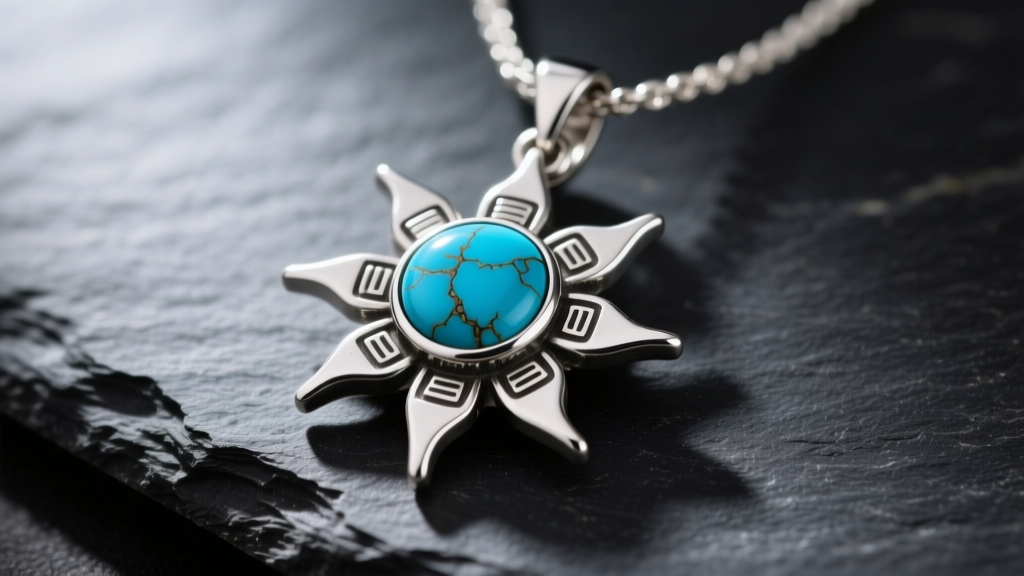
The Aztec necklace style—characterized by intricate sun faces, geometric step-frets, eagle knight motifs, and bold turquoise inlays—remains a cornerstone of Southwestern and tribal jewelry. However, the 2026 jewelry market is heavily saturated with mass-produced imitations that mimic the aesthetic while entirely lacking the material integrity of authentic pieces. For collectors and everyday wearers alike, distinguishing between a $25 tourist-trap alloy and a $450 artisan-crafted sterling silver piece requires a keen understanding of metallurgy and gemology.
Assessing the budget and true value of an Aztec necklace means looking past the intricate surface detailing and examining the structural foundation. This guide breaks down the exact material grades, stone treatments, and pricing tiers you need to know to make an informed, value-driven purchase.
Decoding Metals: Sterling Silver vs. Deceptive Alloys
The most critical factor in determining the value of an Aztec pendant or chain is the base metal. The market is flooded with misleading terminology designed to make cheap alloys sound precious.
The 'Tibetan' and 'Alpaca' Silver Trap
If a listing advertises 'Tibetan Silver' or 'Mexican Alpaca Silver' at a budget price point, you are not buying silver.
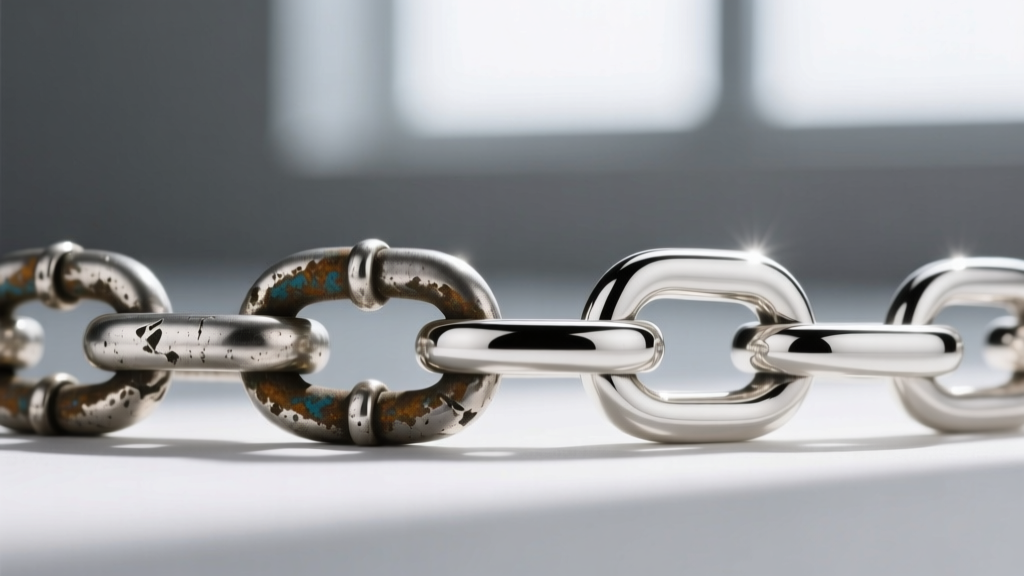
- Tibetan Silver: This is typically a zinc, copper, and nickel alloy containing 0% actual silver. It is prone to rapid oxidation, skin discoloration (due to copper reacting with sweat), and structural brittleness.
- Alpaca (Nickel Silver): Despite the name, Alpaca is an alloy consisting of roughly 60% copper, 20% nickel, and 20% zinc. It polishes to a bright, silvery shine but holds virtually no intrinsic melt value and frequently triggers contact dermatitis in nickel-sensitive wearers.
The 925 Sterling Standard
True value resides in stamped .925 sterling silver (92.5% pure silver, 7.5% copper for tensile strength). High-end Aztec jewelry often utilizes heavy-gauge 925 sterling that is hand-stamped or cast using the lost-wax method. When evaluating a piece, look for the '.925' stamp on the back of the pendant and the chain clasp. Be wary of pieces that are heavily oxidized (blackened) in the crevices to hide poor casting seams or base-metal bleed-through.
Stone Valuation: Genuine Turquoise vs. Imitations
Turquoise is the lifeblood of the Aztec necklace aesthetic. However, because natural, untreated turquoise is increasingly rare and expensive, the market relies heavily on treated and simulated stones. According to the Gemological Institute of America (GIA), understanding the difference between natural, stabilized, reconstituted, and dyed stones is essential for accurate valuation.
Natural vs. Stabilized Turquoise
Natural turquoise is mined, cut, and polished without chemical alteration. It is porous and can change color over time as it absorbs oils from the skin. Because it is fragile, high-end artisans back it with a steel or epoxy matrix. Stabilized turquoise, on the other hand, is genuine turquoise that has been infused with a clear epoxy resin under pressure to harden it and enhance its color. Stabilization is an accepted industry practice that makes the stone durable enough for intricate Aztec inlay work, and it commands a solid mid-range value.
Reconstituted and Dyed Imitations
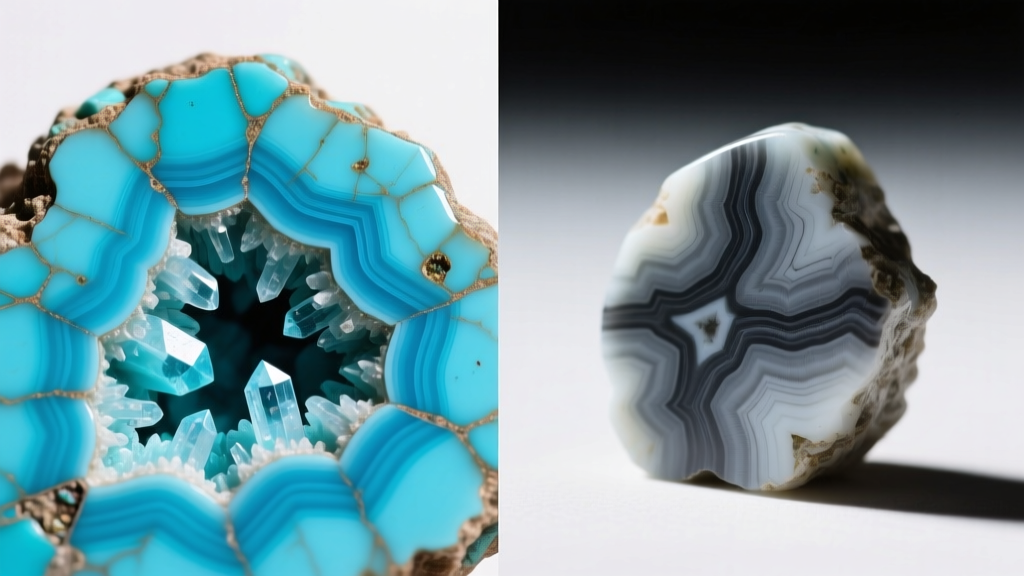
At the bottom of the value spectrum are reconstituted turquoise (turquoise dust mixed with epoxy and dyes) and dyed howlite. Dyed howlite is a cheap, white magnesium silicate mineral that is dyed blue to mimic turquoise. Under a 10x jeweler's loupe, dyed howlite will reveal dye concentration in the natural grey veining, whereas genuine turquoise matrix features natural brown or black host-rock inclusions.
Price Tier Breakdown and Value Assessment
To accurately assess whether an Aztec necklace is priced fairly, cross-reference the materials with the current market tiers. The following table outlines what you should expect to pay based on material composition and craftsmanship.
| Value Tier | Metal Composition | Stone Material | Estimated Price Range | Value Verdict |
|---|---|---|---|---|
| Budget / Mass-Market | Zinc Alloy / Brass / Alpaca | Dyed Howlite / Glass / Resin | $15 - $45 | Poor long-term value; strictly costume jewelry. |
| Mid-Range / Commercial | 925 Sterling Silver (Cast) | Stabilized Turquoise / Reconstituted | $85 - $250 | Good value for daily wear; durable but lacks artisan uniqueness. |
| High-End / Artisan | Heavy 925 Sterling (Hand-Stamped) | Natural Kingman or Sleeping Beauty Turquoise | $400 - $1,200+ | Excellent investment value; appreciates over time. |
Common Failure Modes and Quality Checks
Even if the materials are authentic, poor structural engineering will ruin the necklace's value. When inspecting an Aztec necklace, perform these specific stress and quality checks:
1. Bezel Wall Thickness
Aztec designs often feature multiple small turquoise cabochons. Inspect the silver bezel walls holding the stones. If the silver is paper-thin (under 0.3mm), the stones will easily pop out upon minor impact. High-value pieces feature thick, flush-set bezels that are burnished tightly against the stone's crown.
2. Jump Ring Integrity
The jump ring connecting the heavy Aztec pendant to the chain is a primary failure point. Mass-produced pieces use unsoldered, thin-gauge jump rings that will pull apart under the weight of a solid silver pendant. Always look for soldered jump rings or heavy-gauge split rings on mid-to-high-tier necklaces.
3. Chain Tensile Strength
A heavy 925 silver Aztec sun pendant can easily weigh 30 to 50 grams. Pairing this with a delicate 1.2mm box chain is a structural mismatch that will result in chain snapping. Ensure the chain gauge is at least 2.0mm to 2.5mm (such as a sturdy rope or wheat chain) to safely support the pendant's mass.
Pro-Tip: When buying vintage or antique Southwestern and Aztec-style pieces, always verify authenticity through reputable channels. The Indian Arts and Crafts Board provides excellent resources on identifying genuine indigenous and historically significant metalwork, protecting you from overpaying for artificially aged replicas.
Final Verdict: How to Buy Smart
An Aztec necklace can be a stunning, culturally resonant statement piece, but its value is entirely dictated by its material truth. If you are shopping on a strict budget under $50, accept that you are purchasing costume jewelry made of brass or alpaca with simulated stones—perfect for occasional wear, but devoid of heirloom potential.
If your budget allows for the $150 to $400 range, demand .925 sterling silver and stabilized turquoise, ensuring the piece has soldered jump rings and secure bezel settings. For the serious collector spending above $500, insist on natural, untreated turquoise, heavy-gauge hand-fabricated silver, and verifiable artisan hallmarks. By applying these metallurgical and gemological assessments, you can confidently navigate the market and secure a piece that offers both aesthetic brilliance and enduring financial value.


