Back to School Necklace Guide: Best Materials 2026
Discover the best materials for a back to school necklace in 2026. Compare stainless steel, sterling silver, and titanium for durability and style.

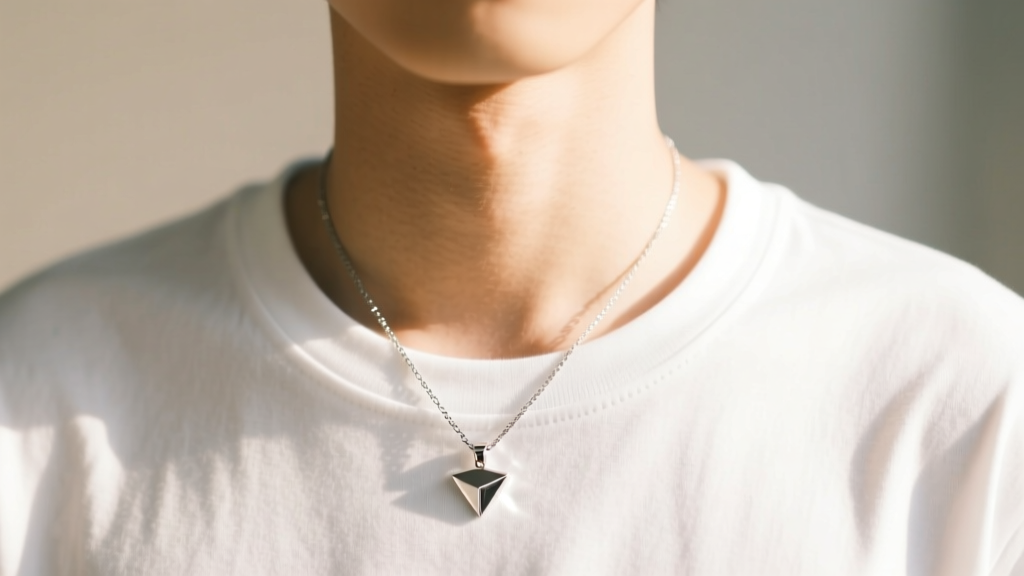
As the 2026 academic year approaches, students and parents alike are curating campus wardrobes that balance personal expression with everyday practicality. While clothing trends shift rapidly, jewelry remains a steadfast anchor of personal style. However, selecting the perfect back to school necklace requires looking far beyond the initial aesthetic appeal. The campus environment is uniquely demanding on accessories. Between the friction of heavy backpack straps, the sudden downpours of autumn weather, the intense humidity of gym class, and the occasional accidental yank during crowded hallway transitions, a necklace must be a resilient workhorse. Choosing the wrong metal can result in green skin, severe contact dermatitis, or a snapped chain within the first week of the semester. To make an informed purchase, we must evaluate the metallurgical properties, corrosion resistance, and long-term wearability of the most popular jewelry materials available today.
The Campus Crucible: Why Material Dictates Longevity
A high school or college campus is essentially an obstacle course for delicate metals. The primary culprits of jewelry degradation are moisture, friction, and human biochemistry. Sweat is mildly acidic and contains salts and urea, which can rapidly accelerate the oxidation of base metals and copper alloys. Furthermore, the modern student rarely removes their jewelry for physical education or showers, exposing their necklaces to chlorinated water, harsh soaps, and sudden temperature changes. When shopping for a back to school necklace, you must prioritize metals that possess high tensile strength and inherent resistance to chemical corrosion. The goal is to find a piece that can survive being worn 24/7 without requiring constant polishing or causing allergic flare-ups.
Comprehensive Material Comparison Chart
Before diving into the specific molecular advantages of each metal, it is helpful to visualize how the most common jewelry materials stack up against one another in a daily-wear scenario. The table below outlines the critical performance metrics for student jewelry.
| Material | Corrosion Resistance | Hypoallergenic | Tensile Strength | Avg. Price Range |
|---|---|---|---|---|
| 316L Stainless Steel | Exceptional | High | Very High | $25 - $85 |
| 925 Sterling Silver | Moderate | Moderate | Low-Moderate | $45 - $150 |
| Grade 23 Titanium | Exceptional | Maximum | Very High | $40 - $120 |
| Gold Vermeil | Low-Moderate | High (if base is Ag) | Low-Moderate | $60 - $200 |
| Niobium | Exceptional | Maximum | Moderate | $30 - $90 |
316L Surgical Stainless Steel: The Undisputed Workhorse
For a back to school necklace that demands zero babysitting, 316L surgical stainless steel is the gold standard of affordable durability. It is crucial to distinguish between 304 and 316L stainless steel. While 304 is common in cheap fashion jewelry, it lacks the molybdenum necessary to withstand chloride exposure. 316L contains 2% to 3% molybdenum, which drastically increases its resistance to pitting and corrosion from saltwater, sweat, and chlorinated pools. The 'L' denotes low carbon, which further stabilizes the alloy against extreme temperature changes and chemical degradation.
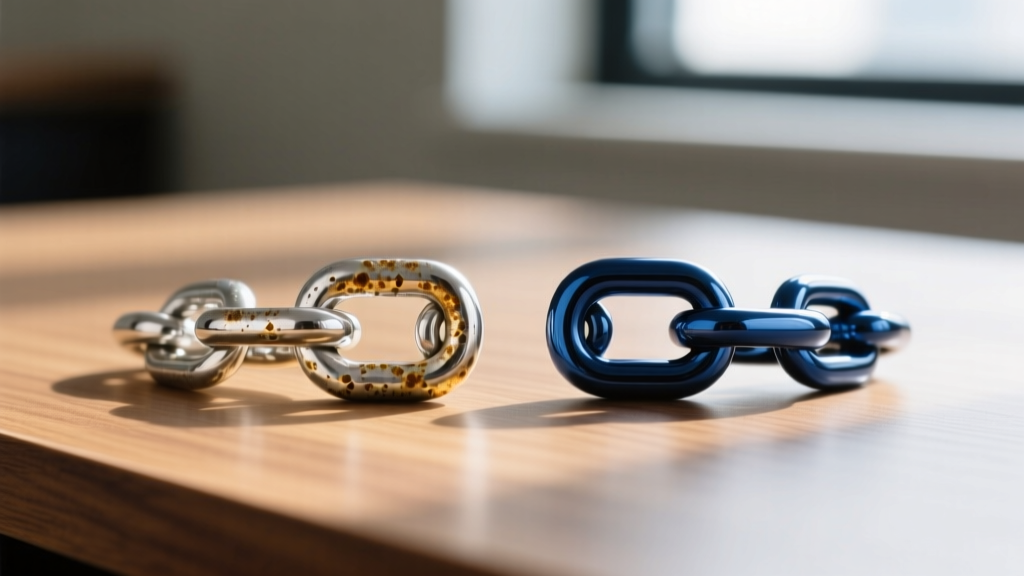
Furthermore, many premium 2026 steel necklaces utilize PVD (Physical Vapor Deposition) coating rather than traditional electroplating. PVD involves vaporizing titanium nitride or zirconium in a vacuum chamber, allowing the molecules to bond to the steel at an atomic level. A PVD-coated 316L steel chain is virtually impervious to scratching and will not rub off onto the skin or clothing, making it the ultimate low-maintenance choice for active students.
925 Sterling Silver: Classic Elegance with High Maintenance
Sterling silver remains a perennial favorite for its bright, reflective luster and traditional value. By definition, 925 sterling silver consists of 92.5% pure silver and 7.5% alloy metals, almost always copper. While pure silver is too soft to hold the shape of a delicate pendant bail or a secure lobster clasp, the addition of copper provides necessary structural integrity. However, copper is highly reactive. When exposed to hydrogen sulfide in the air, or the natural oils and acids in human sweat, the copper oxidizes, creating silver sulfide—the black tarnish that plagues silver jewelry.
If a student insists on a sterling silver back to school necklace, look for pieces that have been rhodium-plated or e-coated. Rhodium, a precious metal in the platinum family, provides a temporary, brilliant white barrier that delays tarnishing. However, friction from backpack straps and collarbones will eventually wear this microscopic layer away, requiring professional re-dipping. According to the Gemological Institute of America (GIA), regular polishing with a microfiber cloth can remove light tarnish, but sterling silver is inherently a high-maintenance metal that may not suit a student who prefers a 'wear it and forget it' lifestyle.
Titanium and Niobium: The Hypoallergenic Safeguards
For students with severe metal sensitivities, the search for a safe back to school necklace narrows significantly. Contact dermatitis from nickel is a widespread issue. The European Nickel Directive strictly limits nickel release to 0.5 µg/cm²/week, but many unregulated fast-fashion accessories exceed this limit drastically. As noted by the National Center for Biotechnology Information (NCBI), nickel allergies can develop at any age and result in severe, blistering rashes.

Enter Grade 23 Titanium (Ti 6Al-4V ELI) and Niobium. Grade 23 titanium is the exact alloy used in medical implants due to its complete biocompatibility and extraordinary strength-to-weight ratio. A titanium pendant necklace is incredibly lightweight, meaning it won't pull or stretch the delicate skin of the neck during long study sessions. Niobium, a reactive metal, is naturally hypoallergenic and can be anodized using electricity to create vibrant, permanent colors without the use of toxic dyes or plating. While slightly softer than titanium, niobium offers unparalleled safety for hyper-sensitive skin.
The Trap of Flash Plating and Brass Cores
When browsing online marketplaces for affordable back to school jewelry, students will encounter thousands of 'gold-plated' options priced under $20. It is vital to understand the mechanics of flash plating. These pieces typically feature a brass or zinc alloy core coated with a microscopic layer of gold—often less than 0.05 microns thick. Within weeks of daily wear, the friction from clothing and the acidity of sweat will eat through this veneer, exposing the reactive brass underneath. This not only ruins the aesthetic but frequently turns the skin green due to the copper content in the brass reacting with oxygen and moisture.
Expert Tip: If you want the look of gold without the solid gold price tag, insist on 'Gold Vermeil' (pronounced ver-MAY). By US trade standards, vermeil must feature a 925 sterling silver base coated with at least 2.5 microns of 10k or higher gold. While still susceptible to eventual wear, vermeil offers exponentially more longevity than standard flash-plated brass.
Final Verdict: Matching Material to Your Campus Lifestyle
Ultimately, the ideal back to school necklace depends entirely on the wearer's daily routine and biological chemistry. For the student athlete who refuses to take off their jewelry before hitting the showers or the weight room, a 316L stainless steel chain with a PVD finish is an indestructible, budget-friendly investment. For the fashion-focused student willing to commit to a weekly polishing routine and careful storage, rhodium-plated 925 sterling silver offers timeless elegance. Finally, for those battling chronic contact dermatitis, Grade 23 titanium provides absolute peace of mind. By prioritizing metallurgical integrity over fleeting fast-fashion trends, you ensure that your chosen necklace survives the chaos of the 2026 school year and beyond.


