How to Clean and Care for Your 14k Gold Mustard Seed Necklace
Learn expert techniques to clean, maintain, and store your 14k gold mustard seed necklace without damaging the delicate glass vial or chain.

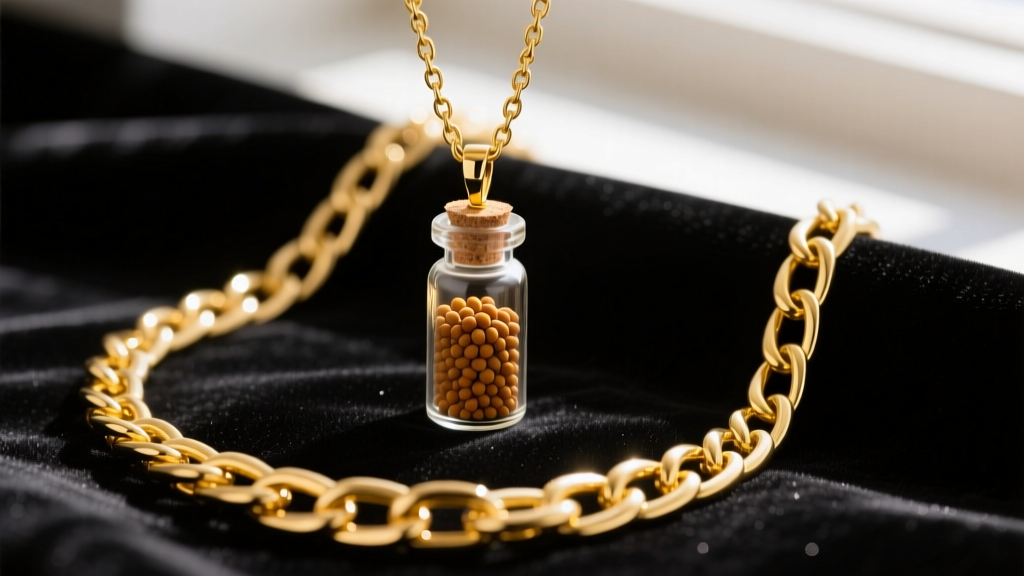
A 14k gold mustard seed necklace is more than just a beautiful accessory; it is a profound symbol of faith, potential, and growth. However, the unique combination of precious metal, delicate glass or resin, and organic botanical material requires a highly specific approach to maintenance. Standard jewelry cleaning methods that work perfectly for solid gold chains can easily shatter a miniature vial or degrade the seal protecting the seed inside. In this comprehensive guide, we break down the exact metallurgy, material science, and conservation techniques required to keep your necklace pristine for decades.
The Unique Anatomy of a Mustard Seed Pendant
To properly care for your jewelry, you must first understand its composite materials. A typical 14k gold mustard seed necklace consists of three distinct elements, each with its own vulnerabilities:
- The 14k Gold Chain and Setting: 14k gold is an alloy containing 58.5% pure gold and 41.5% secondary metals like copper, silver, and zinc. While pure gold is virtually impervious to tarnish, the copper in 14k gold can oxidize when exposed to sulfur and moisture, leading to surface discoloration.
- The Encasement (Glass or Resin): High-end pendants use tiny 3mm to 5mm borosilicate glass vials, prized for thermal and chemical resistance. More affordable or modern iterations may use cast epoxy resin. Glass is fragile and prone to micro-fractures, while resin can scratch easily and yellow under prolonged UV exposure.
- The Organic Seed: Mustard seeds are hygroscopic, meaning they absorb moisture from the air. If the pendant's seal (usually a micro-drop of jeweler's wax or UV-cured resin) fails, ambient humidity will cause the seed to swell, potentially cracking the glass from the inside or promoting mold growth.
Daily Wear and Environmental Hazards
Preventative care is vastly superior to reactive cleaning. According to the Gemological Institute of America (GIA), the most common cause of catastrophic failure in 14k gold jewelry is chemical exposure. You must remove your mustard seed necklace before engaging in the following activities:
Chlorine and Hot Tubs
Chlorine reacts aggressively with the copper and zinc alloys in 14k gold, causing a phenomenon known as 'stress corrosion cracking.' This weakens the structural integrity of the chain links and the prongs holding the pendant, eventually leading to spontaneous breakage.
High Humidity and Saunas
Extreme heat and moisture can soften the wax or resin seal at the top of the glass vial. Once the seal is compromised, moisture enters the chamber, ruining the organic mustard seed and creating an irreversible cloudy appearance inside the glass.
Step-by-Step Cleaning Guide for 14k Gold and Glass Vials
When your necklace accumulates skin oils, lotions, and environmental dust, it requires a gentle, non-abrasive cleaning process. Never use commercial jewelry dips, ammonia-based cleaners, or toothpaste, as these will strip the glass finish and accelerate gold oxidation.
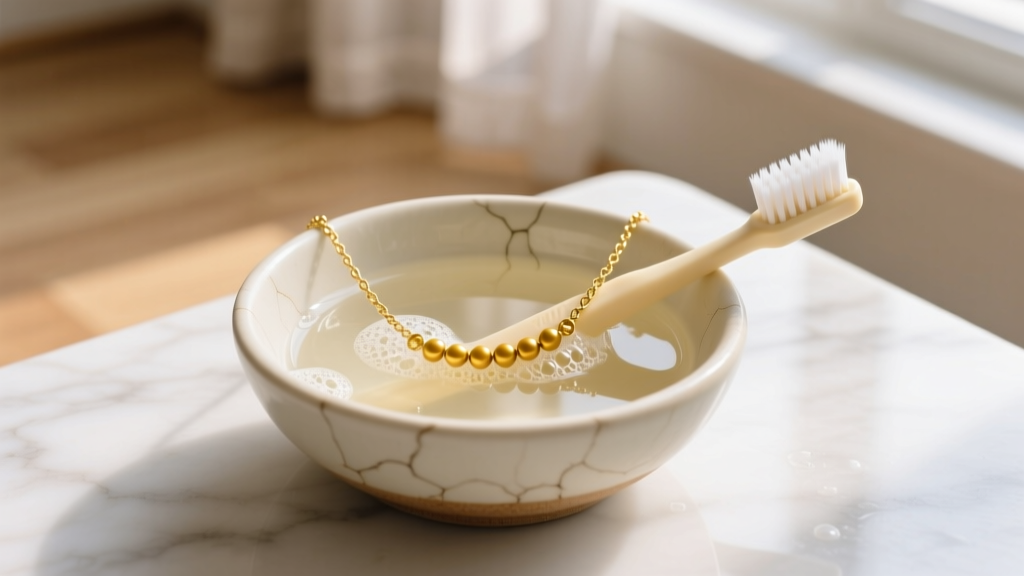
What You Will Need
- Distilled water (tap water contains chlorine and hard minerals that leave spots)
- Mild, phosphate-free dish soap (such as original blue Dawn)
- An extra-soft baby toothbrush or a dedicated camel-hair jewelry brush
- A lint-free microfiber cloth
- A wooden toothpick (for precise detailing)
The Cleaning Process
- Prepare the Solution: Mix three drops of mild dish soap into a small ceramic bowl containing one cup of lukewarm distilled water. Ensure the water is not hot, as thermal shock can shatter the borosilicate glass vial.
- Submerge Briefly: Place the necklace into the solution for no more than 60 seconds. Prolonged soaking can degrade the pendant's sealant.
- Agitate the Chain: Using the baby toothbrush, gently sweep along the chain links to dislodge trapped sebum and dead skin cells. Avoid brushing the glass vial directly with the bristles.
- Detail the Setting: Use the wooden toothpick to carefully scrape away any grime accumulated in the gold bezel or bail where the pendant attaches to the chain. Never use metal needles, as they will scratch the 14k gold.
- Rinse and Dry: Rinse the necklace under a gentle stream of distilled water. Pat it completely dry with the microfiber cloth, ensuring no moisture remains trapped near the vial's seal.
Deep Cleaning Agents: What to Use and What to Avoid
The market is flooded with jewelry cleaning products, but most are entirely unsuitable for composite botanical pendants. The Smithsonian Museum Conservation Institute advises extreme caution when applying chemical solvents to mixed-media artifacts. Below is a definitive guide to cleaning agents for your necklace.
| Cleaning Agent | Safe for 14k Gold? | Safe for Glass/Resin Vial? | Verdict |
|---|---|---|---|
| Ultrasonic Cleaners | Yes | No (Causes shattering) | NEVER USE |
| Ammonia-based Dips | Yes | No (Degrades resin/seal) | NEVER USE |
| Baking Soda Paste | No (Micro-scratches) | No (Clouds glass) | NEVER USE |
| Mild Dish Soap & Water | Yes | Yes | HIGHLY RECOMMENDED |
| Isopropyl Alcohol (90%) | Yes | Use with extreme caution | Spot clean gold only |
Proper Storage Techniques to Prevent Tarnish and Scratches
How you store your 14k gold mustard seed necklace when it is not being worn is just as critical as how you clean it. 14k gold is susceptible to tarnishing when exposed to airborne sulfur compounds, which are prevalent in urban environments and certain household materials like latex and wool.
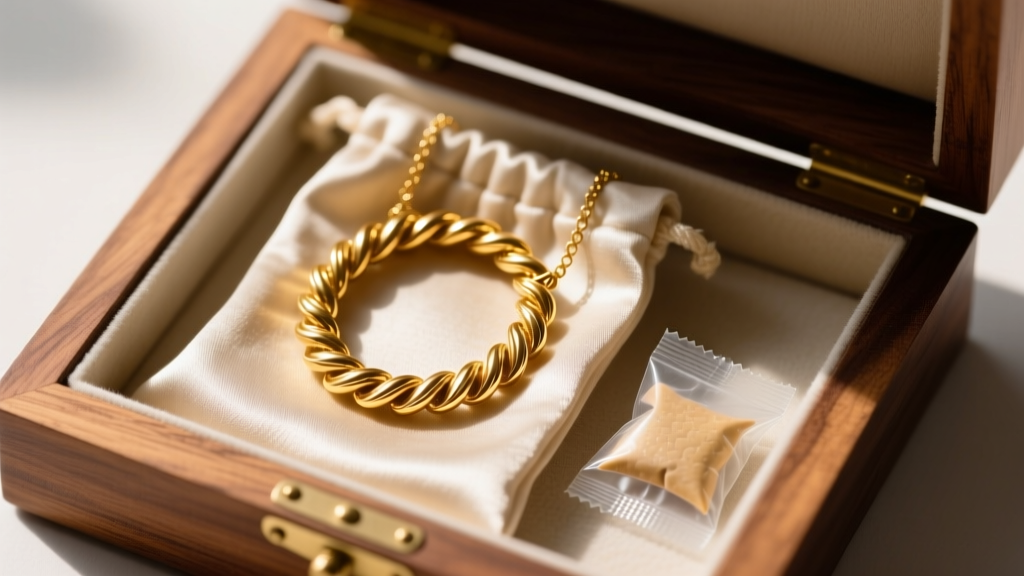
- Use Anti-Tarnish Strips: Store the necklace in an airtight ziplock bag or a dedicated jewelry box lined with Pacific SilverCloth or treated with 3M anti-tarnish strips. These materials absorb sulfur gases before they can react with the copper in your 14k gold.
- Control Humidity: Always include a small silica gel desiccant packet in your storage container. Maintaining a relative humidity below 40% ensures the mustard seed remains perfectly preserved and the vial seal remains intact.
- Prevent Kinking: Fasten the lobster clasp before storing. Store the necklace laid flat or hung vertically. Never toss it loosely into a drawer, as the delicate chain can easily kink or tangle, weakening the links.
Troubleshooting Common Issues
Even with meticulous care, issues can arise over time. Here is how to diagnose and address the most common problems associated with mustard seed pendants.
Condensation Inside the Vial
If you notice tiny water droplets or a foggy appearance inside the glass, the hermetic seal has failed. Do not attempt to bake or heat the pendant to dry it out, as this will expand the trapped air and shatter the glass. Take the piece to a professional jeweler who specializes in micro-lapidary work to have the vial opened, the seed replaced or dried, and the seal re-established with UV-cured optical resin.
Cloudy or Scratched Resin Encasement
If your pendant uses epoxy resin instead of glass, it may become cloudy from micro-scratches caused by friction against clothing. You can restore the clarity by applying a tiny drop of automotive plastic polish (like Novus No. 2) to a microfiber cloth and buffing the resin in small, circular circles. Avoid getting the polish on the gold setting, as it can leave a difficult-to-remove waxy residue in the crevices.
Stiff or Sticky Chain Links
If the 14k gold chain feels stiff or makes a crunching sound when moved, it is likely impacted with hardened lotion or soap scum. Apply a single drop of mineral oil to the affected link, let it sit for five minutes to break down the organic buildup, and then gently work the link back and forth. Follow up with the standard mild soap and distilled water cleaning process to remove the oil.
When to Seek Professional Jewelry Repair
While daily maintenance and light cleaning can be performed at home, structural issues require professional intervention. If you notice the gold bail (the loop connecting the pendant to the chain) thinning out, or if the prongs holding the glass vial feel loose, stop wearing the necklace immediately. A bench jeweler can easily re-tip prongs or solder a new bail using a laser welder, which is crucial for botanical jewelry because laser welding localizes the heat, preventing thermal damage to the delicate seed and glass encasement inside.


