The Difference Between Chain and Necklace: A Troubleshooting Guide
Learn the crucial difference between chain and necklace types to solve tangling, breakage, and clasp failures with expert troubleshooting tips.

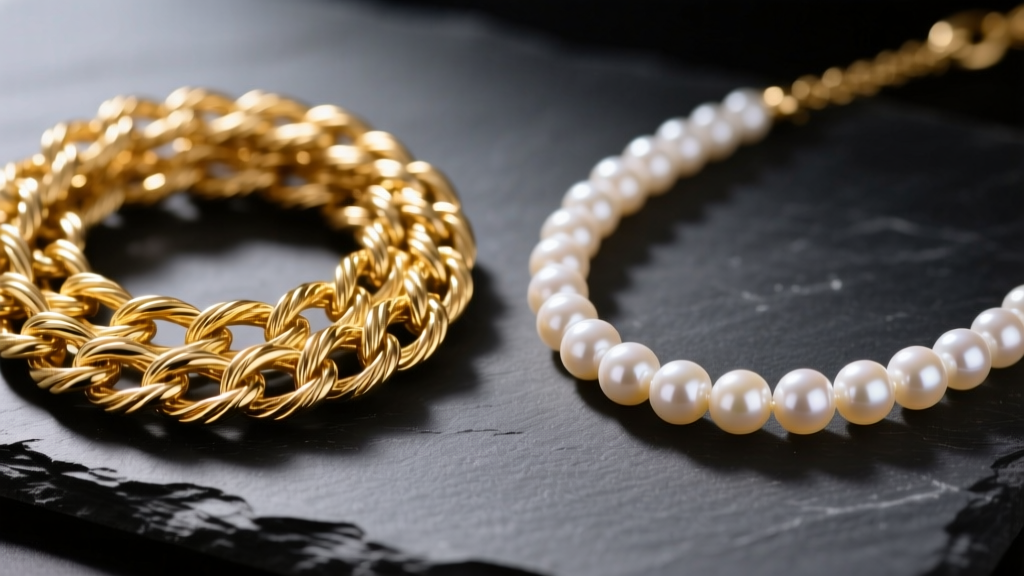
When your favorite jewelry snaps, tangles, or fails to drape correctly, the first step to a proper repair is understanding what you are actually holding. In casual conversation, the terms are used interchangeably. However, from a bench jeweler’s perspective, the difference between chain and necklace structures dictates everything from tensile strength and cleaning protocols to clasp selection and long-term maintenance. Misidentifying the structure often leads to improper repairs, irreversible damage to delicate components, and recurring breakage.
This troubleshooting guide breaks down the mechanical and material differences between metal chains and strung necklaces, providing actionable frameworks to diagnose wear-and-tear issues and select the right structural foundation for your pendants and necklines.
The Core Confusion: Structural Taxonomy
To troubleshoot effectively, we must define the structural taxonomy. A chain is a continuous series of interlocking metal links (e.g., cable, curb, figaro, box) forged, drawn, or cast from precious or base metals. A necklace, in industry troubleshooting terms, refers to a flexible strand of individual elements—such as gemstones, pearls, or glass beads—strung onto a non-metallic or flexible metallic core (e.g., silk thread, nylon, braided steel wire, or leather).
Why does this distinction matter when things go wrong? Because the failure points are entirely different. A chain fails at the soldered seams of the links or through work-hardening of the metal. A strung necklace fails at the stringing material's degradation points, the crimp beads, or the knot friction between stones.
Troubleshooting the Tangling Matrix
Tangling is the most common complaint we see at the bench. The physics of tangling differ vastly depending on whether you are dealing with a chain or a necklace.
Chain Tangling: Friction and Geometry
Metal chains tangle due to link geometry and friction coefficients.
- Herringbone and Snake Chains: These feature flush, interlocking links that create a smooth surface. However, when bent against their natural grain, the links lock together, creating rigid, stubborn kinks that are nearly impossible to untangle without specialized tools.
- Cable and Box Chains: The open spaces in 14-gauge to 20-gauge (0.6mm - 1.6mm) cable chains allow adjacent links to slip through one another, creating complex micro-knots.
- The Fix: Lay the chain flat on a glass surface, apply a micro-drop of mineral oil or specialized jewelry detangler to the knot, and use two fine-tipped titanium tweezers to gently push the links outward from the center of the knot. Never pull the ends.
Strung Necklace Tangling: Static and Silk Stretch
Strung necklaces, particularly those featuring lightweight beads or pearls, tangle due to static electricity and the stretching of the core material. When silk thread stretches, the gaps between beads widen. These gaps act as traps, allowing smaller beads or clasps to slip through and knot.
- The Fix: If a pearl necklace has stretched to the point of tangling, the silk is compromised. According to the GIA Gem Encyclopedia, pearls should be restrung annually if worn frequently. The solution is not untangling, but complete restringing using French wire and 100% silk thread with individual knots between each pearl to prevent future gap-related tangling.
Material & Gauge Breakdown: What Actually Breaks First?
Understanding the tensile limits of your jewelry is critical for troubleshooting sudden snaps. Below is a diagnostic matrix comparing common chain profiles and necklace stringing materials.
| Structure Type | Material / Profile | Typical Gauge / Thickness | Primary Failure Mode | Troubleshooting Action |
|---|---|---|---|---|
| Chain | Sterling Silver Cable | 18-Gauge (1.0mm) | Link elongation and unsoldered jump ring pull-apart | Laser weld the jump rings; upgrade to 16-gauge for heavy pendants |
| Chain | 14k Yellow Gold Box | 1.2mm - 1.5mm | Internal link crushing under pendant weight | Reinforce bail; switch to a wheat chain for better load distribution |
| Necklace | Silk-Strung Pearls | Size F Silk (0.35mm) | Thread rot, stretching, and fraying at the clasp | Complete restringing with gimp wire (French wire) at the clasp ends |
| Necklace | Accu-Flex Wire (Crystals) | 0.019" (49-strand) | Wire fatigue and crimp bead slippage | Replace crimp tubes with sterling silver crimp covers; use wire guardians |
Clasp Mechanics: The Hidden Point of Failure
When evaluating the difference between chain and necklace designs, the clasp attachment is where 80% of catastrophic losses occur.
Soldered vs. Unsoldered Jump Rings
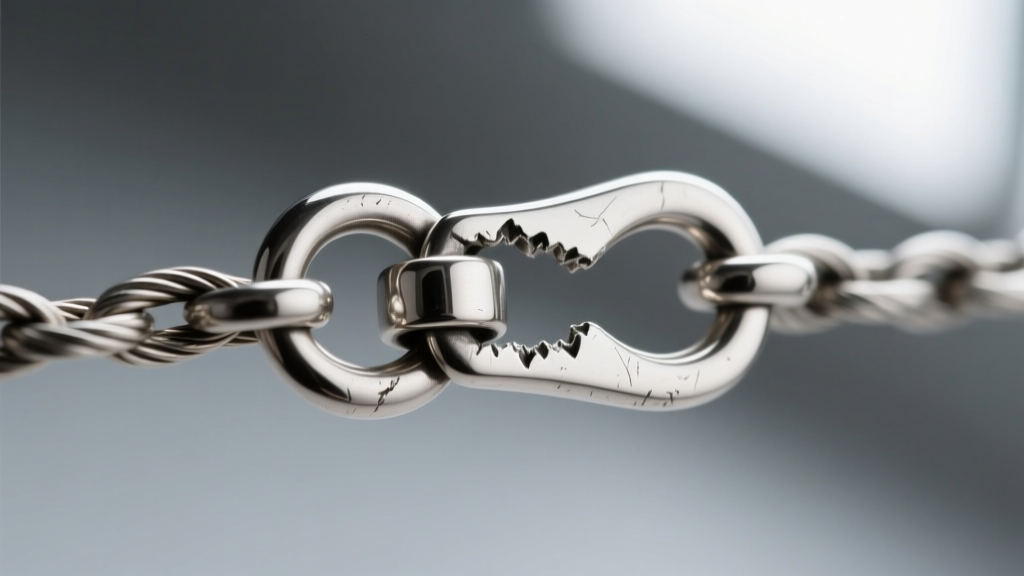
Most commercial chains connect to the clasp via an unsoldered jump ring (a tiny metal circle with a slit). Over time, the tension of putting on and taking off the jewelry pulls this slit open, leading to the chain slipping off.
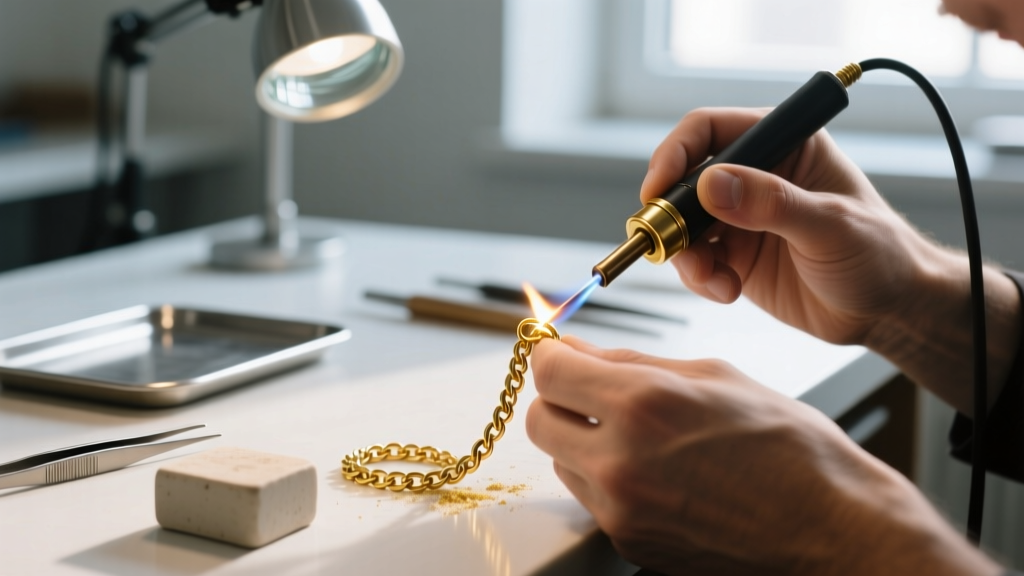
Expert Protocol: For any chain supporting a pendant over 5 grams, or any necklace worn daily, take the piece to a jeweler to have the jump ring flash soldered or laser welded shut. This single $15-$25 repair eliminates the most common point of failure.
Clasp Selection by Weight
- Lobster Clasps: Ideal for chains ranging from 1.0mm to 3.0mm. The internal spring mechanism is robust, but the lever can snag on hair or clothing.
- Spring Ring Clasps: Best reserved for ultra-fine chains (under 0.8mm) and lightweight strung necklaces. They lack the tensile grip required for heavier pieces.
- Toggle Clasps: The gold standard for heavy, thick-strand necklaces and chunky chains. The physics of the T-bar pulling through the O-ring creates a self-tightening lock that becomes more secure as the weight of the necklace pulls downward.
The Styler’s Decision Framework: Choosing Based on Neckline & Weight
Troubleshooting isn't just about fixing broken jewelry; it's about preventing the wrong structural choices from failing in the first place. Use this framework to match the structure to the styling need.
The Weight-to-Drape Rule: If your focal pendant exceeds 15 grams, avoid flexible chains like herringbone or omega, and avoid strung silk necklaces. The localized weight will permanently kink the metal or snap the silk. Opt for a rigid 14k or 18k wheat chain (minimum 1.5mm), which offers a high tensile strength-to-flexibility ratio, allowing it to support heavy loads while draping smoothly around the collarbone.
Neckline Compatibility
Strung necklaces (like lapis lazuli or turquoise beads) possess a rigid, circular drape due to the thickness of the beads and the tension of the stringing wire. They sit perfectly outside the collar of a button-down shirt or over a crewneck sweater. Chains, conversely, possess fluid drape. A 24-inch rope chain will naturally collapse into a V-shape, making it the superior choice for V-necklines and open collars where the jewelry needs to follow the geometry of the garment.
Expert Maintenance Protocols for Longevity
The cleaning and storage protocols for chains and necklaces are mutually exclusive. Applying chain maintenance to a strung necklace will destroy it.
Ultrasonic Cleaning: A Warning
Ultrasonic cleaners use high-frequency sound waves to cavitate dirt out of metal crevices. This is excellent for 14k gold and platinum chains. However, placing a strung necklace—especially one featuring porous stones like turquoise, opals, or pearls—into an ultrasonic cleaner will shatter the stones and disintegrate the silk or nylon core. Always clean strung necklaces with a damp, lint-free microfiber cloth and mild, phosphate-free soap.
Storage Architecture
To prevent the tangling matrix from activating during storage, chains must be hung vertically on a jewelry stand or laid completely flat in a felt-lined drawer with the clasp left unfastened (fastening the clasp creates a loop that invites other chains to slip through). Strung necklaces should be coiled loosely in individual anti-tarnish polybags. According to the Jewelers of America Care Guide, keeping strung pieces away from extreme humidity prevents the premature degradation of organic stringing materials.
Final Thoughts on Structural Integrity
Understanding the difference between chain and necklace structures transforms you from a passive wearer into an informed curator of your collection. By recognizing the distinct failure modes of interlocking metal links versus strung bead arrays, you can make precise, data-driven decisions regarding gauge thickness, clasp upgrades, and daily maintenance. The next time a piece fails, you will know exactly whether the fault lies in the metallurgy of the link or the integrity of the thread.


