Jade Necklace for Women: 2026 Value & Budget Assessment Guide
Discover how to evaluate a jade necklace for women in 2026. Learn Grade A, B, and C pricing, spot treatments, and make smart budget decisions.

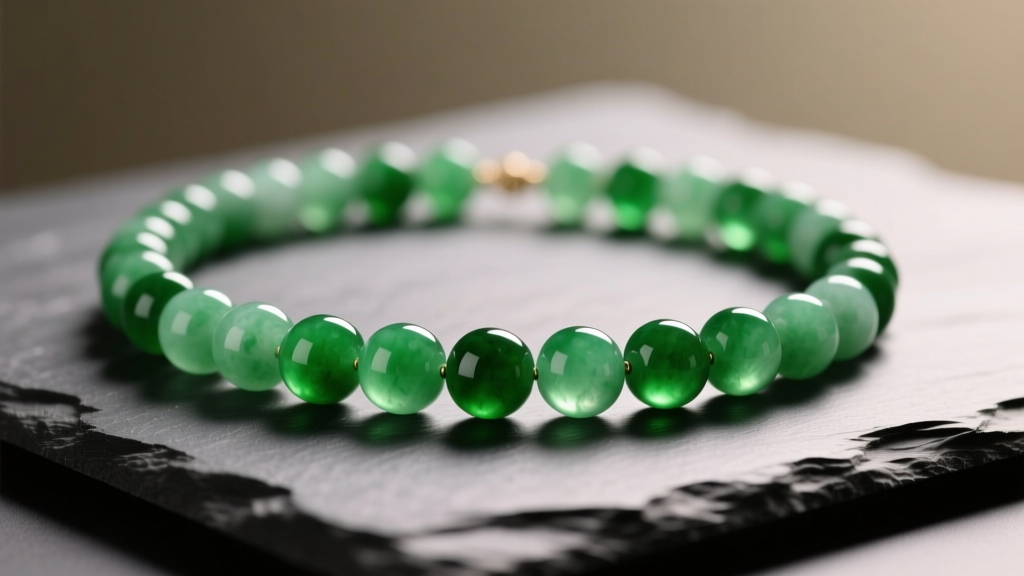
The Mineral Divide: Nephrite vs. Jadeite
When shopping for a jade necklace for women, the first budgetary crossroads is understanding the mineralogy. The term 'jade' is a commercial umbrella covering two distinct metamorphic minerals: nephrite and jadeite. Nephrite, historically prized in China as Hetian jade, is a calcium and magnesium-rich amphibole. It is incredibly tough due to its interlocking fibrous structure, but it generally lacks the vivid translucency of jadeite. Budget-wise, nephrite is far more accessible. A high-quality spinach green nephrite bead necklace might range from $300 to $1,500, while opaque commercial grades can be found for under $100.
Jadeite, a sodium and aluminum-rich pyroxene, is the premium investment stone. Sourced primarily from Myanmar (Burma), jadeite offers the coveted 'imperial green' and vibrant lavender hues. Because jadeite deposits are significantly rarer and the market demand for gem-grade transparency is fiercely competitive, jadeite necklaces command a massive premium. Understanding this mineral divide prevents the most common budgetary mistake: paying jadeite prices for nephrite, or expecting investment returns from a commercial-grade stone.
Decoding the Treatment Spectrum: Type A, B, and C
The single most critical factor in assessing the value of any jadeite necklace is its treatment status. The gemological community categorizes jadeite into three distinct tiers, which directly dictate the price and longevity of the piece.
Type A: Natural and Untreated
Type A jadeite is completely natural, having undergone no chemical or physical alterations beyond standard cutting, polishing, and perhaps a traditional plum wax surface buffing. This is the only category that holds, appreciates, or retains resale value. When allocating a budget over $1,000, you must exclusively target Type A jade.
Type B: Acid-Bleached and Polymer-Impregnated
Type B jade starts as lower-quality, heavily included, or stained material. It is soaked in strong hydrochloric or sulfuric acid to dissolve brown iron oxides and impurities. This process leaves the stone porous and structurally compromised. To restore durability, it is vacuum-impregnated with polymer resins. While it may look clean and bright to the untrained eye, the resin will yellow, cloud, and degrade over 5 to 10 years. Type B jade has virtually zero resale value and should be priced as costume jewelry (under $150).
Type C: Dyed
Type C jade is artificially colored. The stone is heated and submerged in chemical dyes to mimic the highly prized imperial green or lavender hues. Under magnification, the dye concentrates in the micro-fractures and grain boundaries, creating a spiderweb-like pattern. According to the Gemological Institute of America (GIA), dyed jade is considered heavily treated and unstable, as the colors will fade when exposed to prolonged sunlight or heat.
'A Type B or C jade necklace may look visually striking in a retail display, but from a gemological and financial standpoint, you are purchasing a chemically altered rock with a built-in expiration date.' — Gemological Appraisal Standard, 2025.
2026 Pricing Matrix: What Should You Actually Pay?
To help you navigate the market, we have compiled a realistic pricing matrix for jade necklaces in 2026. These ranges assume authentic Type A material with standard 18k gold hardware.
| Jade Category | Visual Characteristics | Estimated Price Range (USD) | Investment Potential |
|---|---|---|---|
| Commercial Nephrite | Opaque, dark green or white, visible inclusions | $50 - $250 | None (Purely decorative) |
| Fine Nephrite (Mutton Fat) | Highly translucent, creamy white, buttery luster | $800 - $4,000 | Moderate (Cultural collector value) |
| Commercial Jadeite (Type A) | Opaque to semi-translucent, muted greens/lavenders | $200 - $900 | Low |
| Fine Jadeite (Type A) | Good translucency ('water head'), vibrant color bands | $2,500 - $15,000 | High (Steady appreciation) |
| Imperial Jadeite (Type A) | Gem-grade, highly transparent, intense emerald-green | $50,000 - $500,000+ | Exceptional (Auction-grade asset) |
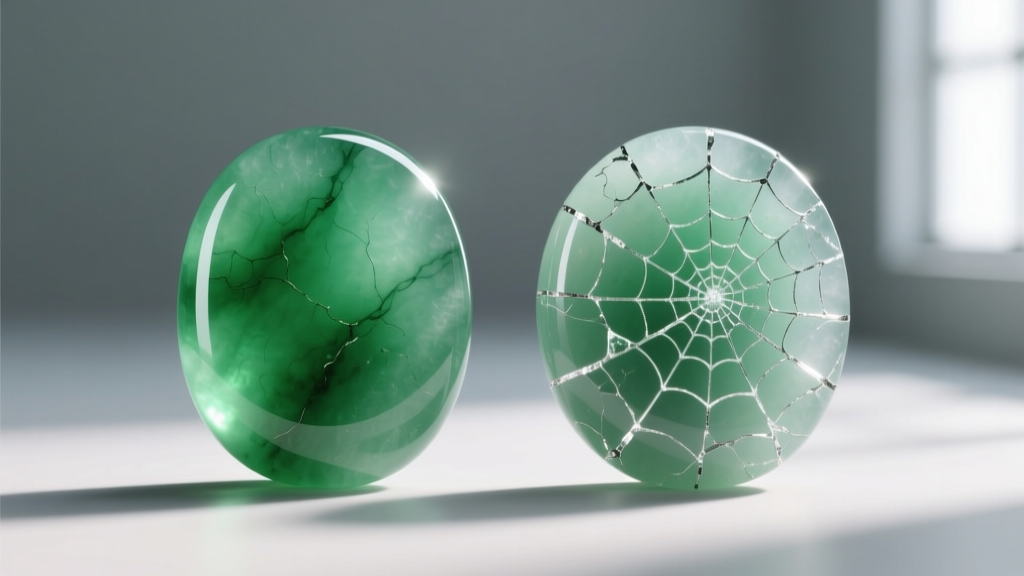
Sensory and Visual Diagnostics: Spotting the Fakes
While lab testing is the only foolproof method, experienced buyers rely on specific sensory diagnostics to filter out overpriced fakes before committing to a purchase.
The Acoustic Resonance Test
Jadeite is incredibly dense (specific gravity of 3.30 to 3.38). If you gently tap a Type A jadeite bangle or thick bead with a natural agate stone or a suspended coin, it produces a distinct, high-pitched, resonant chime that sustains for a second or two. Type B jade, due to its internal polymer resin filling, produces a dull, muted 'thud' or a flat plastic-like clack. Glass imitations will emit a sharp, short, and hollow 'tink'.
The UV Fluorescence Check
If you have access to a long-wave (365nm) ultraviolet flashlight, shine it on the jade in a dark room. Natural Type A jadeite is generally inert or shows very weak, localized fluorescence. Type B jade, however, will often glow with a strong, uniform, chalky blue-white fluorescence due to the epoxy resins injected into its crystalline structure. This is a massive red flag for any seller claiming a piece is untreated.
Evaluating the 'Water Head' (Translucency)
In the jade trade, translucency is referred to as 'water head' (shui tou). A high-value jade necklace for women will possess a glassy or icy translucency that allows light to penetrate deeply into the stone. If a stone has intensely vivid green color but is completely opaque, it is likely nephrite, dyed jadeite, or a composite stone. For a deep dive into optical properties, refer to the GIA Jade Quality Factors guide.
Hardware and Chain Valuation: Don't Ignore the Metals
A common budgetary blind spot is ignoring the necklace hardware. A $5,000 Type A jadeite pendant loses significant aesthetic and financial cohesion if strung on a cheap, gold-plated brass chain. The clasp and bail should always match the stone's value tier.
- Entry-Level ($100 - $500): Sterling silver chains or hand-knotted silk cords with 14k gold-filled clasps are acceptable and durable.
- Mid-Tier ($500 - $5,000): Insist on solid 14k or 18k yellow or white gold chains. The bail (the loop connecting the pendant to the chain) should be solid gold, not glued-on base metal.
- Investment Grade ($5,000+): The piece should feature 18k gold or platinum hardware, often incorporating micro-pavé diamond accents on the bail to complement the jade's luster without overpowering it.
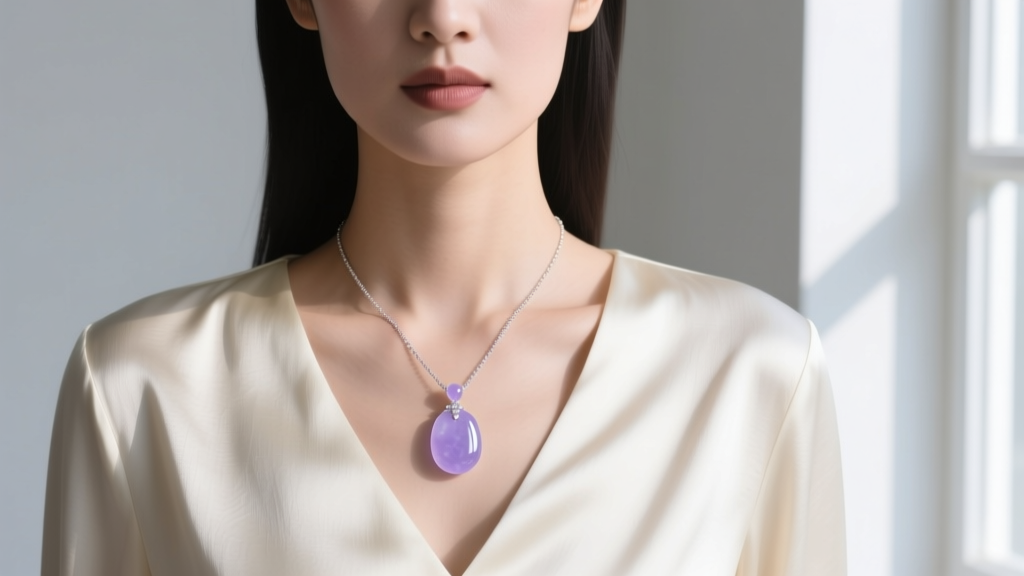
Certifications That Matter: Demand the Lab Report
In the 2026 market, purchasing a fine jade necklace without an independent gemological certificate is a severe financial risk. Verbal guarantees from jewelers are insufficient. You must demand a lab report from a globally recognized, tier-one laboratory.
The GIA (Gemological Institute of America) is the global standard, providing detailed reports that explicitly state whether a stone is natural or treated. In the Asian market, where the bulk of high-end jadeite is traded, the NGTC (National Gemstone Testing Center of China) is equally authoritative and widely respected. The report must explicitly state 'Natural Jadeite' or 'Type A Jadeite'. If the comments section mentions 'polymer impregnated', 'dyed', or 'treated', walk away immediately, regardless of the discount offered.
Final Verdict: Allocating Your Budget Wisely
When investing in a jade necklace for women, prioritize translucency and texture over sheer size. A small, 15mm icy-clear Type A jadeite cabochon pendant will always hold its value and offer superior visual elegance compared to a massive, opaque, and heavily included stone. Set your budget based on the mineral type, demand rigorous lab certification for any piece exceeding $500, and remember that true value in jade lies in its natural, unaltered geological history.


