Justin Jefferson Diamond Necklace: 2026 Value & Budget Guide
Assess the true value, diamond specs, and 2026 pricing of a Justin Jefferson diamond necklace. Learn how to budget for custom sports tennis chains.

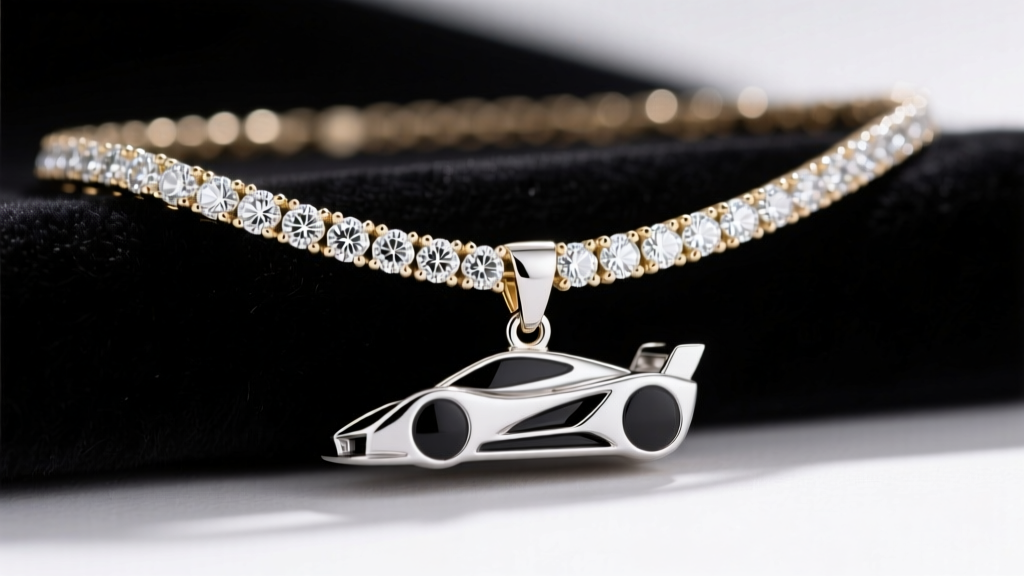
The Anatomy of a Justin Jefferson Diamond Necklace
When discussing elite sports jewelry, the Justin Jefferson diamond necklace represents a pinnacle of modern athletic flex culture. As an NFL superstar, Jefferson's jewelry collection—particularly his custom diamond tennis chains and oversized pendants—sets the standard for what collectors and fans consider 'icy.' But beyond the flash, what are the actual horological and gemological specifications that drive the value of these pieces in 2026?
A true Jefferson-style tennis chain is not just about total carat weight (TDW); it is an exercise in precision engineering and high-grade material selection. Typically, these chains range from 16 to 22 inches in length and feature between 15 to 35 carats of total diamond weight. The stones are usually round brilliant cuts, ranging from 3mm to 5mm in diameter (approximately 0.10ct to 0.25ct per stone), set continuously in a four-prong or bezel setting.
Diamond Grading: The 'Icy' Standard
In the sports and hip-hop jewelry sector, clarity and color are heavily prioritized to achieve that signature 'frozen' look. According to the Gemological Institute of America (GIA), VVS (Very Very Slightly Included) is the cultural gold standard. However, from a strict budget and value assessment perspective, a VS1 (Very Slightly Included) clarity grade offers 95% of the visual brilliance of a VVS1 stone to the naked eye, but at a 30% to 40% lower price point. For color, the G-H range provides a near-colorless appearance that faces up completely white when set in 14K or 18K white gold, avoiding the steep premium of D-F colorless grades.
2026 Market Pricing: What Are You Actually Paying For?
If you are looking to acquire a necklace that mirrors the Justin Jefferson aesthetic, understanding the 2026 market pricing is critical. The price variance is largely dictated by the origin of the diamonds (natural vs. lab-grown) and the purity of the gold setting.
| Chain Specification (20-inch) | Diamond Origin & Grade | Estimated 2026 Retail Value | Resale / Liquidation Value |
|---|---|---|---|
| 15ct TDW, 14K White Gold | Natural (VS1 Clarity, G-H Color) | $35,000 - $48,000 | $12,000 - $18,000 |
| 25ct TDW, 18K White Gold | Natural (VVS2 Clarity, F-G Color) | $75,000 - $110,000 | $25,000 - $40,000 |
| 20ct TDW, 14K White Gold | Lab-Grown (VVS1 Clarity, E-F Color) | $6,000 - $12,000 | $1,500 - $3,000 |
| Custom 'Jet' Pendant (10ct) | Natural (VS2 Clarity, 18K Gold) | $28,000 - $40,000 | $10,000 - $15,000 |
Note: Resale values for sports jewelry without direct, documented provenance to the athlete typically depreciate by 50% to 70% immediately after purchase. You are paying for the artistry and the natural materials, not an investment vehicle.
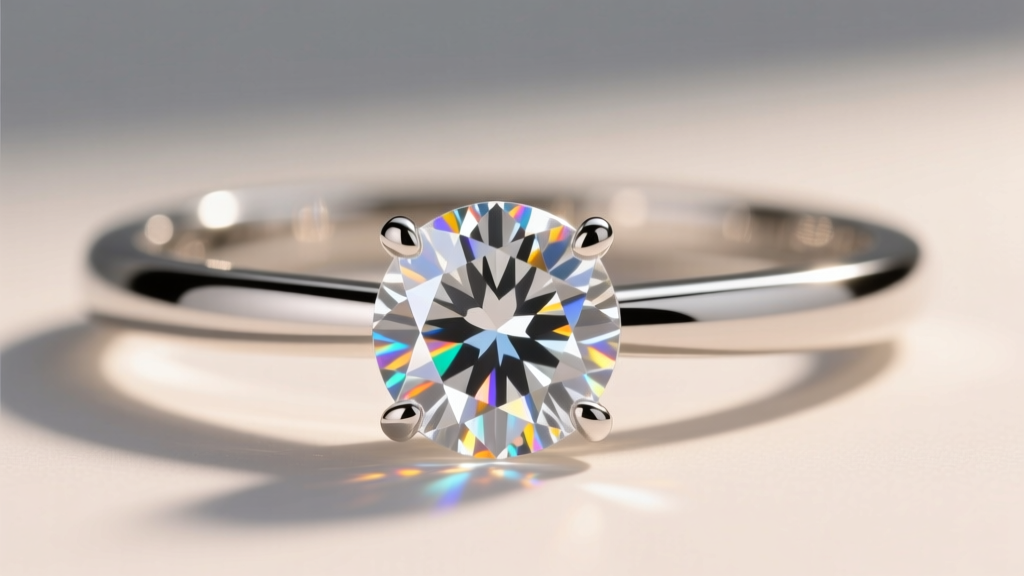
Value Assessment Framework: How to Appraise a Tennis Chain
Whether you are buying a pre-owned piece or commissioning a custom jeweler, you must evaluate the structural integrity and gemological value of the necklace. Use this 4-point framework to assess any high-carat tennis chain:
- The Clasp Mechanism: A heavy 25-carat diamond chain can easily weigh over 150 grams. A standard lobster clasp will fail. Insist on a reinforced box clasp with dual figure-eight safety latches. If the chain lacks safety catches, deduct $500 from your offer to account for the necessary jeweler retrofit.
- Prong vs. Bezel Settings: Four-prong settings maximize light return and make the diamonds appear larger, which is ideal for the Jefferson look. However, prongs catch on athletic wear. Bezel settings offer superior protection for active wearers but reduce the visible surface area of the diamond by roughly 15%.
- Gold Weight and Purity: 14K gold (58.5% pure) is significantly more durable and resistant to bending than 18K gold (75% pure). For a daily-wear sports chain, 14K white gold alloyed with nickel or palladium provides the necessary tensile strength to support heavy diamond links without warping.
- Stone Matching and Flow: Lay the chain flat on a dark felt pad. The diamonds should form a seamless ribbon of light. If you notice 'dead spots' or mismatched stone heights, the setter has used poorly calibrated melee diamonds, which severely diminishes the overall aesthetic and value.
The Hidden Trap: Fracture-Filled Diamonds
When shopping in the budget or secondary market for sports chains, beware of fracture-filled or clarity-enhanced diamonds. These are low-clarity stones (I1 or I2) that have been injected with a glass-like resin to hide inclusions. While they look decent to the naked eye, they cannot withstand ultrasonic cleaning or the heat of a jeweler's torch. Always demand a GIA or IGI grading report for chains valued over $10,000 to ensure the stones are untreated.
Budget Alternatives: Capturing the Jefferson Aesthetic
Not everyone has an NFL contract, but the visual impact of a Justin Jefferson diamond necklace can be replicated intelligently. The most significant shift in the 2026 jewelry market is the mainstream acceptance of lab-grown diamonds and high-grade moissanite for 'statement' sports pieces.
Lab-Grown Diamonds (CVD/HPHT): Chemically and optically identical to mined diamonds, lab-grown stones allow you to achieve a flawless VVS1 clarity and D-color grade for a fraction of the cost. A 20-carat lab-grown tennis chain will deliver the exact same refractive index and 'icy' flash as a natural counterpart, but it will cost roughly 80% less. The trade-off is near-zero resale value, but if you are buying for personal enjoyment and visual impact, the value proposition is unbeatable.
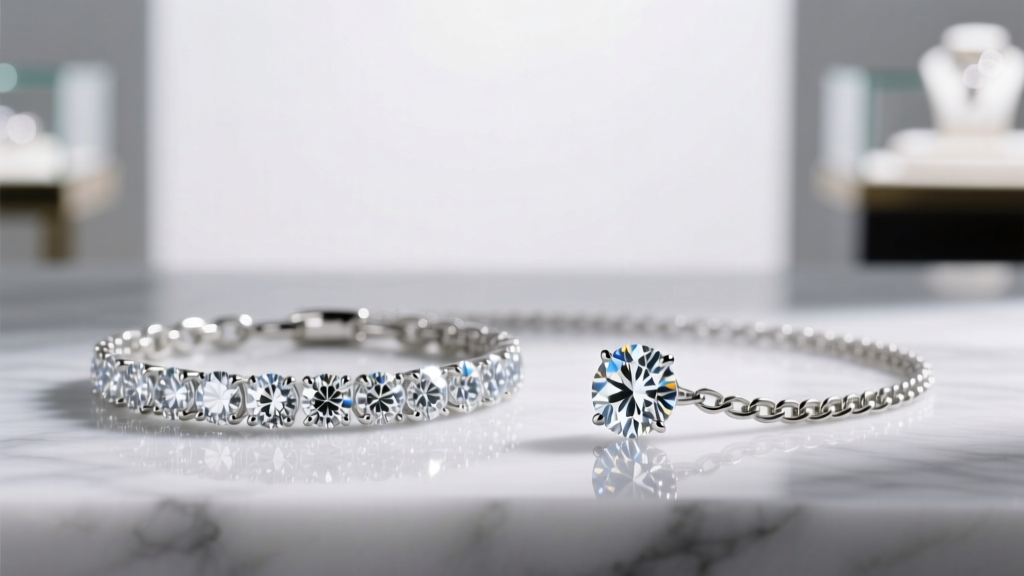
Moissanite Alternatives: For budgets under $3,000, double-crushed moissanite set in 14K white gold is the premier choice. Moissanite actually possesses a higher refractive index (2.65) than diamond (2.42), meaning it throws more colored 'fire' under stadium lights or camera flashes. While purists may argue it lacks the prestige of carbon diamonds, the visual dominance of a high-quality moissanite tennis chain is undeniable.
Maintenance and Depreciation Realities
Owning a high-carat diamond tennis necklace requires rigorous maintenance to protect both the physical asset and its financial value. Skin oils, lotions, and environmental dust will quickly coat the pavilion (bottom) of the diamonds, reducing their brilliance by up to 40% within a week of daily wear.
'Sports jewelry is subjected to extreme environmental stressors—sweat, friction, and sudden impacts. A monthly inspection of the prongs under 10x magnification is not optional; it is mandatory to prevent catastrophic stone loss.' — Master Jeweler & Appraisal Specialist
Furthermore, insure the piece correctly. Standard homeowner's insurance policies usually cap jewelry payouts at $1,500 to $2,500. You must secure a scheduled personal articles floater through a specialized provider like Jewelers Mutual. Ensure your appraisal is updated every 24 months, as the spot price of gold and the market valuation of melee diamonds fluctuate. By understanding the exact specifications, market pricing, and structural requirements of a Justin Jefferson diamond necklace, you can make a highly informed purchase that delivers maximum visual impact without falling victim to inflated retail markups.


