Baltic vs Copal: Choosing the Best Amber Necklace for Women
Discover the material differences between Baltic, Dominican, and Copal resins to choose the perfect authentic amber necklace for women.

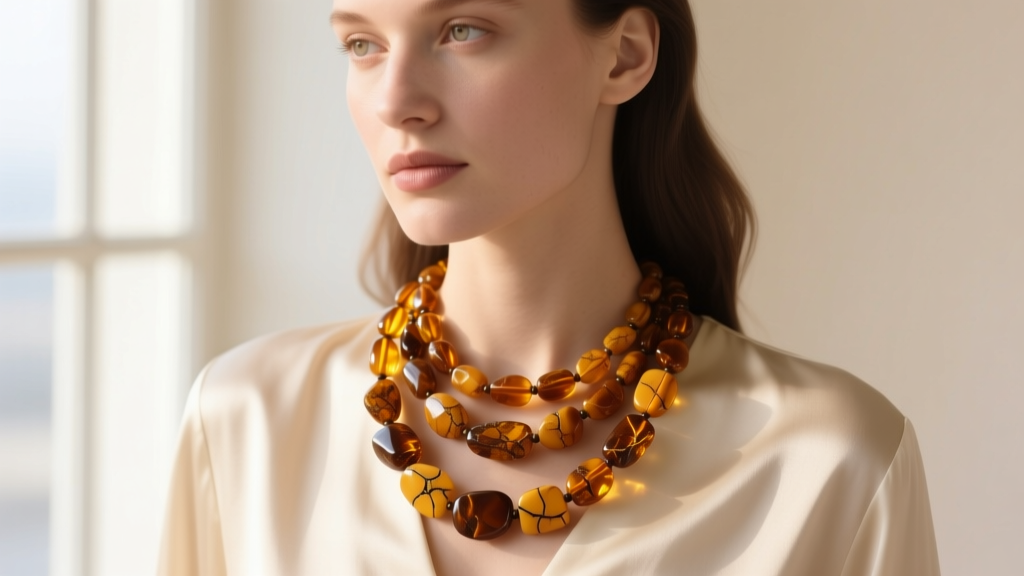
The Allure of Fossilized Resin: Understanding Amber Grades
When shopping for an authentic amber necklace for women, the untrained eye often sees only the warm, honeyed glow of the beads. However, as a gemological material, amber is far more complex than its aesthetic appeal suggests. Amber is not a stone or a crystal; it is fossilized tree resin that has undergone polymerization and oxidation over millions of years. The market is currently saturated with a spectrum of materials ranging from genuine ancient succinite to immature sub-fossil resins and outright plastic imitations. Understanding the precise material properties, chemical compositions, and geological origins of these resins is critical for making an informed investment. According to the Gemological Institute of America (GIA), the distinction between true amber and its younger counterparts fundamentally dictates the piece's longevity, value, and structural integrity.
Baltic vs. Dominican vs. Mexican: A Material Comparison
True amber is primarily categorized by its geographical origin and its botanical source. The most prominent varieties in fine jewelry are Baltic, Dominican, and Mexican amber. Each possesses distinct chemical markers and physical properties that influence how they are cut, polished, and worn.
| Property | Baltic Amber (Succinite) | Dominican Amber (Retinite) | Mexican Amber (Chiapas) |
|---|---|---|---|
| Geological Age | 35 - 50 Million Years | 15 - 20 Million Years | 25 - 30 Million Years |
| Mohs Hardness | 2.0 - 2.5 | 2.0 - 3.0 | 2.0 - 2.5 |
| Specific Gravity | 1.05 - 1.09 | 1.05 - 1.08 | 1.05 - 1.08 |
| Key Chemical Marker | Succinic Acid (3-8%) | Perylene (Fluorescence) | Succinic Acid (Trace) |
| Price Range (Per Carat) | $1.00 - $15.00 | $5.00 - $100.00+ | $2.00 - $25.00 |
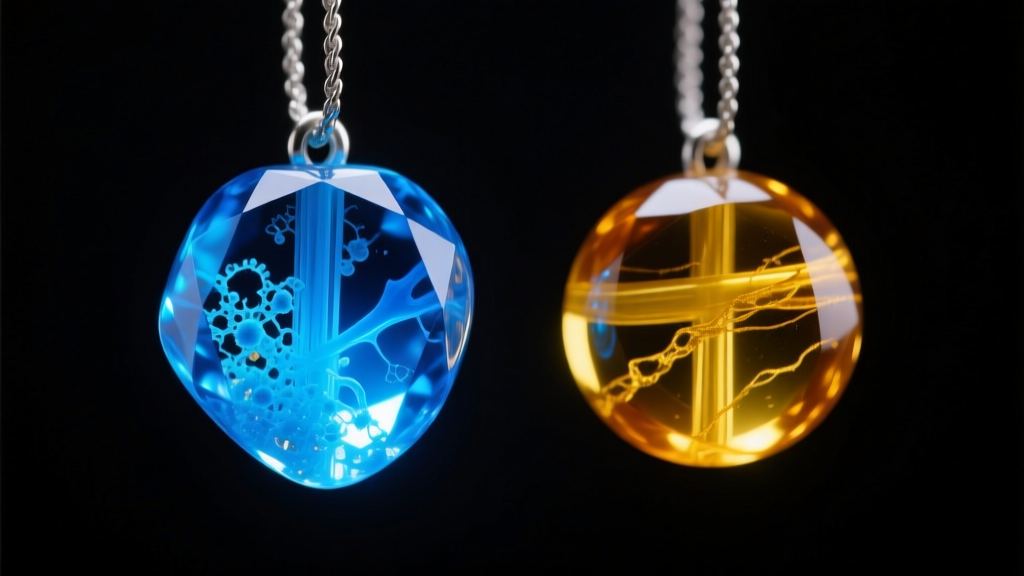
Baltic amber, scientifically known as succinite, contains a high concentration of succinic acid (up to 8%), which gives it its characteristic mild pine scent when heated. It is highly prized for its buttery, opaque 'butterscotch' varieties and deep cognac hues. Dominican amber, classified as retinite, lacks succinic acid but contains aromatic hydrocarbons like perylene. This chemical difference is responsible for the legendary 'blue amber' phenomenon, where the resin exhibits a striking neon blue fluorescence under UV light or direct sunlight. Mexican amber from Chiapas shares similarities with Baltic amber but often features a wider array of natural botanical inclusions due to the ancient Hymenaea tree origins.
Copal vs. True Amber: The Imitation Trap
The most common material misrepresented as antique amber is Copal. Copal is a sub-fossil resin, meaning it is only hundreds to a few thousand years old, rather than millions. Because it has not undergone complete polymerization, copal is chemically unstable compared to true amber. When selecting an amber necklace for women, avoiding copal is essential if you desire a piece that will not craze, crack, or degrade over time.
Chemical and Physical Vulnerabilities
- Solvent Sensitivity: Copal contains high levels of volatile terpenes. If you apply a single drop of acetone or alcohol to copal, the surface will become tacky and dissolve slightly. True amber is completely inert to short-term solvent exposure.
- Thermal Instability: Copal has a significantly lower melting point (around 150°C) compared to Baltic amber (which softens around 200°C and melts above 300°C). This makes copal highly susceptible to damage from hot water or prolonged sun exposure.
- Crazing: Because copal retains internal moisture and volatile compounds, it inevitably develops a network of fine surface cracks, known as crazing, as these compounds evaporate over the years.
Treatments and Enhancements: Pressed vs. Natural
When evaluating the material integrity of amber jewelry, you must also understand industry treatments. The International Amber Association strictly categorizes amber into natural, modified, pressed, and bonded. 'Pressed amber' (often called Ambroid) is created by taking amber dust, chips, and low-grade fragments and fusing them together under high pressure (up to 3000 atmospheres) and temperatures of 200-250°C in an oxygen-free environment.
While pressed amber is technically 100% real amber material, it lacks the continuous internal structure of a whole stone. It is frequently used to manufacture perfectly uniform, flawless bead necklaces. However, under magnification, pressed amber reveals swirling flow lines and fragmented inclusion boundaries. For collectors and purists, a necklace crafted from whole, unpressed beads commands a premium, often priced 30% to 50% higher than identically sized pressed equivalents.
Practical Authentication Tests for Buyers
If you are purchasing a vintage or estate amber necklace for women and lack gemological certification, you can perform several non-destructive and minimally destructive tests to verify the material's authenticity.
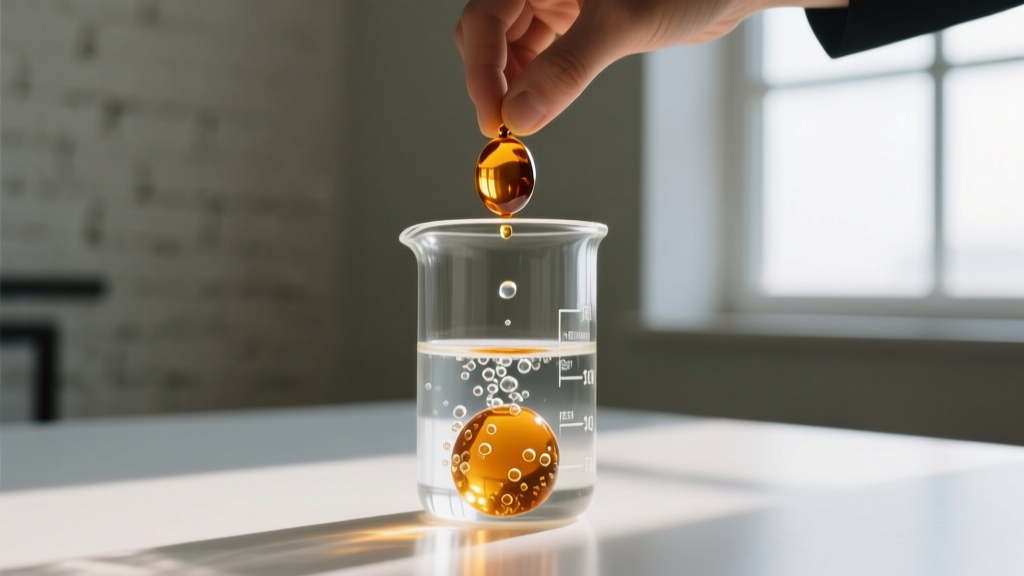
- The Saltwater Flotation Test: True amber and copal share a specific gravity of roughly 1.05 to 1.09, making them slightly denser than pure water but less dense than saturated saltwater. Mix 1 part salt to 4 parts warm water. Genuine amber will float, while glass, phenolic resin, and heavy plastic imitations will sink. (Note: Copal will also float, so this test only rules out glass and heavy plastics).
- The UV Light Test: Under a standard 365nm UV blacklight, Baltic amber typically fluoresces a pale yellowish-green or milky blue. Dominican amber fluoresces a vibrant, intense neon blue. Plastics and glass will remain inert or show a dull, synthetic purple glow.
- The Hot Needle Test (Destructive): Heat a sewing needle until it is red-hot and touch it to an inconspicuous area of a bead. True amber will emit a pleasant, piney, or resinous smoke and leave a small white mark. Plastic will melt instantly, stick to the needle, and emit a harsh, acrid chemical odor. Copal will melt faster than amber and smell slightly sour.
Styling and Care: Preserving Your Resin Jewelry
Amber is remarkably soft, ranking only 2.0 to 2.5 on the Mohs scale of mineral hardness. This makes it roughly as hard as a human fingernail. Consequently, an amber necklace requires specific care protocols to maintain its polish and structural integrity.
"Never store amber in direct contact with harder gemstones or metals. A diamond or sapphire pendant resting against amber beads will permanently scratch the resin's surface. Always store amber necklaces flat in a soft, lined jewelry box, away from direct heat sources."
Furthermore, amber is highly porous and reactive to common cosmetics. Perfumes, hairsprays, and lotions containing alcohol or harsh solvents can permanently cloud the polished surface of the beads. Always apply your cosmetics and allow them to dry completely before putting on your amber jewelry. To clean the necklace, use only a soft, lint-free cloth dampened with lukewarm water. Avoid ultrasonic cleaners and steamers entirely, as the high-frequency vibrations and sudden thermal shocks will shatter the fossilized resin.
By understanding the deep material differences between Baltic succinite, Dominican retinite, and immature copal, you can confidently select an amber necklace for women that is not only visually stunning but geologically authentic and built to last generations.


