How to Clean and Care for a 5 Carat Diamond Necklace
Learn expert care, cleaning, and maintenance tips for a 5 carat diamond necklace. Protect your high-value investment with our comprehensive guide.

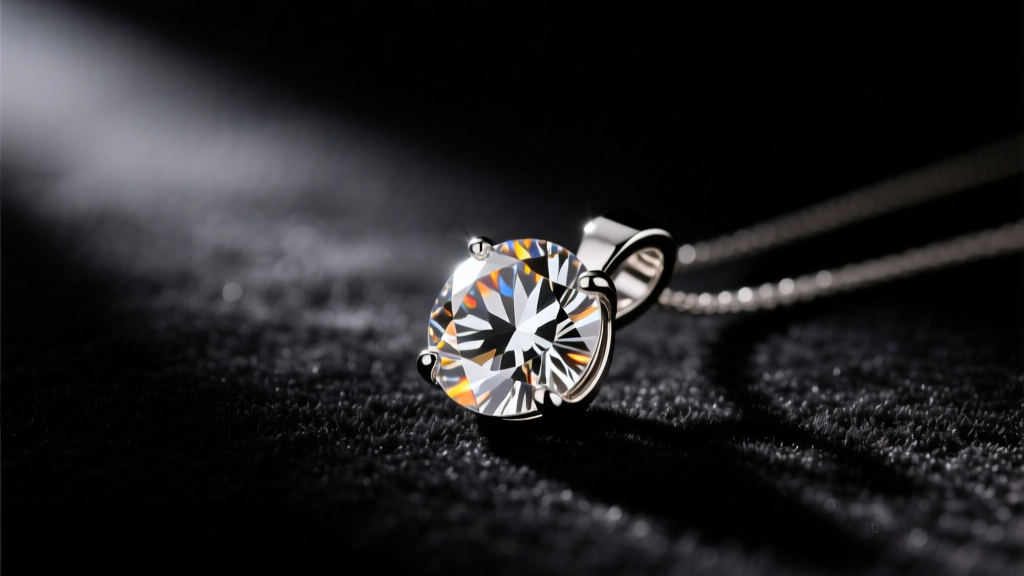
Owning a 5 carat diamond necklace represents the pinnacle of fine jewelry acquisition. Whether inherited, gifted, or purchased as a personal milestone, a stone of this magnitude commands attention and requires a highly specialized approach to maintenance. Unlike smaller accent stones, a 5-carat diamond presents unique structural challenges due to its physical mass, the leverage it exerts on its setting, and the significant financial value it holds. In this comprehensive guide, we break down the exact protocols for cleaning, securing, and insuring your high-carat necklace to ensure it remains pristine for generations.
The Physics of High-Carat Pendants: Weight and Leverage
To understand how to care for a 5 carat diamond necklace, you must first understand the physics at play. A 5-carat diamond weighs exactly 1.0 gram. While a gram may seem negligible on a digital scale, when suspended from a delicate chain and subjected to the kinetic energy of daily movement, that weight creates substantial leverage. The bail (the loop connecting the pendant to the chain) and the prongs holding the stone bear the brunt of this stress.
According to the Gemological Institute of America (GIA), the most common cause of stone loss in high-carat pendants is prong fatigue. A standard 4-prong setting on a 5-carat stone leaves a significant portion of the girdle exposed to lateral impacts. For stones of this size, gemologists strongly recommend a 6-prong setting or a heavy bezel setting to distribute the kinetic stress and protect the diamond's vulnerable edges.
Chain Selection: Gauge, Metallurgy, and Clasp Security
The chain supporting your 5 carat diamond necklace is just as critical as the stone itself. A common mistake is pairing a massive, high-value pendant with a delicate, sub-millimeter chain. To safely support a 1-gram diamond plus the weight of a platinum or 18k gold setting (which can add another 3 to 5 grams), you need a chain with a minimum width of 1.5mm to 2.5mm.
- Wheat and Rope Chains: These interlocking designs offer superior tensile strength and resist snapping under the pendulum-like swing of a heavy pendant.
- Box Chains: While visually appealing, cheaper box chains can kink or crush under heavy loads. Only opt for solid, high-gauge box chains.
- Clasp Security: Discard standard spring-ring clasps. Upgrade to a heavy-duty lobster clasp or a locking box clasp with a figure-eight safety catch to prevent accidental unfastening.
The 4-Step At-Home Cleaning Protocol
Diamonds are lipophilic, meaning they naturally attract and hold onto oils from your skin, lotions, and the environment. A 5-carat stone has a massive table and pavilion surface area, making oil buildup highly visible and detrimental to its brilliance. Follow this safe, expert-approved cleaning routine every two weeks.
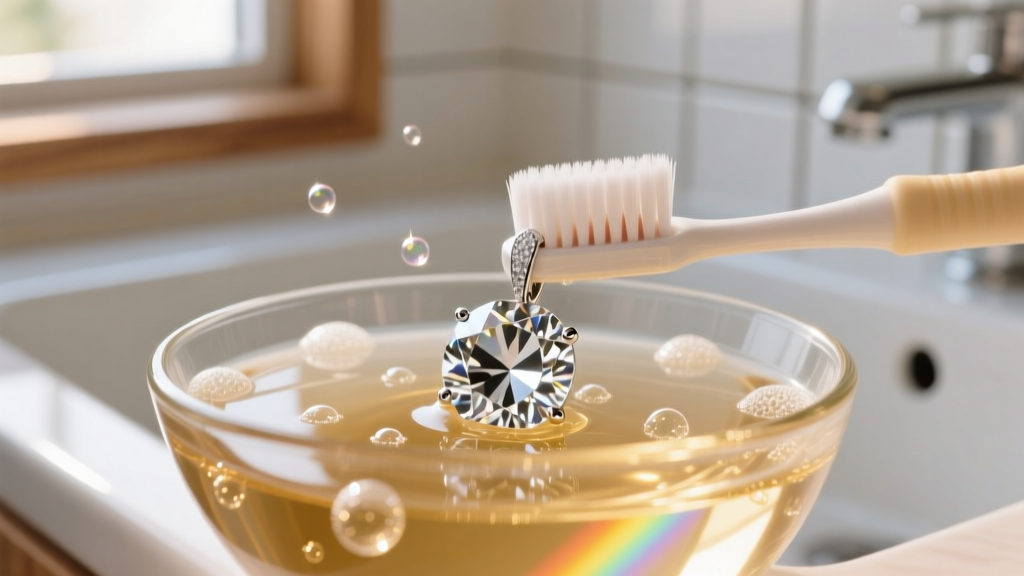
Step 1: The Soak
Fill a glass bowl with warm (not hot) water and add three drops of mild, ammonia-free dish soap. Submerge the necklace and let it soak for 15 to 20 minutes. This loosens hardened sebum and cosmetic residue trapped beneath the gallery of the setting.
Step 2: The Agitation
Using a brand-new, extra-soft baby toothbrush, gently agitate the pavilion (the underside of the diamond). Do not scrub the crown aggressively; instead, focus on the culet and the areas where the prongs meet the girdle, as this is where grime accumulates most heavily.
Step 3: The Rinse
Rinse the necklace under a gentle stream of lukewarm water. Crucial: Always place a mesh strainer over the drain or keep the stopper firmly in place before turning on the faucet. Dropping a 5-carat stone down a drain is a catastrophic, yet surprisingly common, preventable disaster.
Step 4: The Dry
Pat the necklace dry with a lint-free microfiber cloth. Avoid paper towels, as their wood pulp fibers can leave microscopic scratches on precious metal settings and leave lint trapped in the prongs.
Cleaning Agents: What to Use and What to Avoid
| Cleaning Agent | Verdict | Reasoning |
|---|---|---|
| Mild Dish Soap (e.g., Dawn) | Highly Recommended | Effectively cuts through lipophilic oils without damaging metal alloys. |
| Chlorine Bleach | Never Use | Causes severe pitting and structural degradation in gold and platinum alloys. |
| Toothpaste | Never Use | Contains abrasive silica that scratches 14k/18k gold and platinum settings. |
| Isopropyl Alcohol | Use with Caution | Safe for the diamond, but can dry out and degrade certain porous accent stones. |
When to Avoid Ultrasonic and Steam Cleaners
While ultrasonic cleaners are a staple in professional jewelry maintenance, they pose severe risks to certain types of treated diamonds. If your 5 carat diamond necklace features a fracture-filled diamond (such as those treated via the Yehuda process), the high-frequency vibrations and harsh chemical baths can cloud the filling or shatter the stone. Similarly, steam cleaners can force moisture into laser-drilled channels, compromising the epoxy used to seal them. Always verify your diamond's treatment status via its GIA or AGS grading report before subjecting it to mechanical cleaning. For untreated, natural, or high-quality lab-grown diamonds, a professional ultrasonic cleaning is safe and highly effective.
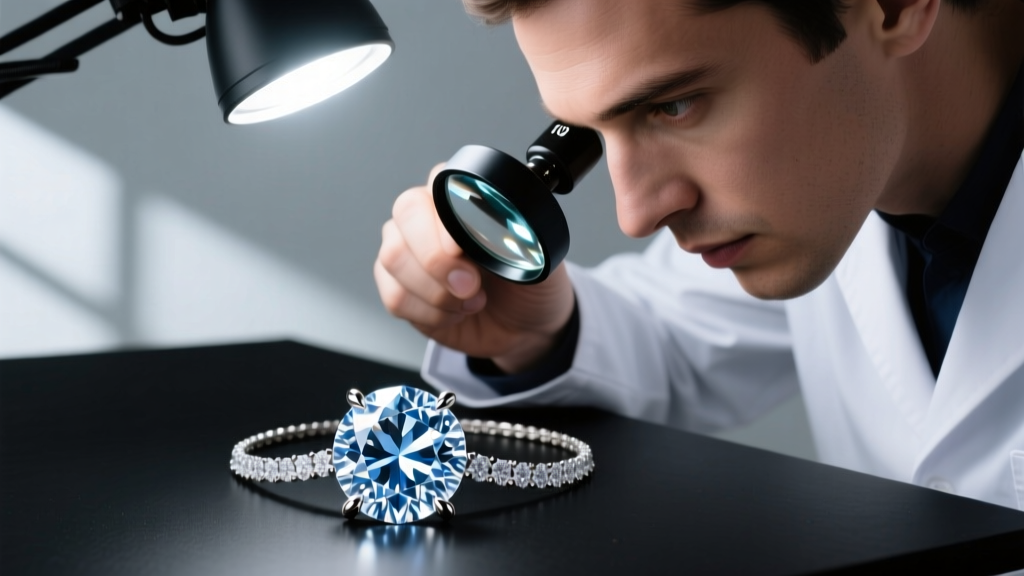
Professional Maintenance and Appraisal Updates
Even with meticulous at-home care, a 5 carat diamond necklace requires professional intervention. The American Gem Society (AGS) recommends professional inspections every six months for high-value, frequently worn pieces.
Prong Re-Tipping and Rhodium Plating
Over time, the friction of clothing and hair will wear down the tips of your prongs. A jeweler will use a microscope to check for micro-fractures in the metal. Re-tipping a worn prong typically costs between $50 and $150 per prong—a minor expense compared to replacing a lost 5-carat stone. Additionally, if your setting is crafted from white gold, it will require rhodium plating every 12 to 18 months to maintain its bright, reflective white luster, as the underlying alloy naturally yellows over time.
2026 Insurance and Appraisal Standards
The market value of high-carat diamonds fluctuates based on global supply chains and economic conditions. An appraisal from five years ago is likely inaccurate today. Ensure your necklace is reappraised by a certified gemologist every two to three years. When insuring a piece of this magnitude, specialized jewelry insurers like Jewelers Mutual offer comprehensive riders that cover mysterious disappearance, accidental damage, and global theft—protections often excluded from standard homeowner's policies.
Secure Storage and Travel Best Practices
When not adorning your neck, your 5 carat diamond necklace must be stored correctly. Diamonds rank a 10 on the Mohs hardness scale, meaning they can easily scratch the metal settings of other jewelry, as well as other diamonds. Store the necklace flat in a dedicated, velvet-lined compartment to prevent the chain from tangling and the stone from rubbing against other pieces. When traveling, utilize a hard-shell jewelry roll with individual snap-down closures to keep the bail secure and the chain immobilized.
Caring for a 5 carat diamond necklace is an exercise in preventive maintenance. By respecting the physics of its weight, utilizing safe cleaning agents, and adhering to a strict professional inspection schedule, you ensure that your spectacular investment continues to radiate unmatched brilliance for a lifetime.


