Avon Cross Necklace Buying Guide: Marks, Eras & Value
Discover how to identify, date, and value vintage Avon cross necklaces. Learn about hallmarks, materials, and pricing in this expert collector's guide.

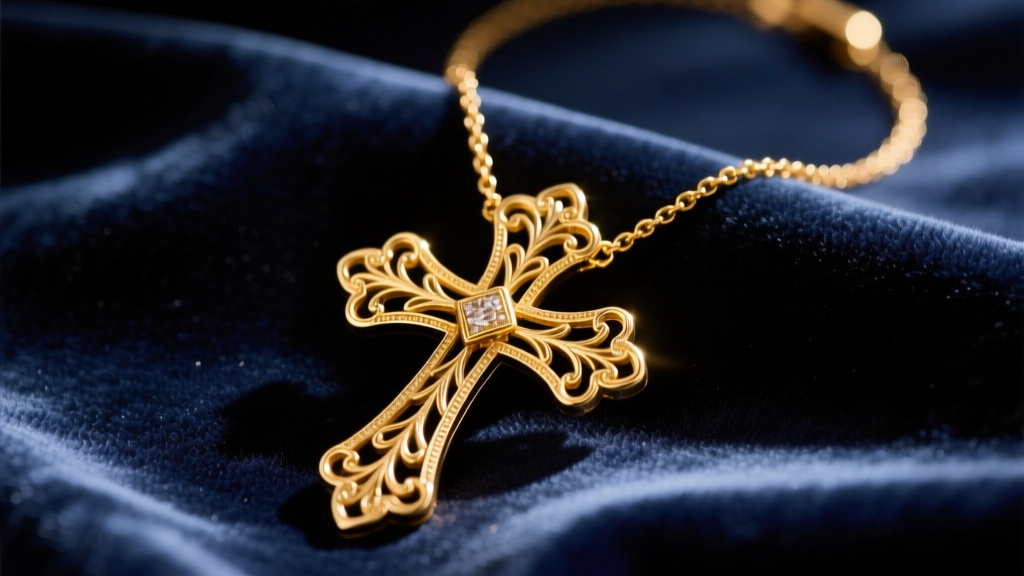
Avon has been a household name in beauty and cosmetics since 1886, but its foray into costume jewelry in 1971 sparked a massive secondary market that thrives today. Among the most sought-after pieces by collectors and vintage enthusiasts are Avon cross necklaces. Whether you are hunting for a heavy 1970s gold-tone filigree piece or a sparkling 1990s rhinestone pendant, navigating the vintage costume jewelry market requires a keen eye for hallmarks, materials, and era-specific design cues.
As of the 2026 vintage jewelry market, Avon crosses remain highly accessible, but pricing varies wildly based on provenance and designer collaborations. This comprehensive buying guide will teach you exactly what to look for when authenticating, dating, and valuing an Avon cross necklace.
Decoding Hallmarks: Authenticating Your Avon Cross
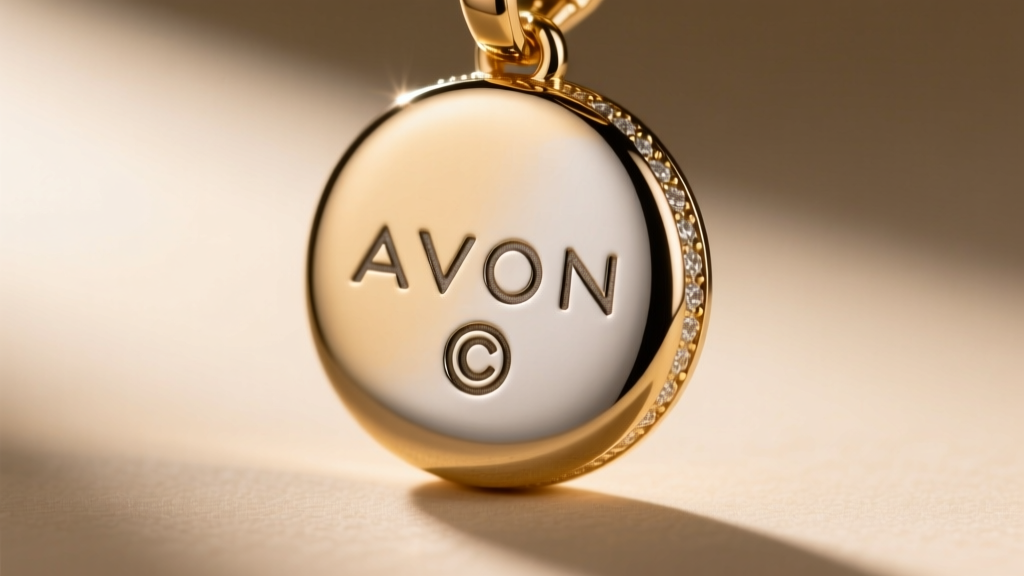
The first step in evaluating any Avon cross necklace is locating and deciphering the hallmark. Avon’s jewelry marks evolved over the decades, and knowing these variations is critical for dating your piece. According to The Spruce Crafts, Avon began marking its jewelry consistently in the early 1970s.
- The Standard 'AVON' Stamp: The most common mark is simply the word 'AVON' stamped in uppercase letters on the back of the pendant or on the hangtag attached to the chain.
- The Copyright Symbol (©):strong> Pieces from the late 1970s through the 1980s often feature a copyright symbol next to the AVON stamp, indicating a patented or registered design.
- The 'A' in a Circle: Very early or exclusive pieces may feature a stylized 'A' inside a circle. This is a rare mark highly prized by serious collectors.
- Designer Collaborations: In the 1980s and 1990s, Avon partnered with high-end designers. Look for marks like 'Trifari for Avon' or 'Jose Maria Barrera for Avon'. These marks exponentially increase the value of the cross necklace.
Expert Tip: Always examine the clasp and the small jump ring connecting the chain to the pendant. Avon often stamped the hangtag rather than the metal itself on cheaper chains, so a missing tag can make authentication reliant on the pendant's back-stamp and specific design catalog matching.
Material Composition: What to Expect
Avon cross necklaces are classified as costume jewelry. They are not made of solid precious metals or genuine gemstones. Understanding the specific base metals and plating techniques used will help you assess the condition and longevity of the piece. Collectors Weekly notes that Avon's quality control in the 1970s and 1980s was exceptionally high for the costume jewelry sector.
| Material Component | Era Prominence | Characteristics & Identification | Durability & Wear Notes |
|---|---|---|---|
| Gold-Tone Electroplate | 1970s - 1980s | Thick plating over brass or pewter base. Often features a rich, brassy yellow-gold hue. | Highly durable if kept dry. Prone to darkening if exposed to sulfur or heavy moisture. |
| Silver-Tone / Rhodium | 1980s - 2000s | Plated over white metal alloys. Mimics sterling silver but lacks the '925' stamp. | Resists tarnish better than gold-tone but can pit if the base metal is low-grade pewter. |
| Austrian Crystals | 1980s - 1990s | High-clarity, precision-cut glass stones. Often set in pronged settings rather than glued. | Very durable. Foil-backing can degrade if water gets behind the stone. |
| Enamel & Lucite | 1970s & 1990s | Opaque colored finishes (enamel) or molded acrylic (Lucite) for bold, graphic crosses. | Enamel can chip upon impact. Lucite scratches easily and yellows with UV exposure. |
Era-by-Era Style Guide
The 1970s: Heavy Gold-Tone & Intricate Filigree
Cross necklaces from the 1970s are characterized by substantial weight and ornate detailing. Avon favored heavy gold-tone electroplating over brass, resulting in pieces that feel surprisingly luxurious. Filigree cutouts, textured 'bark' finishes, and the integration of faux turquoise or coral cabochons are hallmarks of this decade. These pieces pair beautifully with modern boho or maximalist aesthetics.
The 1980s: Rhinestone Pavé & Designer Collaborations
The 1980s introduced high-impact sparkle. Avon cross pendants from this era frequently feature pavé-set rhinestones and Austrian crystals. This decade also marked Avon's collaboration with legendary costume jeweler Trifari. A 'Trifari for Avon' cross necklace will feature superior stone setting and a distinct, elegant clasp mechanism, bridging the gap between mass-market costume jewelry and high-end vintage pieces.
The 1990s: Enamel, Faux Pearls, & The Barrera Era
In the 1990s, Avon elevated its prestige lines by partnering with luxury designer Jose Maria Barrera. Barrera’s crosses for Avon are miniature works of art, featuring intricate cloisonné-style enamel work, Swarovski-style crystals, and high-quality faux pearls. Standard 1990s Avon crosses, meanwhile, leaned into simpler, polished silver-tone designs with single faux-pearl accents, catering to minimalist everyday wear.

Valuation Framework: Pricing Your Finds
Because Avon produced jewelry in massive quantities, condition and rarity are the primary drivers of value. When shopping on platforms like eBay, Etsy, or estate sales in 2026, use this pricing framework to ensure you are paying fair market value.
- Standard 1990s-2000s Pieces (Faux Pearl / Basic Rhinestone): $10 – $25. These are abundant and serve as excellent, affordable layering pieces.
- 1970s Heavy Gold-Tone Filigree Crosses: $35 – $65. Highly desirable for vintage collectors; price increases if the original paper hangtag is intact.
- 1980s 'Trifari for Avon' Collaborations: $50 – $120. Sought after by both Avon and Trifari collectors. Pristine pavé examples command the higher end of this spectrum.
- 1990s 'Jose Maria Barrera for Avon': $150 – $300+. These are the crown jewels of Avon cross necklaces. Intricate enamel work and signed provenance make them highly collectible investment pieces.
Care & Preservation for Vintage Costume Pieces
Preserving the electroplated finish and faux gemstones of an Avon cross necklace requires specific care protocols. Never use commercial silver dips, ultrasonic cleaners, or harsh chemical polishes, as these will strip the gold or silver-tone plating right off the base metal.
- Dry Cleaning Only: Use a soft, dry microfiber cloth to gently buff the metal after each wear to remove skin oils and acids.
- Stone Maintenance: If rhinestones look dull, gently wipe the surface with a slightly damp cotton swab, then dry immediately. Avoid getting moisture near the prongs to protect the foil-backing.
- Storage: Store your cross necklaces individually in anti-tarnish flannel pouches or zip-lock bags with silica gel packets to prevent humidity-induced pitting and plating loss.
By understanding the nuances of Avon's hallmarks, material shifts, and designer collaborations, you can confidently curate a collection of vintage Avon cross necklaces that hold both historical charm and enduring style value.


