Urban Outfitters Addison Chain Layering Necklace Set: 2026 Review
An expert technical review of the Urban Outfitters Addison Chain Layering Necklace Set, analyzing metallurgy, chain architecture, and wear.


Introduction: Deconstructing Fast-Fashion Layering
The trend of pre-curated layering sets has dominated the accessible jewelry market for the past half-decade, but very few pieces warrant a true metallurgical and structural breakdown. In this 2026 expert deep dive, we are putting the urban outfitters addison chain layering necklace set under the microscope. Rather than simply evaluating its aesthetic appeal, we will analyze the base alloys, plating thickness, chain link architecture, and mechanical failure points that dictate its actual lifespan. For jewelry enthusiasts and stylists who demand technical transparency, understanding the physics and chemistry of your accessories is just as important as how they look against your neckline.
Metallurgical Breakdown: Base Alloys and Plating Thickness
To understand the longevity of the Addison set, we must first examine its elemental composition. Like most mass-produced fashion jewelry in this price bracket, the base metal is a cast brass alloy, occasionally substituted with a zinc-aluminum blend for the heavier pendant components. Brass provides excellent malleability for stamping and casting, but it is highly susceptible to oxidation when exposed to the sulfur and moisture present in human sweat.
The signature gold tone is achieved through a process known as flash plating. According to the FTC Jewelry Guides, a piece must have a minimum gold thickness of 0.175 microns to be legally marketed as 'gold plated.' The Addison set typically hovers right at this threshold, utilizing a 0.2-micron layer of 14k gold alloy over a microscopic nickel or palladium barrier layer. While this provides a brilliant initial luster, the absence of a PVD (Physical Vapor Deposition) coating or a heavy e-coat sealant means that the friction from daily wear will inevitably breach the gold layer, exposing the reactive brass beneath.
Expert Insight: If you have a known contact allergy to nickel, be cautious. While the barrier layer is intended to prevent nickel leaching from the base alloy, micro-abrasions on the clasp and jump rings can compromise this shield within the first few months of continuous wear, as noted in research by the GIA regarding metal allergies and alloys.
Chain Link Architecture and the Physics of Tangling
The primary appeal of the urban outfitters addison chain layering necklace set is its multi-strand design, usually comprising three distinct chain styles: a 1.5mm cable chain, a 2.5mm rolo chain, and a delicate 1.2mm figaro or bead chain. However, combining these specific geometries introduces significant mechanical friction.

According to the principles of jewelry engineering outlined by Ganoksin Chain Making Techniques, the interlocking geometry of a rolo chain (alternating wide and narrow oval links) creates natural pivot points. When layered directly against a smooth cable chain, the rolo links act as microscopic gears, catching on the uniform wire of the cable chain. This results in the dreaded 'pendulum effect,' where the kinetic energy from walking causes the chains to twist around one another, ultimately knotting at the clasp.
Friction Coefficients by Chain Type
- Cable Chain (1.5mm): Low surface area, high flexibility. Acts as the 'anchor' chain in the set.
- Rolo Chain (2.5mm): High surface area, moderate flexibility. Prone to catching on textiles and adjacent chains.
- Figaro/Bead Chain (1.2mm): Extremely low friction, but structurally the weakest. Susceptible to kinking if stored improperly.
Clasp Mechanics and Jump Ring Failure Points
The most critical vulnerability in any layered necklace set is the hardware. The Addison set utilizes standard cast-brass lobster clasps measuring approximately 10mm in length. While aesthetically proportionate to the delicate chains, the internal tension springs are typically stamped steel. Over time, the bi-metallic interaction between the steel spring and the brass housing, accelerated by humidity, leads to spring fatigue and clasp failure.
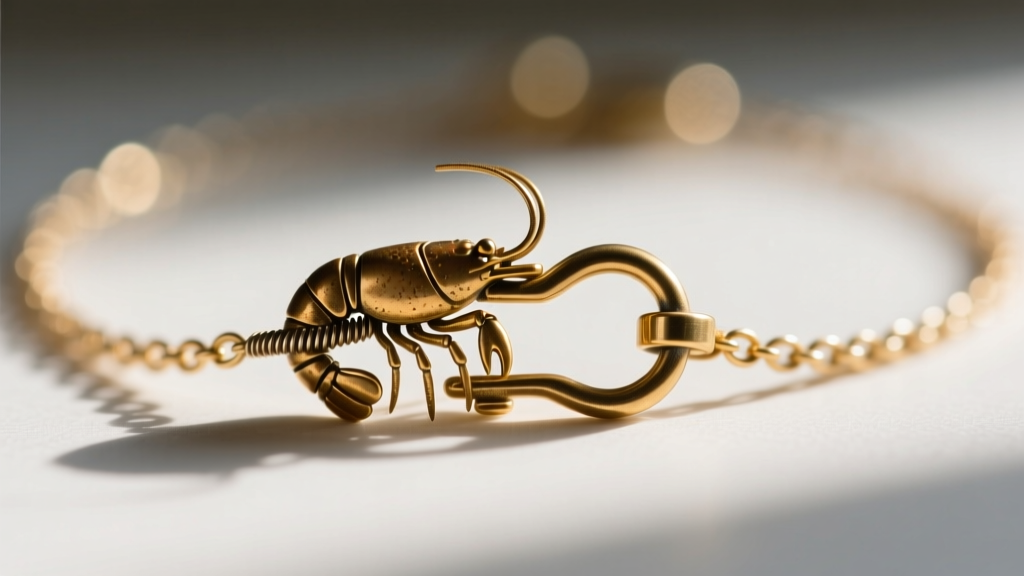
Furthermore, the jump rings connecting the chains to the clasps are largely unsoldered. An unsoldered jump ring relies entirely on the tensile strength of the bent wire to remain closed. When the combined weight of three layered chains pulls laterally against the clasp—such as when the necklace catches on a sweater—the jump ring will slowly pull apart, resulting in the loss of the pendant or the entire strand. We strongly recommend taking the set to a local bench jeweler to have the primary jump rings laser-soldered upon purchase, a minor investment that triples the structural integrity of the piece.
Layering Optimization Matrix
To maximize the visual impact and minimize the tangling physics of the Addison set, proper length staggering is non-negotiable. Below is our technical framework for optimizing the drop ratios based on standard neckline geometries.
| Chain Component | Optimal Length | Drop Ratio Delta | Best Neckline Pairing |
|---|---|---|---|
| 1.5mm Cable (Base) | 15 Inches (Choker) | N/A (Anchor) | Scoop neck, Off-shoulder |
| 2.5mm Rolo (Mid) | 18 Inches (Princess) | +3 Inches | V-neck, Button-down |
| 1.2mm Figaro (Outer) | 22 Inches (Matinee) | +4 Inches | Crew neck, Turtleneck |
Maintaining a minimum delta of 3 inches between each layer ensures that the center of gravity for each chain remains distinct, drastically reducing the torsional knotting described in our physics breakdown above.
Longevity Protocol: Combating Oxidation and Friction
Because the urban outfitters addison chain layering necklace set lacks a permanent protective topcoat, its lifespan is entirely dependent on user maintenance. To extend the life of the 0.2-micron gold plating, you must actively manage the chemical environment the jewelry is exposed to.
Actionable Maintenance Steps
- The 'Last On, First Off' Rule: Always apply perfumes, hairsprays, and lotions at least 10 minutes before putting on the necklace. The alcohol and volatile organic compounds (VOCs) in cosmetics act as mild solvents that degrade the flash plating.
- Microfiber Polishing: After each wear, gently wipe the chains with a dry, untreated microfiber cloth. This removes the acidic sebum and salt residue from your skin before it can etch into the brass base.
- Anti-Tarnish Storage: Never store the set in a humid bathroom. Keep it in an airtight polyethylene bag with a 3M anti-tarnish strip to absorb ambient sulfur compounds.
- Avoid Ultrasonic Cleaners: Never use ultrasonic jewelry cleaners or harsh chemical dips on flash-plated fashion jewelry. The high-frequency cavitation will strip the gold layer down to the bare brass in seconds.
Final Verdict: Cost-Per-Wear Analysis
The Urban Outfitters Addison Chain Layering Necklace Set remains a highly accessible entry point into the layered trend, offering a well-curated mix of chain geometries that would take a consumer hours to source individually. However, from a strict materials science perspective, it is a temporary accessory rather than a permanent wardrobe staple. By understanding its metallurgical limitations, proactively soldering the jump rings, and adhering to a strict maintenance protocol, you can easily push the functional lifespan of this set from a single season to several years of reliable, stylish wear.


