How to Style and Layer a Necklace with Angel Wings
Learn how to choose, layer, and care for a necklace with angel wings. Discover chain pairings, neckline guides, and metal maintenance tips.

The Anatomy of an Angel Wing Pendant
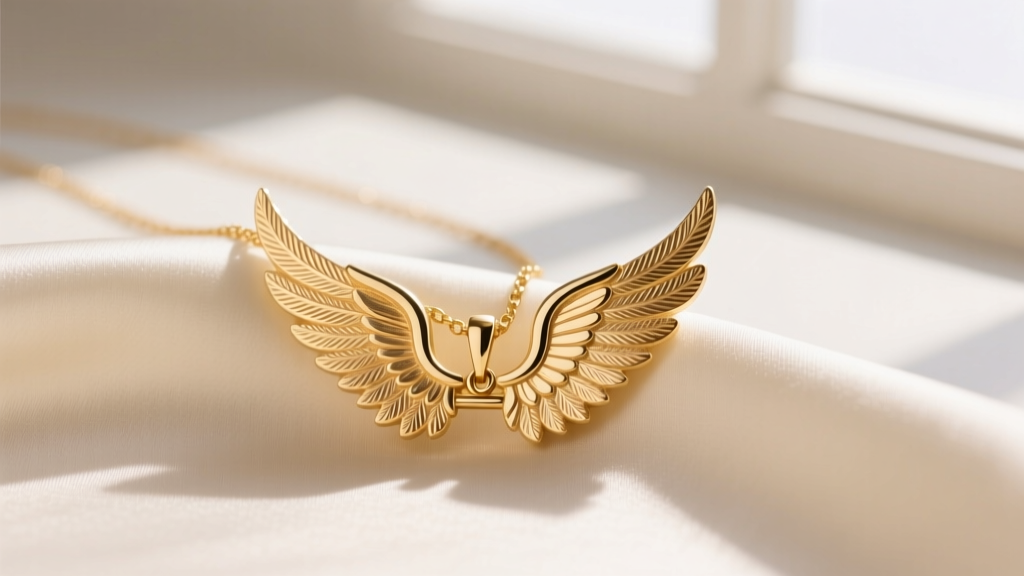
Before diving into styling techniques, it is crucial to understand the structural anatomy of a necklace with angel wings. High-quality wing pendants are typically created using the lost-wax casting method, which allows for the intricate replication of feather barbs and the central rachis (the shaft of the feather). When evaluating a piece, look for depth in the casting. Flat, stamped metal wings lack the dimensional shadowing required to make the feathers catch the light. Furthermore, pay attention to the bail—the loop that connects the pendant to the chain. A hidden bail (soldered to the back of the wings) allows the pendant to lay flush against the skin, creating a seamless, floating illusion, whereas a standard soldered ring bail adds a vintage, traditional charm but drops the pendant slightly lower.
Step 1: Selecting the Right Metal and Material Grade
The longevity and skin-compatibility of your necklace depend entirely on the metal grade. Angel wing pendants often feature deep crevices to mimic feather textures, which can trap moisture and accelerate tarnishing in lower-grade metals. Here is a technical breakdown of the most common materials used in 2026:
| Metal Grade | Composition & Standards | Tarnish Resistance | Average Price Range |
|---|---|---|---|
| Sterling Silver (925) | 92.5% pure silver, 7.5% copper alloy | Low (Requires polishing) | $45 - $120 |
| Gold Vermeil | Sterling silver base with ≥2.5 microns of 14k/18k gold | Medium (Plating wears over 2-5 years) | $85 - $250 |
| Solid 14k Gold | 58.3% pure gold, alloyed with zinc/nickel/copper | High (Lifetime durability) | $350 - $800+ |
| White Gold (Rhodium Plated) | 14k/18k gold alloy electroplated with 0.75-micron rhodium | High (Requires re-plating every 3-5 years) | $400 - $950+ |
Expert Tip: If you are purchasing a silver necklace with angel wings, ensure it has been treated with an anti-tarnish coating or e-coating. The microscopic grooves in the feather detailing are notoriously difficult to polish once oxidized.
Step 2: Choosing the Ideal Chain Style and Length
The chain you select must support the weight and aesthetic of the wings without overpowering them. Angel wing pendants typically weigh between 3 to 8 grams.
Chain Styles to Consider
- Cable Chain (1.0mm - 1.5mm): The most versatile option. The uniform oval links provide a classic backdrop that doesn't compete with the intricate feather details.
- Box Chain (1.2mm - 1.8mm): Excellent for heavier, solid gold wing pendants. The square, interlocking links offer superior tensile strength and a modern, geometric contrast to the organic curves of the wings.
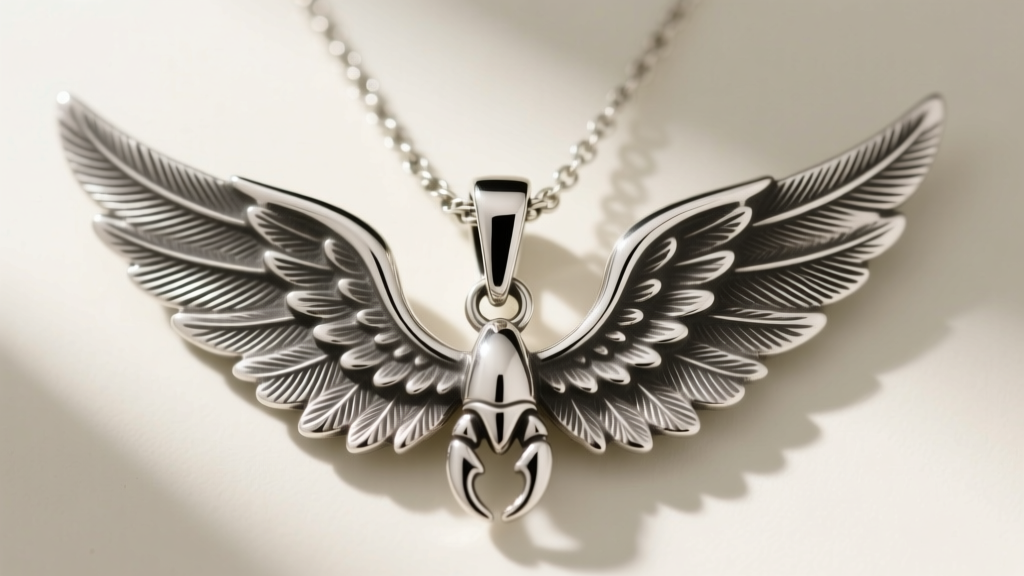
- Rolo Chain (1.5mm): Features thick, round links. Best suited for rustic or oxidized silver wing designs, offering a slightly heavier, vintage aesthetic.
Chains to Avoid
Avoid snake chains and omega chains. Snake chains are prone to kinking if bent, and their tight, smooth surface creates friction that can wear down the pendant's bail over time. Furthermore, they easily trap body hair and skin oils in their microscopic seams, which is difficult to clean.
Step 3: Layering Techniques for Angel Wing Pendants
Layering a necklace with angel wings requires adherence to the "Rule of Two Inches" to prevent the chains from tangling and the pendants from scratching one another. Because angel wings are horizontally oriented and visually expansive, they need adequate negative space.
"When layering symbolic or figurative pendants like wings, crosses, or evil eyes, always position them as the focal point in the center of your layering stack. Flank them with abstract or minimalist pieces to avoid visual clutter." — Jewelers of America Styling Guidelines
The Perfect 3-Piece Layering Stack
- Base Layer (14-16 inches): A delicate 2mm freshwater pearl choker or a micro-bezel diamond solitaire on a fine cable chain. This draws the eye to the collarbone.
- Focal Layer (18 inches): Your necklace with angel wings. An 18-inch length ensures the wings rest perfectly on the upper chest, allowing the horizontal span of the feathers to be fully visible.
- Anchor Layer (20-22 inches): A simple, textured bar pendant or a minimalist coin necklace. This elongates the torso and grounds the stack without competing with the wing motif.
Step 4: Matching Necklines to Wing Spans
The span of the angel wings (the distance from the tip of the left wing to the tip of the right wing) dictates which clothing necklines will complement the jewelry. Standard wing spans range from 15mm (delicate) to 45mm (statement).
- V-Neck and Plunge Necklines: Ideal for wing spans of 25mm to 40mm. The V-shape of the clothing naturally mirrors the downward sweep of the feathers, creating a cohesive, elongating visual line.
- Crew Neck and Turtlenecks: Best paired with smaller, delicate wings (15mm - 20mm) on a longer chain (20+ inches) worn over the fabric. Wearing wide wings over a tight crew neck creates a cluttered, restricted appearance.
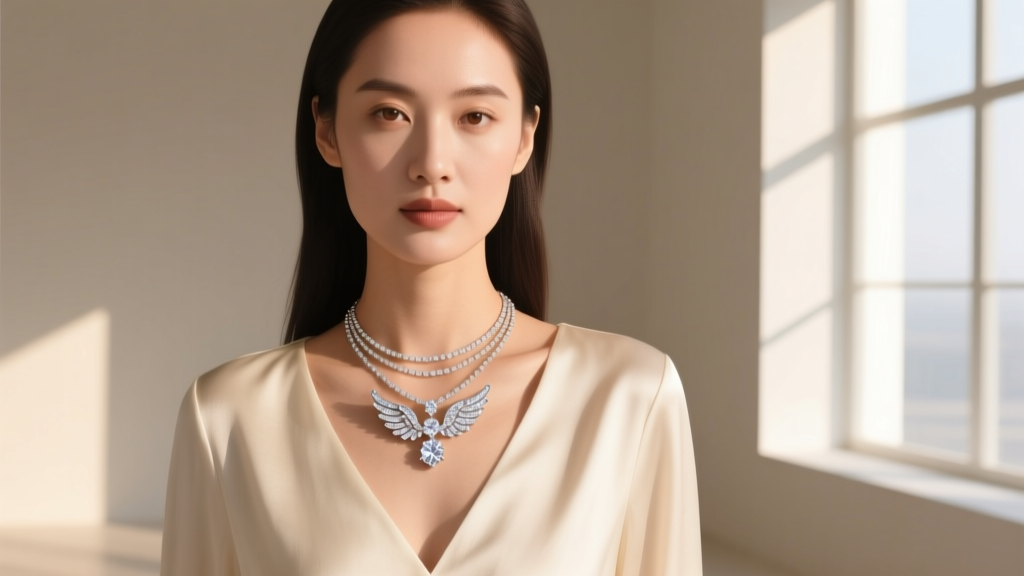
- Scoop Neck and Off-the-Shoulder: These expose the décolletage, making them the perfect canvas for an 18-inch layering stack where the angel wings sit directly against bare skin, maximizing the metal's reflective properties.
Step 5: Cleaning and Maintaining Intricate Wing Details
The most common mistake owners make with figurative pendants is using ultrasonic cleaners. While ultrasonic waves are excellent for dislodging dirt from simple diamond solitaires, the high-frequency vibrations can easily loosen the micro-prong settings often used to secure "diamond dust" or micro-pavé stones along the edges of angel wings. According to the Gemological Institute of America (GIA), manual cleaning is always the safest route for intricate, textured jewelry.
Step-by-Step Manual Cleaning Guide
- Prepare the Solution: Mix three drops of mild, phosphate-free dish soap (like Dawn) into a bowl of lukewarm distilled water. Avoid tap water, as the chlorine and hard minerals can leave microscopic deposits in the feather grooves.
- Soak: Submerge the necklace with angel wings for exactly 5 to 10 minutes. Do not exceed this, especially if the piece is gold vermeil, to protect the plating integrity.
- Agitate Gently: Using a brand-new, extra-soft baby toothbrush, gently brush along the central rachis and outward toward the feather barbs. Never scrub in circular motions, as this can cause micro-scratches on high-polish surfaces.
- Rinse and Dry: Rinse under a gentle stream of lukewarm distilled water. Pat dry with a lint-free microfiber cloth. Use a can of compressed air to blow out any remaining moisture trapped in the deepest crevices of the casting to prevent water spots or tarnish.
By understanding the structural nuances, material grades, and proper styling frameworks, you can elevate a simple necklace with angel wings from a sentimental trinket into a sophisticated, everyday staple in your fine jewelry collection.


