The Ultimate Colour Changing Mood Necklace Buying Guide
Discover how to buy a high-quality colour changing mood necklace. Learn about thermochromic tech, safe metals, and chain durability in our expert guide.

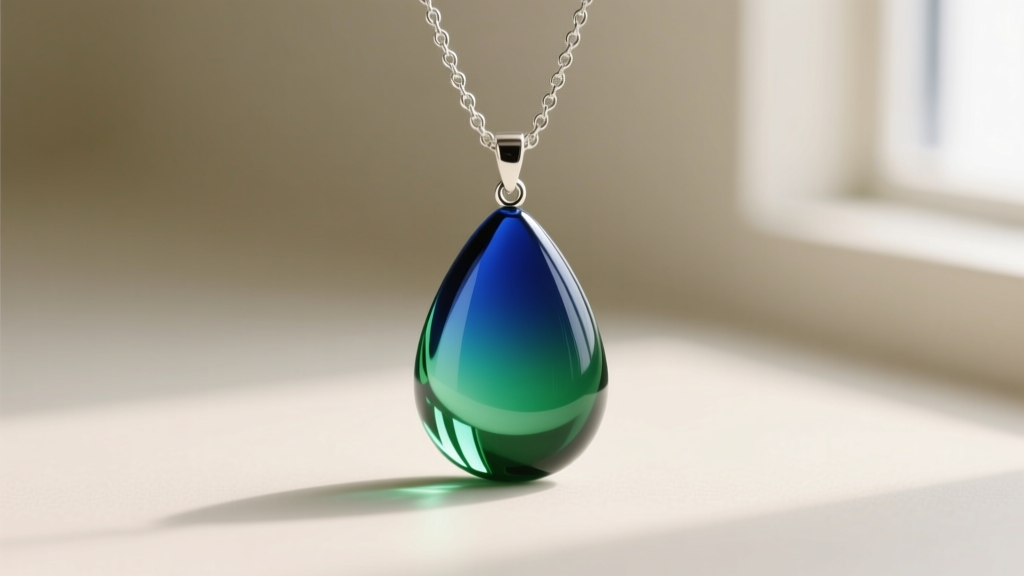
The colour changing mood necklace has evolved far beyond its 1970s novelty roots. Once dismissed as a fleeting retro fad, modern iterations of thermochromic jewelry now blend nostalgic charm with advanced materials science. As of 2026, high-end jewelers and independent artisans are utilizing aerospace-grade liquid crystals and precision-cut quartz doublets to create pieces that are both visually mesmerizing and structurally durable. However, the market remains flooded with cheap, poorly constructed alternatives that tarnish quickly and fail within weeks.
If you are looking to invest in a piece that accurately reflects your physiological shifts without turning your skin green or degrading in the sun, you need to know exactly what to look for. This comprehensive buying guide breaks down the science, materials, and craftsmanship markers that separate a premium colour changing mood necklace from a disposable toy.
The Science of the Shift: Thermochromic Liquid Crystals
To make an informed purchase, it is crucial to understand the mechanism driving the color shift. Authentic mood stones do not read your emotions; they read your peripheral skin temperature. The core technology relies on cholesteric liquid crystals. These molecules are arranged in a helical (spiral) structure that selectively reflects specific wavelengths of light based on the pitch of the spiral.
When your skin temperature rises—due to excitement, warmth, or increased blood flow—the liquid crystal molecules expand, altering the pitch of the helix and shifting the reflected color toward the warmer end of the spectrum (amber, violet, or orange). When you are cold or stressed (which causes peripheral vasoconstriction, pulling blood away from the skin's surface), the molecules contract, reflecting cooler wavelengths (dark blue or black). According to the American Chemical Society, the precision of these liquid crystal formulations dictates the sharpness and vibrancy of the color transitions you see in high-quality pendants.
Decoding the Colors: Temperature vs. Emotion
While pop culture assigns specific emotional states to every hue, a physiological perspective offers a more accurate reading of what your pendant is actually communicating. Below is the definitive chart mapping the visual output of a calibrated colour changing mood necklace to real-world biological triggers.
| Color Display | Surface Temp (°C) | Physiological Trigger | Pop-Culture "Mood" Myth |
|---|---|---|---|
| Black / Opaque | Below 24°C | Cold skin, poor circulation, or removed from body | Stressed, anxious, or depressed |
| Deep Blue | 24°C - 28°C | Resting state, cool environment | Calm, relaxed, peaceful |
| Emerald / Teal | 29°C - 32°C | Baseline skin temperature, normal blood flow | Happy, romantic, engaged |
| Amber / Orange | 33°C - 36°C | Increased peripheral blood flow, warmth, excitement | Passionate, nervous, energetic |
| Violet / Magenta | Above 36°C | High heat, flushed skin, intense physical activity | Sensual, deeply in love, ecstatic |
What to Look For: Encapsulation and Stone Quality
The most common point of failure in thermochromic jewelry is the encapsulation. Liquid crystals are highly sensitive to UV radiation and moisture. If they are exposed to either, the molecules break down, leaving you with a permanently black or cloudy stone. When evaluating a colour changing mood necklace, inspect the setting closely.
Glass Cabochons vs. Quartz Doublets
Entry-level necklaces often use a thin layer of thermochromic paint sealed beneath a cheap plastic dome. This plastic scratches easily and degrades under sunlight. Mid-tier options utilize a glass cabochon glued over a thermochromic film. While better, the epoxy resin used in 2026 mass-market pieces can still yellow over time.
For heirloom quality, seek out quartz doublets. In this construction, the liquid crystal layer is hermetically sealed between a base layer of rock crystal quartz and a top dome of clear quartz. Quartz is naturally UV-resistant, highly scratch-resistant (rating 7 on the Mohs scale), and provides a brilliant optical clarity that amplifies the color-shifting effect. Always look for bezel settings that fully seal the edges of the stone to prevent moisture intrusion.
Chain Materials: Avoiding the Green Neck Syndrome
A premium mood stone is worthless if it hangs from a chain that triggers contact dermatitis. According to the American Academy of Dermatology, nickel allergy is one of the most common causes of allergic contact dermatitis, frequently triggered by cheap jewelry alloys. Furthermore, the U.S. Consumer Product Safety Commission regularly issues warnings regarding lead and cadmium found in unregulated novelty jewelry.
When buying, check the clasp and links for specific material stamps:
- 316L Surgical Stainless Steel: The gold standard for durable, hypoallergenic, and affordable chains. It will not tarnish, rust, or turn your skin green.
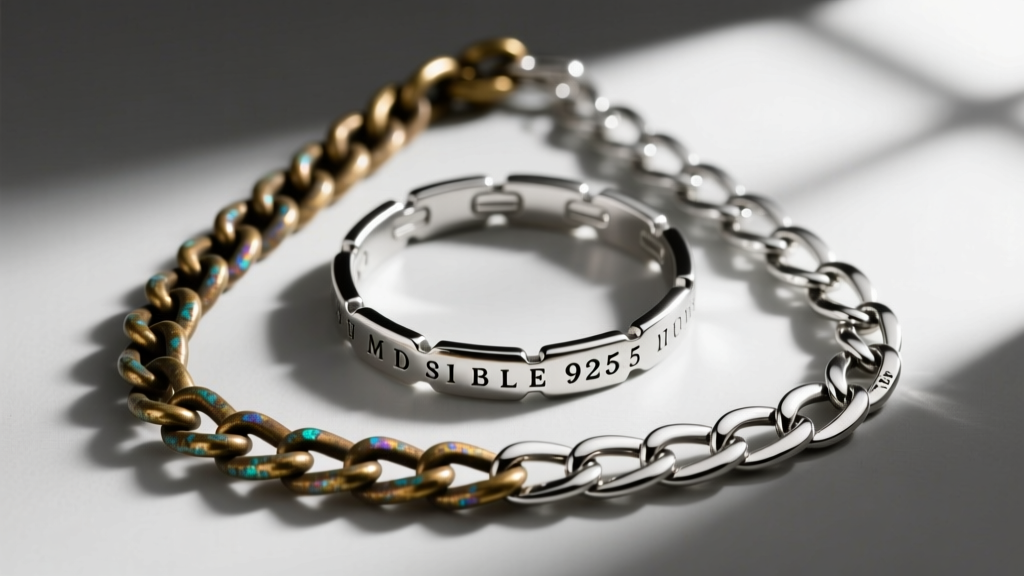
- 925 Sterling Silver: An excellent premium choice. Ensure it is stamped "925". Note that silver can tarnish when exposed to sulfur in the air, requiring occasional polishing with a microfiber cloth.
- Gold Vermeil (over Silver): If you prefer gold, ensure it is "vermeil" (a thick layer of 14k or 18k gold over a sterling silver base). Avoid "gold-plated brass," as the brass will eventually bleed through the microscopic gold layer, causing discoloration and skin irritation.
- Materials to Avoid: "Tibetan silver," "alpaca," or any unmarked "alloy" chains. These are typically zinc, copper, and nickel mixtures that oxidize rapidly and pose heavy metal risks.
Care and Longevity: Why Mood Stones "Die"
Even the most expensive colour changing mood necklace requires specific care to maintain its thermochromic properties. The primary enemy of liquid crystals is prolonged ultraviolet (UV) exposure. While modern quartz doublets offer significant UV protection, leaving your necklace on a sunny dashboard or windowsill for weeks will permanently bleach the liquid crystals, locking them in a permanent yellow or opaque state.
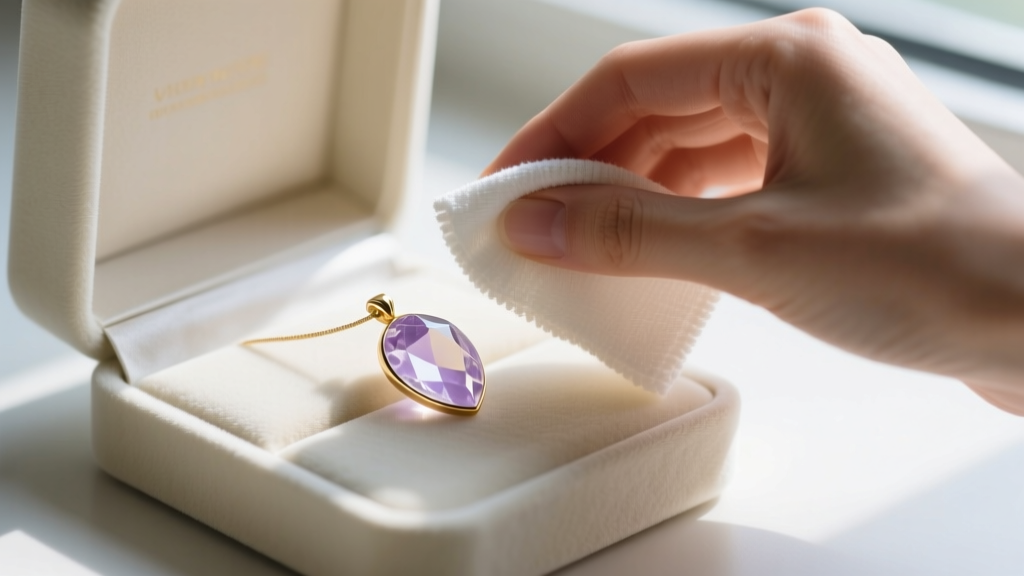
Moisture is the second major threat. Never wear your mood necklace in the shower, swimming pool, or ocean. If water breaches the seal between the glass/quartz and the backing, it will create a cloudy, iridescent bubble that cannot be dried out without destroying the setting. The Gemological Institute of America (GIA) recommends storing all delicate pendants in a cool, dark, and dry environment—ideally a lined jewelry box—when not in use to maximize the lifespan of organic and temperature-sensitive materials.
Final Verdict: How to Spot a Quality Piece
When shopping for a colour changing mood necklace, prioritize the chain material and the stone's encapsulation above all else. A reputable seller will explicitly state the use of 316L steel or 925 silver and will describe the stone as a "hermetically sealed quartz doublet" or "UV-protected glass cabochon." If the product description simply says "mood stone" and "alloy chain," walk away. By investing in proper materials science and quality metals, you can enjoy a dynamic, color-shifting pendant that remains vibrant and safe for years to come.


