The Complete Buying Guide for a Bandana Charm Necklace
Discover how to choose the perfect bandana charm necklace. Learn about materials, chain pairings, and styling tips for Western and Y2K aesthetics.

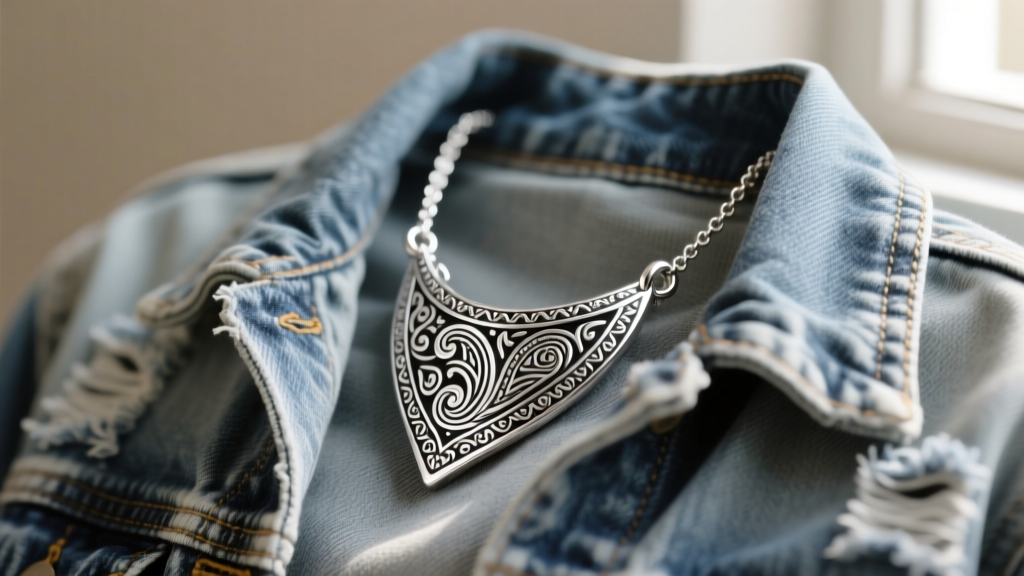
The Western Revival: From Niche to Mainstream
As we navigate the fashion landscape of 2026, the Western aesthetic has evolved from a fleeting viral trend into a permanent fixture in contemporary jewelry. At the forefront of this shift is the bandana charm necklace. Once relegated to costume jewelry or niche rodeo memorabilia, the folded bandana motif is now being reimagined by fine jewelry artisans and independent designers alike. Whether you are drawn to the 'urban cowboy' aesthetic or simply appreciate the geometric intricacy of a folded kerchief rendered in precious metals, buying the right piece requires an understanding of material integrity, chain mechanics, and proportional balance.
This comprehensive buying guide will walk you through the exact specifications to look for, ensuring your investment holds up to daily wear while maintaining its distinctive stylistic edge.
Decoding Materials: What Your Charm is Actually Made Of
The longevity and visual appeal of a bandana pendant depend entirely on its base metal and surface treatments. Because bandana charms often feature intricate folds, paisley engravings, or colored accents, the manufacturing technique is just as important as the raw material.
Sterling Silver (925) vs. Base Metals
For a piece you intend to wear daily, solid 925 sterling silver is the baseline standard. Look for the '925' stamp on the bail or the back of the charm. Avoid brass or copper bases if you have sensitive skin, as the oxidization process can cause green discoloration on the chest. Some high-end artisans use oxidized silver to highlight the deep crevices of the folded bandana geometry, creating a high-contrast, vintage look that requires zero polishing.
Enamel Treatments: Vitreous vs. Cold
Many bandana charms incorporate red, blue, or black accents to mimic traditional fabric prints. It is vital to know which enamel technique was used:
- Vitreous Enamel: This is powdered glass fused to metal in a kiln at temperatures exceeding 1400°F. It is highly durable, scratch-resistant, and will not yellow over time. It is the hallmark of fine jewelry.
- Cold Enamel: Essentially an epoxy resin poured into metal recesses. While it offers vibrant colors at a lower price point, it is prone to scratching, chipping, and UV yellowing after a few years of sun exposure.
Turquoise and Stone Inlays
A popular variation features a turquoise knot or center stone. According to the Gemological Institute of America (GIA), genuine turquoise is porous and often stabilized with resin to prevent cracking. When buying, look for disclosures regarding 'dyed howlite' or 'reconstituted turquoise,' which are common in fast-fashion alternatives. Genuine Sleeping Beauty or Kingman turquoise will feature natural matrix veining and command a higher price.
| Material / Treatment | Durability | Price Range | Best For |
|---|---|---|---|
| Solid 925 Sterling Silver | High (Tarnishes but polishable) | $60 - $180 | Everyday wear, skin sensitivity |
| Vitreous Enamel over Silver | Very High (Glass-fused) | $120 - $300 | Heirloom pieces, vibrant color |
| Cold Enamel over Brass | Low (Prone to chipping) | $15 - $45 | Trend-driven, occasional wear |
| 14k Gold Vermeil (2.5μm) | Medium (Plating eventually wears) | $80 - $220 | Warm skin tones, layering |
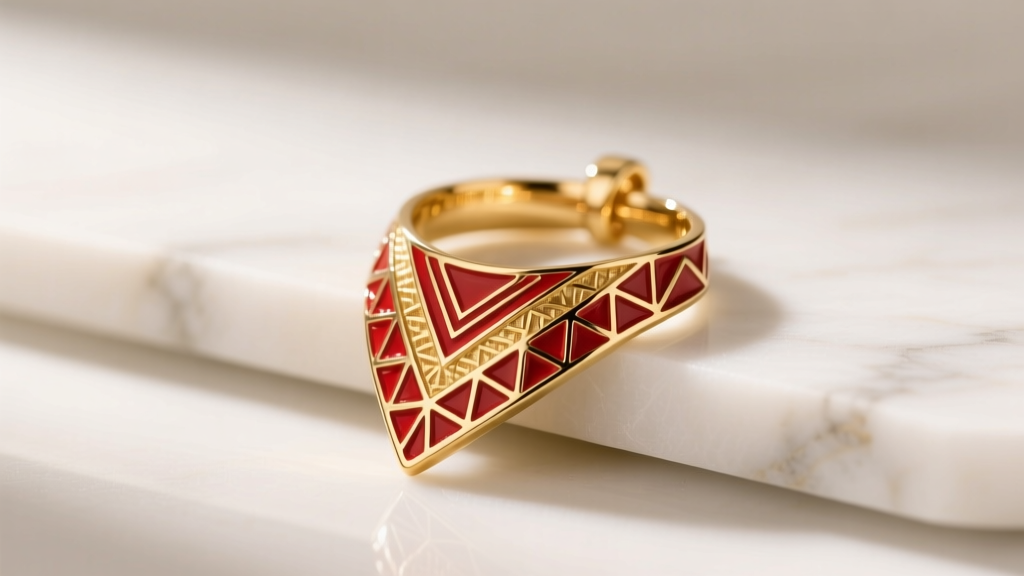
Chain Selection: Pairing the Right Link with the Charm
A bandana charm features distinct linear folds and textured surfaces. The chain you select must complement, rather than compete with, these details. Furthermore, the chain's thickness must be matched to the charm's bail (the loop that connects the pendant to the chain).
The Rope Chain (1.5mm to 2.5mm)
The rope chain is the undisputed champion for Western and rustic motifs. Its twisted, helical structure mimics the woven threads of a cotton bandana and the braided leather of traditional Western tack. A 2.0mm oxidized silver rope chain provides enough visual weight to anchor a 20mm bandana charm without looking like a costume piece.
The Curb Chain (2.0mm to 3.0mm)
If you want to push the bandana charm into a more modern, streetwear-adjacent territory, a flat curb chain is ideal. The geometric, interlocking flat links contrast beautifully with the organic, flowing folds of the bandana motif. This pairing works exceptionally well in yellow gold or black rhodium-plated silver.
The Snake Chain (1.0mm to 1.5mm)
Snake chains offer a sleek, liquid-metal appearance that allows the charm to take center stage. However, they are notoriously fragile and can kink if bent. Additionally, the tight, smooth surface of a snake chain can cause excessive friction on the interior of the charm's bail, leading to premature wear. If you choose a snake chain, ensure the charm has a hard, polished interior bail ring.
Sizing and Proportions: Getting the Drop Right
The physical dimensions of the charm dictate its versatility. Bandana charms are generally measured by their widest point (usually the bottom hem of the folded triangle).
- The Subtle Drop (10mm - 15mm): Ideal for delicate layering. This size sits quietly on the collarbone and pairs well with minimalist Y2K aesthetics or office-appropriate attire.
- The Standard Statement (18mm - 25mm): The sweet spot for a standalone piece. This size allows the artisan's engraving or enamel work to be clearly visible from a conversational distance.
- The Oversized Motif (30mm+): Best reserved for heavy, masculine-leaning chains or festival wear. Charms of this size can feel heavy on the neck and may flip upside down if not paired with a sufficiently thick, stiff chain.
Crucial Bail Check: Always verify the inner diameter of the bail. If you plan to wear the charm on a 2.5mm rope chain, the bail must have an inner diameter of at least 3.5mm to allow the pendant to slide freely and lay flat against the chest.

Authenticity vs. Fast Fashion: Navigating Pricing Tiers
The market is currently flooded with Western-inspired jewelry. Understanding the pricing tiers will help you avoid overpaying for mass-produced items disguised as artisan craft.
Tier 1: Fast Fashion ($15 - $40)
These pieces are typically cast from brass molds, plated with a microscopically thin layer of silver or gold (often less than 0.5 microns), and finished with cold enamel. The paisley details are often muddy or shallow due to low-quality casting. Expect the plating to wear off within three to six months of regular wear.
Tier 2: Independent Artisans & Mid-Tier ($80 - $200)
Here you will find solid 925 sterling silver, lost-wax casting with crisp, deep engravings, and genuine vitreous enamel or stabilized turquoise inlays. Brands in this tier often solder the jump rings and bails, preventing the charm from slipping off the chain. This is the optimal tier for buyers seeking longevity without the fine jewelry markup.
Tier 3: Fine Jewelry ($350 - $800+)
Crafted in solid 14k or 18k gold, these pieces feature high-grade, untreated turquoise and hand-engraved details. The weight of the gold gives the bandana charm a substantial, luxurious drape. These are investment pieces meant to be passed down.
Care and Maintenance for Enamel and Silver
Proper maintenance is critical, especially for charms featuring mixed materials. The Jewelers of America organization consistently advises against using ultrasonic cleaners on jewelry with enamel or porous stones. The high-frequency vibrations can cause micro-fractures in vitreous enamel and shatter turquoise inlays.
Instead, clean your bandana charm using a soft-bristled baby toothbrush and a mild solution of warm water and phosphate-free dish soap. Gently brush the crevices of the folded metal to remove skin oils and lotions. Dry immediately with a microfiber cloth. For oxidized silver, never use liquid silver dips, as they will strip the intentional dark patina from the engravings, leaving the piece looking flat and overly bright.
Final Verdict: Styling Your Western Piece
The beauty of the bandana charm necklace in 2026 lies in its stylistic fluidity. You no longer need to commit to a full Western wardrobe to pull it off. For a contemporary look, pair a 20mm oxidized silver bandana charm on a 2mm rope chain with a vintage leather moto jacket and a crisp white tee. If you prefer a softer approach, layer a delicate 12mm gold vermeil bandana pendant with a simple pearl choker and a silk slip dress. By prioritizing solid materials, correct chain pairings, and precise proportions, your bandana charm will remain a versatile cornerstone of your jewelry collection for years to come.


