Fendi Necklace Buying Guide: Styles & Authenticity 2026
Discover our expert 2026 Fendi necklace buying guide. Learn to verify authenticity, compare iconic collections, and understand material quality.

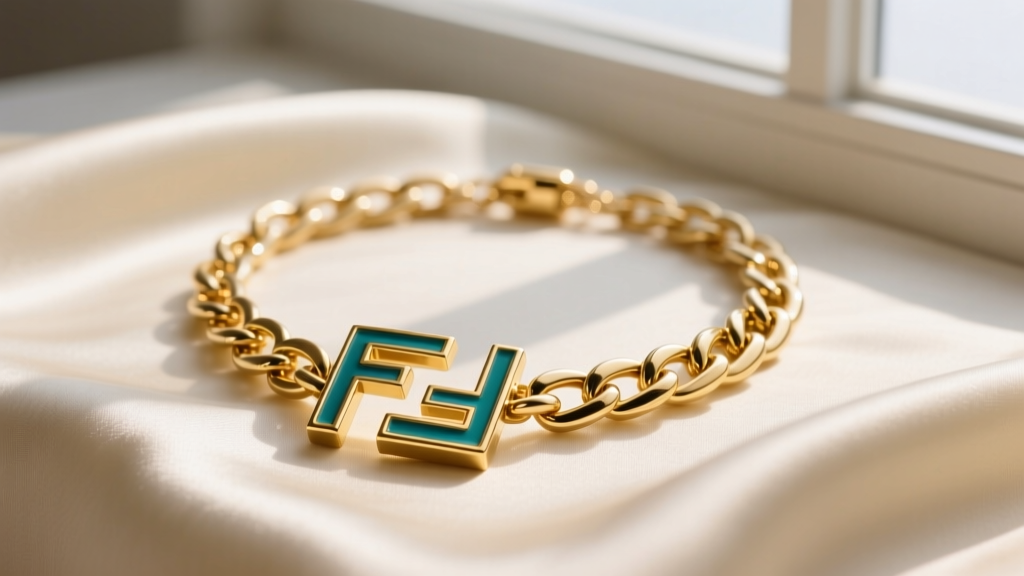
The Anatomy of a Fendi Necklace: Fashion vs. Fine Jewelry
When navigating the luxury secondary market or browsing the latest boutique drops, understanding the fundamental construction of a Fendi necklace is critical. The Roman fashion house primarily operates in the high-end fashion jewelry space, rather than traditional fine jewelry. This distinction dictates everything from the base metals used to the long-term value retention of the piece. While Fendi does occasionally release limited-run fine jewelry capsules featuring 18-karat gold and natural diamonds, over 90% of their iconic necklace collections—including the ubiquitous FF logo, O'Lock, and Baguette pendants—are crafted from galvanic-plated brass with cold enamel and crystal accents.
For the discerning buyer in 2026, this means you are paying for architectural design, heritage motifs, and Italian craftsmanship rather than intrinsic melt value. Recognizing this upfront allows you to set realistic expectations regarding wear-and-tear, maintenance, and pre-owned pricing. According to the Fendi Official Jewelry Care Guide, proper handling of these specific mixed-media pieces is essential to prevent the degradation of their specialized platings and enamel work.
Iconic Collections: Which Motif Suits Your Style?
The O'Lock Collection
Inspired by industrial hardware and utilitarian aesthetics, the O'Lock collection has become a staple for layering. The necklaces feature heavy, geometric chain links and functional carabiner or screw-mechanism clasps. The hardware is substantial, often weighing between 45 and 80 grams depending on the length. When buying pre-owned, the O'Lock is highly desirable because its robust brass core withstands daily friction better than more delicate, crystal-encrusted alternatives.
The Baguette & Fendi First
The Baguette pendant translates the brand's most famous handbag silhouette into a micro-jewelry format. These pieces frequently utilize micro-pavé crystal settings and mother-of-pearl inlays. The Fendi First collection, characterized by its architectural, inward-tilting heel motif, offers a more avant-garde, asymmetrical profile that sits sharply against the collarbone. Both collections rely heavily on precise stone setting, which is a primary focal point when authenticating vintage or resale pieces.
Material Breakdown & Common Failure Modes
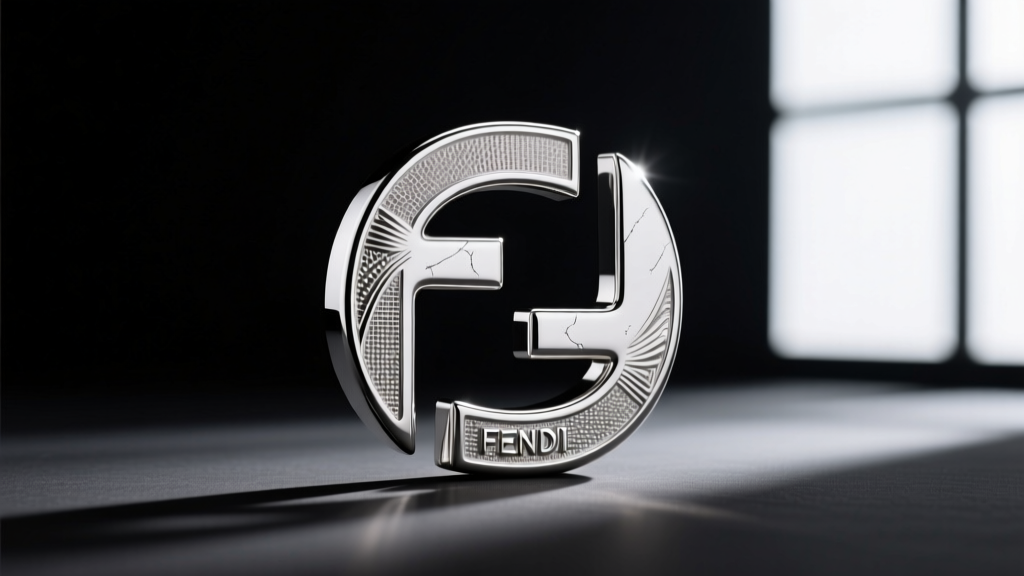
Fendi's manufacturing process relies on ottone (Italian brass) as the foundational alloy. Brass is chosen for its excellent casting properties, allowing for the sharp, crisp edges seen on the interlocking FF Zucca motifs. The brass is then plated with palladium (for silver tones), gold-tone alloys, or ruthenium (for dark, gunmetal finishes). The black or white accents are achieved using cold enamel (an epoxy-based resin), not kiln-fired vitreous glass.
| Material Component | Specific Grade / Type | Common Failure Mode | Preventative Action |
|---|---|---|---|
| Base Metal | Ottone (Brass Alloy) | Oxidation if plating wears through | Keep away from acidic perfumes |
| Silver-Tone Plating | Palladium Finish | Friction wear at the clasp jump-ring | Store flat to prevent link-on-link grinding |
| Gold-Tone Plating | Galvanic Gold Alloy | Tarnishing from sulfur exposure | Remove before swimming or using hot springs |
| Color Accents | Cold Enamel (Epoxy Resin) | Micro-chipping on hard surface impacts | Avoid dropping on marble or tile floors |
| Crystal Pavé | Swarovski / Cubic Zirconia | Stone loss from adhesive degradation | Never use ultrasonic jewelry cleaners |
The Authentication Checklist: Spotting Counterfeits
The proliferation of high-quality replicas in the luxury market necessitates a rigorous authentication protocol. When evaluating a Fendi necklace, especially outside of an authorized boutique, rely on tactile and microscopic evidence rather than packaging alone. Experts at Vestiaire Collective Authentication emphasize that counterfeiters often fail to replicate the exact metallurgical weight and precision of Italian hardware stamping.
- Hallmark Depth & Font: Authentic Fendi pieces feature laser-engraved or deeply struck hallmarks. Look for "FENDI" and "MADE IN ITALY" on the back of the pendant or the flat surface of the lobster clasp. The font should be crisp, evenly spaced, and perfectly centered. Fakes often exhibit shallow, painted-on, or blurry stamping.
- Chain Weight & Drape: Fendi chains are notoriously heavy and engineered to lay flat against the skin without kinking. Counterfeit chains often feel hollow, excessively light, and prone to tangling due to poorly soldered jump rings.
- Crystal Setting Quality: On Baguette and FF crystal pendants, authentic stones are set using precise micro-prongs or high-grade bezel settings. Counterfeits frequently rely on visible, cloudy epoxy glue to hold glass stones in place, which degrades and yellows over time.
- Clasp Tension: The spring mechanism inside an authentic Fendi lobster clasp offers firm, smooth resistance. Replicas often feature weak springs that fail to snap shut securely, posing a significant loss risk.
Pricing Tiers & Pre-Owned Market Value
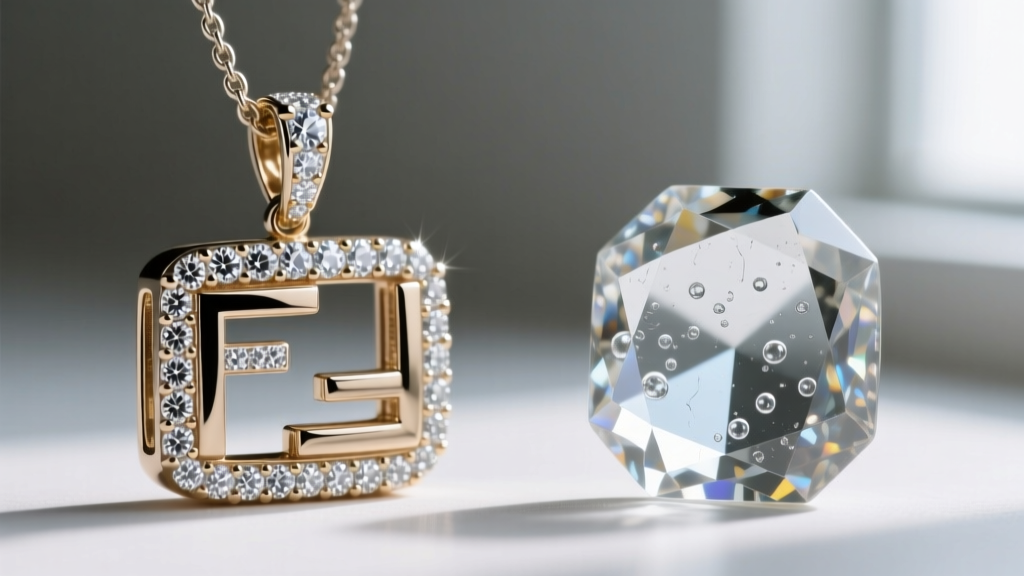
Understanding the financial landscape of Fendi necklaces helps buyers identify fair market value and avoid overpaying on the secondary market. While fashion jewelry inherently depreciates the moment it leaves the boutique, certain heritage motifs and discontinued colorways command a premium among collectors.
| Collection / Motif | Average Retail (USD) | Pre-Owned Market (USD) | Value Retention Profile |
|---|---|---|---|
| FF Logo Enamel Pendant | $450 - $650 | $250 - $400 | Moderate (High volume, steady demand) |
| O'Lock Chain & Carabiner | $750 - $950 | $500 - $750 | High (Durable hardware, unisex appeal) |
| Baguette Crystal Pavé | $850 - $1,200 | $450 - $700 | Low-Moderate (Prone to stone loss) |
| Vintage Zucca (Y2K Era) | N/A (Discontinued) | $600 - $1,500+ | Very High (Archival collector demand) |
Care Protocols for Longevity
Because Fendi's fashion jewelry utilizes cold enamel and galvanic plating over brass, traditional jewelry cleaning methods can be catastrophic. Never place a Fendi necklace in an ultrasonic cleaner. The high-frequency vibrations will shatter the epoxy enamel and loosen the adhesive backing on micro-pavé crystals. Similarly, commercial silver dips and chemical polishing cloths will strip the palladium or gold-tone plating, exposing the raw brass underneath to rapid oxidation.
To maintain the luster of your piece, wipe it down with a dry, lint-free microfiber cloth after each wear to remove skin oils and cosmetic residues. Store the necklace flat in its original flannel pouch or an anti-tarnish ziplock bag. If the chain becomes tangled, use a straight pin and a drop of mineral oil to gently work the knot apart—never pull the chain taut, as this can warp the individual brass links and compromise the structural integrity of the jump rings.
"Investing in luxury fashion jewelry is an investment in design and heritage. Treat the materials with the specific care they require, and a well-chosen Fendi pendant will remain a versatile staple in your wardrobe for decades."


