The Beginner's Guide to Buying a Vintage Black Bakelite Necklace
Discover how to authenticate, price, and style a vintage black bakelite necklace. Learn expert testing methods and styling tips for beginners.

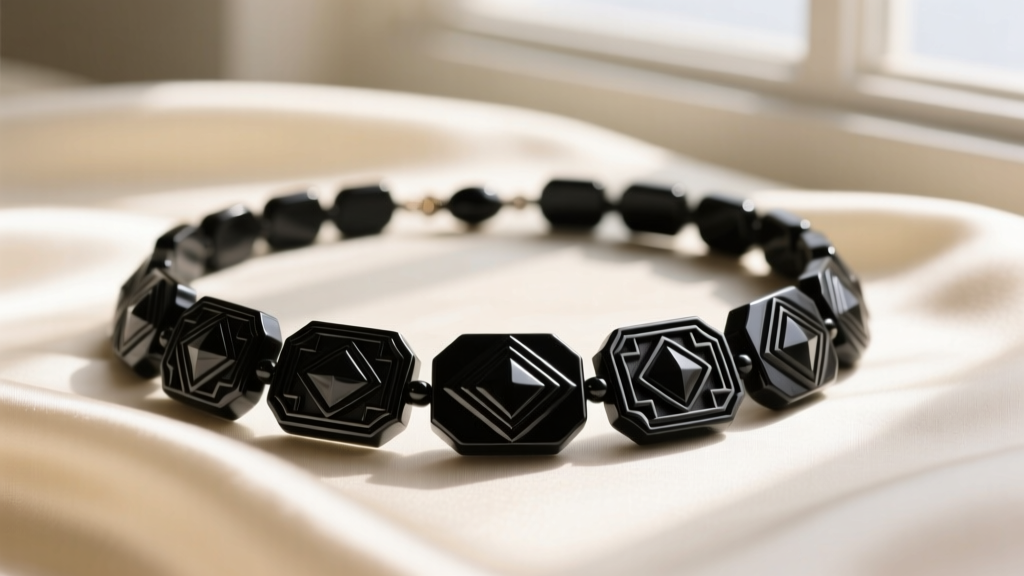
The Allure of Vintage Black Bakelite
For new collectors and vintage jewelry enthusiasts, few materials carry the mystique and historical weight of Bakelite. Invented by Leo Baekeland in 1907, Bakelite was the world’s first fully synthetic plastic. While it was used for everything from rotary telephones to radio cabinets, its application in 1920s and 1930s jewelry remains highly coveted today. A vintage black bakelite necklace, in particular, offers a striking blend of Art Deco geometry, substantial weight, and a rich, glass-like patina that modern plastics simply cannot replicate. However, as the market for vintage jewelry continues to grow in 2026, so does the prevalence of fakes, later-era plastics, and "franken-pieces." This beginner-friendly explainer will equip you with the exact methodologies, pricing frameworks, and styling insights needed to confidently navigate the market.
Understanding the Material: Why Black Bakelite?
Bakelite is a thermosetting phenol formaldehyde resin. Unlike modern injection-molded plastics, vintage Bakelite was cast into large blocks or tubes and then hand-carved, lathed, and polished by artisans. Black was one of the most popular colors during the 1920s and 1930s. Initially, black Bakelite served as an affordable, durable alternative to traditional Victorian mourning jewelry materials like jet, onyx, and French jet (black glass). As the Art Deco movement took over, black Bakelite transitioned from a symbol of mourning to a bold fashion statement, often carved into striking geometric links or faceted beads that contrasted beautifully with the era's sleek silhouettes.
How to Authenticate a Black Bakelite Necklace
Authentication is the most critical skill for any buyer. Because black Bakelite lacks the visible color variations found in "apple juice" or "end of day" pieces, you must rely on a combination of chemical, olfactory, and visual tests. According to the experts at Lang Antiques, relying on a single test is never enough; a holistic approach is required.
1. The Simichrome Polish Test
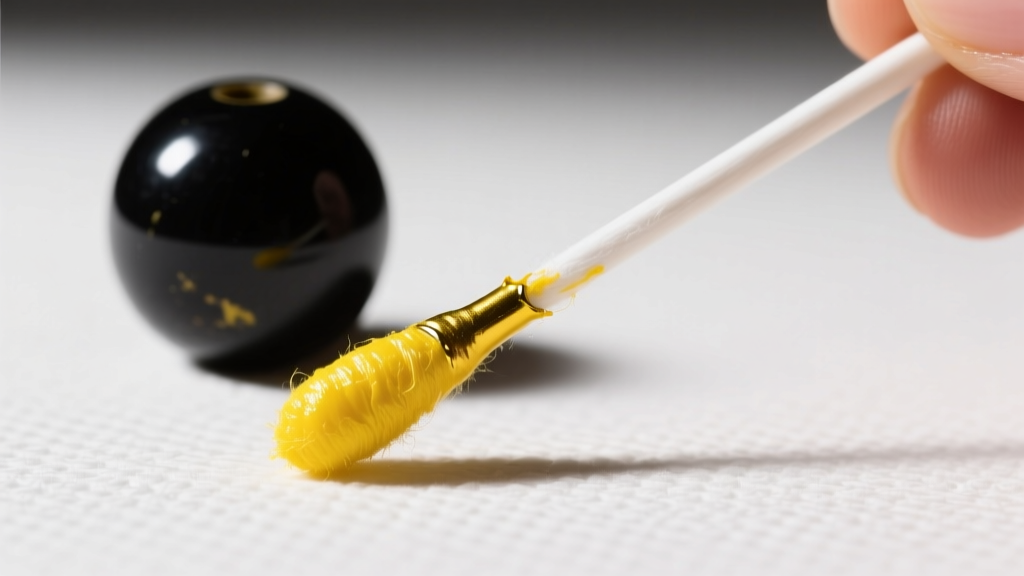
The gold standard for testing Bakelite is Simichrome polish. When applied to a cotton swab and rubbed gently on an inconspicuous area of the plastic, a chemical reaction occurs with the phenol resin. For a genuine black bakelite necklace, the swab will turn a vivid, bright yellow. If the swab turns black, brown, or remains pink, you are likely dealing with later plastics, painted resins, or black glass. Note: Heavily lacquered or recently polished pieces may not yield an immediate yellow reaction, requiring a gentle buffing first.
2. The Hot Water and Friction Tests
Bakelite has a distinct olfactory signature. When heated, it releases the scent of formaldehyde and phenol—often described as a sharp, chemical, or "old hospital" smell. To perform the hot water test, dip the necklace into hot (not boiling) tap water for 15 seconds and smell it immediately. Alternatively, rub the plastic vigorously with your thumb until it creates friction heat.
- Genuine Bakelite: Smells sharply chemical, like formaldehyde or carbolic acid.
- Celluloid: Smells like camphor or vinegar.
- Galalith: Smells like burnt milk.
- Modern Acrylics: Odorless.
3. Visual and Hardware Clues
Because Bakelite was carved from solid blocks, it will never have mold seams. If you see a faint line running along the edge of a bead or link, it is injection-molded and therefore a later plastic. Furthermore, examine the hardware. Original 1930s necklaces typically feature brass barrel clasps, screw-in mechanisms, or simple hook-and-eye closures. Modern lobster clasps or lightweight aluminum findings are massive red flags indicating a "franken-piece"—a necklace where loose vintage beads have been restrung on modern wire with contemporary hardware.
2026 Pricing Guide: What Should You Pay?
Pricing for vintage black bakelite necklaces varies wildly based on carving complexity, bead size, and hardware originality. Below is a current market framework to help you evaluate listings and estate sale finds.
| Necklace Style | Characteristics | Estimated Price Range (USD) |
|---|---|---|
| Simple Beaded Strand | Uniform, uncarved black beads, standard barrel clasp. | $75 – $180 |
| Faceted or Carved Beads | Hand-carved floral or geometric motifs on individual beads. | $200 – $450 |
| Art Deco Carved Links | Large, interlocking geometric links with deep channel carving. | $400 – $900 |
| Philadelphia Style | Extremely deep, intricate, lace-like carving; highly rare. | $1,500 – $4,000+ |
Pro-Tip: Always ask sellers for the weight of the piece in grams. Genuine Bakelite is remarkably dense. A chunky carved link necklace should feel surprisingly heavy in the hand, often exceeding 80-100 grams, whereas a similar-looking modern acrylic piece will feel suspiciously light.
Styling Your Black Bakelite Necklace
The beauty of a black bakelite necklace lies in its versatility and its ability to anchor an outfit with historical gravitas. In 2026, the trend of "heritage minimalism" has made these pieces more relevant than ever. Here is how to integrate them into a modern wardrobe:
- The High-Contrast Canvas: Pair a chunky, carved black Bakelite collar with a crisp, oversized white poplin button-down shirt. The stark contrast highlights the deep patina and geometric shadows of the carving.
- Evening Elegance: Layer a long, black Bakelite bead opera-length necklace over a sleek, black silk slip dress. The difference in texture between the matte silk and the glossy, glass-like Bakelite creates a sophisticated, tonal look.
- Office Appropriateness: Opt for a shorter, 18-inch strand of modestly sized black Bakelite beads worn over a fine-gauge merino wool turtleneck. It provides a subtle nod to vintage style without overwhelming professional attire.

Care and Maintenance: Preserving the Patina
Bakelite is durable, but it is not invincible. As The Spruce Crafts notes, improper cleaning can strip the material of its decades-old patina, significantly reducing its value to collectors. Never use ultrasonic cleaners, boiling water, or harsh chemical solvents like acetone or alcohol, which can cause the plastic to craze, crack, or turn a hazy, irreversible yellowish-brown.
For routine cleaning, use a soft, damp microfiber cloth with a drop of mild dish soap. Dry immediately. If your necklace has lost its luster due to surface oxidation, you can restore the shine using a specialized plastic polish like Novus 2, applied gently with a soft cloth. Avoid getting any polish on the metal findings or the stringing material, as it can degrade silk or cotton threads over time. Store your necklaces flat in a breathable cotton pouch; hanging heavy Bakelite beads for long periods can stretch the internal stringing wire or thread, leading to catastrophic breakage.
Final Thoughts for New Collectors
Collecting vintage black bakelite necklaces is a rewarding pursuit that connects you directly to the artisan craftsmanship of the early 20th century. By mastering the Simichrome test, learning to identify original hardware, and understanding the nuances of carving styles, you can build a collection that is both historically significant and visually stunning. Take your time, buy from reputable dealers who offer authenticity guarantees, and let the rich, dark history of Bakelite elevate your personal style.


